




UP NEXT
3.5 Hours to 40 Minutes: The Cleaning Robot Turning Heads on São Paulo’s MetroAugust 13, 2026

September 09, 2026
MTR brings autonomous floor cleaning to concourses and platforms across the Line 13 northern extension — and upgrades its Line 4 fleet in the same month. 27 robots are in service across the two lines, with further units contracted.
Most operators introduce cleaning robots into stations that were designed decades before autonomous machines existed. Shenzhen Metro Line 13 is the opposite case. Its Phase II northern extension opened to passengers in June 2026, and the stations were built with power, water supply and drainage already provided for at floor level. By the time MTR’s team came to plan the cleaning regime, everything automated wet scrubbing needs was already built into the stations.
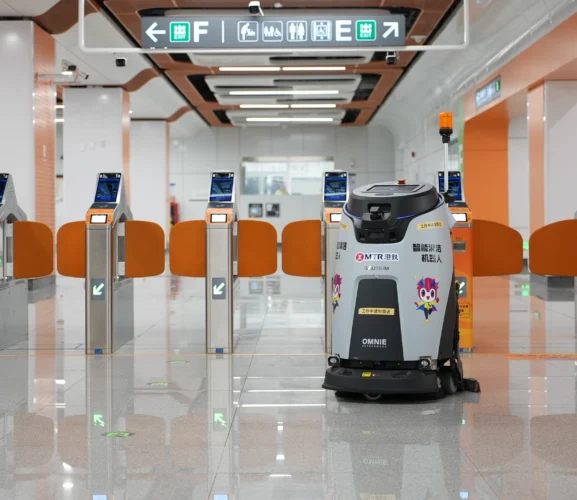
The robots were on site by late June 2026 and formally handed over on 12 July. Ten stations along the extension now run two Omnie robots apiece — one working the concourse, one working the platform — for twenty machines in daily service across the line.
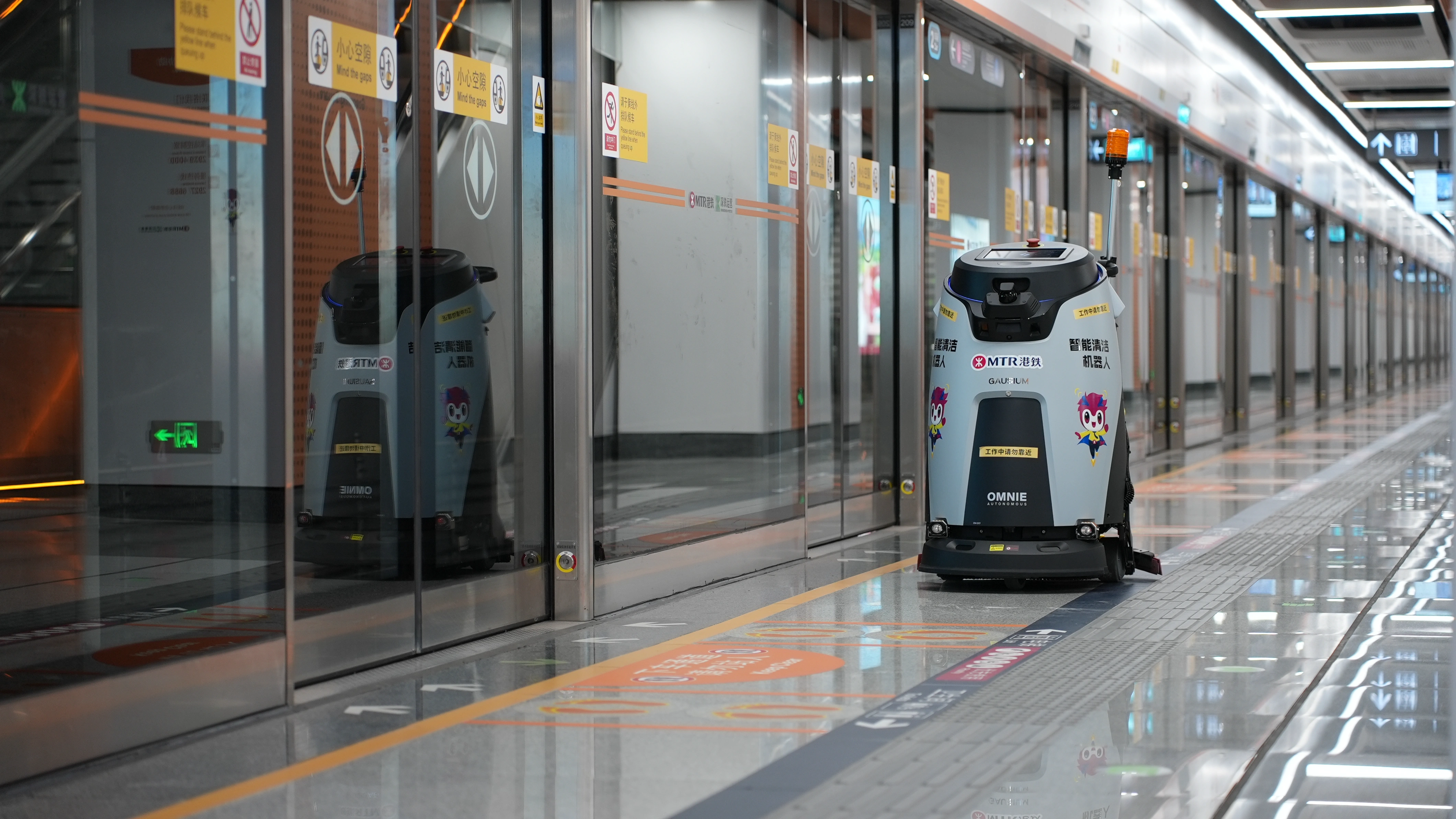
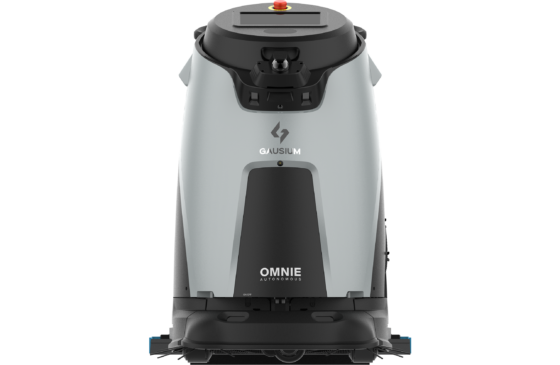
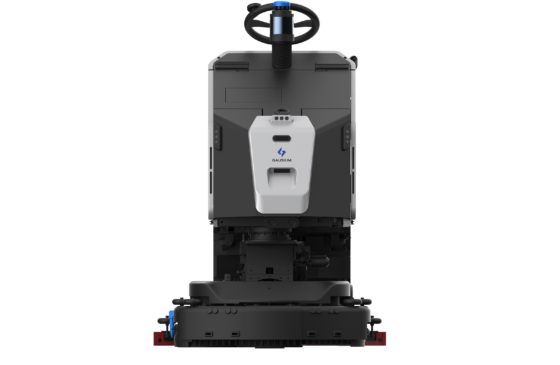
Gausium Omnie at a Station Platform of Line 13, MTR Shenzhen
A metro station floor is one of the hardest jobs in commercial cleaning, and the reasons stack up.
Manual cleaning can handle any one of these. Doing all four at once, every day, across ten stations is where the cost starts to run away.
Each station runs the same two-robot pattern, with the two machines on opposite schedules.
On the concourse, one Omnie in disc-brush configuration covers the unpaid area, the paid area and, where the layout calls for it, mezzanine sections. It works in several scheduled sessions spread across the operating day — pre-dawn, morning, midday and evening — with peak passenger periods designed out of the timetable rather than worked around on the day.
On the platform, a second Omnie covers roughly 900 m² in the window between 00:30 and 03:30, completing one to two full passes before the line reopens.
Because the stations were built with water and drainage at the right levels, the robots refill and discharge on their own and return to dock to recharge. No part of the daily cycle requires someone to fill a tank or carry recovery water — which is the only reason a schedule this dense is workable.
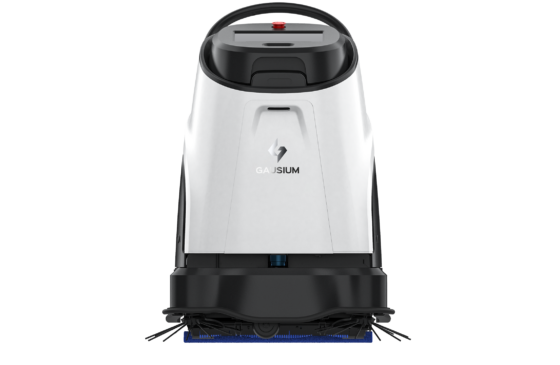
MTR also operates Shenzhen Metro Line 4, and around seven stations on its northern extension run Gausium robots on concourses of roughly 2,000 m². These stations were not built with robot water supply and drainage in mind, so automated wet scrubbing is not a realistic option there. Omnie runs instead in roller-brush configuration, in dry dust-mopping mode.
Those stations are not new to the technology. They had been running earlier-generation Gausium machines for around three years before the whole fleet was upgraded to Omnie in July 2026 — so the upgrade decision came with three years of operating data behind it.
For an operator running stations of different vintages, the two lines together make a useful point: what the building was designed to provide decides how it gets cleaned. The robot is the same either way.
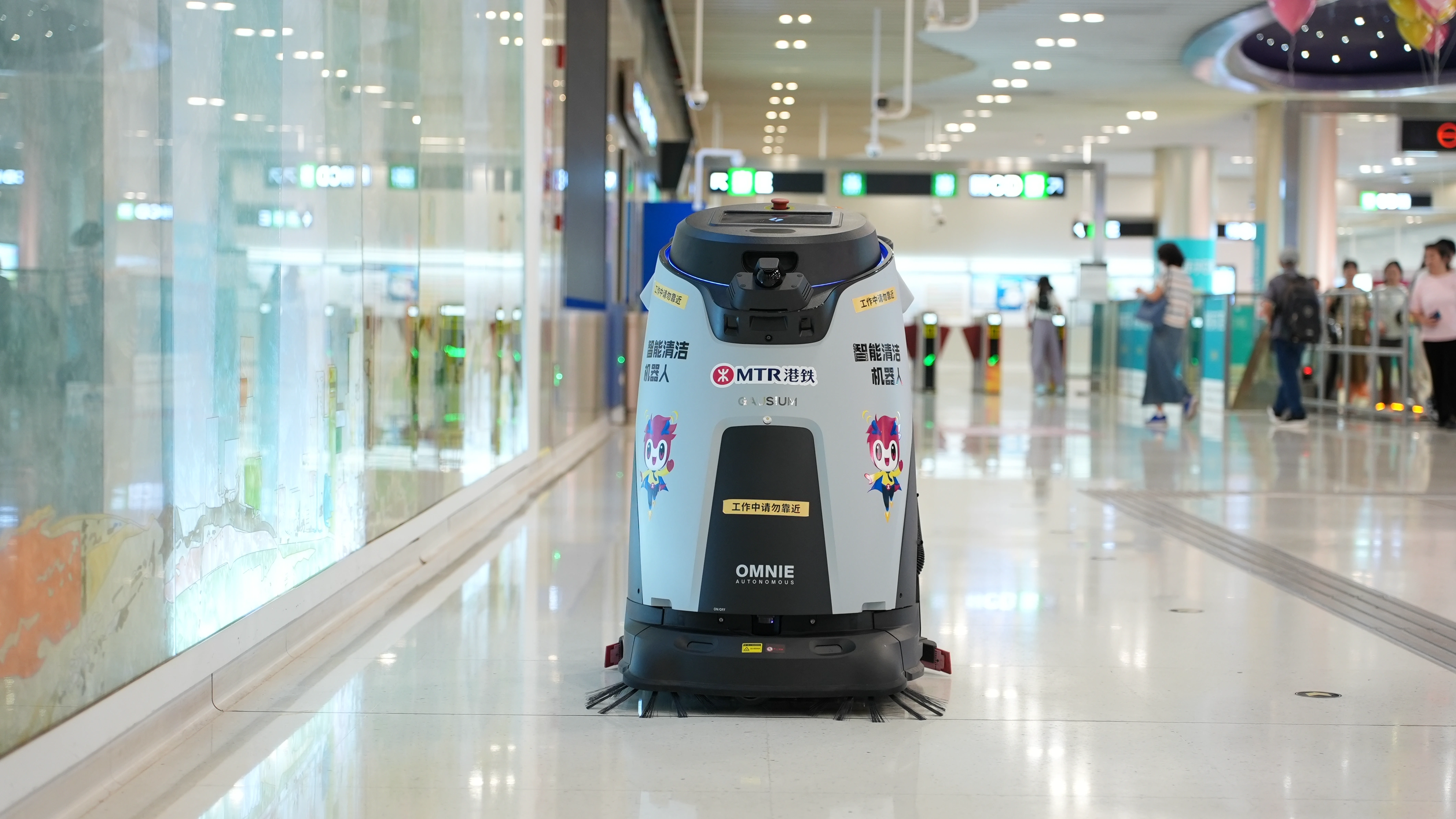
Gausium Omnie at a Station Concourse of Line 4, MTR Shenzhen
A 4,000 m² concourse is now covered by a single robot across the full operating day, work that would otherwise occupy one to two cleaning staff per station. Across ten stations, the saving is large enough to change how the cleaning roster is built.
Because the runs are scheduled and autonomous, the floor gets the same treatment on a Tuesday afternoon as it does at two in the morning on a Sunday. Automatic refill, drainage and recharging keep that schedule intact without supervision.
MTR reports that the scrubbing on Line 13 and the dust mopping on Line 4 are both performing to expectation, and that the station teams are happy with them.
The fleet is leased, not bought, which keeps capital outlay off the project and lets MTR add stations at its own pace. Further Omnie units are already contracted for delivery, which will take the Shenzhen fleet past thirty robots.
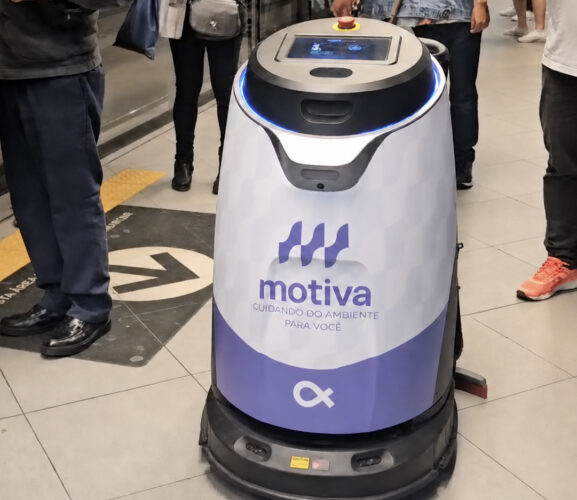
Shenzhen is one of a growing number of rail networks running Gausium robots in live passenger environments. The company’s machines are also in service with operators including Guangzhou Metro, Singapore’s SMRT, Network Rail in the United Kingdom, Metro de Madrid, the Kyushu Shinkansen, and Motiva on São Paulo’s Line 5-Lilás.
Those deployments have the same problem in common wherever they are: a short cleaning window, a large floor, a standard that cannot slip, and labour that is hard to hold on to. A metro station brings all four together.
MTR Corporation is one of the world’s most experienced railway operators, running networks in Hong Kong, the Chinese Mainland, Australia and Europe. In the Chinese Mainland it operates Beijing Metro Lines 4, 14, 16 and 17 and the Daxing Line, Shenzhen Metro Line 4 and Line 13, and Hangzhou Metro Line 1 and Line 5. Shenzhen Metro Line 4 is operated by its wholly owned subsidiary MTR Corporation (Shenzhen) Limited under a 30-year concession that began in 2011. The Line 13 Phase II northern extension, which opened in June 2026, is operated under an operations and maintenance contract by MTR CREC Metro (Shenzhen) Company Limited in collaboration with Shenzhen Metro Group.
Gausium is a leading company of AI-powered autonomous cleaning solutions with more than 9,400 customers in more than 70 countries and regions. Products and services of Gausium include commercial floor cleaning robots, docking stations, cloud platform and application software, and more in the pipeline. Driven by a vision to lead the intelligent digital transformation of the cleaning and service industry, Gausium offers the world’s most comprehensive portfolio of commercial cleaning robots, empowering individuals to work smarter and lead more fulfilling lives.
UP NEXT
3.5 Hours to 40 Minutes: The Cleaning Robot Turning Heads on São Paulo’s MetroAugust 13, 2026
Step 1/2
Please select the type of business you’d like to have with Gausium.
Choose one item from the list
Step 2/2
Thanks for sharing your preference. Please fill out the form below, and we’ll get in touch shortly.
By clicking “Submit”, I authorize Gausium to contact me. Privacy Policy.
Thank you for filling out the form
By clicking “Submit”, I authorize Gausium to contact me. Privacy Policy.