





UP NEXT
The Hidden Costs of a Dirty Warehouse Floor—and How a Robotic Warehouse Floor Cleaner Can Help3月 24, 2025

4月 28, 2025
In today’s business landscape, operational excellence alone is no longer enough. Companies are increasingly judged by how efficiently they run, how ethically they treat people and the planet, and how transparently they meet Environmental, Social, and Governance (ESG) standards.
As organizations seek smarter ways to meet these growing expectations, one solution is quietly but powerfully leading the way: autonomous cleaning technology.
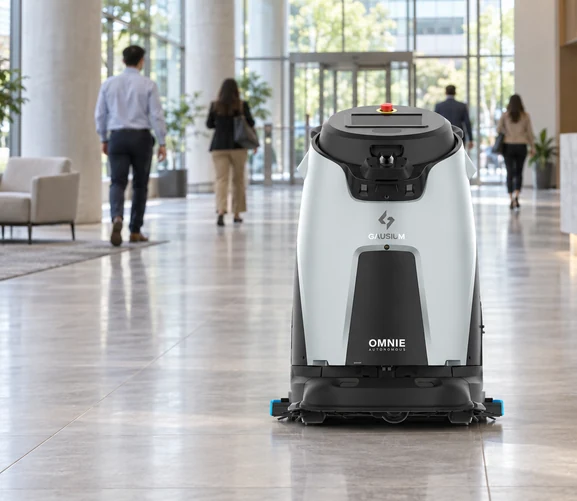
More than just a productivity tool, autonomous cleaning solutions like those offered by Gausium are emerging as essential allies in helping businesses drive efficiency, uphold ethics, and strengthen ESG performance. Here’s why.
Traditional cleaning operations can be surprisingly inefficient.
According to the International Sanitary Supply Association (ISSA), manual methods such as mopping typically achieve a productivity rate of only 2,000 to 2,700 square feet per hour, depending on floor type and operator technique (ISSA).
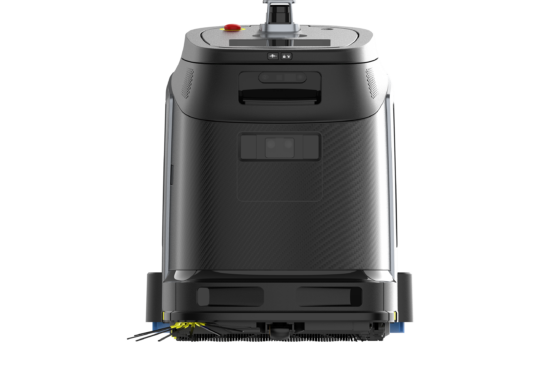
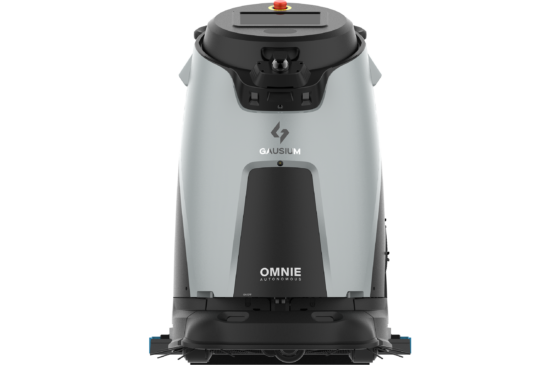
In contrast, Gausium’s Omnie — one of the company’s flagship autonomous cleaning robots — has a theoretical maximum cleaning efficiency of up to 2,600 square meters per hour (approximately 28,000 square feet per hour) (Gausium Omnie). This is roughly ten times the productivity of traditional manual methods, dramatically reducing time requirements and maximizing operational efficiency.
On São Paulo Metro’s Line 5, where Omnie cleans station platforms and mezzanines, average platform cleaning time fell from about 3.5 hours to around 40 minutes, according to the São Paulo Metro case study.
Beyond being slow and labor-heavy, manual cleaning is also wasteful.
Studies show that traditional techniques often result in 30% to 50% overuse of water and chemical supplies due to human error and inconsistent application (EPA, 2023). Moreover, cleaning quality can vary significantly — manual cleaning outcomes depend heavily on operator skill, leading to inconsistent results across facilities.
Autonomous cleaning solutions offer a smarter, more reliable alternative.
Equipped with advanced sensors and adaptive algorithms, they navigate environments in real time, dynamically planning efficient routes and adjusting to changes without the need for manual intervention. These technologies ensure optimal coverage, minimize wasted effort, and deliver consistent, high-quality cleaning performance.
By upgrading to intelligent, autonomous systems, companies can reduce operational waste, lower carbon emissions, and align more closely with their sustainability targets.
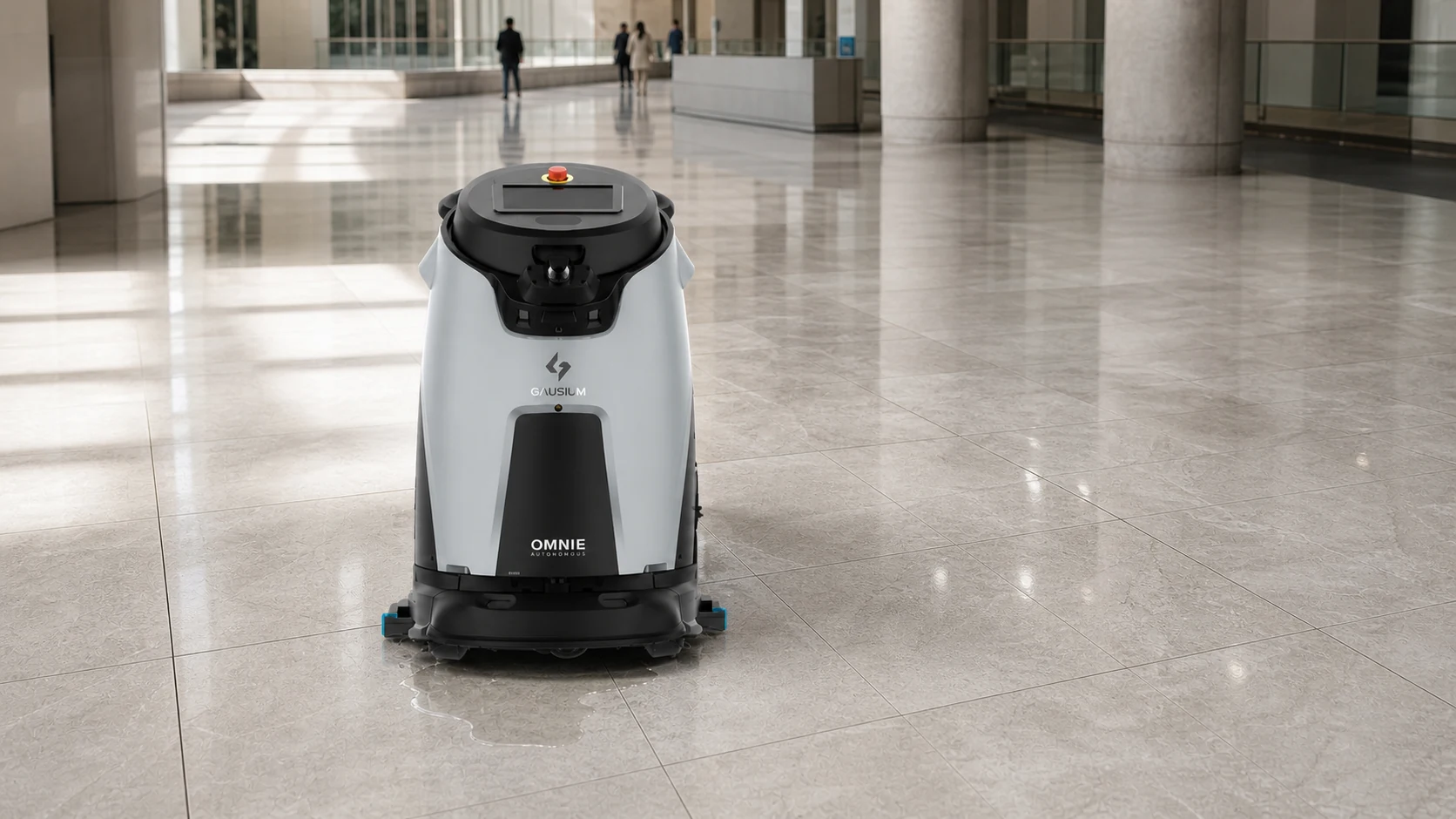
Efficiency is just part of the story. Modern businesses are expected to prioritize the well-being of their people as part of their broader ethical commitments.
The cleaning industry also involves physical risks. According to the U.S. Bureau of Labor Statistics, workers in services to buildings and dwellings — including janitorial services — reported a nonfatal injury rate of 2.5 cases per 100 full-time workers in 2023, compared to the overall private industry average of 2.4 cases (BLS, 2024).
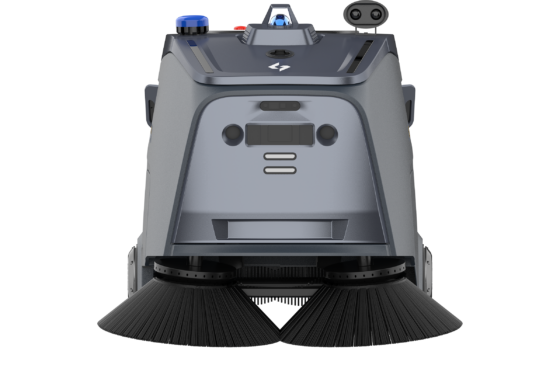
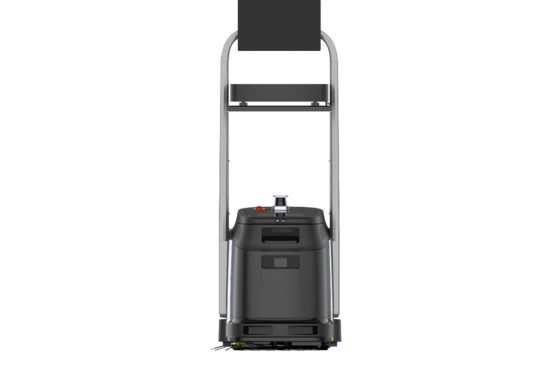
Gausium’s robots, such as the Beetle — an agile, industrial-grade autonomous sweeper — is designed for heavy-duty cleaning tasks in industrial environments where uncleaned floors pose serious hazards to workers. By taking over strenuous and repetitive cleaning operations, Beetle helps maintain safer workplaces while improving operational efficiency.
Rather than replacing human jobs, autonomous cleaning solutions empower employees to move into higher-value roles, such as overseeing robot fleets, ensuring quality control, and managing facility logistics. This shift reduces physical strain, improves job satisfaction, and supports ethical labor practices — a critical pillar of the “Social” component of ESG.
Moreover, the U.S. commercial cleaning industry, valued at approximately $100 billion, continues to face persistent labor shortages post-pandemic, as demand for facility hygiene remains high while staffing challenges persist (Statista, 2024).
Autonomous cleaning technology like those from Gausium help organizations maintain high standards of cleanliness and safety, even amid ongoing recruitment pressures.
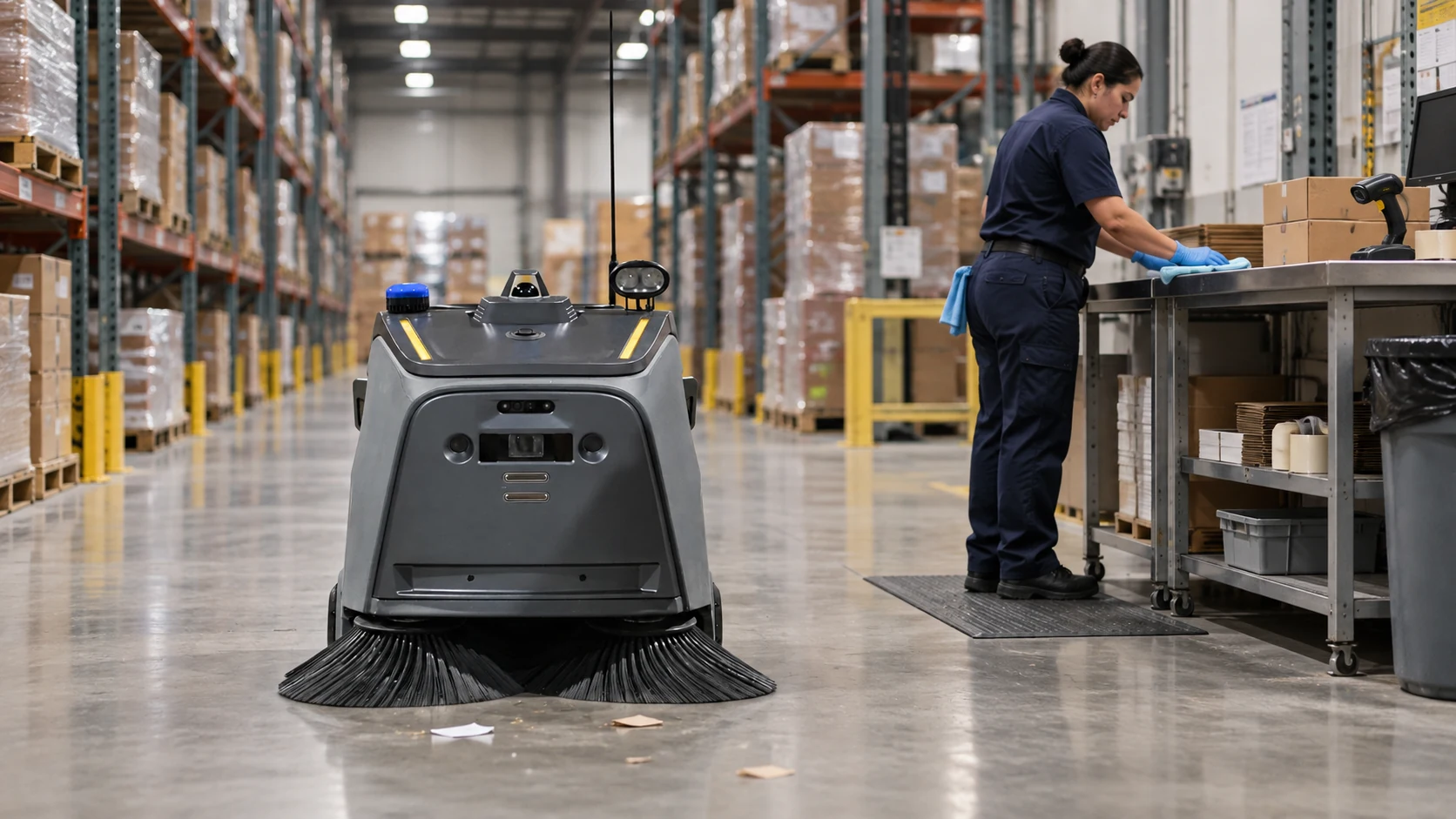
Today’s stakeholders demand more than sustainability promises — they expect measurable outcomes.
Autonomous cleaning technologies deliver exactly that.
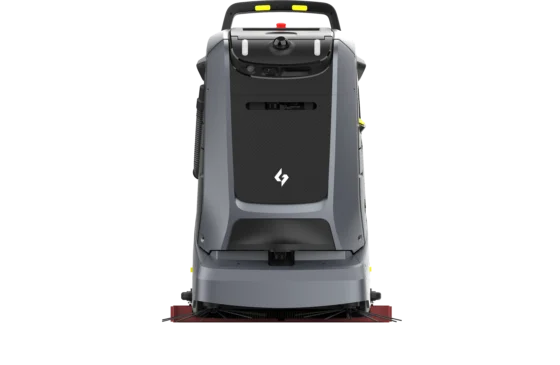
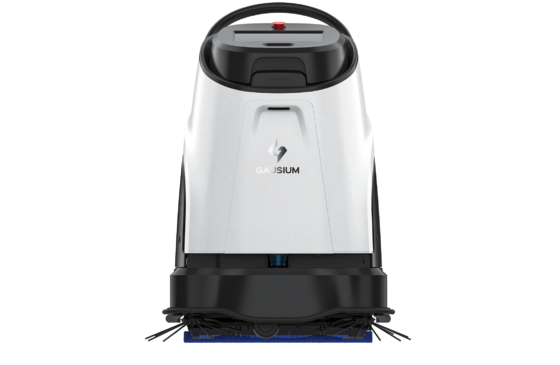
Solutions like those offered by Gausium are engineered to drive significant sustainability gains. Gausium’s autonomous scrubbers such as Scrubber 75 are equipped with built-in water recycling filtration systems that can save up to 80% of water usage compared to traditional cleaning methods.
These machines intelligently filter and reuse water during the cleaning cycle, dramatically reducing consumption without compromising cleaning quality.
In addition, smart dosing technology optimizes the application of cleaning agents, ensuring that only the necessary amount of chemicals is used for each task. Gausium also advances eco-friendly practices through innovations like Gausium Leaves — a unique, biodegradable cleaning agent made with patented seaweed-based technology, free from PVOH and microplastics, further minimizing environmental impact.
Project data from Gausium deployments includes the following results:
|
Project |
Reported result |
Scope |
|
Water use reduced from about 980 liters to 15 liters |
Per platform cleaning operation |
|
|
1.1 million liters of water and 2,507 kilograms of CO₂ emissions saved, plus 145,945 staff hours |
Per year, Gausium robots deployed by Mitie |
By combining water conservation, reduced chemical use, and sustainable cleaning materials, Gausium provides businesses with powerful tools to meet their environmental targets.
Moreover, Gausium’s solutions generate detailed operational analytics, allowing organizations to accurately track resource savings and sustainability performance over time. This data-driven transparency strengthens ESG reporting, enhances stakeholder trust, and positions businesses as leaders in environmental responsibility and smart operational innovation.
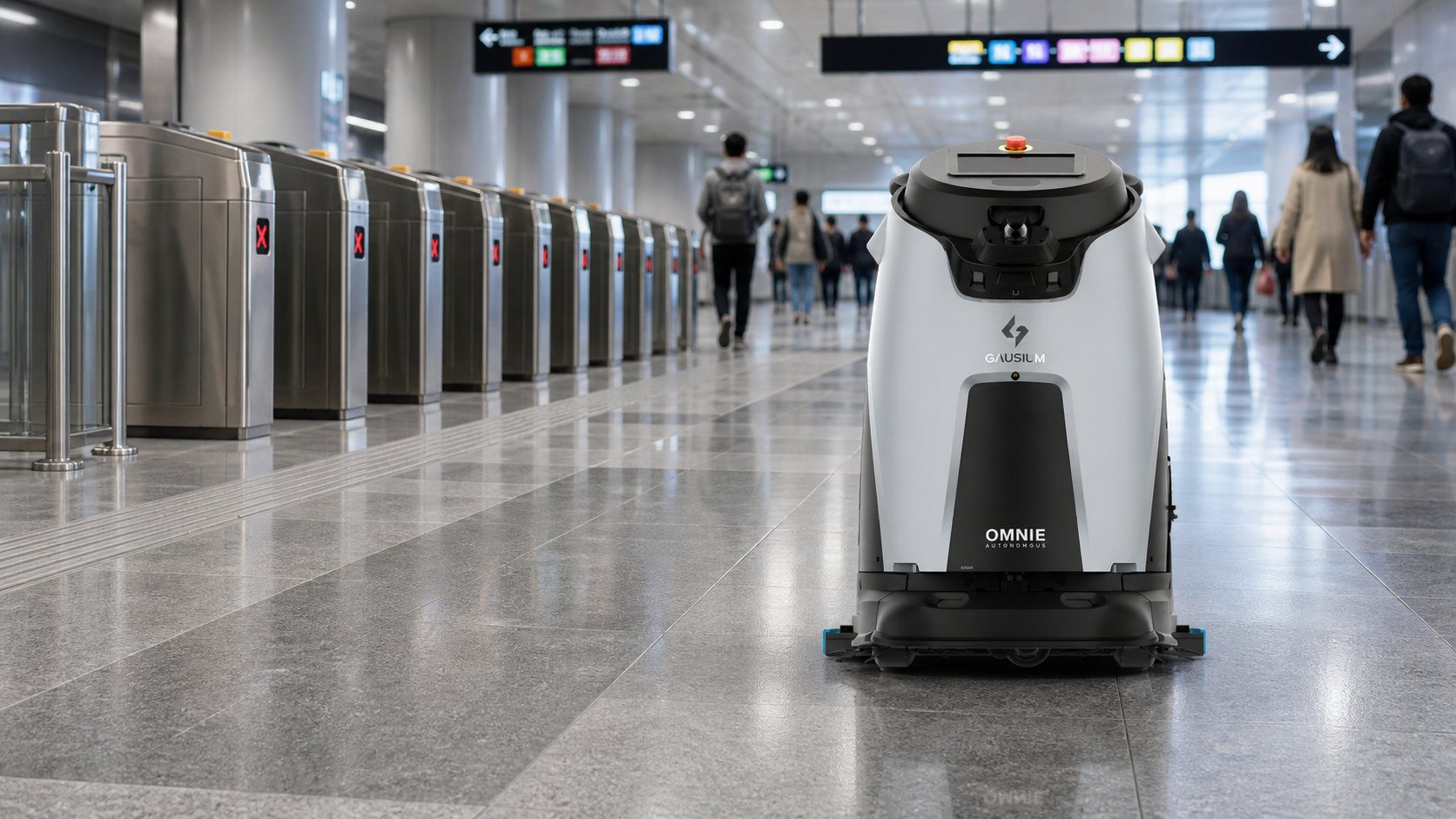
In an era where efficiency, ethics, and environmental stewardship define business success, smart operational choices matter more than ever.
By adopting autonomous cleaning solutions, companies can achieve significant sustainability gains, foster a healthier, more ethical workplace, and strengthen their ESG performance — all while reducing costs and improving operational resilience.
Efficiency, ethics, and ESG are no longer separate goals.
Thanks to innovation from leaders like Gausium, they are increasingly interconnected — and together, they are reshaping the future of sustainable business.
Green cleaning means keeping commercial buildings clean while reducing environmental impact, for example by lowering water and chemical use and choosing more sustainable cleaning materials.
They can reduce water use in routine floor cleaning. At São Paulo Metro, water use per platform cleaning fell from about 980 liters to 15 liters, and at Network Rail stations, Gausium robots helped save 1.1 million liters of water a year. Gausium Leaves also offer a biodegradable cleaning agent.
Yes, as one input. The Gausium app provides reports of operational metrics and historical statistics, which can support records of cleaning activity. Resource savings for ESG reporting should be measured against the facility’s own baseline.
Step 1/2
Please select the type of business you’d like to have with Gausium.
Choose one item from the list
Step 2/2
Thanks for sharing your preference. Please fill out the form below, and we’ll get in touch shortly.
By clicking “Submit”, I authorize Gausium to contact me. Privacy Policy.
Thank you for filling out the form
By clicking “Submit”, I authorize Gausium to contact me. Privacy Policy.