




UP NEXT
A Comprehensive Guide to Common Floor Coating Systems and AgentsMay 31, 2024

July 09, 2024
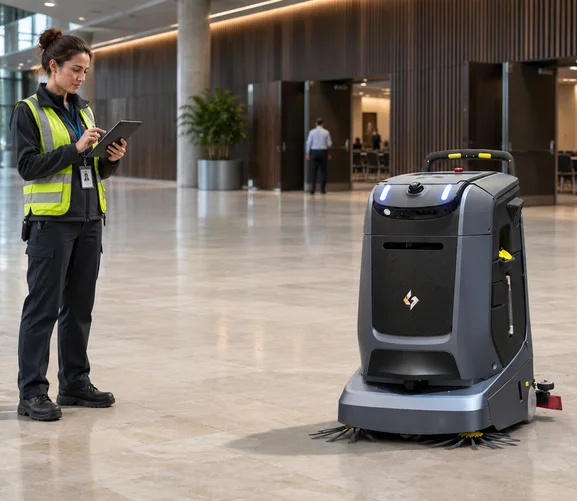
For facility managers, choosing a commercial cleaning robot means deciding how it will fit into the building’s daily cleaning operation. The machine needs to clean the assigned floors, work within available time slots and fit the responsibilities of the cleaning team or service provider.
Those requirements vary across a facility. A busy entrance may need repeated attention during opening hours, while offices and parking areas may have different cleaning windows. Maintenance, staff availability and reporting requirements also influence whether a robot is a practical fit.
This guide explains the criteria facility managers should evaluate, how Gausium robots can support different operating arrangements and what to verify before deployment.
A facility manager may oversee several buildings, coordinate contractors or report cleaning performance to tenants and management. A cleaning robot needs to fit those arrangements as well as the physical space.
The main operational requirements are:
Cleaning expectations do not have to be identical throughout a building. An entrance lobby, a service corridor and a parking garage may have different priorities. Defining those requirements helps facility managers assess the robot against the work it will actually perform.
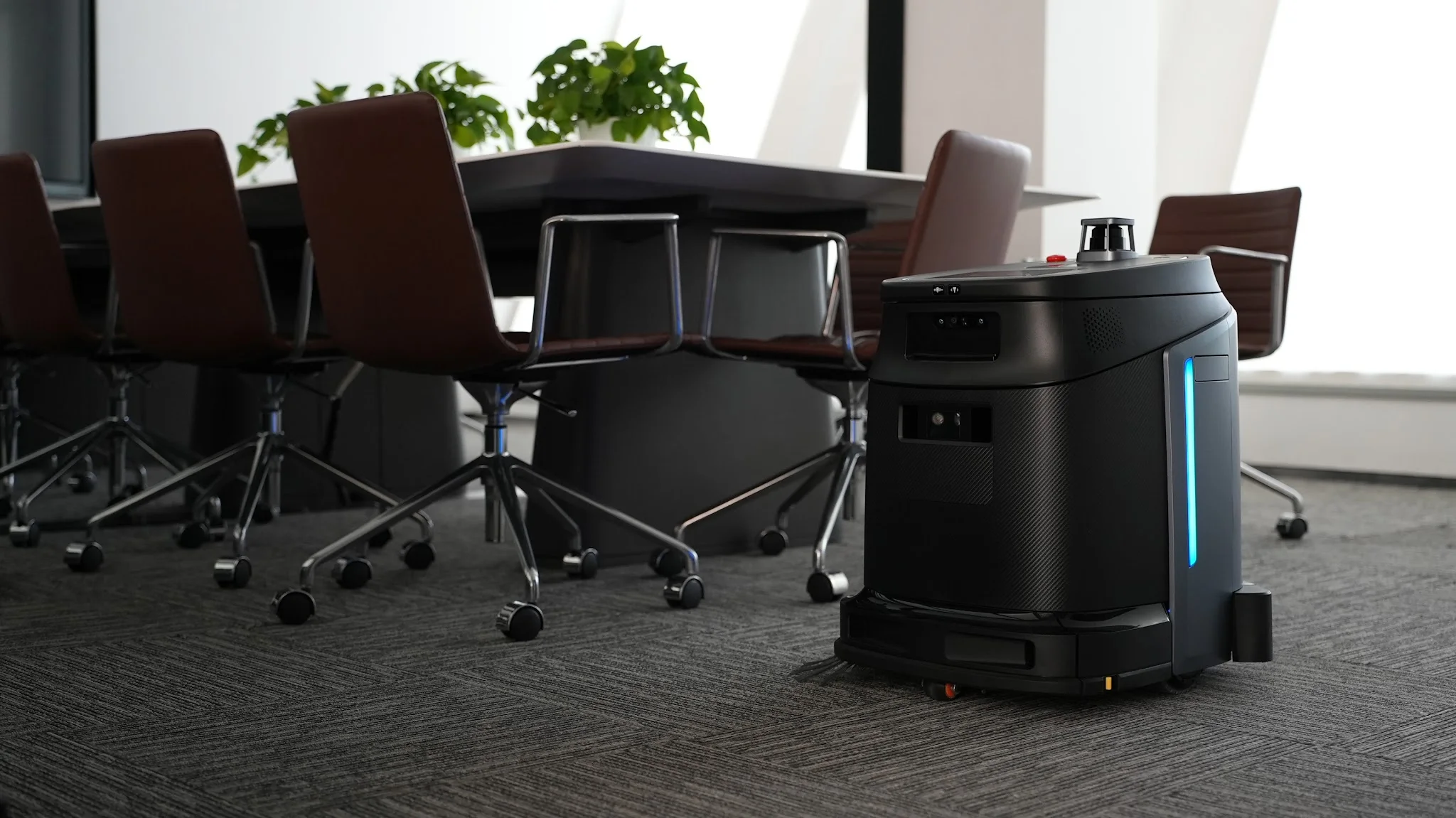
A useful evaluation connects each product capability to an operational requirement.
|
Criterion |
What to check |
Why it matters to a facility manager |
|---|---|---|
|
Cleaning performance |
Results on the site’s floors and typical soil, including any supplementary cleaning required |
Establishes whether the machine can perform its assigned tasks |
|
Site fit |
Floor compatibility, aisle widths, turning space, access between areas and servicing locations |
Identifies suitable routes and areas that require another approach |
|
Safety |
Documentation for the exact model and configuration, intended-use limits and behavior during a controlled site trial |
Supports equipment selection and deployment planning |
|
Scheduling and autonomy |
Task scheduling, charging and water handling for the proposed setup |
Helps determine whether the robot fits the available cleaning windows |
|
Upkeep and support |
Routine care, self-cleaning functions, consumables, service arrangements and parts availability |
Helps the team plan the work needed to keep the robot operational |
|
Data and reporting |
Available task records and how the team will use them |
Supports follow-up and communication with management or contractors |
|
Deployment and training |
Initial setup, staff instruction and procedures for changes or interruptions |
Helps establish a workable daily routine |
Capabilities should be checked against the proposed model and configuration. For example:
For safety documentation, the model designation matters. In March 2024, Gausium announced that TÜV Rheinland had evaluated Phantas S1 Pro M against EN IEC 63327 and confirmed that it met the PL=d functional safety requirements. This published result applies to the named configuration; buyers should request the documents for the equipment being offered. Gausium certification announcement
For reporting, focus on how the information will be used. Gausium’s guide to cleaning robot performance reporting explains how task data can support daily management.
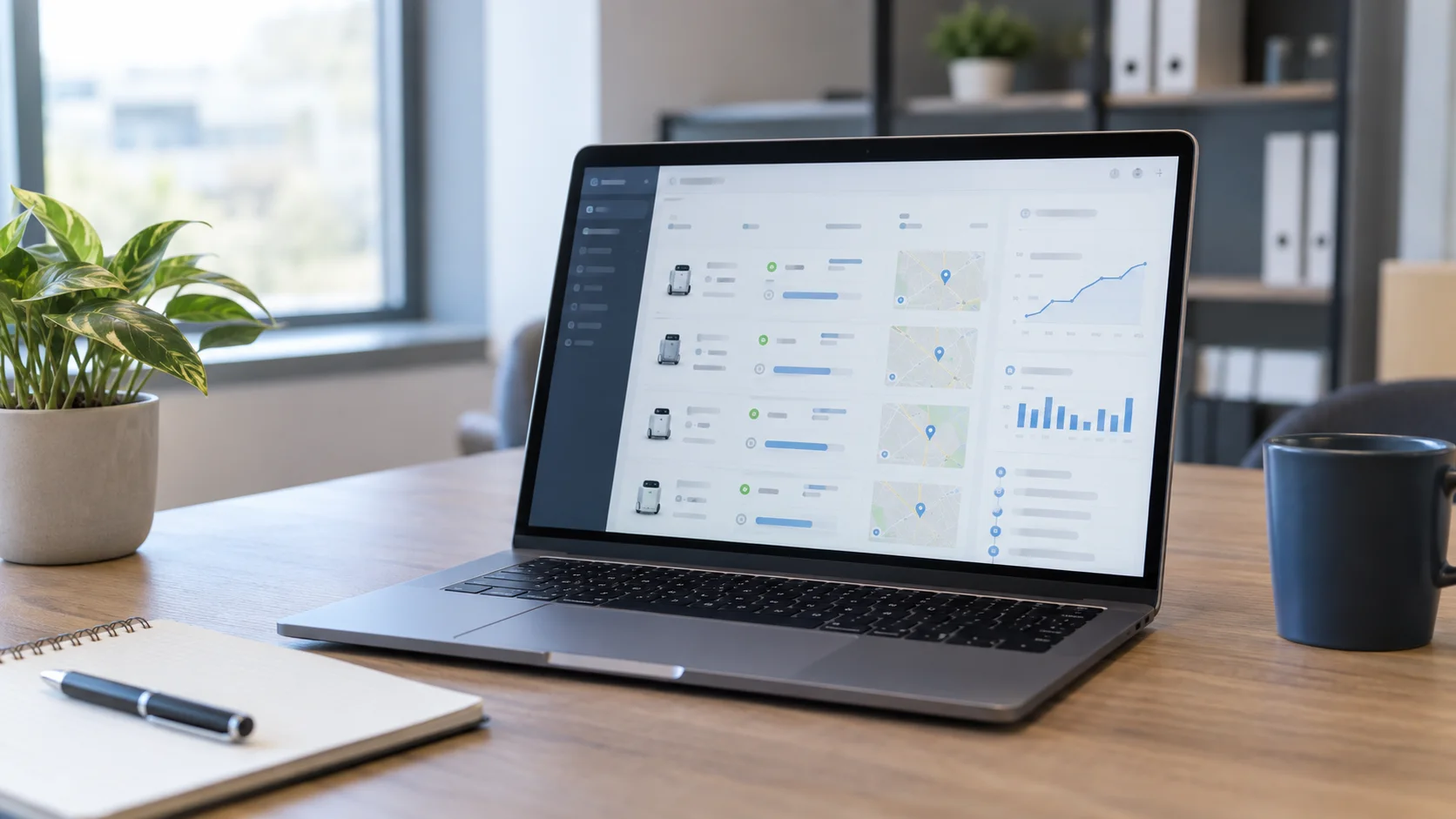
Introducing a robot changes the allocation of floor-cleaning work. The operating arrangement should make it clear how the machine and cleaning team work together.
Robots can take on recurring floor-cleaning tasks on assigned routes. Staff handle stairs, fixtures, detailed cleaning, urgent spill response and areas outside the robot’s assigned work, as well as checking results.
This division should reflect the site and the robot’s capabilities. It should not assume that every spill or every floor in a particular room is unsuitable for robotic cleaning.
Identify who checks that scheduled tasks have started, who responds to alerts and who performs routine care. Where a contractor manages cleaning, include these responsibilities in the operating arrangement.
The team should also know what to do when a route is blocked, an area becomes unavailable or a task needs to be changed.
Place robot tasks within the building’s operating schedule. Consider pedestrian peaks, deliveries, meetings and other activities that affect access.
Include time for charging, tank handling where required, inspection and routine maintenance. A cleaning window needs to accommodate the operating cycle, not just the time spent moving across the floor.
At the MANIFEST headquarters in Greece, Phantas cleans a carpeted office area. The team received training in operation, basic maintenance and remote control through the Gausium app, connecting the equipment to the people responsible for its daily use. MANIFEST case study
Training should leave staff able to perform their assigned tasks and recognize when support is needed. Gausium’s guide to commercial cleaning robot deployment covers onboarding in more detail.
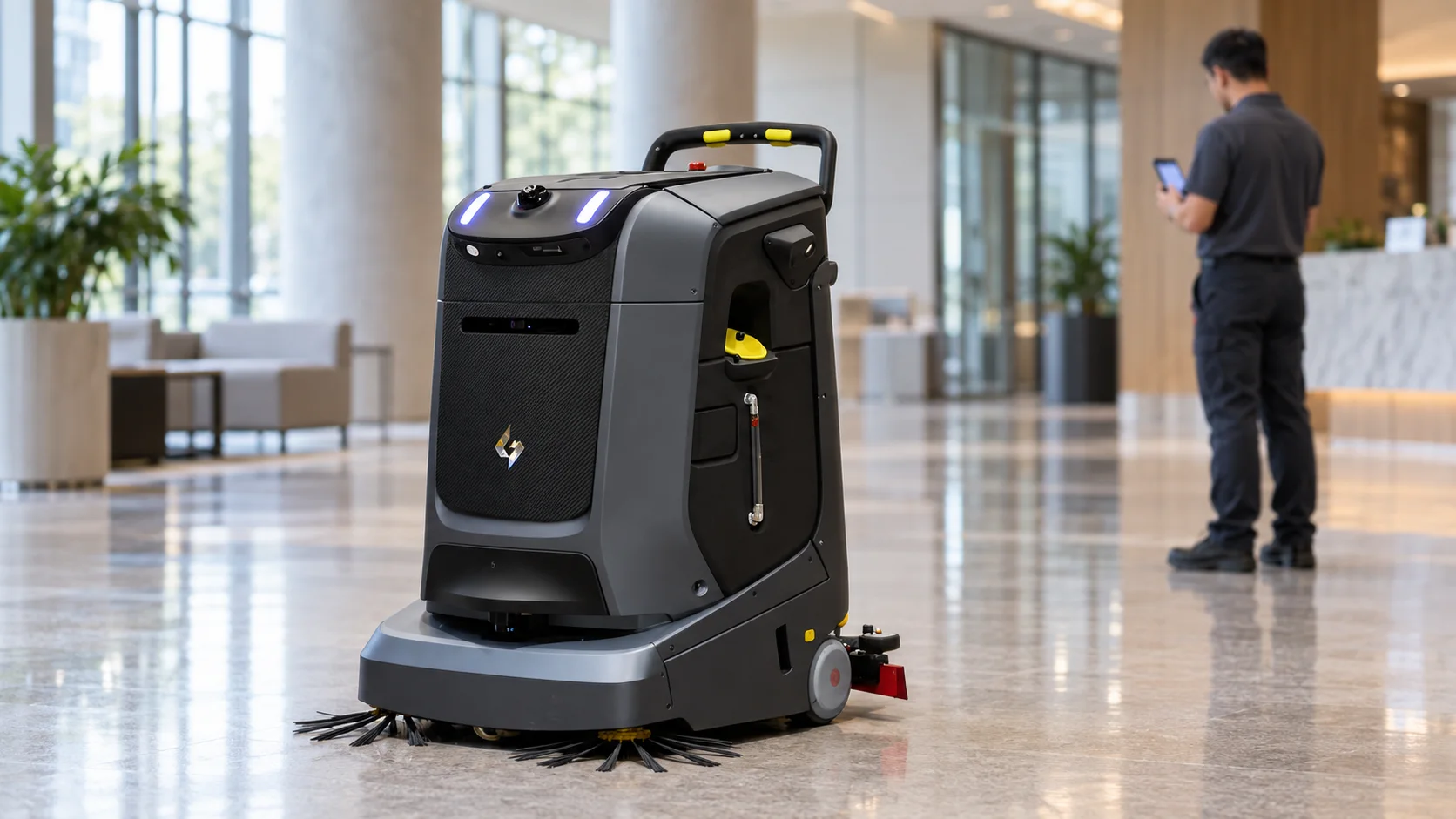
Task records help establish what the robot attempted or completed. Inspection establishes the resulting condition of the floor.
Using both helps teams identify whether a problem comes from an inaccessible route, unsuitable settings, a change in soil conditions or a task that requires supplementary cleaning.
Different facilities illustrate how equipment, schedules and responsibilities can be organized around the site.
Operational need: Coordinate cleaning across lobbies, corridors, workspaces and garages with different surfaces and operating hours.
Approach: Assign equipment and schedules by area, with responsibilities defined across the property team or cleaning contractor.
At two Onewo-managed properties in Chongqing, a fleet of Gausium robots handles approximately 28,000 m² of floor cleaning across office and residential settings. The deployment includes different machines for parking areas and occupied indoor spaces.
The example shows why a mixed-use estate may need an area-by-area cleaning plan rather than one machine specification for the entire property. Onewo case study
Operational need: Maintain shared areas during the day while accounting for residents, visitors and staff.
Approach: Select suitable equipment, plan cleaning windows around the building’s use and check the operation under representative conditions.
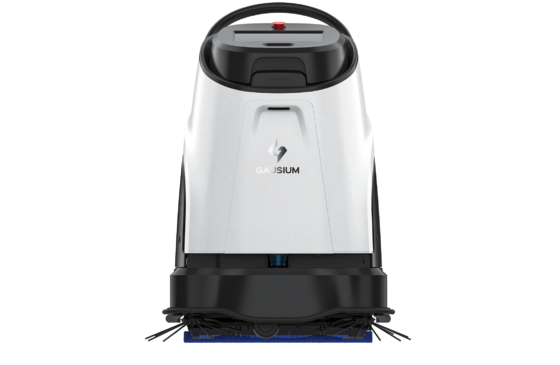
At China Overseas Property’s residential communities in Beijing, Phantas cleans an entrance lobby. The case study describes quiet operation as supporting daytime cleaning.
For another facility, the relevant checks include the proposed route, cleaning mode, noise expectations and pedestrian activity. China Overseas Property case study
Operational need: Coordinate cleaning across large public areas while maintaining clear responsibilities between the facility operator and cleaning provider.
Approach: Combine equipment suited to different areas with site-specific schedules and operating procedures.
At Network Rail stations in the UK, facilities management provider Mitie adopted Gausium robots through UK distributor ICE. The deployment included 13 robots across concourses, waiting areas and offices.
The case reports approximately 1.1 million liters of water saved annually and positive passenger feedback on day and night operation. These are reported outcomes from that deployment, rather than results guaranteed for every facility. Network Rail case study
Product information helps create a shortlist. A site trial helps verify whether the proposed robot and operating arrangement meet the building’s requirements.
Facility managers should agree on what will be assessed before the trial begins:
Use the trial to assess a repeatable routine. A successful demonstration should help the team understand both what the robot can do and what is needed to keep that work running.
Gausium’s guide to what to measure in a cleaning robot performance test provides further points to record.
To discuss the cleaning requirements, staffing arrangements and operating conditions of a particular facility, contact Gausium.
Start with the areas to be cleaned, the expected results and the available cleaning windows. Then establish who will operate, maintain and inspect the robot. These requirements provide a practical basis for comparing equipment.
Staff handle tasks such as stairs, fixtures, detailed cleaning, urgent spill response and inspection, along with areas outside the robot’s assigned work. The exact division depends on the site and the machine’s capabilities.
No. Task records help teams review cleaning activity and completion, while inspection establishes the condition of the floor. Gausium’s article on APPA cleaning standards explains the role of floor care within broader cleaning expectations.
IEC 63327 addresses powered automatic floor treatment machines for commercial indoor use within its scope. Buyers should check the relevant documentation for the exact model and configuration. Gausium’s March 2024 announcement documents TÜV Rheinland’s assessment of Phantas S1 Pro M against EN IEC 63327; it should not be treated as a statement covering every Phantas version.
They can be scheduled for suitable operating windows where the site and equipment configuration allow. Confirm access, charging, water handling, routine care and arrangements for responding to alerts before planning unattended tasks.
Gausium Phantas combines vacuuming for low-pile carpet with sweeping, scrubbing and dust mopping for compatible hard floors. For larger carpeted areas, Gausium Vacuum 40 is another option to evaluate. The choice depends on the floor surfaces, layout and cleaning workload. Gausium’s guide to mixed-floor buildings explores these arrangements.
Step 1/2
Please select the type of business you’d like to have with Gausium.
Choose one item from the list
Step 2/2
Thanks for sharing your preference. Please fill out the form below, and we’ll get in touch shortly.
By clicking “Submit”, I authorize Gausium to contact me. Privacy Policy.
Thank you for filling out the form
By clicking “Submit”, I authorize Gausium to contact me. Privacy Policy.