

ต่อไป
Commercial Cleaning Robots: The New Standard in Facility ServicesJune 16, 2026
June 24, 2026
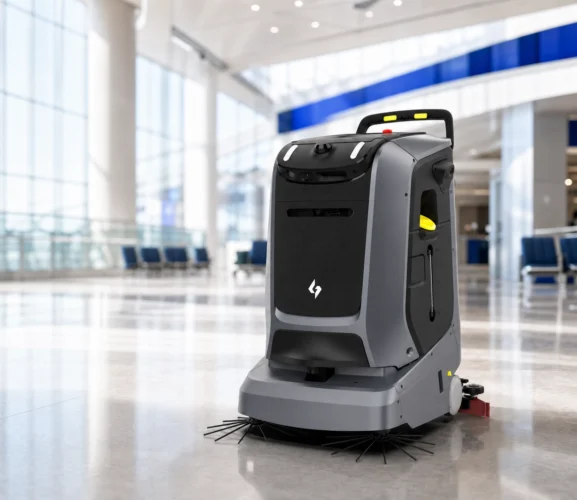
A robot floor scrubber is only as reliable as its upkeep. Skip the routine tasks and you’ll see it in the results — streaky floors, weaker suction, shorter battery life, and unplanned downtime that pulls a machine off the floor exactly when you need it most. The good news: most of this is preventable in a few minutes a day. This guide breaks robot floor scrubber maintenance into a simple daily, weekly, and monthly rhythm, so your team always knows what to do and when.
One thing worth keeping in mind as you read: how much maintenance a scrubber demands isn’t fixed — it’s a design choice. The smarter the machine, the more of these chores it handles for you.
Routine maintenance protects four things that directly affect your bottom line:
Think of the checklist below as cheap insurance against expensive problems.
These take just a few minutes at the end of each shift and prevent the most common issues — odor, weak suction, and streaking.
The recovery (wastewater) tank collects dirty water and is the number-one source of odor and bacteria when neglected. Drain it after every shift, give it a quick rinse, and leave the lid open to air-dry. This is the single most-skipped daily task — and the one that causes the most complaints.
Dry waste — paper scraps, cigarette butts, shells, and larger debris — collects in a separate tray. Empty it daily so it never overflows back onto the floor.
The squeegee is what gives you dry, streak-free floors. Wipe the blades down daily, clear any trapped hair or grit, and check that they sit flush. A dirty or nicked squeegee is the most common cause of water trails left behind.
Hair, string, and wrapped debris are the enemy of any brush system. Check the roller and side brushes daily and pull off anything tangled around them — it only takes seconds and protects both cleaning performance and the motor.
Autonomous scrubbers rely on clean sensors, cameras, and LiDAR to navigate safely. A quick wipe with a dry microfiber cloth keeps them seeing clearly and prevents avoidable navigation errors.
A slightly deeper check once a week catches wear before it becomes a problem.
The filter basket traps debris before it reaches the vacuum system. Remove it, empty it fully, and rinse out the fine grit a daily wipe-down misses. A clogged filter is a leading cause of weak suction.
Look closely for nicks, tears, or a flattened edge. Squeegee blades are wear parts — flipping them to a fresh edge or replacing them on time is the cheapest way to keep floors dry.
Inspect roller and side brushes for flat spots, splaying, or uneven bristle length. Worn brushes scrub less effectively and put extra strain on the drive system.
Rinse the fresh-water tank weekly to prevent residue and biofilm buildup, which can clog the spray system and affect cleaning solution flow.
These keep the machine healthy over the long term and are easy to schedule as a recurring calendar reminder.
In hard-water areas, mineral scale builds up in lines and spray nozzles and restricts flow. Run a descaling cycle periodically — how often depends on your local water hardness.
Once a month, assess all wear parts against their replacement thresholds. Replacing a worn brush or blade proactively is far cheaper than the rework caused by poor cleaning results.
Wipe the charging contacts on both the dock and the machine, and confirm the dock is clean, level, and unobstructed. Poor contact is a common and easily fixed cause of charging faults.
Manufacturers ship improvements to navigation, cleaning logic, and battery management through updates. Check for and install firmware updates monthly to keep the machine performing at its best.
Most modern scrubbers use lithium batteries. Return the machine to its dock between uses, avoid running it fully flat where possible, and follow the manufacturer’s recommended charging routine to maximize battery lifespan.
Before storing a machine for an extended period, empty and dry all tanks to prevent odor and mold, charge the battery to the recommended storage level, power the unit down, and keep it somewhere clean and dry.
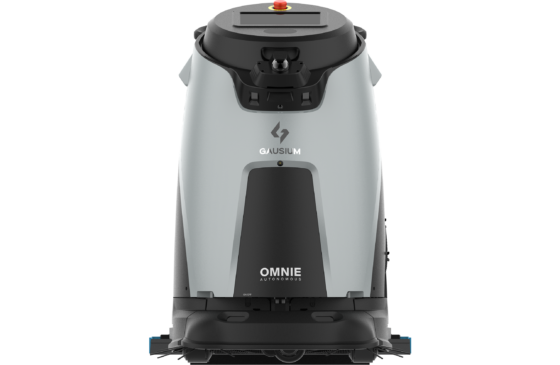
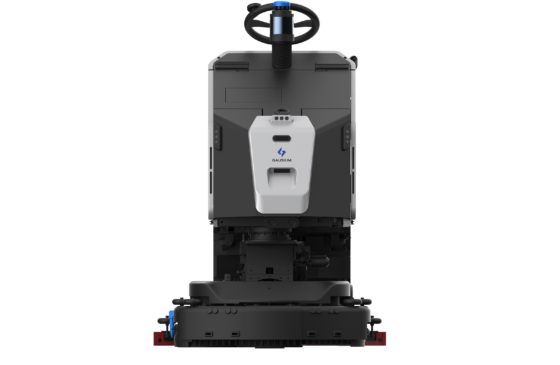
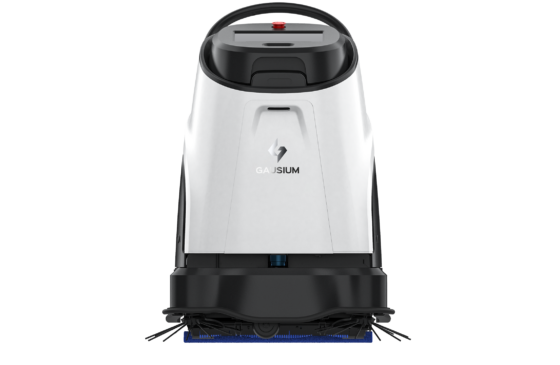
Re-read the daily list and you’ll notice a pattern: the most disliked, most-skipped tasks all involve water and waste — draining the dirty tank, rinsing the filter, cleaning the squeegee. These are exactly the jobs Gausium Mira and Marvel were designed to take off your team’s plate.
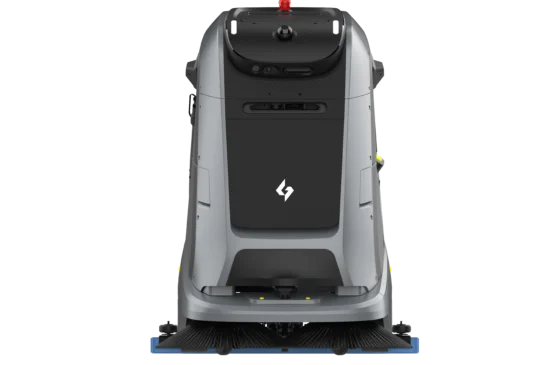
Mira‘s self-cleaning cycle handles the wastewater tank, filter basket, and squeegee automatically — the three chores that cause the most odor complaints and the most performance issues when neglected. Its design keeps wet and dry waste separated, so the debris tray stays dry and empties cleanly in a single tip.
The takeaway for robot floor scrubber maintenance planning is simple: every chore a machine automates is time your team spends cleaning instead of servicing — and one less task that gets skipped on a busy day. When you’re evaluating total cost of ownership, that automated upkeep belongs in the calculation.
Download our one-page daily, weekly & monthly checklist and keep it by your charging dock.
Drain and rinse the recovery (wastewater) tank after every shift. Leaving dirty water sitting in the tank is the leading cause of odor and bacterial buildup. Letting it air-dry with the lid open helps prevent smells.
Odor almost always comes from standing dirty water in the recovery tank or trapped debris in the filter and squeegee. Empty and rinse the tank daily, clean the filter basket weekly, and let everything air-dry to eliminate the source.
Replace brushes when you notice flat spots, splayed or shortened bristles, or a clear drop in cleaning quality. Inspect them weekly and check against the manufacturer’s wear thresholds monthly so you can replace them before performance suffers.
Wipe the squeegee blades daily and check for nicks, tears, or flattening. Worn blades leave water trails, so flip them to a fresh edge or replace them as needed to keep floors dry and streak-free.
Empty and dry all tanks to prevent odor and mold, charge the battery to the recommended storage level, power the machine down, and keep it in a clean, dry place.
Good robot floor scrubber maintenance comes down to consistency, not complexity: a few minutes daily, a quick check weekly, and a deeper service monthly. Build that rhythm into your routine and your machines will reward you with longer life, better results, and less downtime. And when you choose a machine like Gausium Mira — built to automate the chores teams most often skip — you spend less time on upkeep and more time on clean floors.
Want to see Mira in action? Explore Gausium Mira or discover the full Gausium robot lineup.


ขั้นตอนที่ 1/2
โปรดเลือกประเภทธุรกิจที่คุณต้องการมีกับ Gausium
เลือกหนึ่งรายการจากรายการ
ขั้นตอนที่ 2/2
ขอบคุณสําหรับการแบ่งปันการตั้งค่าของคุณ กรุณากรอกแบบฟอร์มด้านล่าง แล้วเราจะติดต่อกลับในไม่ช้า
เมื่อคลิก "ส่ง" ฉันอนุญาตให้ Gausium ติดต่อฉัน นโยบายความเป็นส่วนตัว.
ขอบคุณสําหรับการกรอกแบบฟอร์ม
เมื่อคลิก "ส่ง" ฉันอนุญาตให้ Gausium ติดต่อฉัน นโยบายความเป็นส่วนตัว.