




UP NEXT
Gewerbliche Reinigungsroboter: Der neue Standard im Facility ServiceJuni 16, 2026

Juni 24, 2026
Ein Reinigungsroboter-Bodenschrubber ist nur so zuverlässig wie seine Pflege. Wer die Routineaufgaben vernachlässigt, sieht es an den Ergebnissen – streifige Böden, schwächere Saugkraft, kürzere Akkulaufzeit und ungeplante Ausfallzeiten, die eine Maschine genau dann außer Betrieb setzen, wenn Sie sie am meisten brauchen. Die gute Nachricht: Das meiste davon lässt sich mit wenigen Minuten pro Tag vermeiden. Dieser Leitfaden gliedert die Wartung von Reinigungsroboter-Bodenschrubbern in einen einfachen täglichen, wöchentlichen und monatlichen Rhythmus, damit Ihr Team immer weiß, was wann zu tun ist.
Beim Lesen lohnt es sich, Folgendes im Hinterkopf zu behalten: Wie viel Wartung ein Schrubber erfordert, ist keine feste Größe – es ist eine Designentscheidung. Je intelligenter die Maschine, desto mehr dieser Aufgaben übernimmt sie für Sie.
Regelmäßige Wartung schützt vier Dinge, die sich direkt auf Ihr Ergebnis auswirken:
Betrachten Sie die folgende Checkliste als günstige Versicherung gegen teure Probleme.
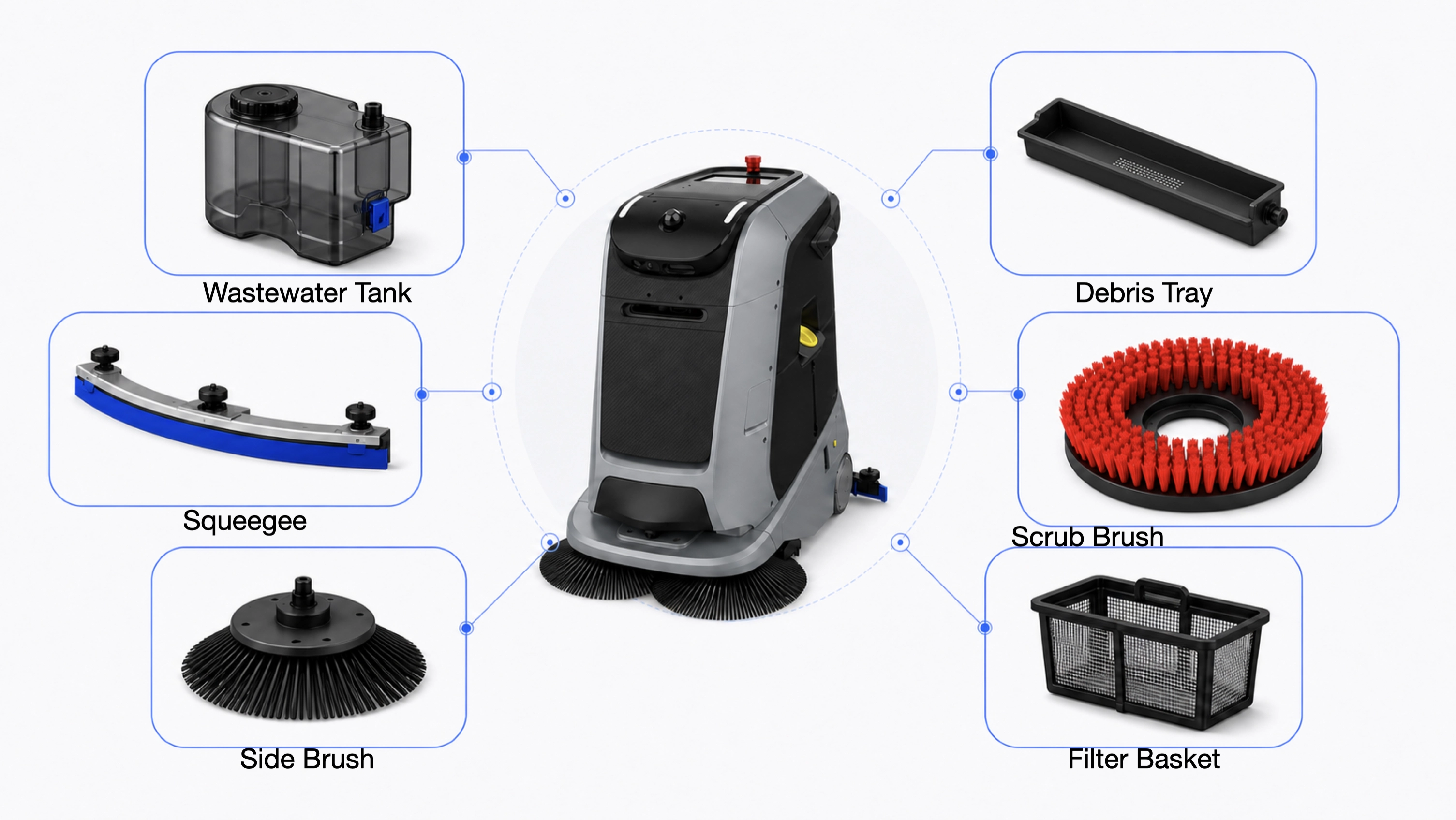
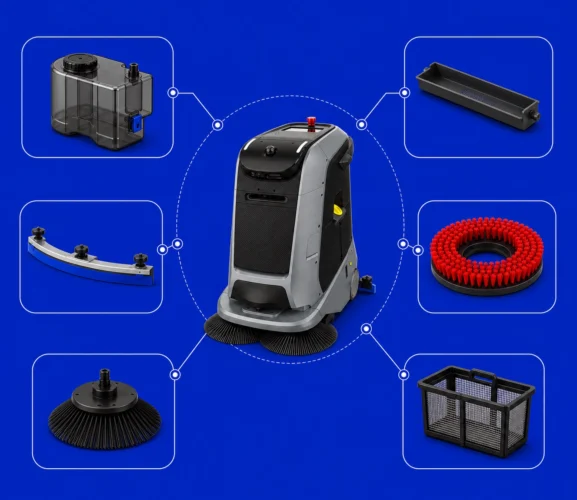
Kennen Sie Ihre Maschine: die Teile, die die häufigste Aufmerksamkeit benötigen, und die Grundlage jeder guten Wartungsroutine.
Diese nehmen nur wenige Minuten am Ende jeder Schicht in Anspruch und beugen den häufigsten Problemen vor – Geruch, schwacher Saugkraft und Streifenbildung.
Der Schmutzwassertank sammelt verschmutztes Wasser und ist bei Vernachlässigung die Hauptquelle für Geruch und Bakterien. Entleeren Sie ihn nach jeder Schicht, spülen Sie ihn kurz aus und lassen Sie den Deckel zum Lufttrocknen offen. Dies ist die am häufigsten übersprungene tägliche Aufgabe – und diejenige, die die meisten Beschwerden verursacht.
Trockener Abfall – Papierreste, Zigarettenkippen, Schalen und größerer Schmutz – sammelt sich in einem separaten Behälter. Entleeren Sie ihn täglich, damit er nie überläuft und zurück auf den Boden gelangt.
Die Absaugleiste sorgt für trockene, streifenfreie Böden. Wischen Sie die Lippen täglich ab, entfernen Sie eingeklemmte Haare oder Grus und prüfen Sie, ob sie plan aufliegen. Eine schmutzige oder eingekerbte Absaugleiste ist die häufigste Ursache für zurückbleibende Wasserspuren.
Haare, Fäden und verwickelter Schmutz sind der Feind jedes Bürstensystems. Prüfen Sie Walzen- und Seitenbürsten täglich und entfernen Sie alles, was sich darum gewickelt hat – es dauert nur Sekunden und schützt sowohl die Reinigungsleistung als auch den Motor.
Autonome Schrubber sind auf saubere Sensoren, Kameras und LiDAR angewiesen, um sicher zu navigieren. Ein kurzes Abwischen mit einem trockenen Mikrofasertuch hält ihre Sicht klar und verhindert vermeidbare Navigationsfehler.
Eine etwas gründlichere Prüfung einmal pro Woche erkennt Verschleiß, bevor er zum Problem wird.
Der Filterkorb fängt Schmutz ab, bevor er in das Saugsystem gelangt. Entnehmen Sie ihn, entleeren Sie ihn vollständig und spülen Sie den feinen Grus aus, den ein tägliches Abwischen übersieht. Ein verstopfter Filter ist eine Hauptursache für schwache Saugkraft.
Achten Sie genau auf Kerben, Risse oder eine abgeflachte Kante. Absaugleisten sind Verschleißteile – sie rechtzeitig zu wenden oder auszutauschen, ist der günstigste Weg, um Böden trocken zu halten.
Prüfen Sie Walzen- und Seitenbürsten auf flache Stellen, Aufspleißen oder ungleichmäßige Borstenlänge. Abgenutzte Bürsten schrubben weniger effektiv und belasten das Antriebssystem zusätzlich.
Spülen Sie den Frischwassertank wöchentlich aus, um Rückstände und Biofilmbildung zu vermeiden, die das Sprühsystem verstopfen und den Reinigungsmittelfluss beeinträchtigen können.
Diese halten die Maschine langfristig gesund und lassen sich einfach als wiederkehrende Kalendererinnerung einplanen.
In Gebieten mit hartem Wasser setzt sich Kalkstein in Leitungen und Sprühdüsen ab und schränkt den Durchfluss ein. Führen Sie regelmäßig einen Entkalkungszyklus durch – wie oft, hängt von der örtlichen Wasserhärte ab.
Bewerten Sie einmal im Monat alle Verschleißteile anhand ihrer Austauschgrenzwerte. Eine abgenutzte Bürste oder Leiste vorausschauend auszutauschen, ist weitaus günstiger als die Nacharbeit, die durch schlechte Reinigungsergebnisse entsteht.
Wischen Sie die Ladekontakte sowohl an der Station als auch an der Maschine ab und stellen Sie sicher, dass die Station sauber, eben und frei von Hindernissen ist. Schlechter Kontakt ist eine häufige und leicht behebbare Ursache für Ladefehler.
Hersteller liefern Verbesserungen an Navigation, Reinigungslogik und Batteriemanagement über Updates aus. Prüfen Sie monatlich auf Firmware-Updates und installieren Sie diese, damit die Maschine ihre beste Leistung erbringt.
Die meisten modernen Schrubber verwenden Lithium-Akkus. Bringen Sie die Maschine zwischen den Einsätzen zur Ladestation zurück, vermeiden Sie es nach Möglichkeit, sie vollständig zu entladen, und befolgen Sie die vom Hersteller empfohlene Laderoutine, um die Akkulebensdauer zu maximieren.
Bevor Sie eine Maschine für längere Zeit einlagern, entleeren und trocknen Sie alle Tanks, um Geruch und Schimmel zu vermeiden, laden Sie den Akku auf das empfohlene Lagerniveau, schalten Sie das Gerät aus und bewahren Sie es an einem sauberen, trockenen Ort auf.
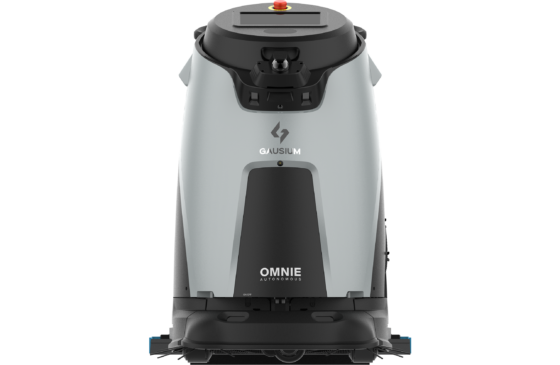
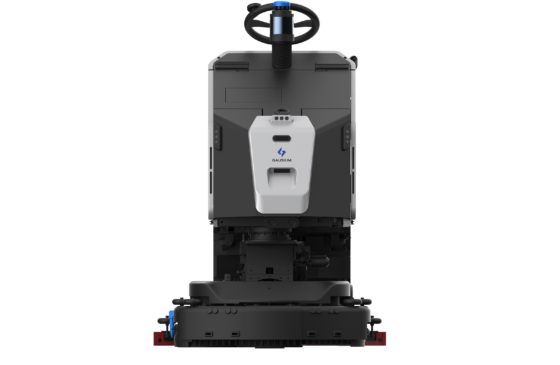
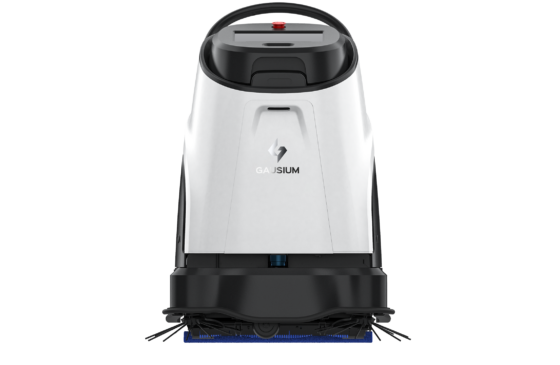
Lesen Sie die tägliche Liste noch einmal, und Sie werden ein Muster erkennen: Die unbeliebtesten, am häufigsten übersprungenen Aufgaben drehen sich alle um Wasser und Abfall – den Schmutzwassertank entleeren, den Filter spülen, die Absaugleiste reinigen. Genau diese Aufgaben sollten Gausium Mira und Marvel Ihrem Team abnehmen.
Der Selbstreinigungszyklus von Mira übernimmt automatisch Schmutzwassertank, Filterkorb und Absaugleiste – die drei Aufgaben, die bei Vernachlässigung die meisten Geruchsbeschwerden und Leistungsprobleme verursachen. Sein Design hält nassen und trockenen Abfall getrennt, sodass der Schmutzbehälter trocken bleibt und sich mit einem einzigen Kippen sauber entleeren lässt.
Die Kernaussage für die Planung der Wartung von Reinigungsroboter-Bodenschrubbern ist einfach: Jede Aufgabe, die eine Maschine automatisiert, ist Zeit, die Ihr Team mit Reinigen statt mit Warten verbringt – und eine Aufgabe weniger, die an einem stressigen Tag übersprungen wird. Wenn Sie die Gesamtbetriebskosten bewerten, gehört diese automatisierte Pflege in die Rechnung.
Laden Sie unsere einseitige tägliche, wöchentliche & monatliche Checkliste herunter und bewahren Sie sie neben Ihrer Ladestation auf.
Entleeren und spülen Sie den Schmutzwassertank nach jeder Schicht aus. Verschmutztes Wasser im Tank stehen zu lassen, ist die Hauptursache für Geruchs- und Bakterienbildung. Lassen Sie ihn mit offenem Deckel an der Luft trocknen, um Gerüche zu vermeiden.
Geruch entsteht fast immer durch stehendes Schmutzwasser im Schmutzwassertank oder eingeschlossenen Schmutz in Filter und Absaugleiste. Entleeren und spülen Sie den Tank täglich, reinigen Sie den Filterkorb wöchentlich, und lassen Sie alles an der Luft trocknen, um die Ursache zu beseitigen.
Tauschen Sie Bürsten aus, wenn Sie flache Stellen, aufgespleißte oder verkürzte Borsten oder einen deutlichen Rückgang der Reinigungsqualität bemerken. Prüfen Sie sie wöchentlich und vergleichen Sie sie monatlich mit den Verschleißgrenzwerten des Herstellers, damit Sie sie austauschen können, bevor die Leistung leidet.
Wischen Sie die Absaugleisten täglich ab und prüfen Sie sie auf Kerben, Risse oder Abflachungen. Abgenutzte Leisten hinterlassen Wasserspuren – wenden Sie sie also auf eine frische Kante oder tauschen Sie sie bei Bedarf aus, um die Böden trocken und streifenfrei zu halten.
Entleeren und trocknen Sie alle Tanks, um Geruch und Schimmel zu vermeiden, laden Sie den Akku auf das empfohlene Lagerniveau, schalten Sie die Maschine aus und bewahren Sie sie an einem sauberen, trockenen Ort auf.
Gute Wartung von Reinigungsroboter-Bodenschrubbern beruht auf Konsequenz, nicht auf Komplexität: ein paar Minuten täglich, eine kurze Kontrolle wöchentlich und ein gründlicherer Service monatlich. Bauen Sie diesen Rhythmus in Ihre Routine ein, und Ihre Maschinen werden es Ihnen mit längerer Lebensdauer, besseren Ergebnissen und weniger Ausfallzeiten danken. Und wenn Sie sich für eine Maschine wie Gausium Mira oder Marvel entscheiden – gebaut, um genau die Aufgaben zu automatisieren, die Teams am häufigsten übersehen –, verbringen Sie weniger Zeit mit der Pflege und mehr Zeit mit sauberen Böden.
Gausium ist ein führendes Unternehmen für KI-gestützte autonome Reinigungslösungen mit mehr als 6.500 Kunden in über 70 Ländern und Regionen. Zum Produkt- und Serviceangebot von Gausium zählen gewerbliche Bodenreinigungsroboter, Ladestationen, eine Cloud-Plattform und Anwendungssoftware, mit weiteren Lösungen in Entwicklung. Angetrieben von der Vision, die intelligente digitale Transformation der Reinigungs- und Servicebranche anzuführen, bietet Gausium das weltweit umfassendste Portfolio an gewerblichen Reinigungsrobotern und ermöglicht es Menschen, klüger zu arbeiten und erfüllendere Leben zu führen.

Step 1/2
Please select the type of business you’d like to have with Gausium.
Choose one item from the list
Step 2/2
Thanks for sharing your preference. Please fill out the form below, and we’ll get in touch shortly.
By clicking “Submit”, I authorize Gausium to contact me. Privacy Policy.
Thank you for filling out the form
By clicking “Submit”, I authorize Gausium to contact me. Privacy Policy.