




UP NEXT
Industrial Floor Sweepers for Dry Debris and Dust ControlOttobre 27, 2026

Ottobre 27, 2026
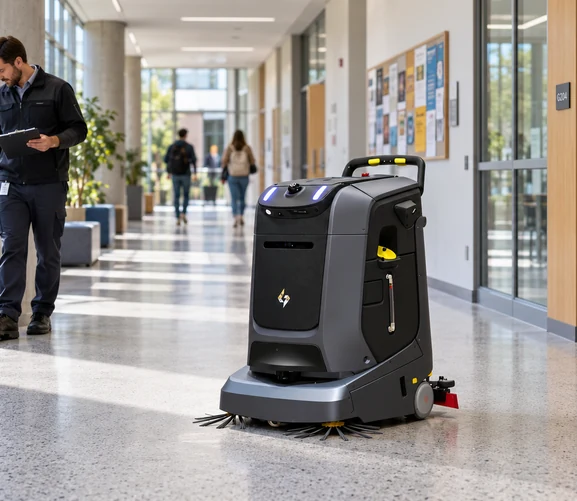
A corridor has been swept, but dust remains along the walls and marks are still visible on the floor. Has it been cleaned well enough? Without agreed expectations, the cleaning team, facilities manager and building occupants may give different answers.
APPA’s five cleaning levels provide a shared way to describe a facility’s appearance. Understanding the differences helps teams establish cleaning goals and assess the condition of their spaces.
This guide explains those levels, then connects them to daily floor care. It shows which tasks Gausium cleaning robots can support and how facilities teams can use task records alongside on-site inspections to assess the results.
“APPA cleaning standards” commonly refers to the appearance and service framework within APPA’s custodial guidelines. It supports conversations about cleaning expectations, resources and quality in educational facilities. The current reference is the Operational Guidelines for Educational Facilities: Custodial, Fourth Edition (2023).
|
Level |
APPA name |
Floors in APPA’s description |
Brief interpretation |
|
1 |
Orderly Spotlessness |
Floors and base moldings shine or look bright and clean, with no buildup in corners or along walls |
A thoroughly maintained appearance, including detailed areas |
|
2 |
Ordinary Tidiness |
Floors shine or look bright with no buildup in corners, though up to two days’ worth of dust, dirt, stains or streaks can be present |
A generally clean appearance, with minor soil noticeable on closer inspection |
|
3 |
Casual Inattention |
Floors are swept or vacuumed, but stains show on close observation, with buildup in corners and dull spots or matted carpet in walking lanes |
Visible soil and accumulation indicate gaps in cleaning attention |
|
4 |
Moderate Dinginess |
Floors are dull, dingy and stained, with obvious buildup in corners and a dull path or matted carpet in walking lanes |
Prominent dirt and buildup affect the overall appearance |
|
5 |
Unkempt Neglect |
Floors and carpets are dull, dirty, scuffed or matted, with old buildup in corners and visible gum, dust balls and trash |
Extensive accumulation shows a sustained lack of cleaning attention |
These are short explanatory summaries, not a complete inspection checklist. APPA’s Cleaning Operations chapter gives the full descriptions and explains how the framework is applied.
The levels address more than floors. Other surfaces and custodial responsibilities also contribute to a facility’s condition. Floor-cleaning equipment supports part of that work; it does not determine the overall level on its own.
APPA provides staffing benchmarks by room type and appearance level, taking cleaning tasks, frequencies and time requirements into account.
For the cleaning team, a useful instruction identifies both the work and the expected result. “Clean the corridor” leaves more room for interpretation than specifying debris collection, appropriate wet cleaning and attention to accessible edges.
Start with the floor material and the soil present. Loose grit and paper require collection. Residue on a compatible hard floor may require scrubbing. Carpet needs an appropriate vacuuming method, with periodic carpet care planned separately.
Then identify the areas to be covered. Open circulation space, furniture edges and obstructed corners may need different equipment or staff attention. Agree who handles each part so that a completed machine task does not leave an unassigned gap in the cleaning plan.
Inspection should also account for the surface itself. A matte floor is not dirty simply because it lacks gloss. Where marks remain, determine whether they are removable soil, damage or a condition requiring a different maintenance process.
Once those requirements are clear, the equipment decision becomes more specific: which floor tasks can a robot perform, and what work should remain with the team?
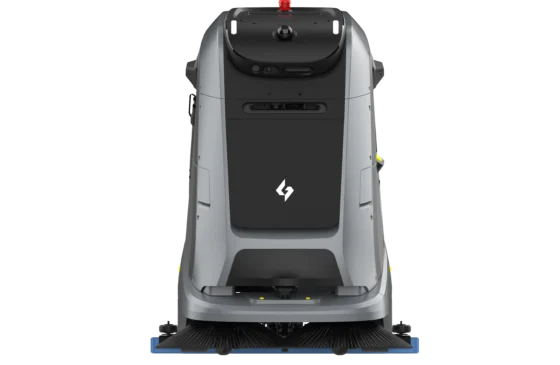
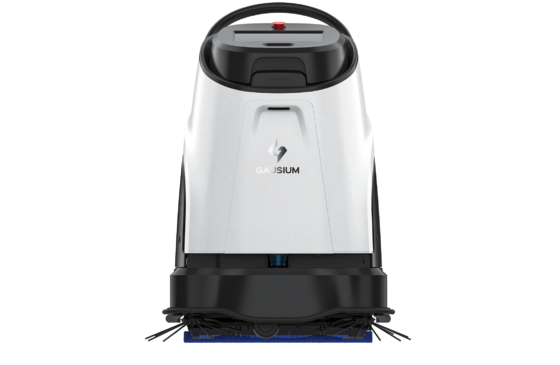
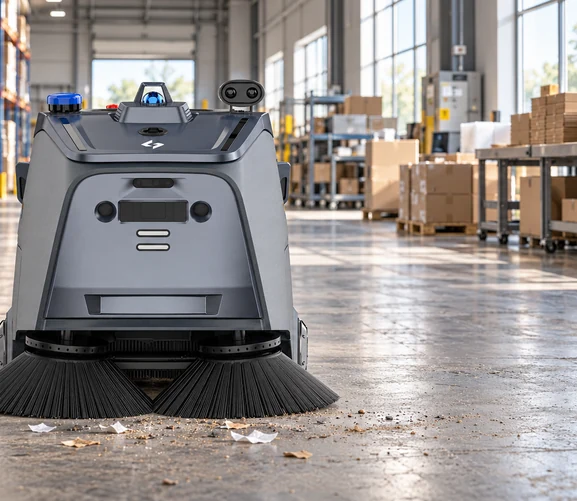
Entrances, corridors and common areas can need both loose-debris collection and wet cleaning. Gausium Mira performs sweeping and scrubbing simultaneously, providing a way to combine those functions for materials and floors within its capabilities.
For a facility currently preparing a floor before a separate scrubbing pass, this creates a concrete question to evaluate: how much of that preparation can the combined operation handle? Use the debris normally found in the area to establish what the machine collects and what staff still need to remove.
Mira is designed for midsize spaces and narrow aisles. Its suitability depends on the actual route, including access and turning space, as well as the cleaning workload. The name of the room alone is not enough to select a machine.
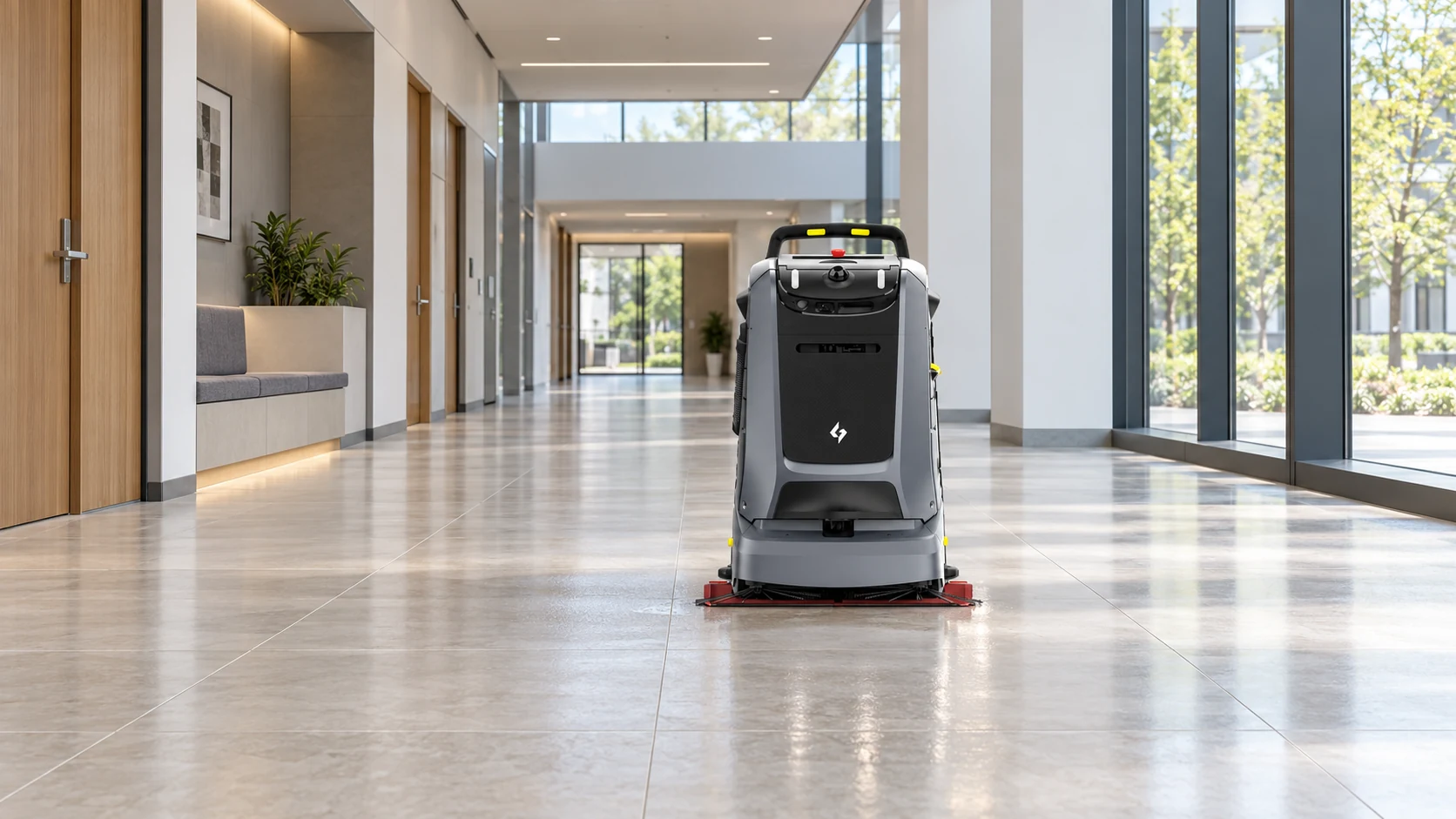
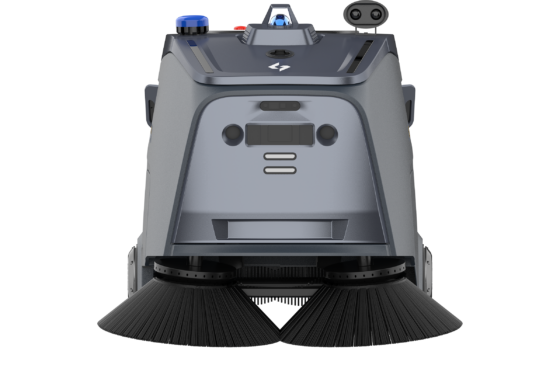
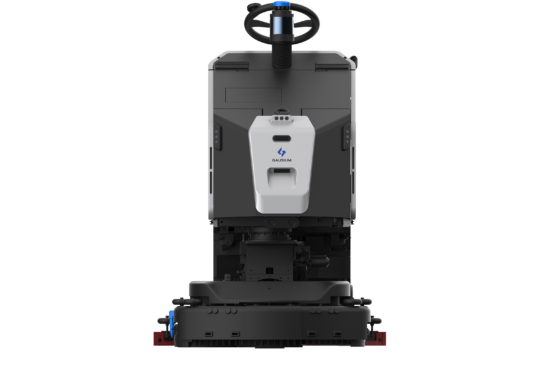
For large and complex spaces, Gausium Marvel also combines sweeping and scrubbing and offers dust mopping. Assess the required cleaning functions against the area’s layout and workload rather than assigning a model to an APPA level.
With either option, the result to check is practical: whether the relevant debris and soil have been removed, which areas were reached and what additional work is needed. A scheduled pass is useful when it delivers the floor-care task the team intended.
A campus building may have hard-floor corridors alongside carpeted offices or reading areas. These surfaces can share a cleaning plan while requiring different methods.
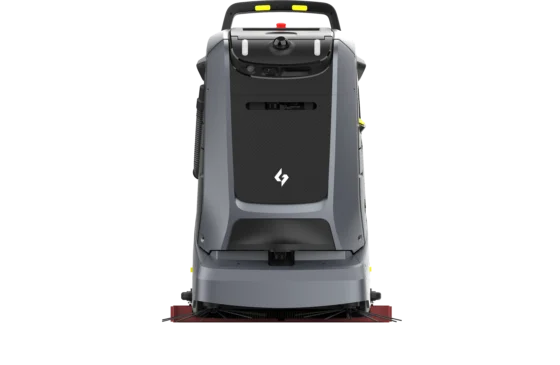
Gausium Phantas combines vacuuming, sweeping, scrubbing and dust mopping in a compact robot designed for small to midsize spaces. It supports compatible hard floors and low-pile carpet, giving teams several cleaning modes to match to their tasks.
For example, a facility can evaluate vacuuming in a low-pile carpeted area and scrubbing on a compatible hard floor as separate jobs. Check the result of each mode, the transitions along the route and the areas that remain outside the machine’s reach.
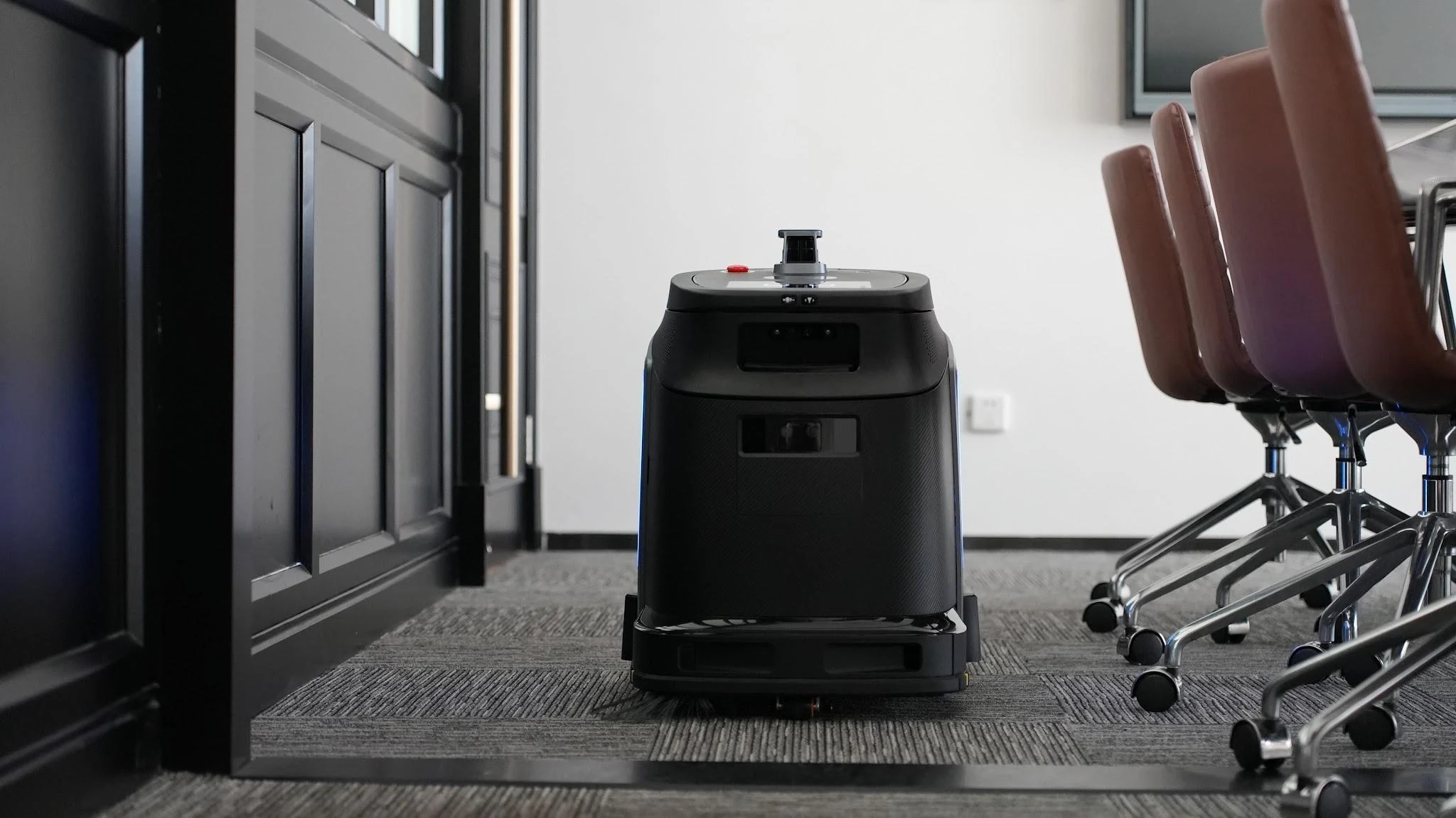
Where routine carpet vacuuming is the main requirement, Gausium Vacuum 40 offers light, medium and deep carpet-cleaning modes for different pile heights. On compatible hard floors, it sweeps and dust mops.
The distinction matters when specifying the work. Sweeping and dust mopping a hard floor collect suitable loose material; they do not provide wet scrubbing. Similarly, routine carpet vacuuming should sit alongside the property’s periodic carpet-maintenance plan.
Defining the task by surface and cleaning method gives staff a clear basis for inspection. They can check whether the assigned work was successful without expecting one mode to perform every type of floor care. For buildings that combine carpet and hard floors, see One Machine or Two? Cleaning Robots for Mixed-Floor Buildings.
Cleaning requirements continue while entrances, shared halls and circulation areas are in use. The available access can change as people move through a building or furniture and temporary items are repositioned.
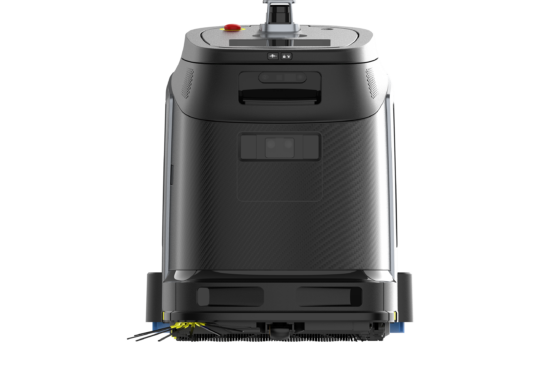
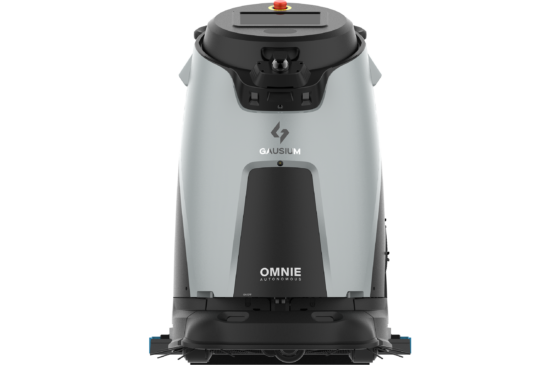
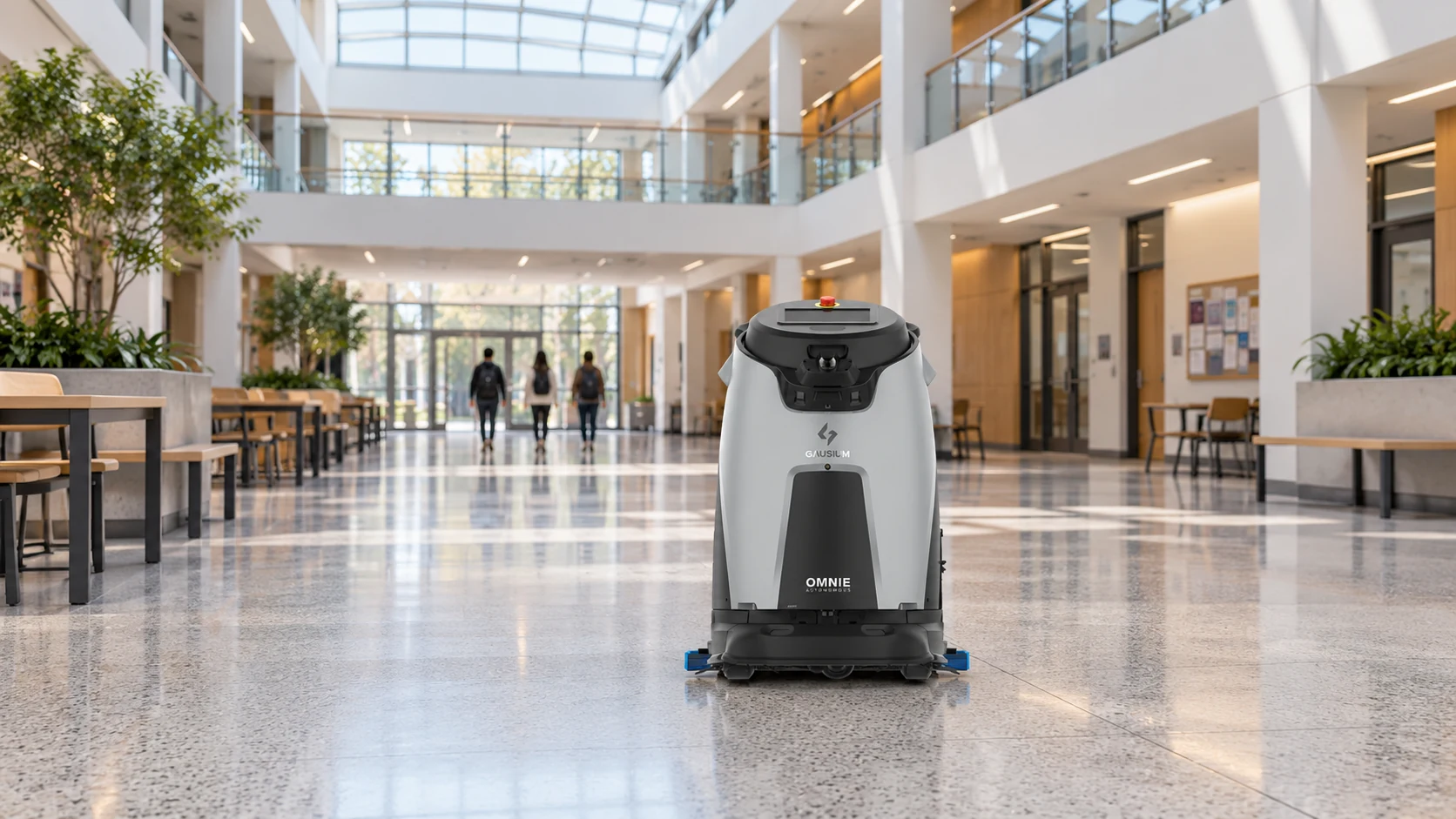
Gausium Omnie is designed for dynamic environments. It uses LiDAR and camera sensing and offers identification and cleaning of dry and wet waste. For areas with changing activity and floor conditions, these are capabilities to assess against the actual tasks and operating environment.
Plan cleaning by area rather than assuming the whole building has one usable window. Teaching schedules, opening hours and normal traffic can help identify when each task can run. Include the time needed for access, machine care and any staff support. For daytime cleaning in school buildings, see Gausium’s guide to cleaning robots in schools during the day.
Make the response to exceptions clear as well. Staff should know who handles an interrupted task, a blocked area or material unsuitable for the machine. The robot’s work then becomes part of the facility’s normal operation, with a defined way to address unfinished tasks.
Gausium robots can perform suitable floor tasks without someone continuously steering them. Facilities teams can assess how that changes the time available for other responsibilities, including restrooms, waste collection, furniture and detailed surface cleaning.
A practical allocation identifies the robot’s cleaning areas, the work staff complete around those areas and the person responsible for inspecting the result. It also assigns routine machine care and responses to operational issues.
Measure the actual staff involvement before reallocating work. Preparation, emptying, refilling and assistance may still be required, depending on the machine and installation. Autonomous running time is therefore a different measurement from staff time made available for other duties.
This approach makes the contribution of automation visible: the team can identify which tasks the robot has taken on, how much support they require and whether the overall cleaning plan is being completed.
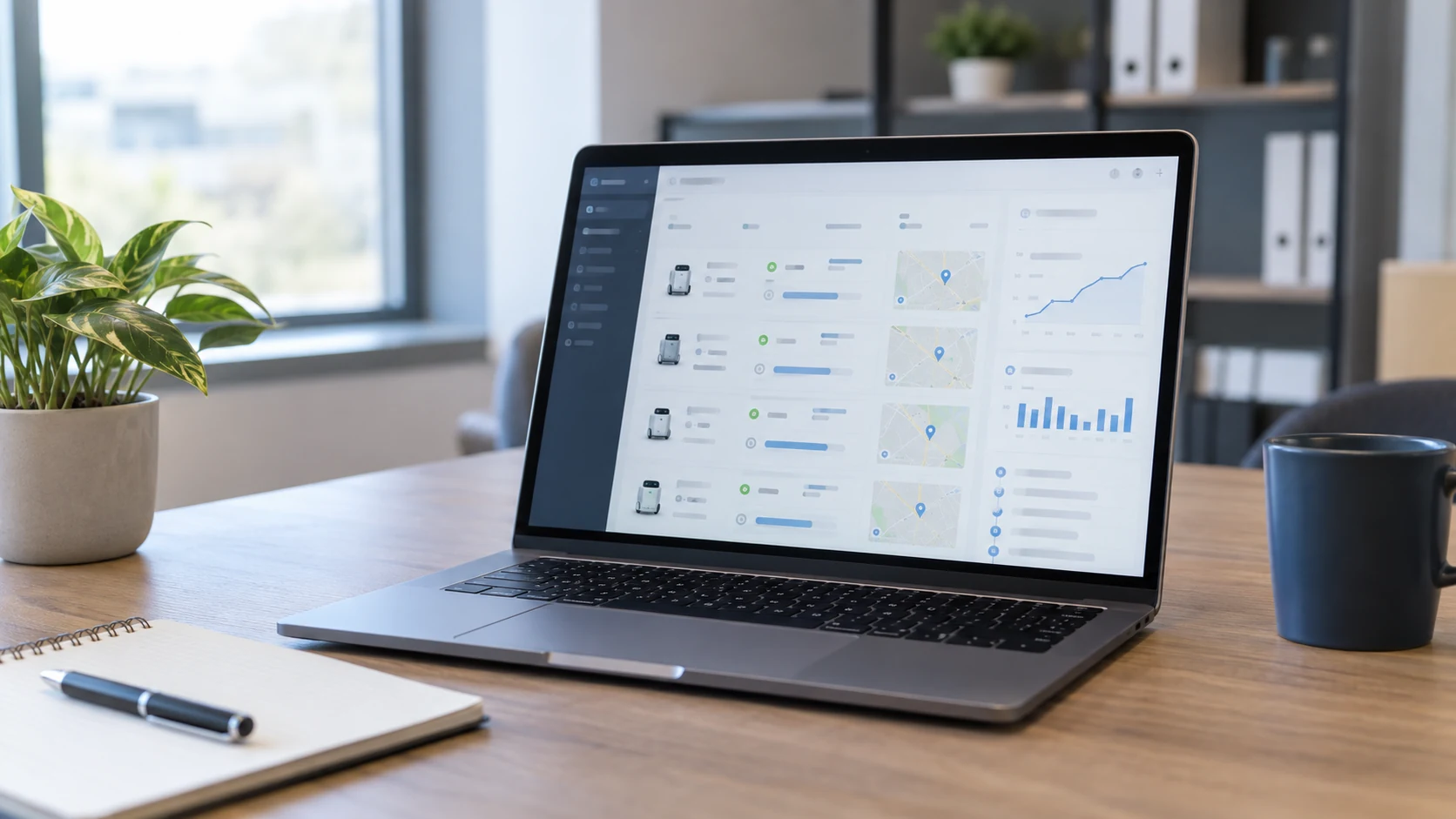
Gausium task reports can help managers review cleaning activity. The information available depends on the system, but operational records can support follow-up on task completion and issues that need attention. Gausium’s cleaning robot performance reporting guide explains their use in daily management.
An on-site inspection answers a different question: what condition is the floor in now?
Consider the corridor at the start of this article. If a robot task is complete but debris remains in one section, review the record alongside the location and timing of the inspection. The area may have been obstructed, may sit outside the assigned task or may have become dirty again afterward.
Each possibility calls for a different response. Clearing access, changing the cleaning time or assigning a supplementary task can address different causes. If the cleaning method itself is unsuitable, running the same task again may not resolve the problem.
Record the action taken and check the result. This connects the cleaning goal to execution and follow-up, rather than treating a completion status as proof of the finished condition.
For a facility introducing automation, choose an area where the task and expected result are clear. That might be sweeping and scrubbing an accessible hard-floor corridor or vacuuming a carpeted office area.
Assess the proposed setup against the existing requirement: cleaning quality, coverage, staff involvement and fit with building activity. Use those findings to decide which tasks to automate and how to organize the remaining work.
Gausium provides equipment and task-management tools for the floor-care portion of the operation. The facility’s overall APPA appearance level still requires assessment across the relevant cleaning responsibilities.
To evaluate suitable floor tasks for an educational facility, contact Gausium with the area’s floor materials, layout and cleaning requirements.
Consider the use of the space, service expectations and available resources. Translate the agreed target into tasks and inspection criteria, then assess whether the operating plan delivers the required result. A simplified area-per-person figure cannot establish what every facility will achieve.
At Level 2, floors remain bright and clean, with no buildup in corners or along walls, although some dust, dirt, stains or streaks may be present. At Level 3, stains show on close observation, buildup appears in corners and walking lanes can look dull or matted.
Yes. APPA’s descriptions refer to vacuumed floors and to matted carpet in walking lanes at Levels 3 and 4, and to matted carpets at Level 5. Carpet condition is part of how a space is judged.
Not necessarily. A facility can establish cleaning targets for different spaces according to their use and service requirements. Each target should be translated into clear tasks and inspection criteria.
Through inspections and a quality assurance process. APPA describes site visits by supervisors, customer conversations and surveys, and a log of compliments and complaints. Its custodial training covers five service levels and 18 evaluation attributes.
They can support suitable routine floor-cleaning tasks and provide records that help teams manage execution. Other cleaning responsibilities and on-site inspections remain necessary. A robot’s completed task does not, by itself, establish the facility’s overall APPA level.
APPA first established and defined the appearance levels in its Custodial Staffing Guidelines, published in 1992. The current reference is the Fourth Edition of the Operational Guidelines for Educational Facilities: Custodial, published in 2023.
Step 1/2
Please select the type of business you’d like to have with Gausium.
Choose one item from the list
Step 2/2
Thanks for sharing your preference. Please fill out the form below, and we’ll get in touch shortly.
By clicking “Submit”, I authorize Gausium to contact me. Privacy Policy.
Thank you for filling out the form
By clicking “Submit”, I authorize Gausium to contact me. Privacy Policy.