




UP NEXT
4 Machine Capabilities for Floor Cleaning in Occupied Public BuildingsAgosto 26, 2026

Agosto 31, 2026
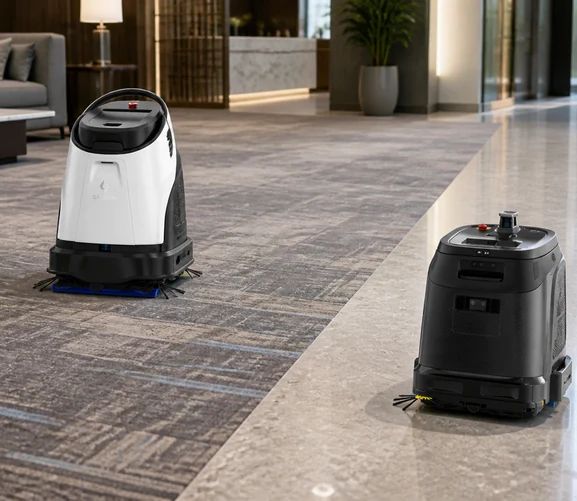
Mixed flooring is the normal condition in commercial buildings. A hotel has stone at reception and carpet down every guest corridor; an office has vinyl in service areas, stone at the entrance and carpet across the workstations.
The question at specification stage is not which machine cleans carpet best. It is whether one machine can serve both surfaces, or whether the building needs two.
Two conditions decide it:
Where high-pile carpet or wet scrubbing is involved, most sites require two machines. This guide sets out how to establish which case applies, and how the work divides when it is two.
Pile height is where machines in the same category separate, and it is the one variable that scheduling cannot correct later.
Low-pile carpet tile, the standard in corridors and open-plan floors, is what mixed-floor machines are built around. High-pile carpet in suites and event space requires the suction and brush geometry to reach the base of the fiber.
Treat the applicable flooring list on a product page as the boundary, since that is the manufacturer’s commitment. Vacuum 40 lists high-pile carpets and low-pile carpeting. Phantas lists low-pile carpeting.
Measure the pile in each carpeted zone and bring those figures to the specification, so the recommendation is made against the actual carpet rather than a category.
The second variable is water, and it is unambiguous.
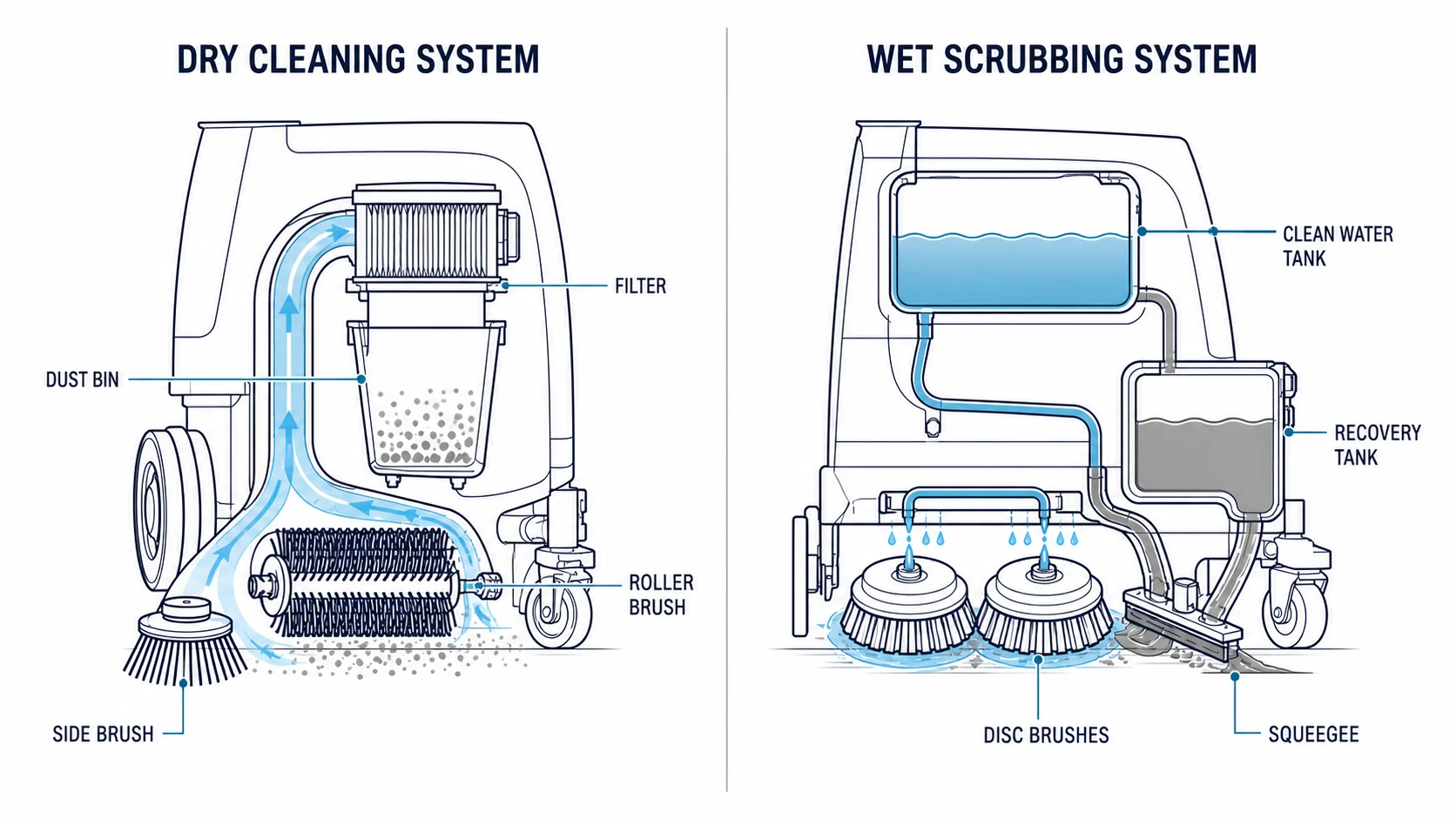
Dry cleaning on carpet is suction plus mechanical agitation; on hard floor it is sweeping with a dry mop pass. One chassis handles both. Wet scrubbing is a different mechanism: clean and recovery tanks, a brush deck, a squeegee and a drying pass.
Carrying that hardware costs working width, which is why a machine that scrubs and vacuums cleans a narrower path in each mode than a single-purpose machine.
Four patterns cover most commercial buildings.
Carpet dominant, low pile throughout, hard floors need no wash. One machine. A commercial robotic vacuum runs the corridors and covers the lobby and back of house as a secondary duty. This is the most common hotel and office profile.
Low-pile carpet with hard floors that require washing. One machine, where the site is small to midsize. A multi-mode robot scrubs the hard floor and vacuums the carpet, with the wet mode restricted to hard-floor zones. Expect narrower working widths and more frequent tank stops.
Any meaningful area of high-pile carpet, plus hard floors that require a wash. Two machines. No single configuration serves both conditions adequately, and specifying one is how a site ends up assessing automation by a zone the machine was never specified for.
Hard floor dominant, carpet confined to a few rooms. Place the robot on the hard floor and retain manual coverage on the carpet, at least initially. A second machine for two meeting rooms rarely justifies itself, and adding a vacuum later is simpler than replacing a machine that suits neither surface.
Both are specified for carpet and hard floor, and they divide the work differently.
|
|
Vacuum 40 |
Phantas |
|
Carpet types listed |
High-pile carpets, low-pile carpeting |
Low-pile carpeting |
|
Hard floors listed |
Concrete, natural stone, PVC vinyl, ceramic tiles, epoxy, hardwood |
Ceramic tiles, natural stone, PVC vinyl, hardwood, epoxy, concrete |
|
Cleaning modes |
Vacuuming and sweeping; dry mopping with the add-on mop |
Vacuuming, sweeping, scrubbing, dust mopping |
|
Wet scrubbing |
Dry pass only |
Yes |
|
Working width |
720 mm with side brushes |
465 mm vacuuming and sweeping; 330 mm scrubbing and dust mopping |
|
Minimum pass width |
800 mm |
650 mm |
|
Dust capacity |
12 L bag |
6 L bag, rated to hold three to seven days’ dust |
|
Water capacity |
Not applicable |
11.5 L clean, 10.5 L waste |
|
Quiet mode |
Not published |
Supported, 60 dB or below |
|
Floor transition |
Identifies floor type with 3D cameras and switches mode |
Wet mode zoned in the cleaning map |
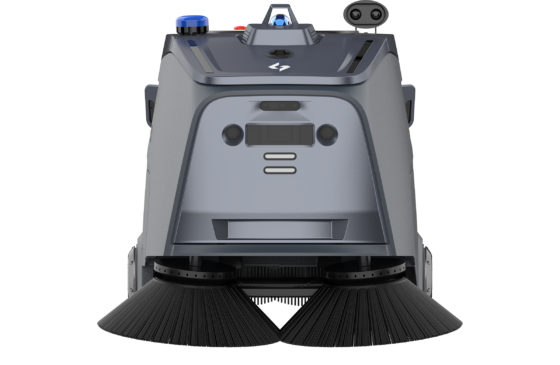
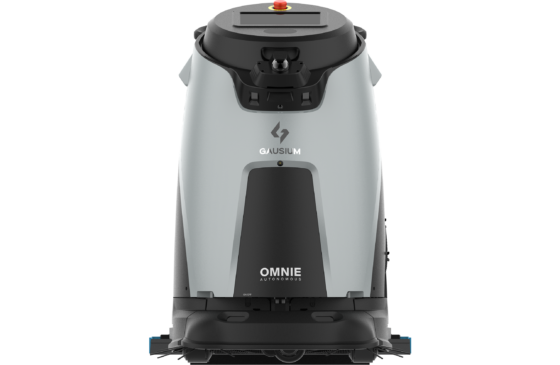
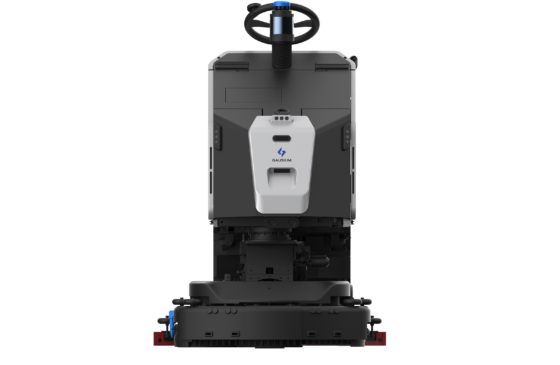
Vacuum 40 is the carpet machine. It covers the wider pile range and the larger area per pass, and its role on hard floor is a dry secondary duty. Where carpet performance itself is the deciding factor, the fuller assessment is in choosing a robotic vacuum for commercial carpets.
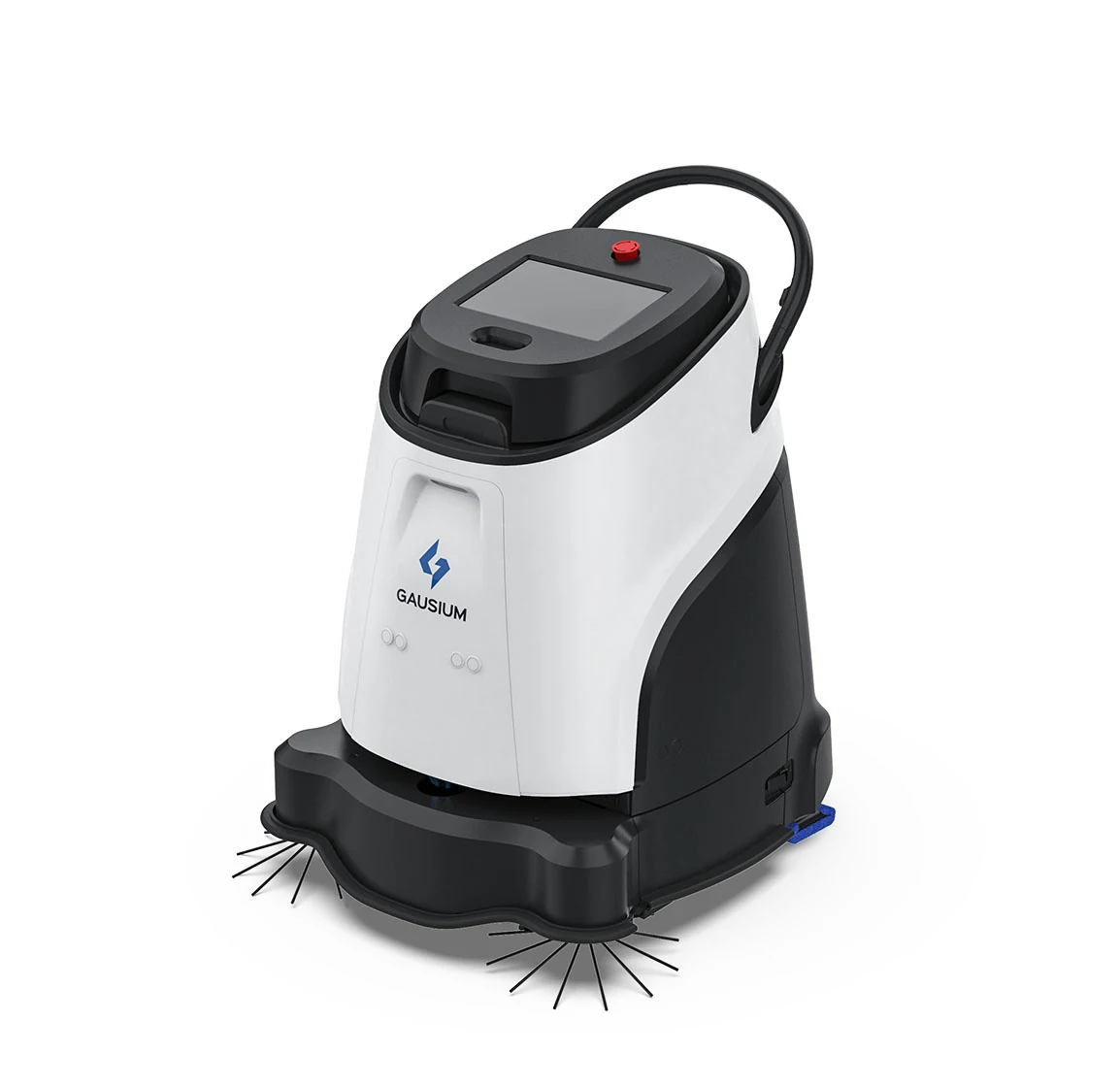
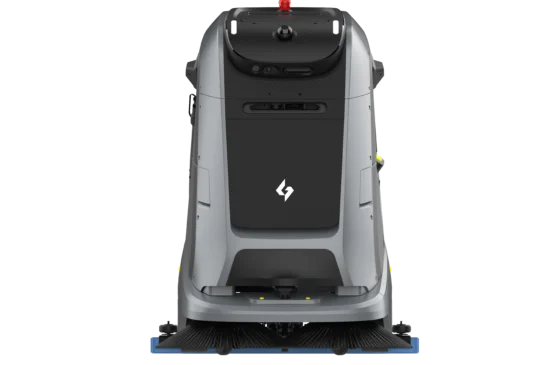
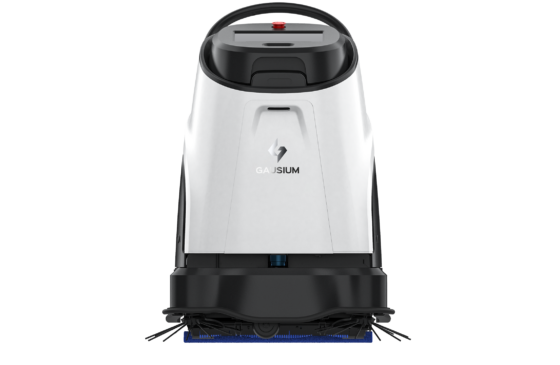
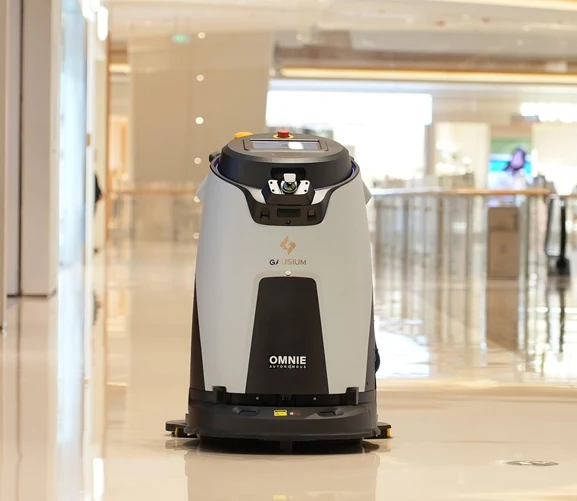
Phantas is the mixed-mode machine. It brings wet scrubbing, a 650 mm minimum pass width for furnished space, and a quiet mode at 60 dB or below, at the cost of a narrower working width and lower carpet coverage.
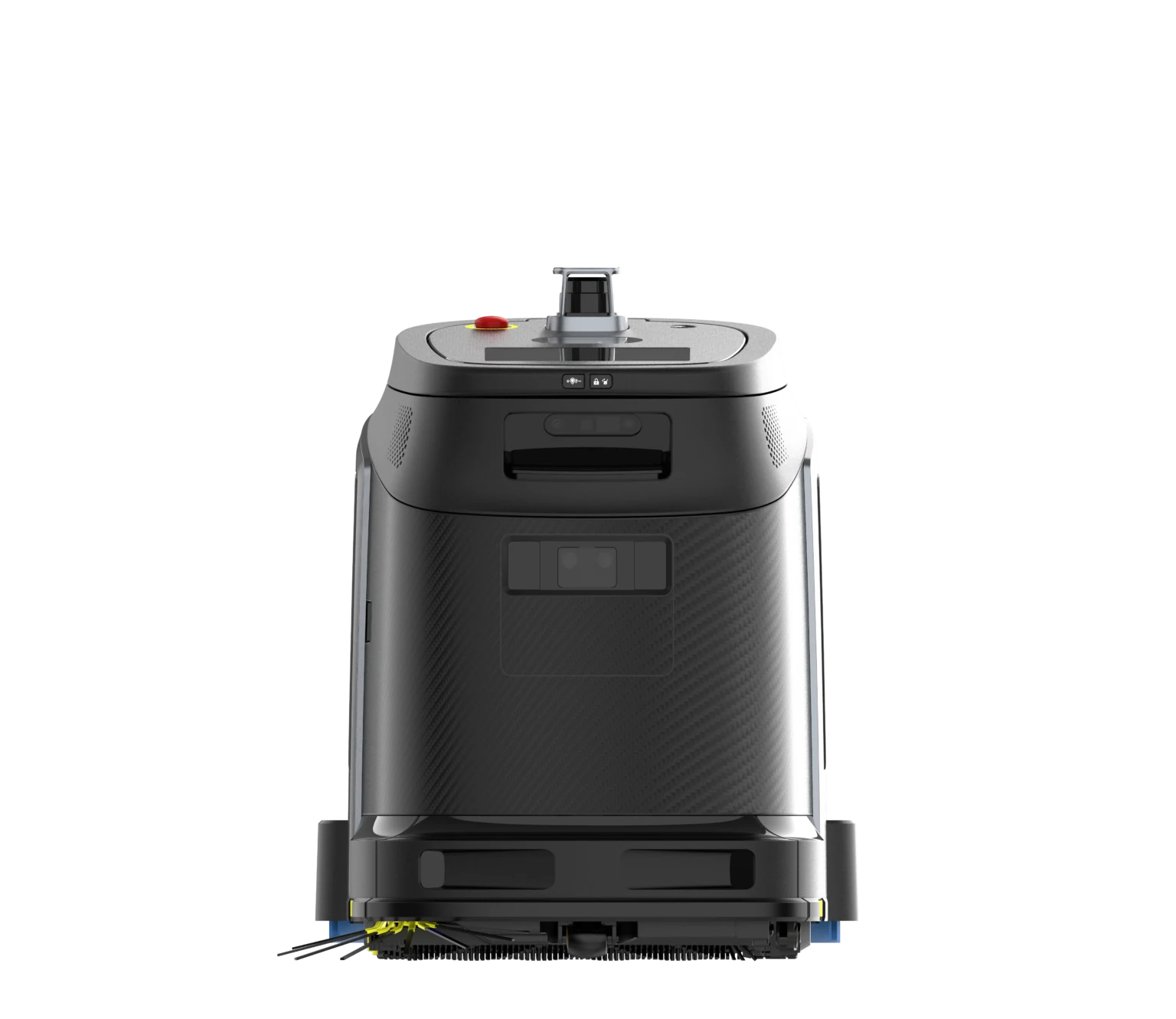
Specifications: Vacuum 40 and Phantas.
Any mixed-floor deployment needs a defined mechanism at the transition, and there are two.
Automatic floor recognition. Vacuum 40 identifies the floor type using 3D cameras and switches to the appropriate mode. The transition is handled by the machine.
Map zoning. The wet mode is restricted to hard-floor zones in the cleaning map, and the machine is not permitted to run that mode elsewhere. The transition is handled by configuration.
Three points to settle at commissioning:
The third is the one most often left open. A map that no longer matches the floor will either skip a zone or take a wet mode somewhere it should not go, and neither is visible in a completed task report.
Where the answer is two machines, the split is by surface and area rather than by department or floor.
Divide the building once, in writing. Each zone is assigned to one machine, with no zones claimed by both. Overlapping assignments produce duplicated passes in some areas and gaps in others.
Schedule the two machines against different windows. A carpet run in occupied corridors and a wet scrub in a back-of-house area have different constraints, and separating them prevents both machines competing for the same corridor or charging position.
Keep one map convention and one owner. Zone names should match across both machines so that reports can be compared, and one person should hold responsibility for route changes.
Confirm docking positions for both. Each machine needs its own position with permanent power, clear of accessible and escape routes. A workstation with water and drainage carries an additional siting constraint.
Three inputs settle most mixed-floor decisions:
With those prepared, the configuration generally resolves itself, and the discussion with a supplier becomes a specification exercise rather than a demonstration.
Request a site assessment and have the evaluation run across a genuine transition, where carpet meets hard floor in a working area, rather than on a single uniform surface.
In many buildings, yes. The conditions are that the carpet falls within the model’s listed pile range and the hard floors require only a dry pass. High-pile carpet, or hard floors needing a wet scrub, generally means two machines.
Use the applicable flooring list on the product page as the boundary, then measure the pile in each carpeted zone and include those figures in the enquiry, so the recommendation is made against the actual carpet.
Either the machine recognizes the surface, which Vacuum 40 does using 3D cameras, or the wet mode is restricted to hard-floor zones in the cleaning map. Determine which applies before commissioning and restrict editing rights afterwards.
It must be updated, and responsibility for that should be assigned at procurement. An outdated map can skip a zone or apply a wet mode where it does not belong, and neither appears as a fault in a completed task report.
Assign each zone to one machine only, then schedule the two against different windows so they do not compete for the same corridor or charging position. Keep one map convention and one owner for route changes.
Phantas, on minimum pass width. It requires 650 mm against 800 mm for Vacuum 40, which is the difference between working around furniture and being confined to open floor.
Step 1/2
Please select the type of business you’d like to have with Gausium.
Choose one item from the list
Step 2/2
Thanks for sharing your preference. Please fill out the form below, and we’ll get in touch shortly.
By clicking “Submit”, I authorize Gausium to contact me. Privacy Policy.
Thank you for filling out the form
By clicking “Submit”, I authorize Gausium to contact me. Privacy Policy.