




UP NEXT
Efficiency, Ethics, ESG: Why Autonomous Cleaning Technology Leads the WayAprile 28, 2025

Giugno 26, 2025
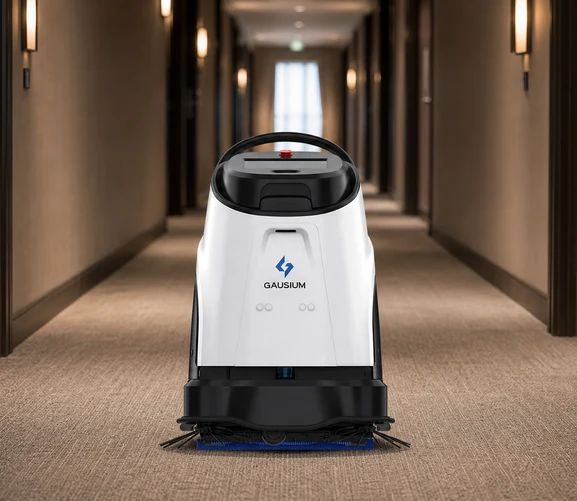
Choosing a robotic vacuum for commercial carpets starts with the work the building needs done. Guest corridors, offices and meeting rooms differ in carpet type, furniture layout and the times available for cleaning.
Check pickup on the actual carpet, then plan routes around guests, staff and room bookings. Charging, dust-bag care and filter maintenance also need a place in the daily routine.
This guide explains how to assess those requirements, where Gausium Vacuum 40 fits, and what to verify during a site trial.
Commercial carpet cleaning usually involves a defined service area, a recurring schedule and a result that someone must verify. The purchasing decision should reflect these requirements rather than treating the machine as a larger household appliance.
Prepare a short site brief before comparing products. Record the carpet types, the area available for machine cleaning, narrow passages, floor transitions and the hours when work can take place. Include the normal furniture layout: a floor plan without chairs, housekeeping carts or temporary displays can overstate accessible coverage.
Also separate routine vacuuming from periodic carpet care. Removing everyday dry soil does not replace the appropriate treatment of stains or a specialist deep-cleaning program.
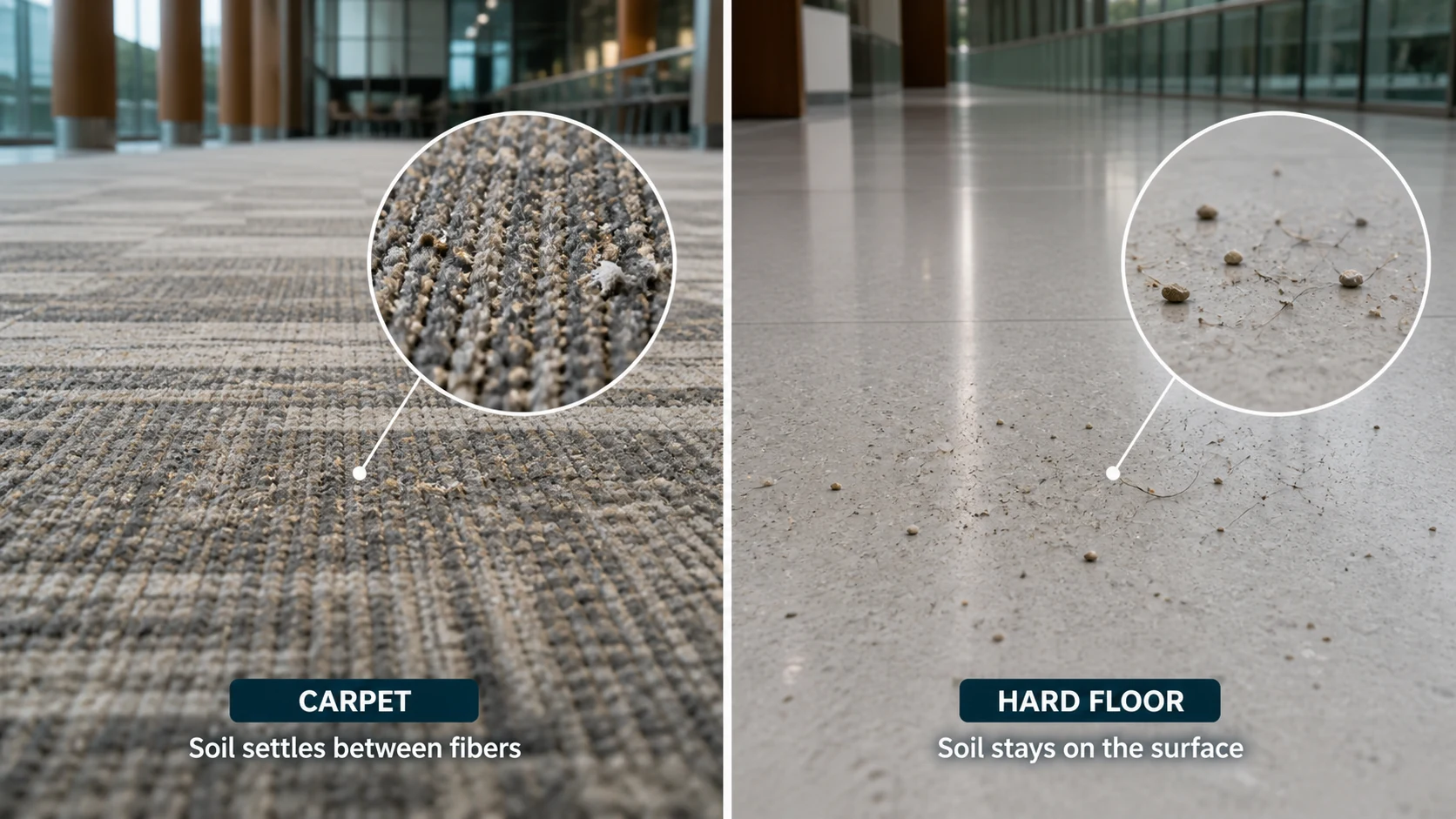
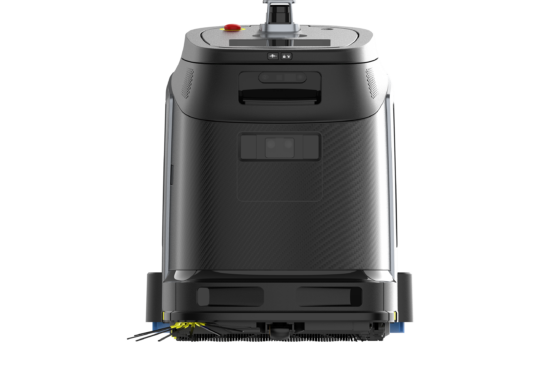
Start with carpet compatibility. Identify the carpet construction and pile height in each zone and confirm they fall within the machine’s applicable flooring types. Gausium Vacuum 40 offers three carpet cleaning modes, light, medium and deep, for different pile heights.
Assess suction, airflow and brush action together. Vacuum pressure and airflow describe how strongly the machine pulls air, but the brush determines whether soil embedded in the fiber is loosened so the airflow can carry it away. Vacuum 40 pairs its suction with an anti-static roller brush, which is relevant on synthetic commercial carpet where static holds fine dust against the fiber.
In occupied areas, filtration matters as much as pickup. Vacuum 40 uses an H13 HEPA filter. Capacity and access then decide whether the machine can finish its route: dust bag size sets how often it needs emptying, practical cleaning efficiency sets how much area fits into the available window, and minimum pass width sets which corridors it can reach.
|
Vacuum 40 specification |
Value |
|---|---|
|
Maximum vacuum pressure |
24 kPa |
|
Maximum airflow |
120 m³/h |
|
Filtration |
H13 HEPA |
|
Dust bag capacity |
12 L |
|
Practical cleaning efficiency |
400–800 m²/h |
|
Minimum pass width |
800 mm |
See the Vacuum 40 specifications. Specifications are based on laboratory testing; actual performance may vary by site conditions.
Vacuum 40 remains a vacuum rather than a scrubber: hard floors receive a dry pass, not a wash. Where wet scrubbing is also required, plan it as a separate machine or task.
Finally, confirm the result on the actual carpet. Ask for a demonstration on a representative section with its usual soil load, including edges and areas affected by repeated foot traffic, and record repeated passes or areas that remain inaccessible.
Factory aisles, loading areas and warehouse floors require a different assessment from carpeted interiors. Match dry debris collection and wet scrubbing to the actual floor condition.
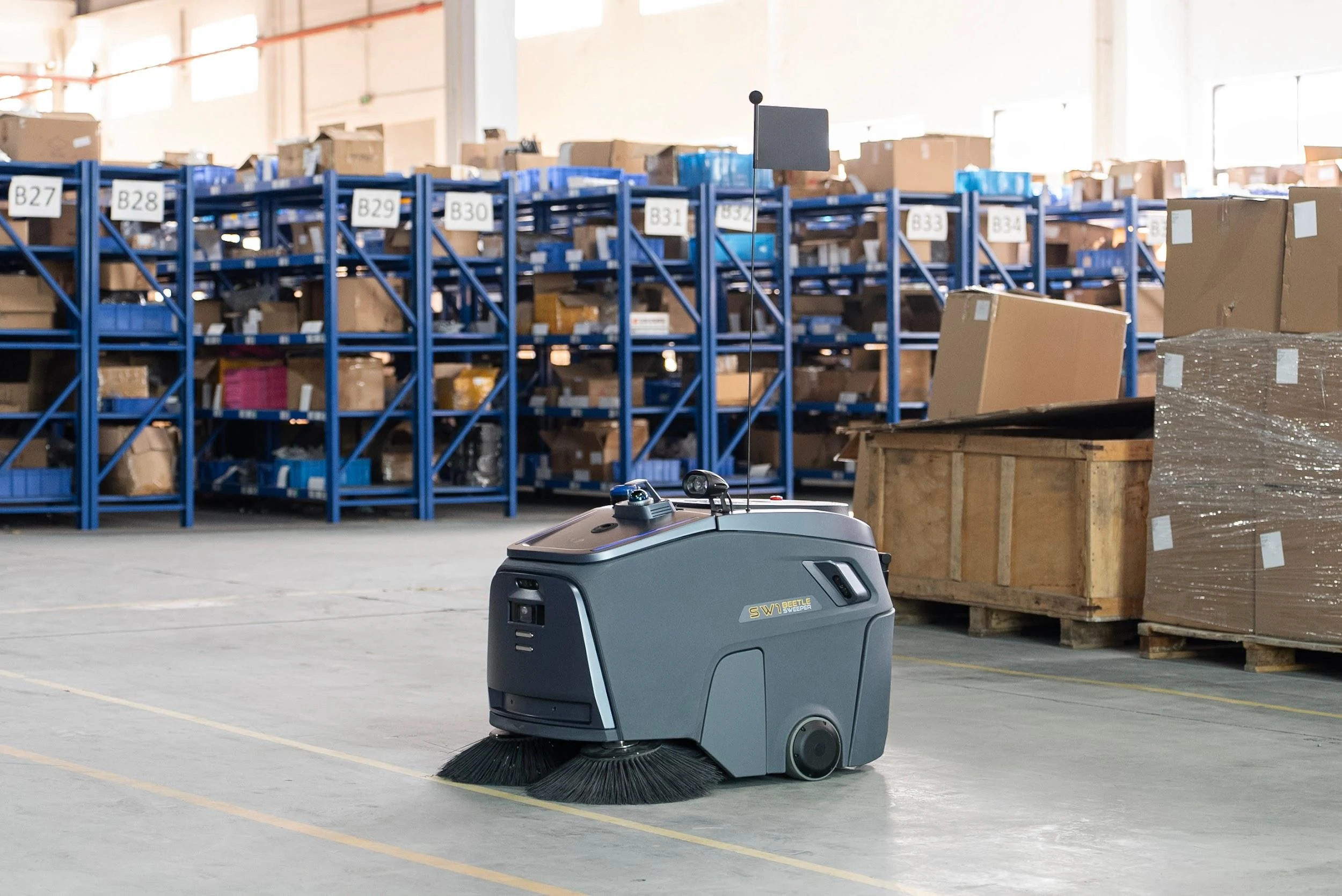
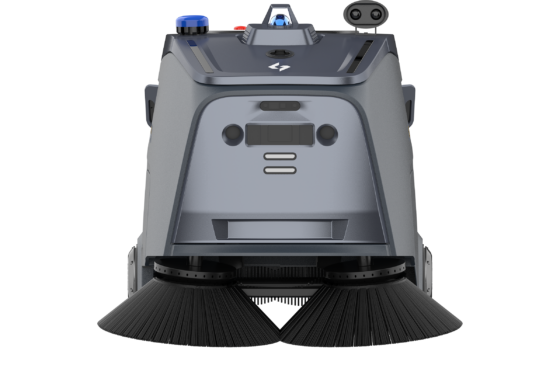
For bulk dry debris, Gausium’s model is Beetle, a heavy-duty autonomous sweeper that is not specified for carpet. For these applications, see our industrial floor scrubber selection guide.
|
Area |
Planning priority |
What to check during a trial |
|---|---|---|
|
Hotel guest corridors |
Coordinate with guest activity and housekeeping rounds. |
Noise near rooms, access around carts and completion within the agreed window. |
|
Open-plan offices |
Account for desks, chairs and occupied work areas. |
Accessible floor coverage, route interruptions and the result around furniture. |
|
Meeting and conference areas |
Fit cleaning around bookings and layout changes. |
How the plan is adjusted after tables or chairs are rearranged. |
|
Carpet and hard-floor transitions |
Match the cleaning method to each surface. |
Reliable transitions and whether the hard floor needs dry pickup or wet washing. |
Occupied-hours cleaning should be assessed as a complete operating arrangement. Filtration is one consideration, but a filter rating alone does not establish that the machine is suitable beside guests or working staff. Sound, routes, access and the building’s operating rules also matter.
Nor is overnight cleaning automatically the best choice. In hotels, quiet daytime windows may be more appropriate; in offices, after-hours access may be easier. Decide through site observation rather than a universal scheduling rule.
A useful daily plan includes emptying, brush inspection, filter care and charging. Ask how much attention these tasks require under the site’s actual soil conditions and where they can be carried out without obstructing circulation.
Vacuum 40 supports automatic charging with an optional dock and remote task access through the Gausium App. Charging support does not eliminate the need to care for the dust-collection system.
Allocate responsibility clearly. One person may check the equipment before a shift, while another reviews completion. A defined handover makes the routine more dependable than leaving everyone to assume that someone else has checked it.
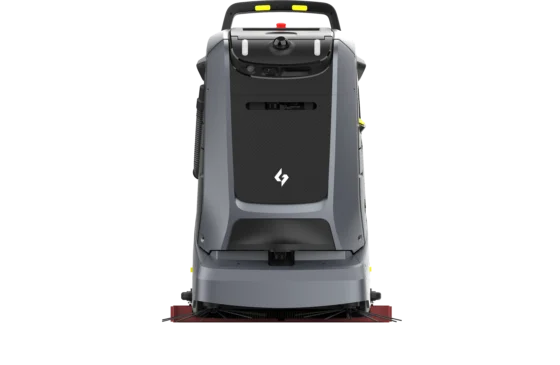
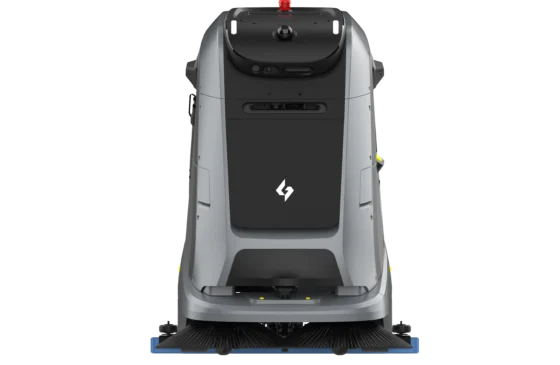
At InterContinental Wien, one Vacuum 40 (Diffuser Version) serves 12 guest floors, the lobby and basement, while one Phantas serves the mezzanine. The example illustrates a useful planning principle: select equipment around the work in each zone instead of expecting one specification to settle every requirement in a building.
For mixed-floor facilities, the choice may involve a dedicated vacuum, a multi-mode machine or a combination. The deciding factors are the surfaces, cleaning tasks and available operating windows—not simply the number of machines.
A robot vacuum performs the routine dry pass. It does not carry out hot-water extraction, interim encapsulation or bonnet cleaning.
It also does not treat stains, respond to spills, or maintain entrance matting, which is where most soil enters a building.
Periodic deep carpet care remains on its own cycle, and bag changes, brush clearing and filter checks remain manual tasks. Defining that scope clearly is what makes the daily pass dependable.
Use a normal working route and record:
Repeat the assessment under representative conditions before setting the final schedule. A single quiet demonstration may not reveal the effects of normal traffic.
A commercial robot vacuum should help make routine carpet care consistent and manageable. Bring the floor layout, carpet information and intended schedule to a Gausium site discussion so the proposed solution can be evaluated against the work that matters.
For commercial carpet in occupied buildings, the criteria that matter are pile-height coverage, brush and suction working in combination, HEPA-class exhaust, and sufficient capacity to complete a shift without interruption.
Vacuum 40 is Gausium’s model for this application, and its published carpet specification should be assessed against the conditions on site. Where the requirement is an industrial floor, the answer is a different machine class.
To progress an evaluation, request a site assessment and a trial in the most demanding carpeted zone, with three inputs prepared: the measured area, the carpet pile height and the available cleaning window.
A commercial robotic vacuum specified for the carpet pile height in question. In Gausium’s range this is Vacuum 40, which offers three carpet cleaning modes, an anti-static roller brush, 24 kPa maximum vacuum pressure and an H13 HEPA filter.
There is no single industry threshold. Measure the pile in each carpeted zone and compare it with the model’s applicable flooring types. Vacuum 40 lists high-pile carpets and low-pile carpeting; Phantas lists low-pile carpeting.
Fill rate follows soil load rather than the calendar, so a figure from another building does not transfer. Record the area cleaned between two changes during a trial and use that as the basis for scheduling.
The roller brush, the filter and the dust bag. Brushes should be replaced when flat spots, splayed or shortened bristles, or a clear drop in cleaning quality become apparent, as set out in the maintenance checklist.
Gausium Cloud Platform and the Gausium App can help the team review task completion and operational data. Carpet condition and cleaning quality still need to be checked on site.
No. Beetle is a heavy-duty autonomous sweeper for industrial floors, and carpet is not among its applicable flooring types. Carpeted interiors require a commercial robotic vacuum.
No. It automates the routine dry pass. Extraction, stain treatment and spill response remain periodic manual tasks on their own schedule.
Gausium is a leading company of AI-powered autonomous cleaning solutions with more than 4,000 customers in more than 70 countries and regions. Products and services of Gausium include commercial floor cleaning robots, docking stations, cloud platform and application software, and more in the pipeline. Driven by a vision to lead the intelligent digital transformation of the cleaning and service industry, Gausium offers the world’s most comprehensive portfolio of commercial cleaning robots, empowering individuals to work smarter and lead more fulfilling lives.
Step 1/2
Please select the type of business you’d like to have with Gausium.
Choose one item from the list
Step 2/2
Thanks for sharing your preference. Please fill out the form below, and we’ll get in touch shortly.
By clicking “Submit”, I authorize Gausium to contact me. Privacy Policy.
Thank you for filling out the form
By clicking “Submit”, I authorize Gausium to contact me. Privacy Policy.