




UP NEXT
Which Cleaning Robots Can Adapt to Facilities With Frequent Layout Changes?Ottobre 20, 2026

Ottobre 20, 2026
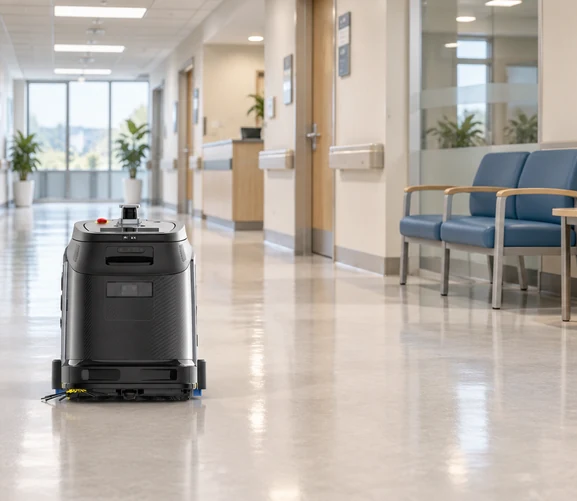
Floor cleaning in hospitals and clinics has to fit around ongoing medical services. Beds and equipment move through corridors, foot traffic in waiting areas changes with clinic hours, and noise needs to be controlled near patient rooms. Cleaning has to be completed on time while keeping disruption to patients and staff to a minimum.
Choosing a hospital cleaning robot therefore starts with defining which tasks are suitable for automation, and then assessing whether a robot can complete those tasks in the actual environment. Cleaning capability, performance in traffic, daily maintenance and service support all belong in the purchasing decision.
This guide covers autonomous floor cleaning robots for sweeping, vacuuming and scrubbing. It sets out the criteria healthcare facilities should consider and explains how an on-site pilot can confirm suitability.
Before looking at product specifications, review the existing cleaning plan: which areas are cleaned, with what method, how often, and during which time windows.
Requirements differ between areas of a healthcare facility.
|
Area |
What to understand on site |
What it means for robot evaluation |
|
Entrances and lobbies |
Dust and water tracked in from outside, changing foot traffic, floor materials |
Confirm the cleaning method, behavior around people and cleaning frequency |
|
Corridors and connecting routes |
Beds and carts moving through, equipment parked temporarily, narrowest passages |
Verify passability and how the robot handles blocked routes |
|
Waiting areas |
Seating layout, people waiting, available cleaning windows |
Confirm the area the robot can actually reach and what staff still need to cover |
|
Offices and administrative areas |
Number of rooms, furniture layout, distribution of carpet and hard floors |
Determine vacuuming or scrubbing needs and access to rooms |
|
Patient rooms and other patient-care areas |
Care schedules, area-specific requirements, patient activity |
The facility decides whether a robot is suitable and what its scope would be |
Area names are only a starting point. Two waiting areas can differ in furniture layout, patient flow and cleaning requirements. The robot’s scope should be based on how each area actually works.
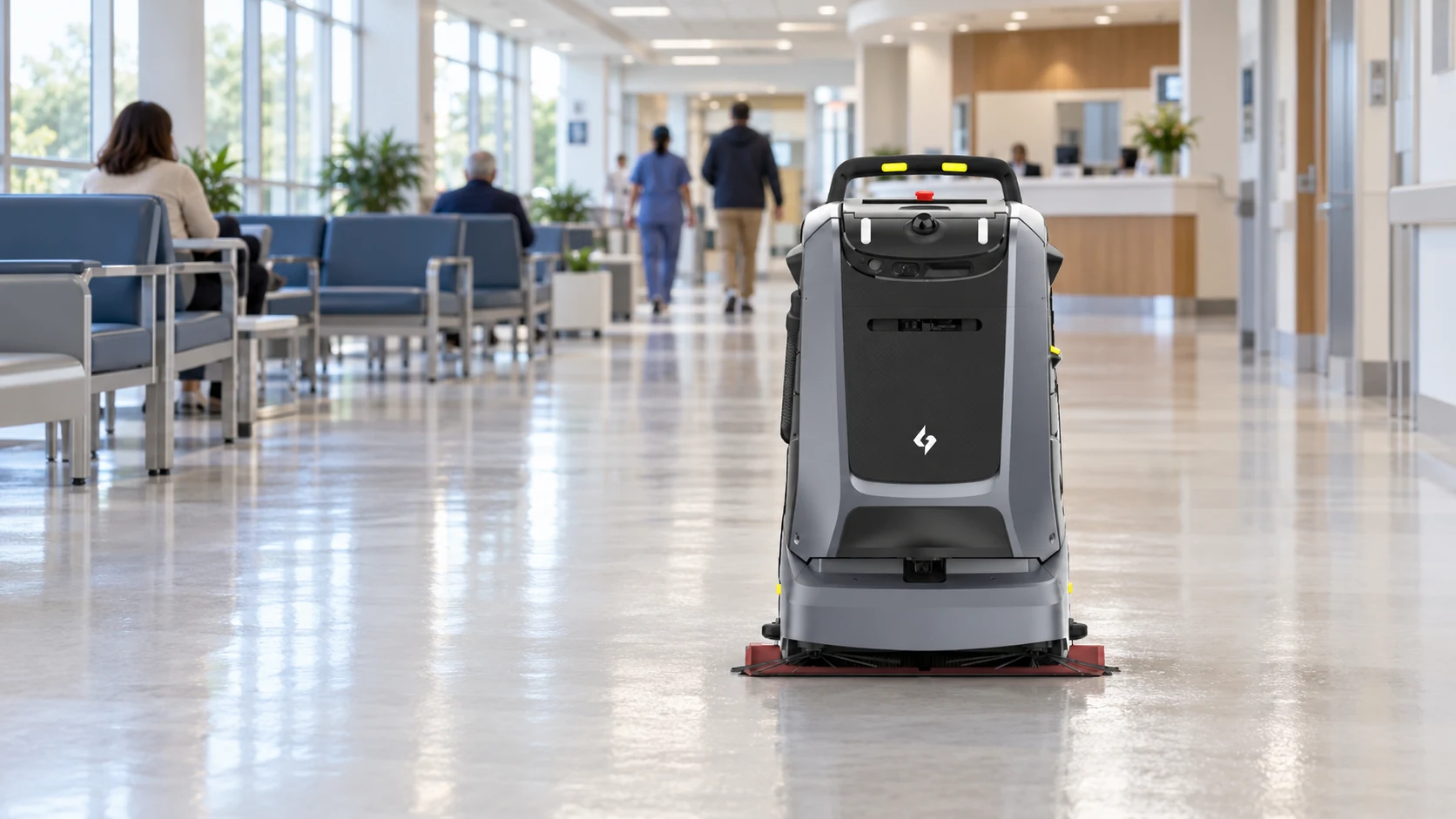
The CDC Guidelines for Environmental Infection Control in Health-Care Facilities distinguish environmental surfaces with minimal hand contact, such as floors, from high-touch surfaces such as bedrails and doorknobs. The two categories have different cleaning requirements.
Assign the robot the floor-cleaning tasks approved by the facility. High-touch surfaces, special contamination and complete terminal-cleaning procedures remain part of the facility’s wider cleaning programme, with clear responsibilities for each task.
Even if a robot can detect waste or perform spot cleaning, it should not be assumed to handle every type of contamination in a healthcare setting. General debris and spills should be addressed separately from blood, body fluids and unidentified contamination.
Hospitals may use both hard floors and carpet. The vacuuming, sweeping or scrubbing needed in each area should match what the robot can do.
Three questions help frame the evaluation:
For wet cleaning, also check wastewater recovery and any water left on the floor. For carpet, verify vacuuming results on the actual material and understand how filters and dust collection parts are maintained. For buildings with both carpet and hard floors, see One Machine or Two? Cleaning Robots for Mixed-Floor Buildings.
A product demonstration should use the hospital’s own floors and typical soiling, so that results can be observed and checked directly.
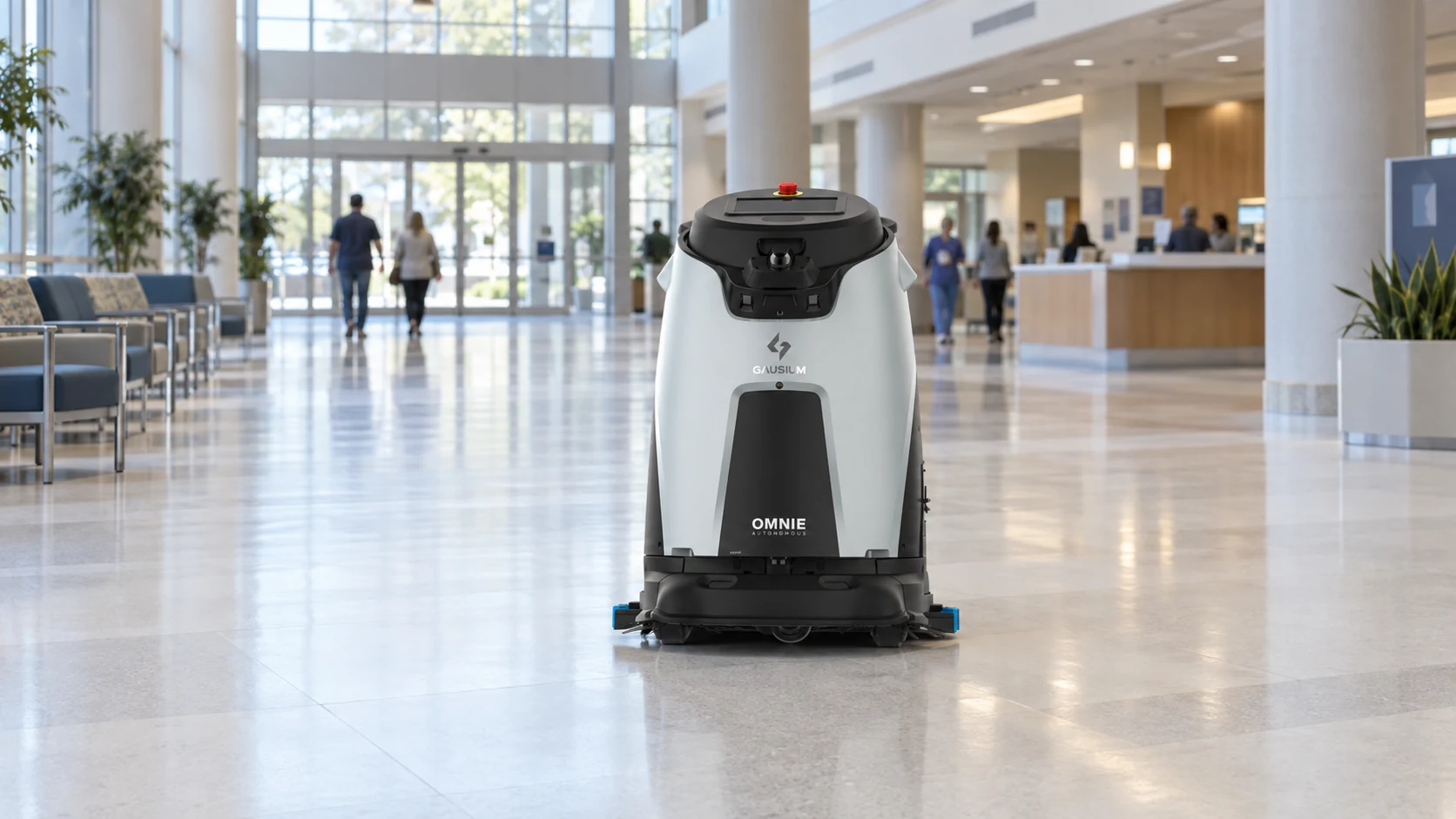
Available space in hospital corridors changes constantly. Bed transfers, wheelchairs and temporarily parked carts can all affect the robot’s route.
Beyond the robot’s dimensions, check:
Request model-specific safety and conformity documentation during procurement. IEC 63327 covers safety requirements for automatic floor treatment machines for commercial use, while an on-site evaluation shows how the robot performs in the facility’s own environment. See also How Cleaning Robots Stay Safe Around People.
Tests should take place during the time windows in which the robot will be used. A demonstration in an empty corridor does not show how it will run with daytime foot traffic.
Inpatient areas often operate around the clock, while clinics and outpatient areas follow their own hours. Even so, different areas have different suitable cleaning times. Outpatient waiting areas, administrative offices and inpatient areas should not follow a single schedule.
Check noise information for the specific model and cleaning mode, and confirm on site whether it is acceptable. Vacuuming, scrubbing and other modes can differ in noise level, so a general “low-noise” description is not enough to decide.
Cleaning frequency should also be based on actual task completion time. Besides cleaning itself, this includes avoiding obstacles, waiting, refilling and charging.
Once a robot is in use, the cleaning team still checks the equipment, maintains cleaning parts and handles some alerts. The level of automation should be assessed together with this daily work.
Before purchase, ask the supplier to explain:
Workstations and automatic refilling can reduce some manual steps, but their effect depends on the configuration and site conditions. Include maintenance time in the overall workload.
Cleaning records should help managers see whether tasks were carried out, which areas were not completed, and whether follow-up cleaning is needed.
When assessing reporting, confirm what information the system actually provides, such as task times, cleaned areas, completion status and exceptions, and check whether it matches the facility’s existing cleaning plan. See Cleaning Robot Performance Reporting.
Task records and quality checks are different. A completed route does not automatically mean every location meets the cleaning standard. On-site inspections and follow-up on missed areas should remain in place.
Confirm where the robot will dock and be maintained, and what power, water supply, drainage and network connections the chosen configuration needs. The location of a workstation also affects how long the robot spends traveling to refill.
If automatic refilling is not available, define the manual process in advance to avoid discovering extra workload after deployment.
For facilities planning cleaning across floors or controlled access points, Gausium robots can be integrated with suitable elevator and door systems. Review the required routes and building connections as part of deployment planning. See Gausium Cleaning Robot Elevator and Door Integration.
Cross-floor capability should also be assessed against the task plan. Waiting for elevators, moving between floors and refilling all affect how much work one robot can take on.
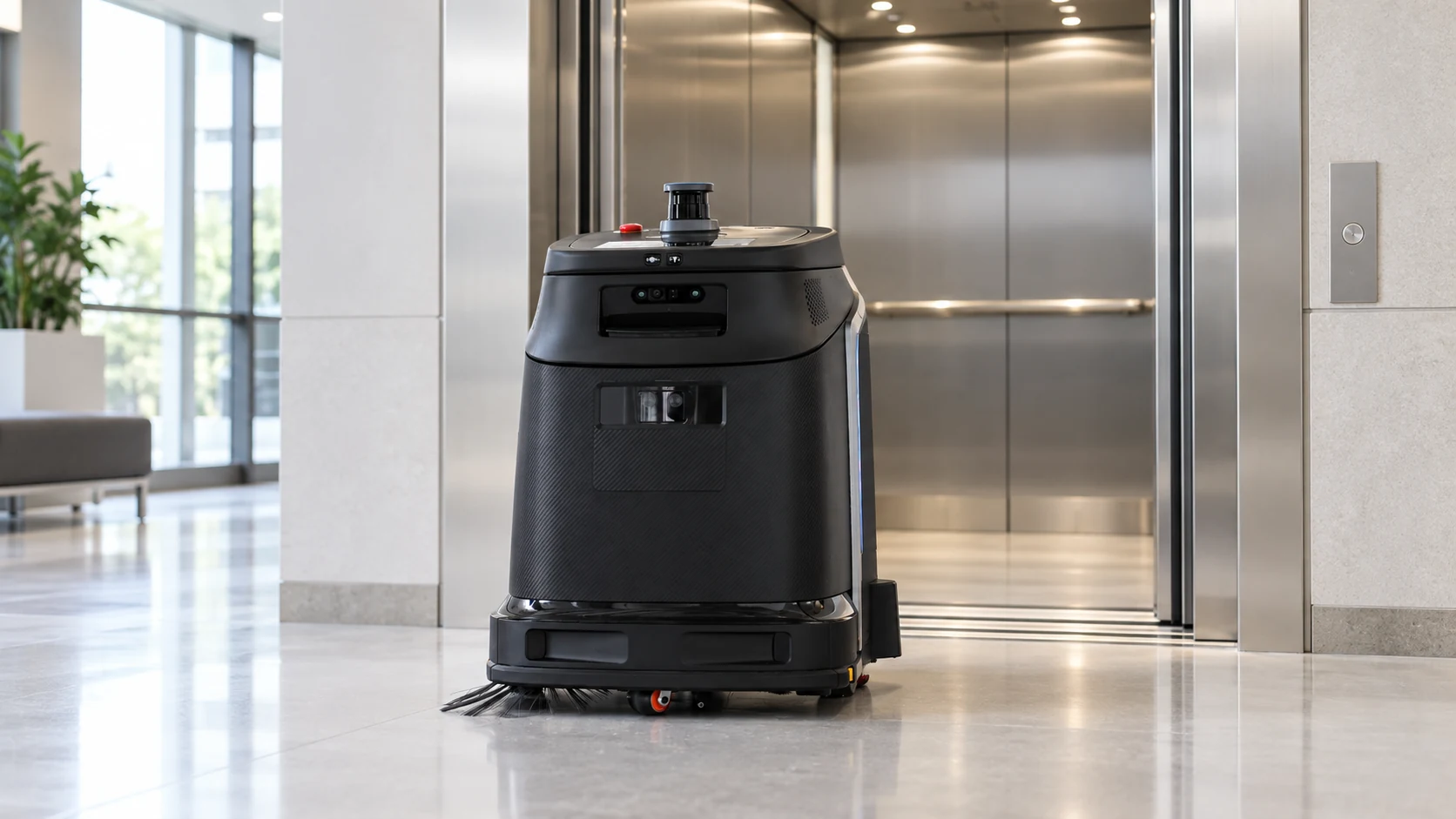
The site survey should identify stairways, escalators and other drops near cleaning routes, and confirm the robot’s capabilities and the restricted-area settings.
For locations often occupied by beds or carts, define how missed sections are followed up so that blocked areas are not left unattended after a task ends.
If the robot involves network connection, remote service, cameras or cloud reporting, the relevant people at the facility should confirm network access, data access and usage requirements. Ask the supplier to explain the specific configuration and how data is handled. See Do Commercial Cleaning Robots Record People and Store Building Data? and How to Assess Data Security When Buying Commercial Cleaning Robots.
A pilot can start in one corridor, waiting area or administrative area. The pilot area should represent actual deployment conditions, including floor materials, people’s activity and cleaning tasks.
Before starting, record the existing way of working and inspection standards. During the trial, assess the following under comparable conditions:
|
What to verify |
What to observe |
|
Cleaning results |
Whether the facility’s existing inspection requirements are met, and which locations need rework |
|
Actual coverage |
Which areas were cleaned and which could not be reached |
|
Task time |
Whether tasks finish within the permitted window, including waiting and refilling |
|
Staff intervention |
When help was needed, why, and how long it took |
|
Maintenance workload |
Time needed for daily checks, cleaning and refilling |
|
Impact on the site |
Effects on traffic, care activities and noise requirements |
Pilot results should be used to evaluate the robot and to adjust workflows, for example by rescheduling cleaning windows, moving the docking location, or assigning certain edges and corners to staff.
Cost assessment should also cover the robot, supporting facilities, system integration, consumables and service, as well as the manual work that remains. This shows whether a robot improves the existing cleaning arrangement.
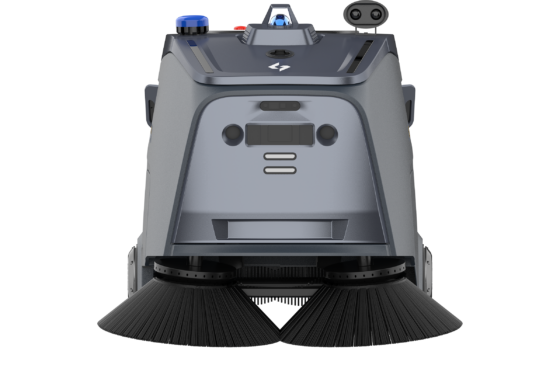
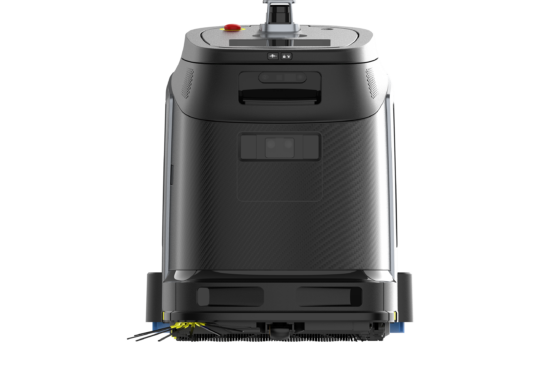
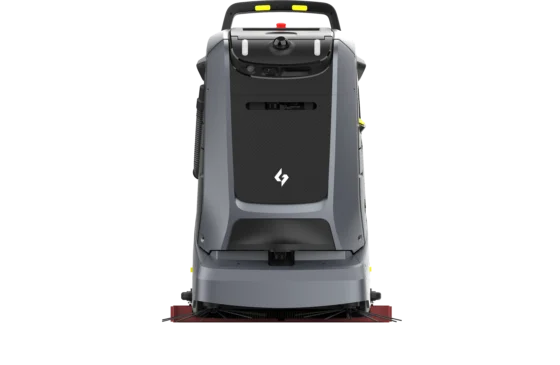
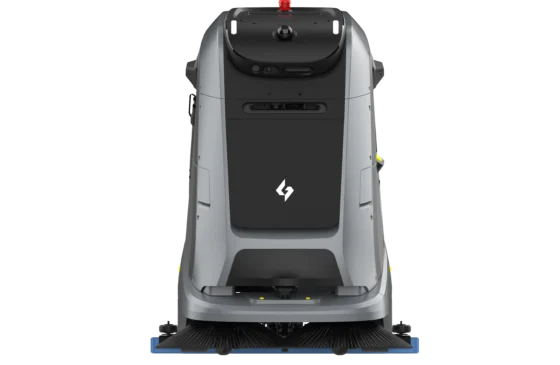
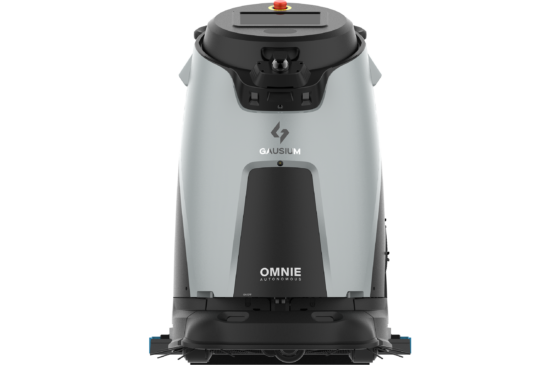
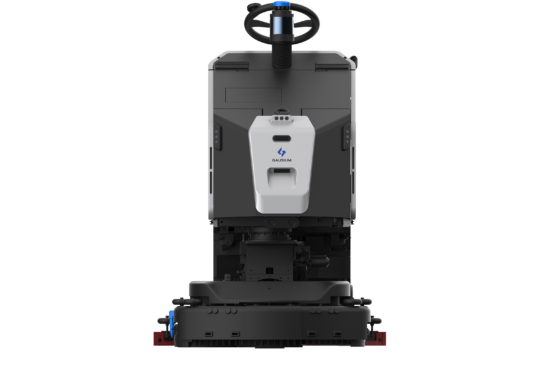
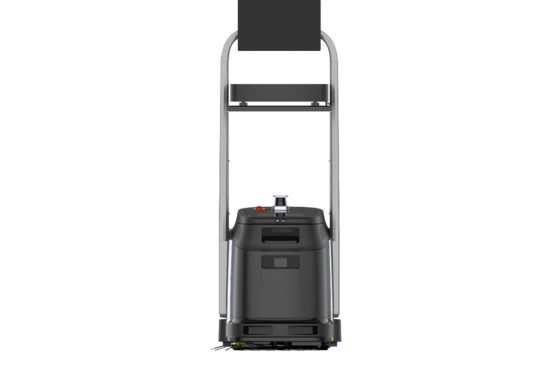
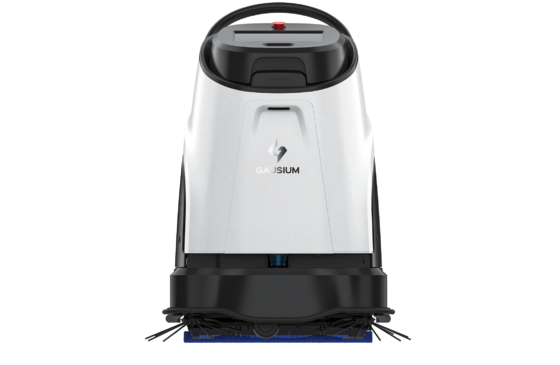
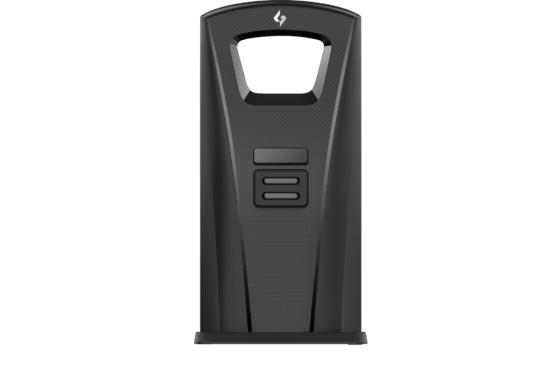
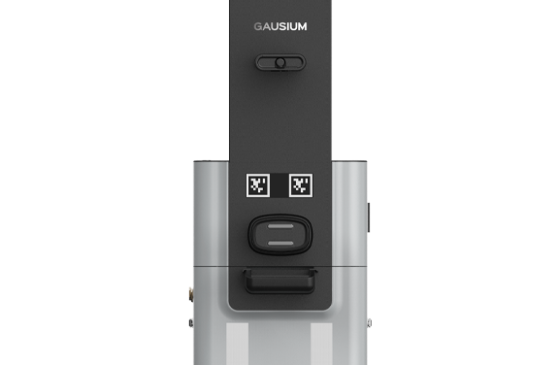
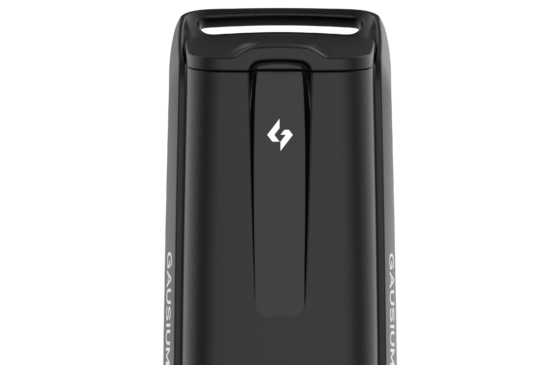
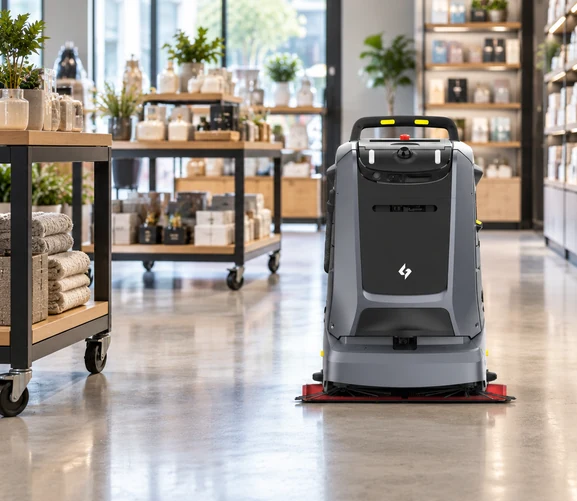
For healthcare facilities, Gausium offers several floor cleaning robots. They can take on part of the repetitive floor work, giving staff more time for high-touch surfaces and other tasks that require people. The examples below illustrate their applications; selection should follow the facility’s cleaning tasks and operating conditions.
|
Cleaning need |
Example product |
|
Simultaneous sweeping and scrubbing of hard floors |
|
|
Floor cleaning in complex, dynamic environments |
|
|
Multi-mode cleaning of hard floors and low-pile carpet |
|
|
Routine work focused on carpet vacuuming |
The final choice should be based on area tasks, traffic conditions, cleaning windows and maintenance arrangements, and confirmed through an on-site pilot. Product features do not replace a facility’s own evaluation of its cleaning processes.
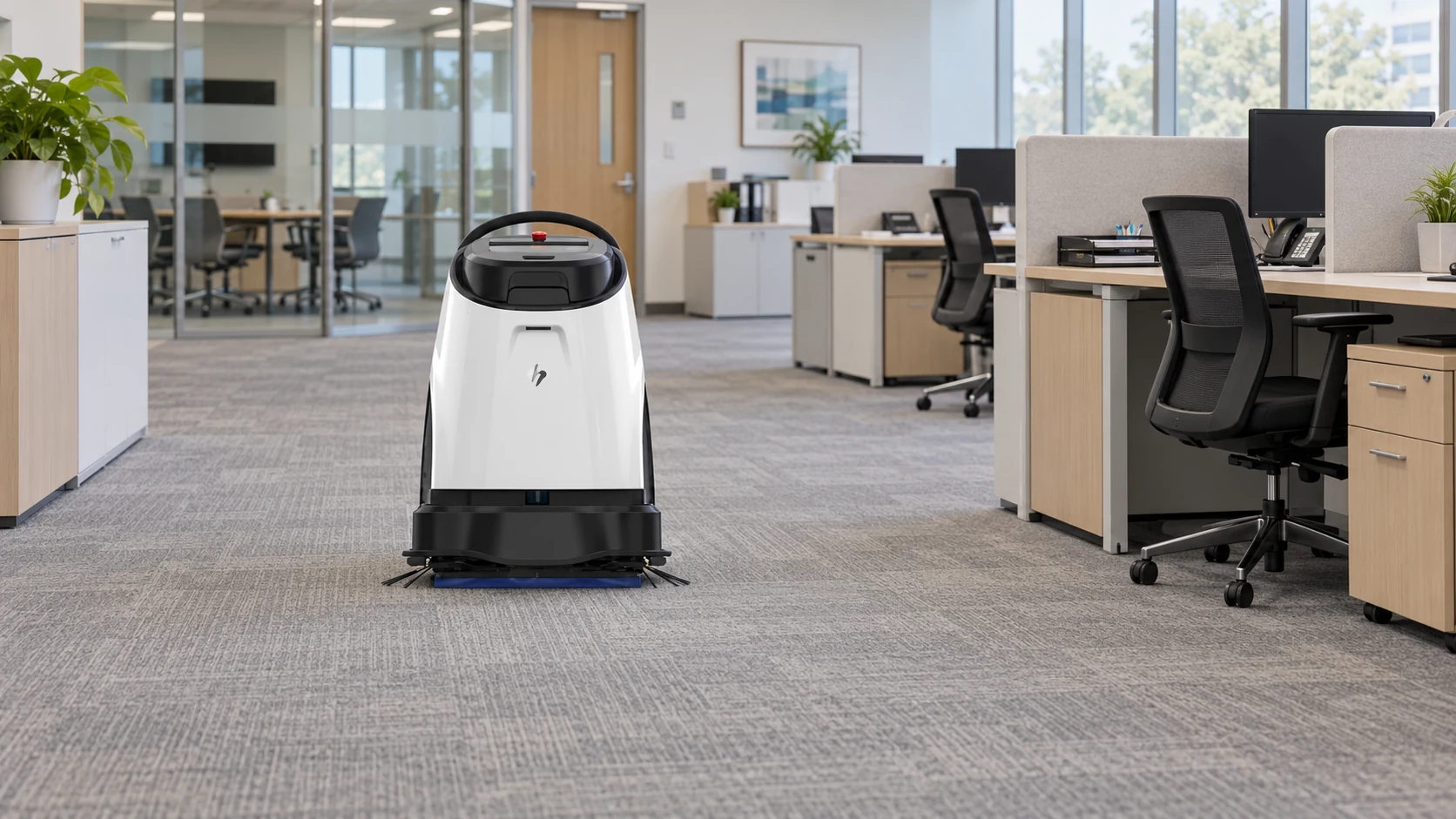
At Waberer Medical Centre in Hungary, Phantas supports routine corridor cleaning. Prexrobot CEE Kft, Gausium’s distributor in Hungary, introduced the solution as the centre faced cleaning staff shortages. The centre reported improved cleaning consistency and efficiency.(case study).
Álvaro Cunqueiro Hospital, Spain. In March 2025, Gausium’s distributor Darlim deployed two Phantas units at the hospital to clean corridors and lobby areas, supporting the existing cleaning team (case study).
Both deployments bring repetitive floor cleaning into the facility’s daily routine, supporting the existing cleaning team.
Floor plans, floor materials, cleanable area, the narrowest passages, periods of activity, and the current cleaning frequency and inspection requirements help a supplier assess suitability more accurately.
Information on charging and refilling locations, elevators and access control, and the operation and maintenance work the team can take on also helps define a practical pilot plan.
Talk to a Gausium specialist to assess where floor cleaning automation fits in your facility.
Start with an area the facility has approved for automation, such as a corridor, lobby or administrative area. Choose a location that represents the intended floors, traffic and cleaning tasks. Assess cleaning results, accessible coverage, total task time, staff intervention and maintenance against agreed criteria, using task reports alongside on-site inspections.
This depends on the model’s safety documentation, its performance in traffic on site, and noise requirements. Test during the time windows in which the robot will be used to confirm it can work alongside people and equipment.
A robot that sweeps, vacuums or scrubs should not be treated as having disinfected a surface. Disinfection methods, agents and procedures follow the facility’s rules, and any related capability needs separate verification.
Staff typically still handle high-touch surfaces, special contamination, areas the robot cannot reach, robot maintenance, alert response and cleaning quality checks. The division of work should be agreed before deployment.
UP NEXT
Which Cleaning Robots Can Adapt to Facilities With Frequent Layout Changes?Ottobre 20, 2026
Step 1/2
Please select the type of business you’d like to have with Gausium.
Choose one item from the list
Step 2/2
Thanks for sharing your preference. Please fill out the form below, and we’ll get in touch shortly.
By clicking “Submit”, I authorize Gausium to contact me. Privacy Policy.
Thank you for filling out the form
By clicking “Submit”, I authorize Gausium to contact me. Privacy Policy.