




UP NEXT
How Close Can a Robot Floor Scrubber Clean to Walls and Corners?Ottobre 14, 2026

Ottobre 20, 2026
Pallets move between storage and dispatch in a warehouse. Supermarkets rearrange displays as merchandising needs change. Meeting and event spaces regularly reset their tables and chairs. In each of these facilities, cleaning has to keep up with the way the space is used.
Dust, packaging debris and tracked-in dirt keep accumulating through those changes. A cleaning routine built around a fixed floor plan struggles when the floor plan itself keeps moving.
A temporarily parked cart, a relocated display and a new partition each affect cleaning in a different way. So how can a cleaning robot adapt to these changes, and which capabilities does your site actually need?
A layout change can affect where the robot can travel, which surfaces need cleaning and whether an existing task still fits the space. These effects fall into three broad categories.
A delivery cart, a parked pallet jack or a group of shoppers can interrupt a route without changing the underlying layout. The cleaning area is still there, but part of it is temporarily occupied.
Here, obstacle detection and route adjustment matter. Depending on the situation, the robot may navigate around an object or wait for a route to clear.
If a pallet occupies the floor that needs cleaning or blocks an aisle’s only entrance, that part of the work has to wait until access is restored. The team then needs a way to check and follow up on the affected area.
A supermarket display moved to another aisle, a different seating arrangement or a revised staging area can change which floor surfaces are accessible. A route that worked yesterday may no longer be the most useful route today.
For these environments, look beyond basic collision avoidance. Consider how the robot responds to the new arrangement, whether its map and cleaning plan need attention, and how much work that creates for site staff.
New partitions, relocated racking or a permanently closed section can alter the cleaning area itself. These changes deserve a review of the task, even when the robot has strong navigation capabilities.
Staff may need to update boundaries, adjust restricted areas or confirm that access to the charging location remains suitable. Major changes should be checked to determine whether map adjustments, remapping or another trial run are needed.
To handle these changes, the robot needs to perceive its surroundings during operation, the cleaning plan needs to reflect how different areas are used, and operators need a straightforward way to adjust tasks.
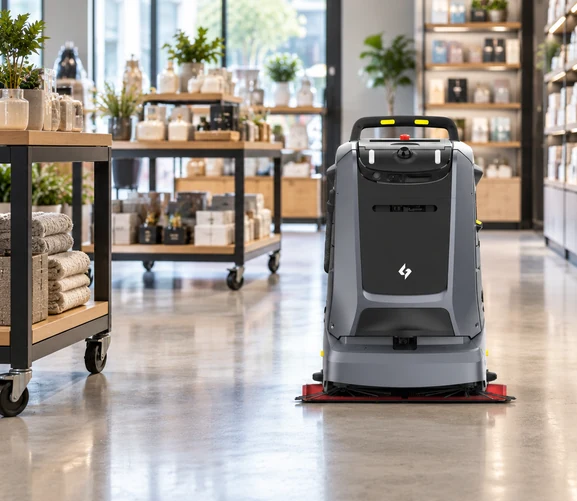
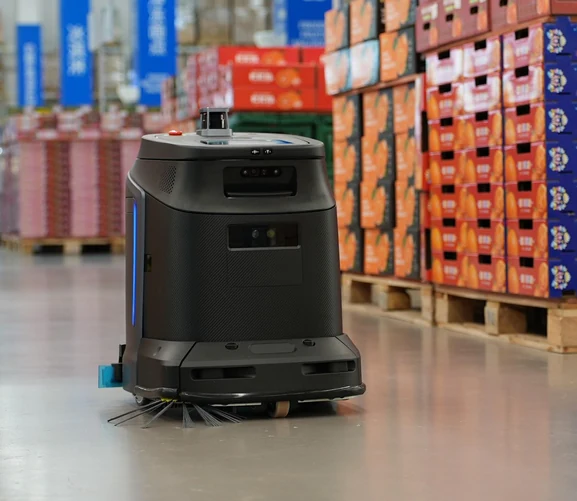
Gausium robots use environmental perception and autonomous navigation to respond to their surroundings during cleaning. This supports operation in environments where people, goods and equipment are regularly on the move.
Navigation still needs a clear task plan: when an area should be cleaned, which parts are accessible and which sections need to be left out temporarily.
Few buildings change equally everywhere. A main corridor may remain stable while a nearby display area is rearranged frequently. A warehouse can have permanent travel routes alongside staging zones that vary throughout the day.
In the Gausium app, maps can be edited with virtual walls and no-go zones, and tasks can be scheduled by time and location. A stable corridor can keep its existing schedule while a frequently rearranged display area is managed separately. When the display moves, staff can focus their review on the affected area.
Zoning helps in practice too. At Riga’s Origo Shopping Centre, the cleaning contractor Cleanhouse values being able to divide the cleanable area into zones, as described in the Latvia case study.
With the Gausium app, your team can edit maps, schedule tasks and monitor progress remotely. Remote task management works alongside the on-site routine for equipment care, access checks and staff training.
For initial setup, see Which Commercial Cleaning Robots Are Easiest to Deploy.
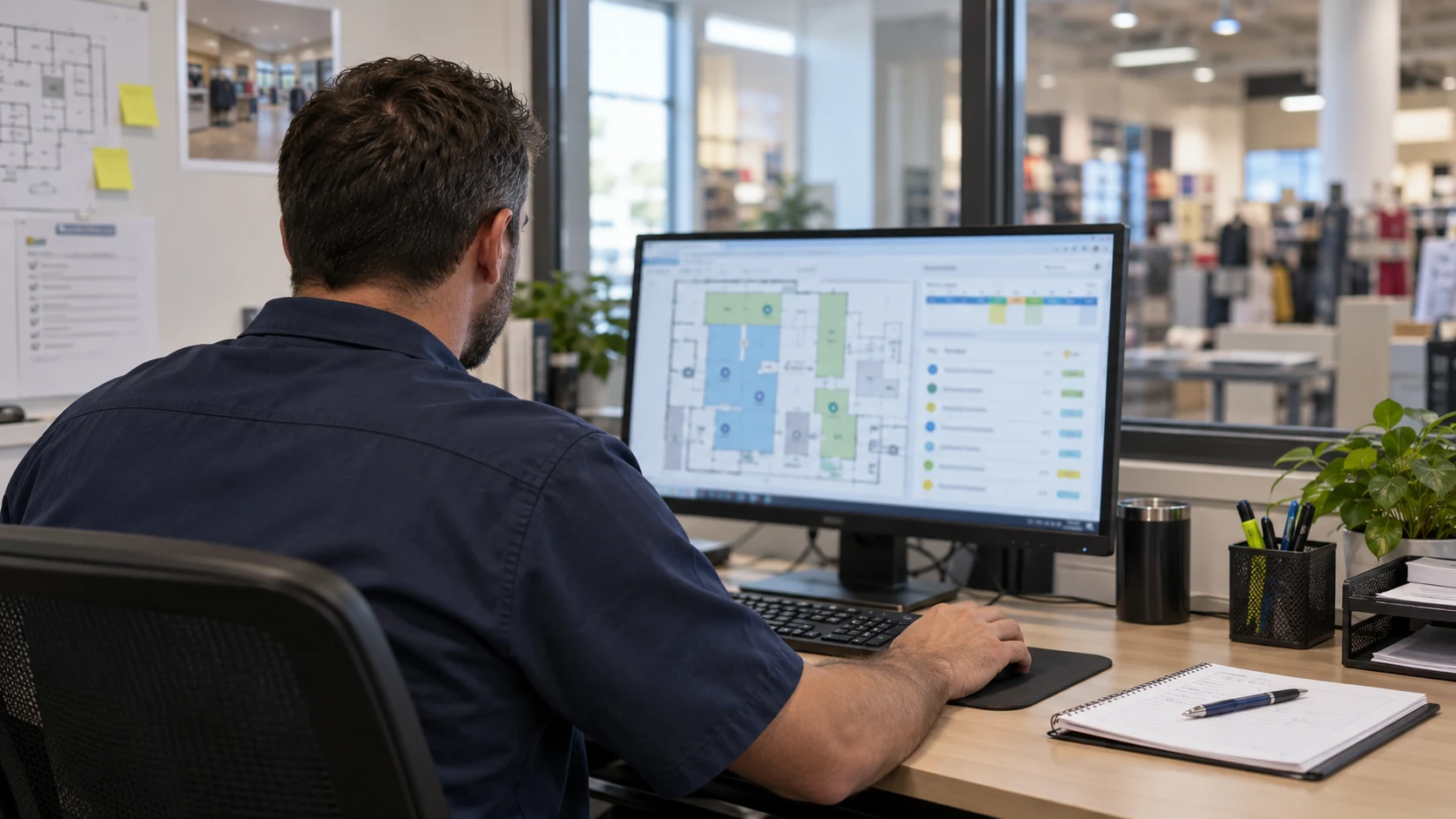
Navigation is one part of the choice. A warehouse with scattered dry debris and a supermarket requiring wet scrubbing may both have changing layouts, but they need different cleaning work. Start with the floor, the material that needs removing and the routes available after a typical rearrangement.
Moving a display can expose floor that previously sat beneath stock while narrowing a nearby aisle. The revised task may involve loose debris, marks on the floor and a different route through the same department.
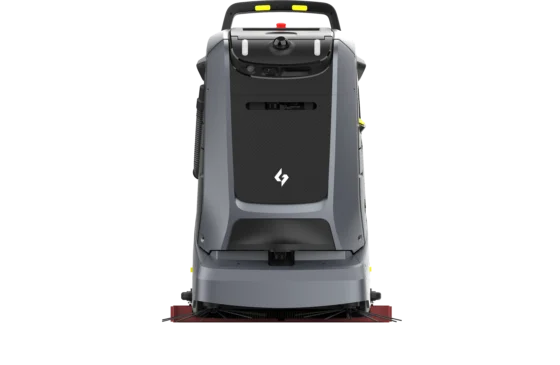
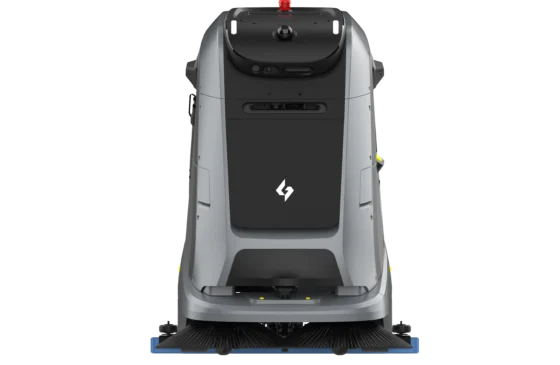
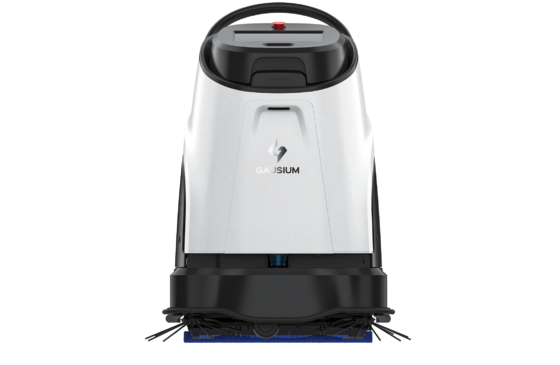
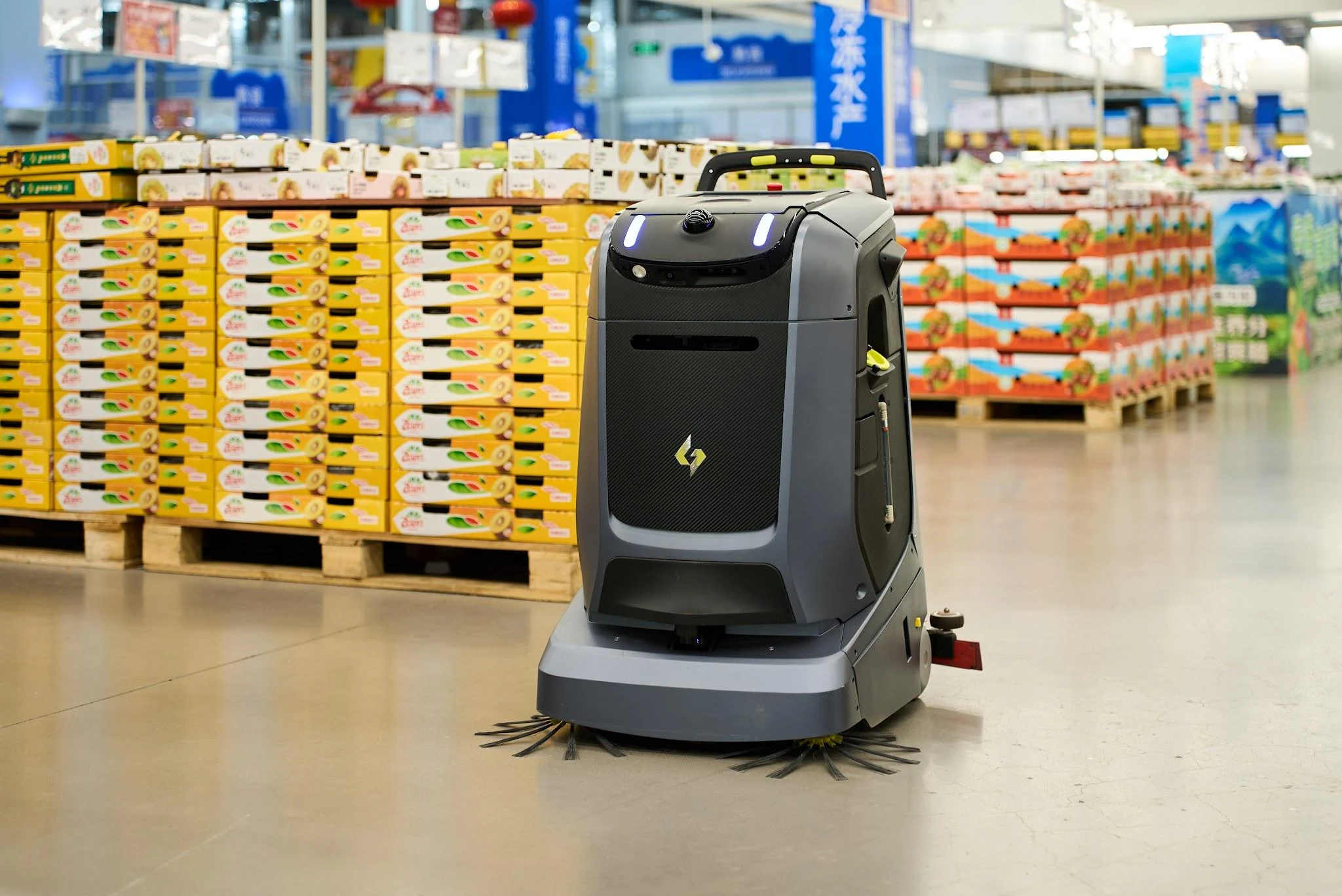
Gausium Mira, for example, combines sweeping and scrubbing in a single pass. This is relevant when a store regularly rearranges displays and needs both debris collection and wet floor care. See how Gausium Mira and Marvel ended the sweep-versus-scrub compromise.
If staff reset an area before closing, the next task should reflect the accessible floor and any sections that remain occupied. If rearrangement continues during cleaning, the team should check the affected area’s completion status afterward.
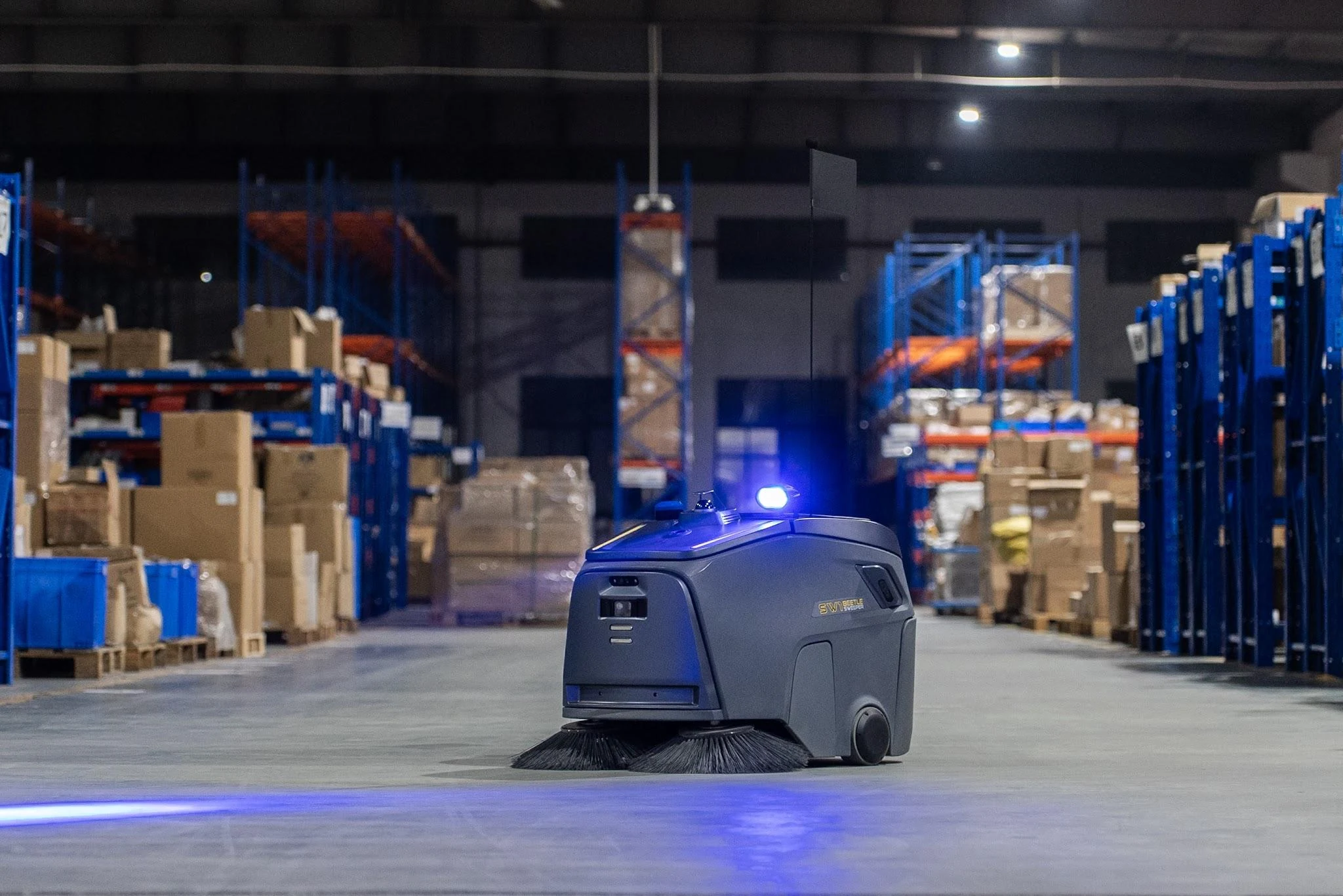
Pallet positions and staging areas can vary while the main warehouse structure stays fixed. The challenge is often a combination of changing access and dry debris from handling goods.
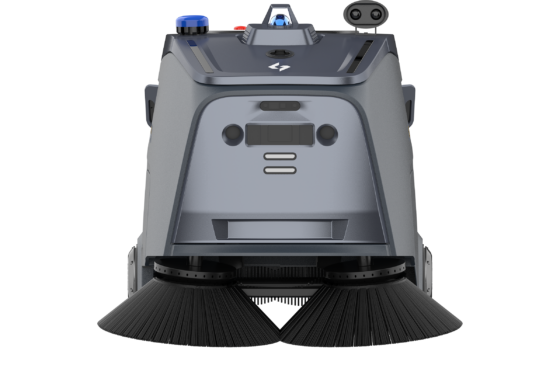
For dry sweeping, Gausium Beetle handles material such as dust, paper scraps and wood chips. Its navigation is designed for challenging industrial environments, including dynamic areas and open spaces. Where the floor also requires wet scrubbing, include that requirement in the equipment selection.
Distinguish an aisle that is temporarily occupied from one whose racking has been relocated. The first affects access during a task; the second may change the area the task needs to cover. For more on warehouse floors, see The Hidden Costs of a Dirty Warehouse Floor.
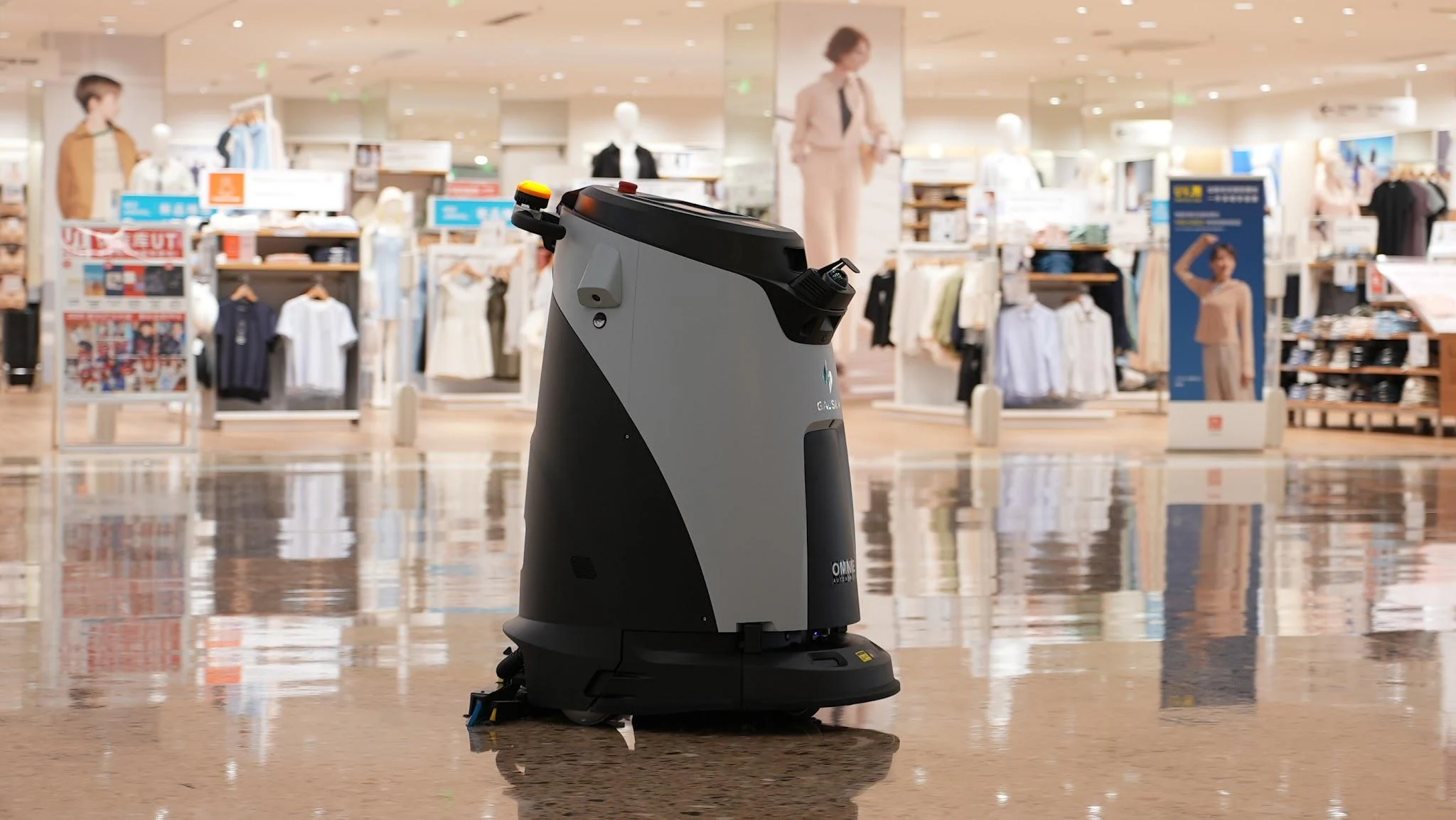
In a concourse or shared commercial building, people and equipment may move constantly even when the floor plan changes only occasionally. Ongoing traffic and a redesigned layout require different planning decisions.
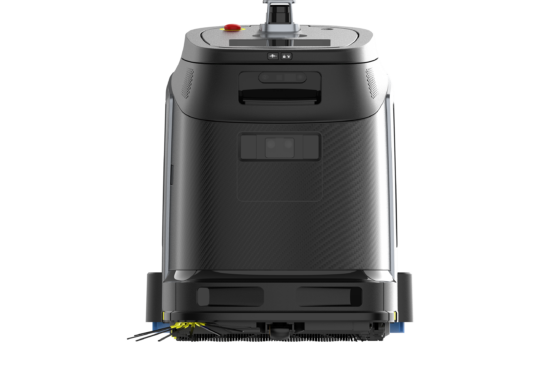
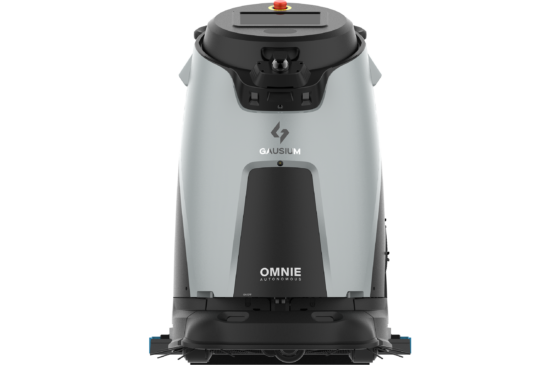
For busy concourses and shared public areas, Gausium Mira is one option, while Gausium Omnie is designed for high-dynamic environments. A busy facility should assess both its normal traffic conditions and any recurring changes to seating, barriers or other fixtures.
See also Why High-Traffic Floors Defeat Most Autonomous Scrubbers, and Which Ones Cope.
A site demonstration shows how a robot and cleaning method work in practice. Choose a representative area, define the required coverage and cleaning window, then introduce a realistic change, such as moving a display to its usual alternative position or altering a pallet location.
Record four things:
Focus on the changes that occur most often. If displays move weekly but structural changes happen rarely, the weekly reset deserves most of the trial’s attention.
After deployment, use floor changes and task-completion results to refine the plan. Give staff clear responsibility for communicating significant changes, keeping required routes usable and reviewing incomplete areas.
Frequent layout changes do not rule out autonomous cleaning. They change what to look for: navigation that responds to the environment, zones that separate stable areas from changing ones, remote task management, and a cleaning method that fits the material on the floor.
If you are planning autonomous cleaning for a facility with frequent layout changes, talk to the Gausium team. Start with the rearrangements that happen most often, the material that needs cleaning and the time available.
Not for everyday changes. Temporary obstacles and rearranged displays can often be handled by the robot’s navigation during the task, depending on the model and situation.
It depends on how much changes. Areas that are rebuilt from scratch every day or filled wall to wall with temporary stock may be better served by a ride-on scrubber with an operator. Robots fit the areas that stay predictable enough to schedule, and a site can use both.
Staff can adjust the task in the Gausium app, for example by changing the schedule or leaving the zone out of the next run. Once the area reopens, it can be added back to the plan or covered by a follow-up task.
Long enough to include the changes that happen most often. If displays are reset weekly, the trial should cover at least one reset, so the team can see how the robot handles the new arrangement on the following runs.
Step 1/2
Please select the type of business you’d like to have with Gausium.
Choose one item from the list
Step 2/2
Thanks for sharing your preference. Please fill out the form below, and we’ll get in touch shortly.
By clicking “Submit”, I authorize Gausium to contact me. Privacy Policy.
Thank you for filling out the form
By clicking “Submit”, I authorize Gausium to contact me. Privacy Policy.