




UP NEXT
Fünf Irrtümer bei der Bodenreinigung im WinterNovember 03, 2026

November 13, 2026
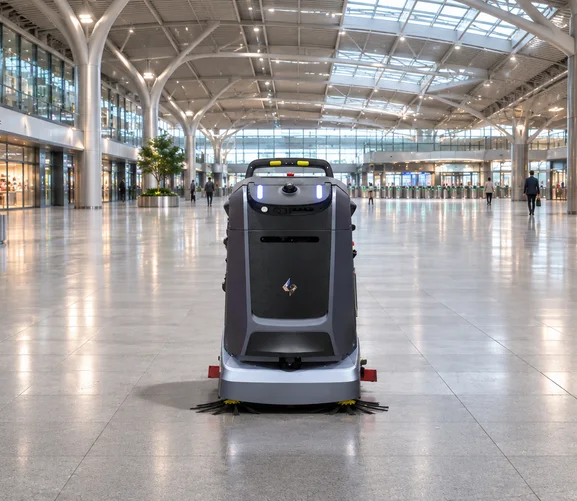
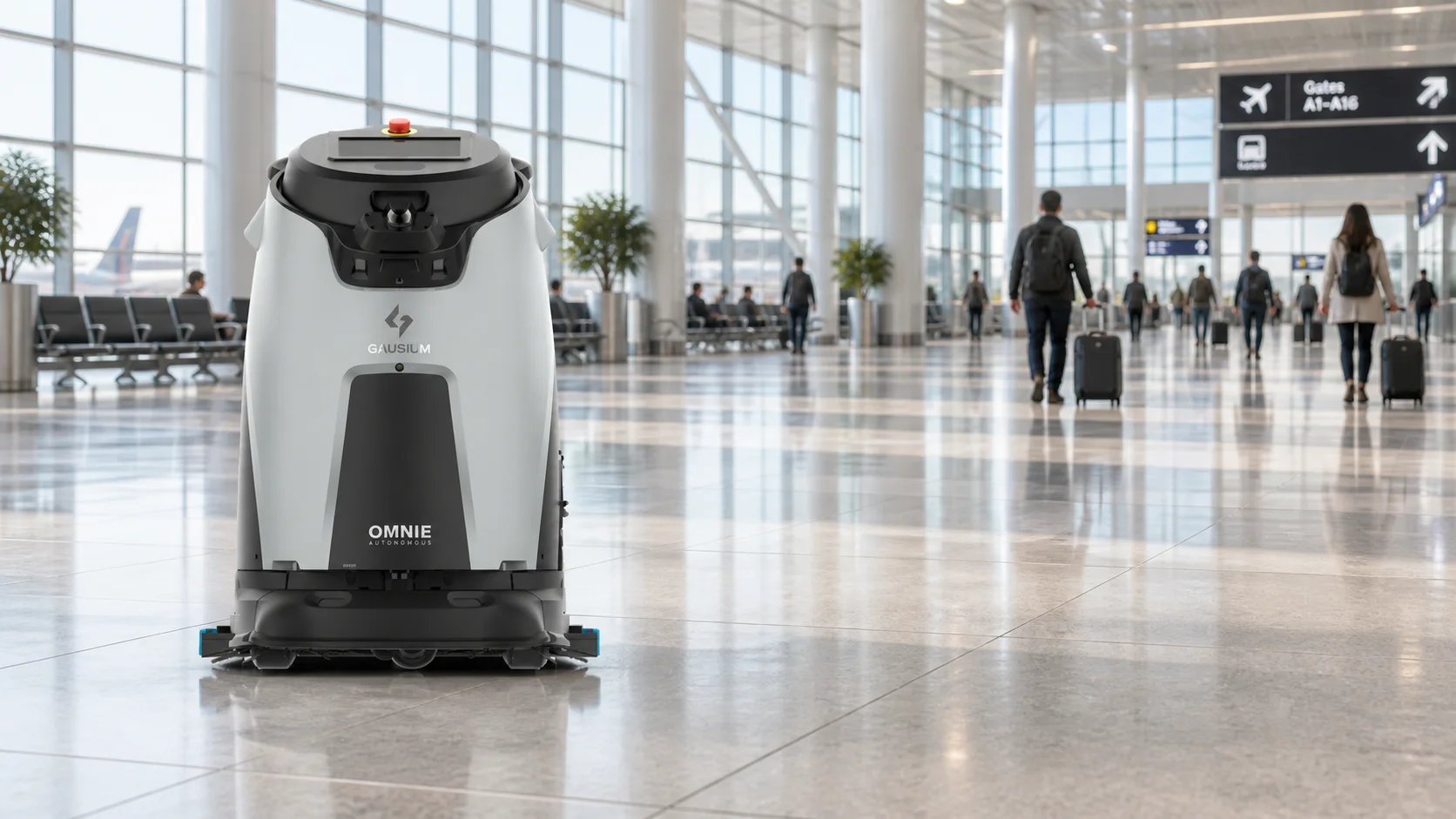
Train and metro stations are in use from the first train to the last. Passengers and daily operations bring grit, moisture and litter into concourses, waiting halls, passages and platforms.
Two constraints shape floor cleaning: time and space. Large areas need cleaning around passenger peaks, while overnight access may need to be coordinated with other station activities.
Choosing cleaning robots therefore starts with the areas to be cleaned and the available operating windows. The machine and configuration should then match the station’s floors, cleaning tasks, access conditions and facilities.
Each area has different users, soil and access times. Planning area by area shows where a robot can undertake recurring floor work and where separate equipment or staff intervention is required.
|
Area |
How it is used |
Floor-cleaning considerations |
|---|---|---|
|
Entrance concourses |
Passenger flow from the street, with tracked-in grit and moisture |
Match the cleaning method to the floor and assess access around entrances and queues |
|
Waiting halls |
Seated and standing passengers, often over long periods |
Schedule routine cleaning and assign spill response according to material, urgency and robot capability |
|
Transfer passages |
Corridors between lines or rail and metro levels |
Verify passage width, passenger flow and access before scheduling repeated cleaning |
|
Platforms |
Boarding and alighting |
Confirm platform-edge boundaries, tactile-paving requirements and available operating periods |
|
Escalators and stairs |
Vertical circulation |
Use staff or dedicated equipment; these are outside the floor robots’ cleaning routes |
|
Retail areas |
Shops and food outlets |
Coordinate responsibilities and cleaning times with retail operators |
At Chongqing East Railway Station, the published deployment covers the main waiting hall and transfer levels. At Network Rail stations, Gausium robots have been used in concourses, waiting areas and offices.
For shops and food outlets inside stations, see Gausium’s guide to cleaning robots for retail stores.
Published deployments show several ways to fit robot cleaning into a station’s day:
These schedules describe individual deployments, not rules for other stations. Each operator needs to establish its own windows based on passenger movements, service patterns and access arrangements.
For further considerations in occupied spaces, see Which Autonomous Floor Scrubbers Can Clean High-Traffic Areas?.
Before routes and schedules are finalized, the station operator and implementation team should establish where the robot may work and which restrictions apply.
The site assessment should address:
Obstacle avoidance supports navigation around people and objects. It does not replace these operating boundaries or the station’s procedures.
Where daytime cleaning is proposed, testing should reflect the intended passenger conditions within the operator’s approved arrangements. Staff also need to know how to pause a task and when it may resume.
Gausium’s article on how commercial cleaning robots stay safe around people explains further considerations for occupied spaces.
Dry methods such as sweeping and dust mopping collect suitable loose soil. Wet scrubbing washes compatible hard floors and recovers dirty water.
The floor and soil determine the required cleaning method. Water supply, drainage and docking arrangements then influence how the cleaning cycle is organized and which steps can be automated.
Two MTR-operated Shenzhen lines illustrate this distinction. Both use Gausium Omnie, but their deployed configurations differ.
|
Deployment detail |
Shenzhen Metro Line 13 |
Shenzhen Metro Line 4 |
|---|---|---|
|
Station facilities |
Power, water supply and drainage provided for at floor level |
No dedicated robot water-supply and drainage connections |
|
Deployment pattern |
One robot on the concourse and one on the platform at each participating station |
One robot per participating concourse |
|
Configuration described |
Disc-brush configuration on the concourse |
Roller-brush configuration |
|
Cleaning method described |
Wet scrubbing |
Dry dust mopping |
|
Water handling |
Automated refill and drainage through the installed setup |
Dry cleaning without automated water handling |
The table describes these deployments, not the full capabilities of each brush configuration.
On Line 13, the installed docking setup and utility connections support automatic refill, drainage and charging. Line 4 uses dry dust mopping under its existing infrastructure conditions. This does not mean that every station without fixed connections must rule out robotic wet scrubbing.
Before deployment, assess:
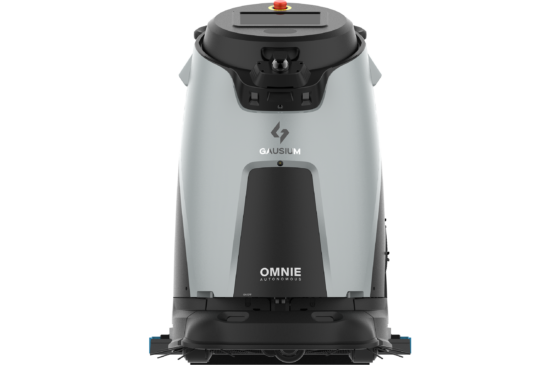
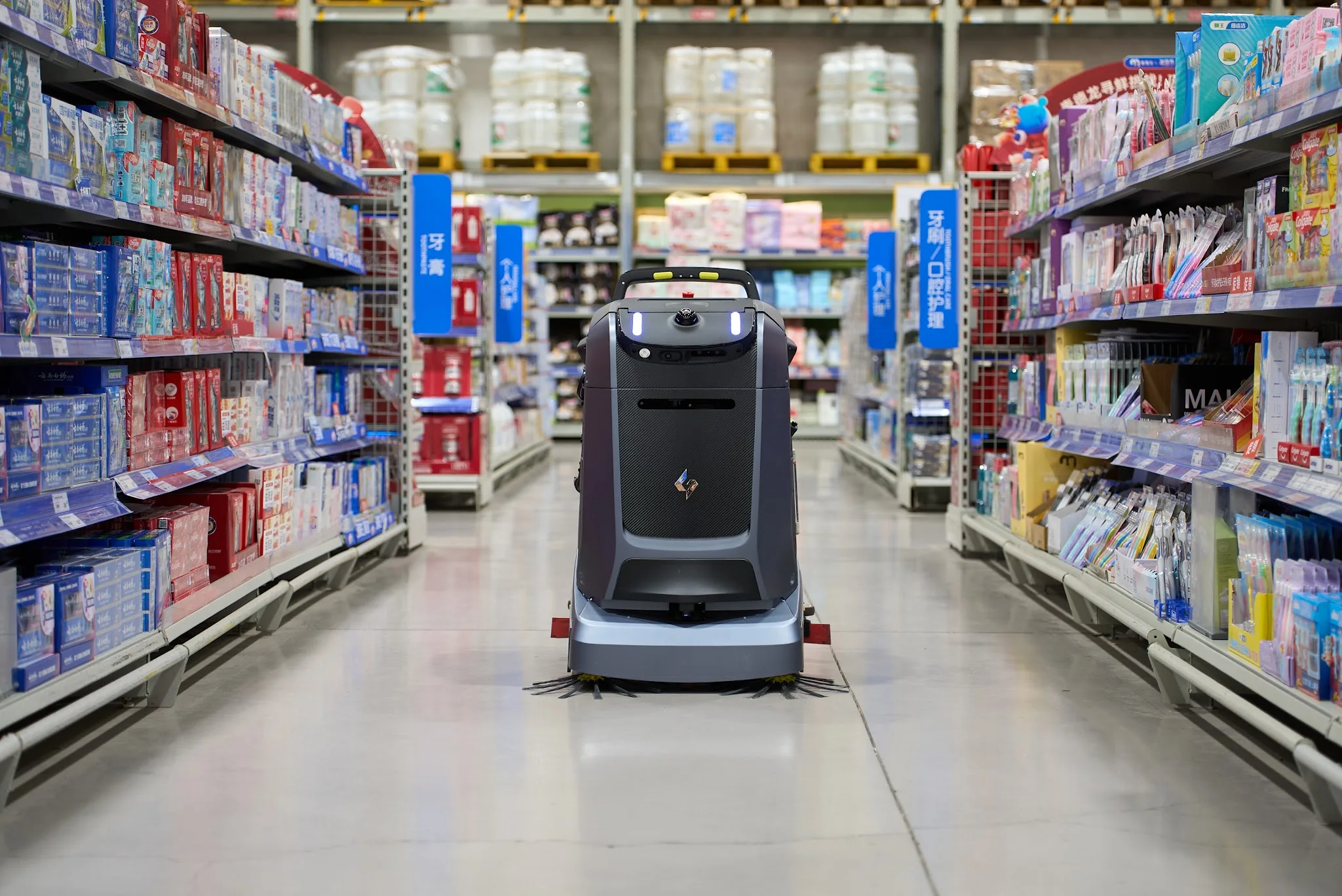
Omnie is designed for dynamic environments and uses AI to identify and clean dry and wet waste. Its disc-brush and roller-brush configurations should be selected for the proposed application.
For charging arrangements, see Which Cleaning Robots Can Charge Automatically?.
Scheduled cleaning still depends on people at defined stages. Areas need preparation, equipment needs routine care, and alerts need a response.
The following table is an example of how responsibilities can be assigned. It should be adapted to the station’s organization.
|
Situation |
Station staff |
Cleaning team |
Robot |
|---|---|---|---|
|
Before a task |
Confirm access restrictions |
Prepare routes and check equipment readiness |
Execute the configured task when released |
|
Peak hours |
Manage passenger circulation |
Adjust tasks where necessary |
Work within approved areas and schedules |
|
Unexpected closure |
Communicate the change |
Pause or update affected tasks |
Resume once released |
|
Night window |
Coordinate access with other activities |
Prepare areas and inspect results |
Clean released zones |
|
Fault or alert |
Receive notification if station operations are affected |
Assess the alert and contact support when required |
Follow the configured response |
Stairs, escalators, inaccessible areas and materials outside the robot’s approved scope remain separate tasks. Entrance matting and corners around fixtures should be assessed according to material, access and machine capability, rather than automatically assigned to either people or robots.
Routine maintenance and replenishment also need named owners across shifts. Automatic charging or water handling does not remove every equipment-care task.
For planning in occupied buildings, see 4 Machine Capabilities for Floor Cleaning in Occupied Public Buildings.
Gausium’s published station cases provide examples of different operating arrangements.
|
Station or network |
Deployment described |
Areas |
What the case illustrates |
|---|---|---|---|
|
Shenzhen Metro, China |
27 Omnie robots across MTR-operated Lines 13 and 4 |
Concourses and platforms |
Different cleaning configurations and schedules across two lines |
|
Guangzhou Metro, China |
One Gausium cleaning robot with a workstation at Caihong Bridge Station |
Concourses, platforms and a transfer passageway |
One machine serving multiple zones on a scheduled basis |
|
Metro de Madrid, Spain |
Three Gausium cleaning robots deployed with distributor Darlim |
Station corridors and passageways |
Robotic floor cleaning in an operating metro environment |
|
São Paulo Metro, Brazil |
Two Omnie robots deployed with distributor Alabia |
Three stations, including platforms |
Off-peak operation with trained teams monitoring |
|
Nagasaki Station, Japan |
A Gausium cleaning robot operated by JR Kyushu Service Support |
Station concourse |
Overnight cleaning between the last and first trains |
|
Gausium robots deployed through Mitie and distributor ICE |
Concourses, waiting areas and offices |
Integration into station cleaning operations |
|
|
Seven Gausium cleaning robots |
Main waiting hall and transfer levels |
Coordinated cleaning across several station zones |
Historical deployments demonstrate the arrangements used in those projects. They should not be treated as evidence that every current model has the same configuration or performance.
Operators may assess several stations together. Stations on the same line can share design features, but each site still needs verification before a setup is reused.
Layout, floor materials, access boundaries and utility connections can differ. The two Shenzhen lines show how the same robot platform can be deployed differently according to those conditions.
A network-wide plan can define:
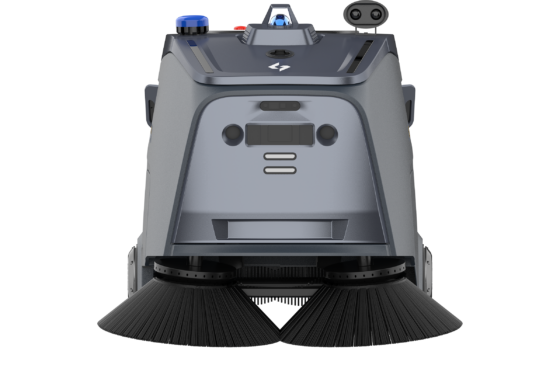
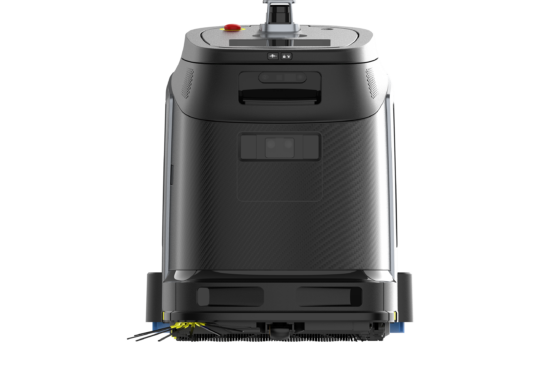
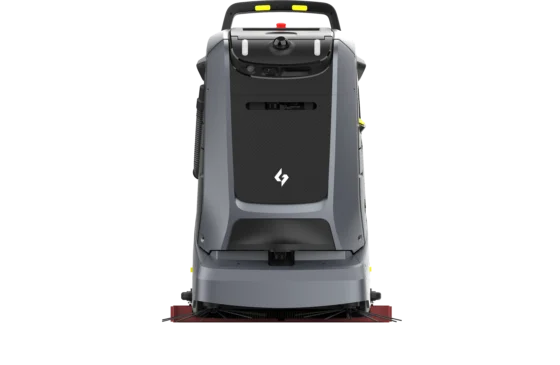
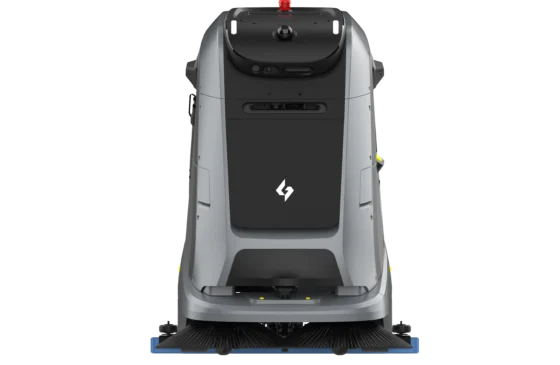
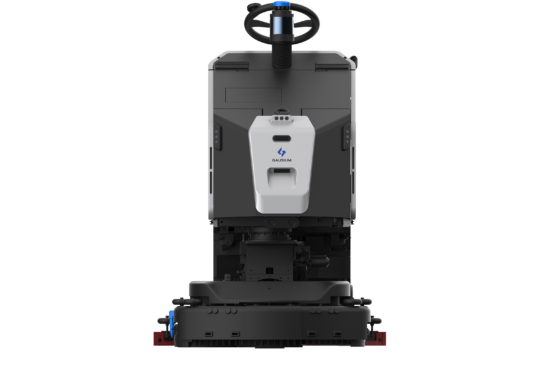
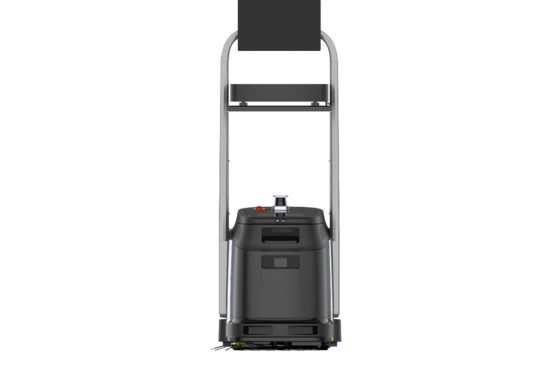
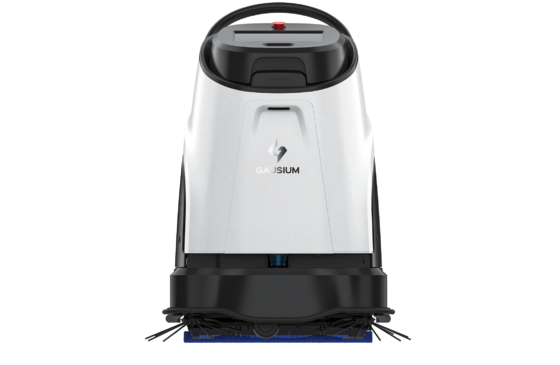
Alongside Omnie, Gausium Mira and Gausium Marvel are also options for subway station cleaning. Selection should follow the area, task and site conditions.
For larger facilities, see Cleaning Robots for Large Commercial Facilities. To assess robotic floor cleaning for a station or network, contact Gausium.
Yes, within the areas and periods approved for the deployment. On Shenzhen Metro Line 13, concourse robots run several sessions during the operating day while excluding peak periods. Suitability should be verified under the station’s intended operating conditions.
No. Shenzhen Metro Line 13 uses an overnight platform-cleaning window, while Guangzhou’s Caihong Bridge Station includes daytime platform cleaning. The schedule follows each station’s service pattern and operating requirements.
It depends on access and available cleaning windows. At Caihong Bridge Station, one robot serves concourses, platforms and a transfer passageway on a zone-based schedule. Shenzhen Metro Line 13 uses separate concourse and platform robots at each participating station.
The floor-cleaning robots discussed here do not clean stairs or escalators. Those tasks require staff or dedicated equipment. Robot routes should cover accessible, compatible floor areas.
Responsibility should be defined before deployment. One arrangement is for the cleaning team to assess the alert and contact support, while station staff are informed if passenger areas or station operations are affected.
Step 1/2
Please select the type of business you’d like to have with Gausium.
Choose one item from the list
Step 2/2
Thanks for sharing your preference. Please fill out the form below, and we’ll get in touch shortly.
By clicking “Submit”, I authorize Gausium to contact me. Privacy Policy.
Thank you for filling out the form
By clicking “Submit”, I authorize Gausium to contact me. Privacy Policy.