




UP NEXT
Daytime vs. After-Hours Robotic Cleaning: How Facilities Plan Cleaning Windows11月 03, 2026

11月 03, 2026
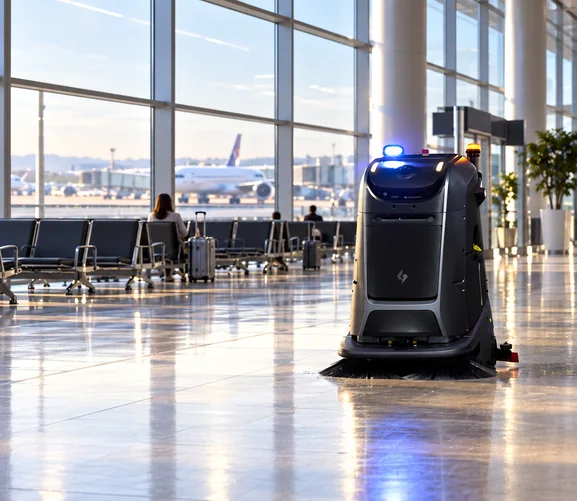
Many airport terminals operate for long hours, some around the clock. Check-in halls fill before the first departures, security lanes surge with each wave of flights, and gate areas empty and refill several times a day. Floors collect tracked-in grit, spilled drinks and food debris throughout, while passengers expect the terminal to look clean at every hour.
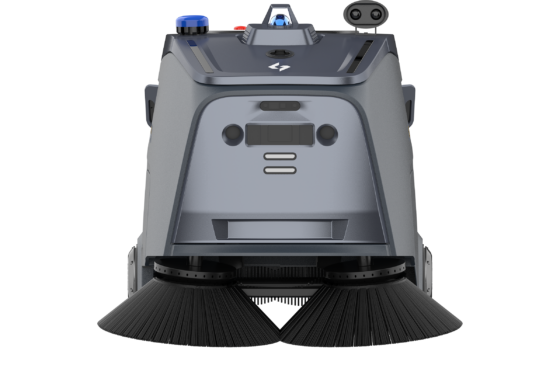
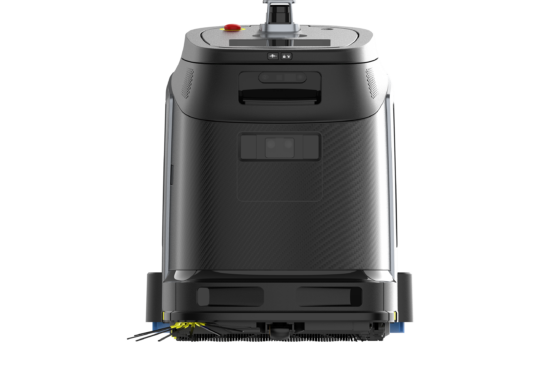
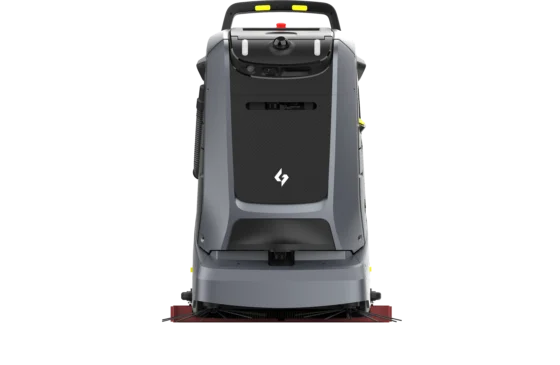
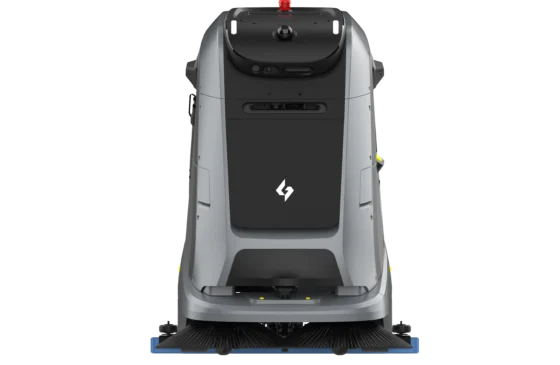
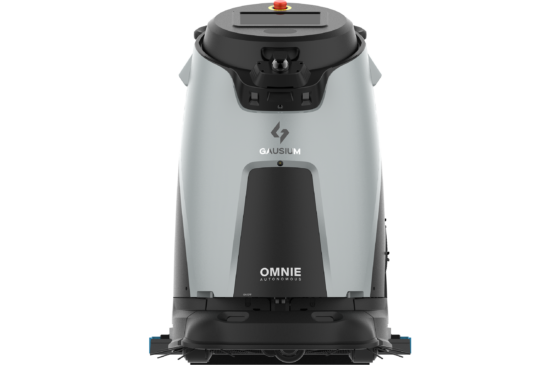
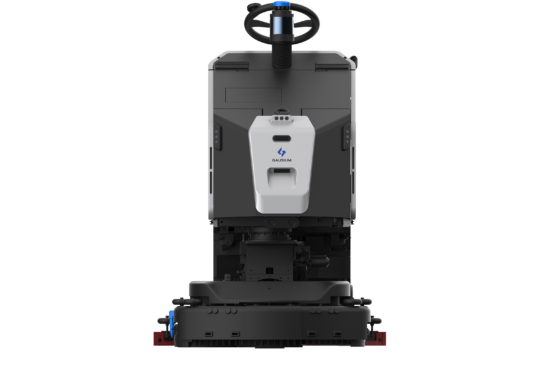
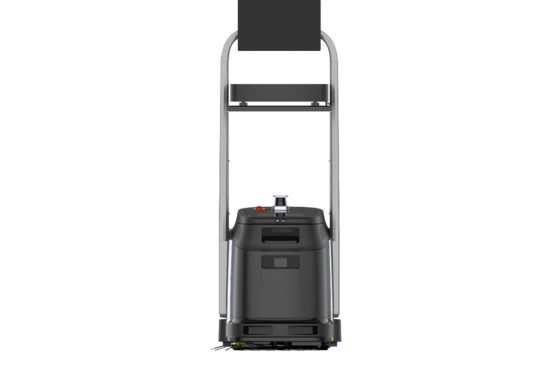
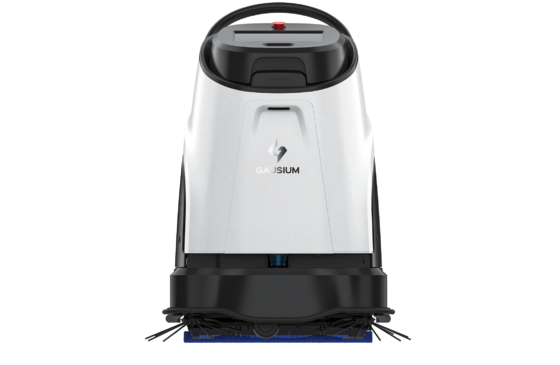
Airport cleaning robots take on recurring floor care in this environment. The most effective deployments match each machine to a terminal zone: robots built for busy, open spaces, such as Gausium Omnie, Marvel and Mira, handle large hard-floor halls and concourses, while a carpet vacuum such as Vacuum 40 covers carpeted gate and lounge areas. Cleaning teams keep restrooms, seating, detail work and immediate responses.
Most commercial buildings have a closing time. Many terminals do not, or have only a short quiet period overnight. Instead, passenger numbers rise and fall with flight banks, the groups of departures and arrivals scheduled close together. The gaps between them are short but predictable, and they become the airport's main cleaning windows.
Terminals are also divided by security. Landside areas, such as check-in halls and arrivals, are open to the public. Airside passenger areas beyond security have their own access rules, staff permissions and rules for bringing in equipment. Any robot that works airside needs the same approval process as other cleaning equipment.
The floors themselves are large and mostly hard, with stone, ceramic or resin surfaces in halls and concourses, and carpet in many gate areas and lounges. Luggage trolleys, queues, wheelchairs and temporary barriers change the usable route throughout the day. These conditions favor robots that navigate reliably among people and can complete useful work in short windows.
|
Zone |
Main Task |
Gausium Option |
|---|---|---|
|
Busy check-in halls and concourses |
Scrubbing with AI identification and cleaning of dry and wet waste |
|
|
Large hard-floor halls |
Sweeping and scrubbing in one pass, dust mopping |
|
|
Mid-sized halls and connecting corridors |
Sweeping and scrubbing in one pass |
|
|
Lounges and offices |
Vacuuming low-pile carpet; sweeping, scrubbing and dust mopping compatible hard floors |
|
|
Carpeted gate and seating areas |
Carpet vacuuming |
Check-in halls combine large open floors with heavy, changing traffic, and grit and moisture arrive with every passenger. Omnie is designed for complex, high-dynamic environments, with transportation hubs among its typical scenarios. Its 360° camera coverage and 3D LiDAR support navigation among passengers, and its AI identifies and cleans dry and wet waste. A full pass before the first departures and shorter maintenance passes between check-in peaks keep the hall presentable. Queue barriers and trolley parks should be part of the route review.
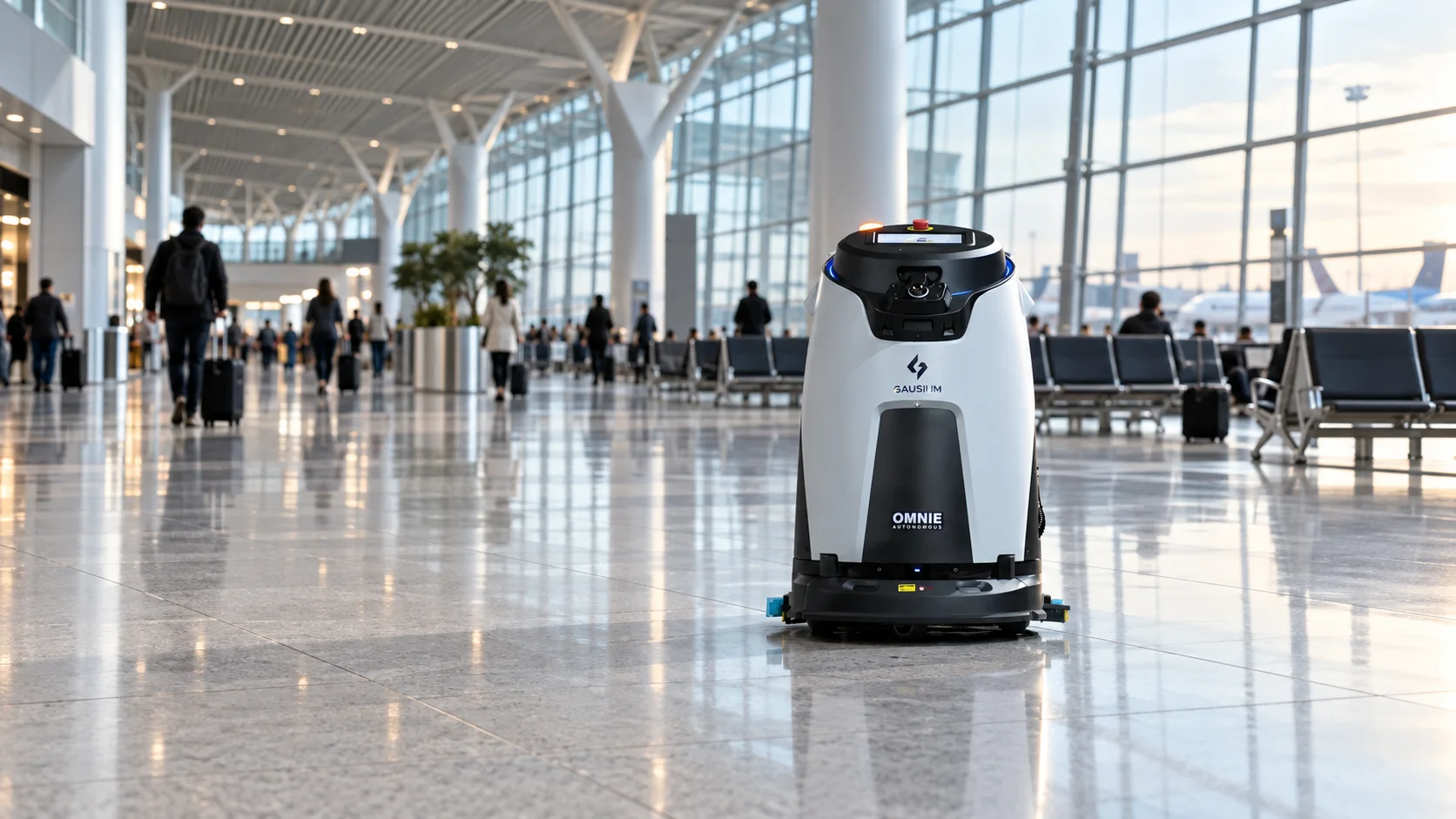
After security, concourses are long corridors with seating, retail and food outlets on either side. Here, airside refers to the indoor passenger areas beyond security, not aprons, taxiways or runways. Spills and food debris appear throughout the day, so spot cleaning of wet and dry waste between scheduled passes is valuable. For the longest hard-floor stretches, Marvel sweeps and scrubs in one pass and is designed for large and complex spaces. Mira, built for mid-sized spaces with airports and transportation hubs among its typical applications, suits connecting corridors and narrower routes, and flushes its waste water tank automatically.
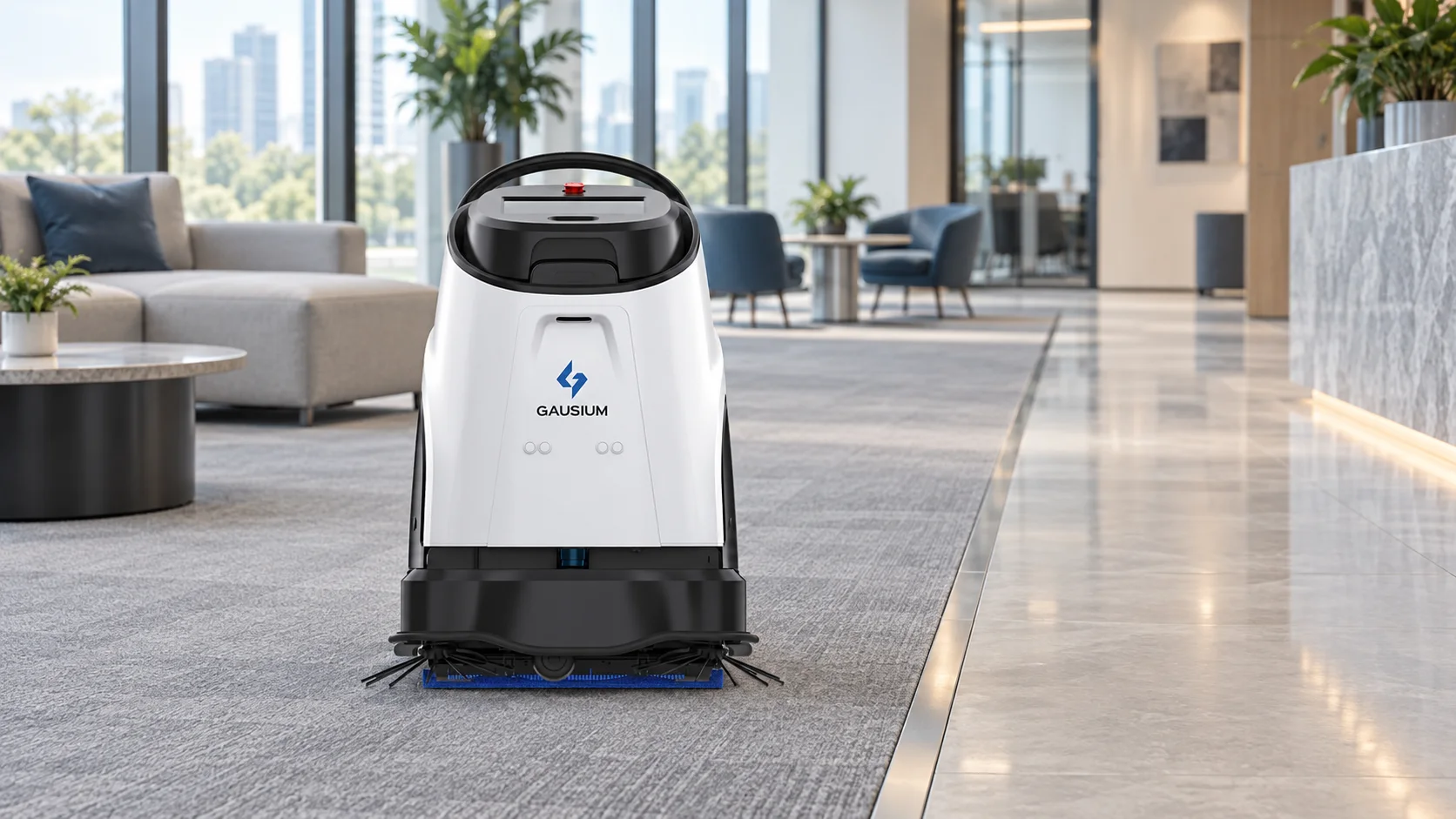
Gate areas alternate between crowded and empty with each departure, and these gaps suit targeted cleaning. Many gate areas include carpet, which calls for vacuuming rather than scrubbing. Vacuum 40 offers light, medium and deep carpet modes for different pile heights, and sweeps and dust mops compatible hard floors. In lounges and offices with a mix of low-pile carpet and hard floors, Phantas vacuums, sweeps, scrubs and dust mops in one compact machine.
Baggage halls receive large groups of passengers at once, followed by quiet periods. Floors around carousels collect grit and packaging debris. Cleaning tasks can be timed to run once each arrival wave clears.
Staff corridors, service routes and offices have lower public visibility but steady use. They can take longer routes while public areas are busy, and they often provide space for docks, workstations and servicing away from passenger routes.
Flight schedules are the starting point for the cleaning plan. Combined with observed traffic, they show when each zone is quiet enough for a full pass and when only a short maintenance run fits. The longest windows go to full-area cleaning, short gaps between peaks go to maintenance passes, and spot cleaning responds to waste as it appears.
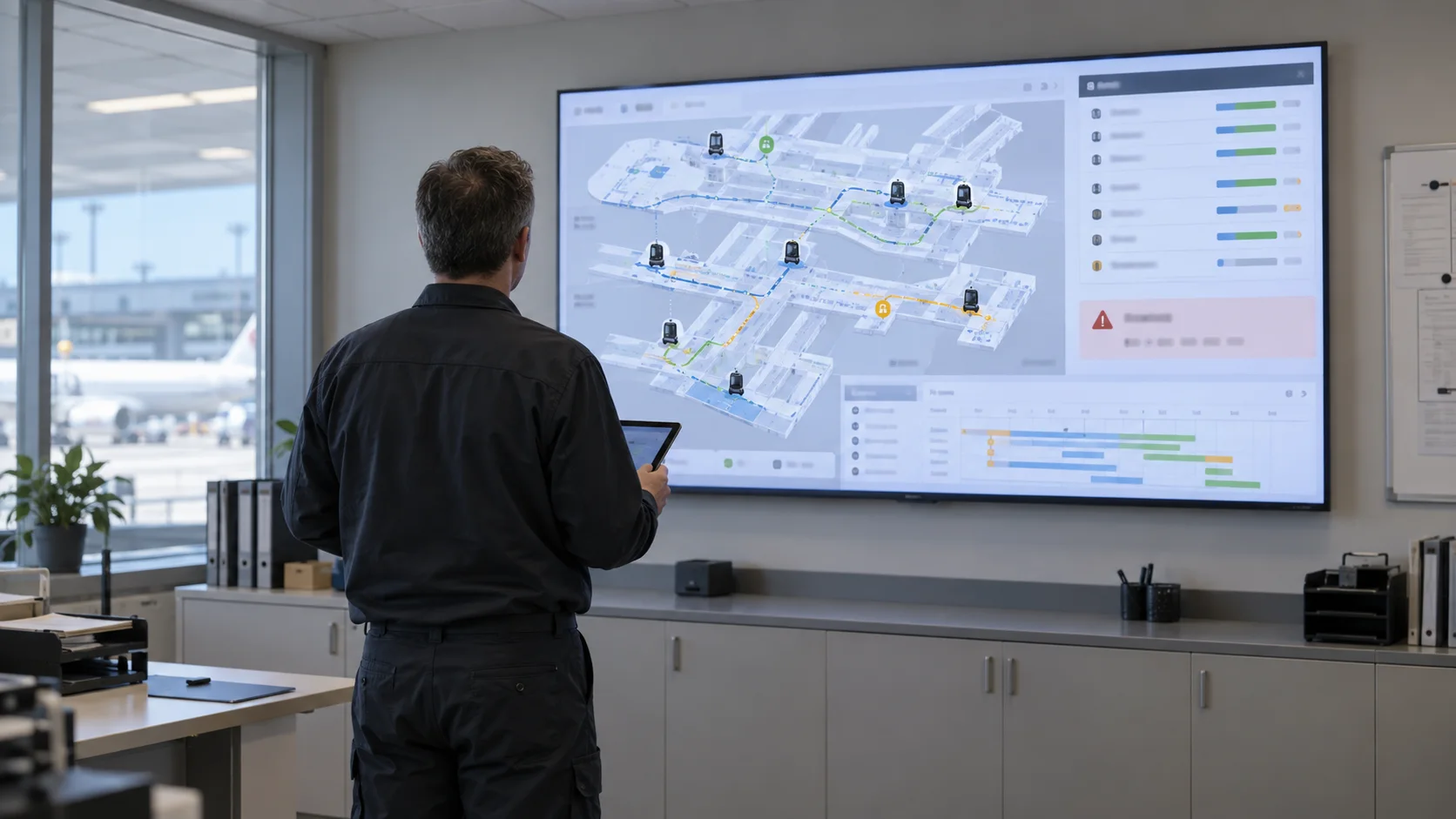
Charging needs a place in this plan too. Docks and workstations should sit where they do not obstruct passenger routes, and the airport should confirm how the proposed configuration handles charging during a long task. Timetable changes and holiday peaks move the quiet periods, so the schedule needs a seasonal review.
Airports have stricter operating rules than most buildings. Before deployment, the airport's security team approves the robots and the staff who operate them for airside passenger areas, and the IT team agrees on data and connectivity. Routes are reviewed with passengers in mind, including people with luggage, wheelchairs and children.
Many terminals spread departures, arrivals and gates over several levels. Compatible Gausium robots can connect to smart elevator systems and use AutoPass for automatic doors, as an optional integration subject to the airport's approval.
In February 2026, Gausium announced that Omnie cleaning robots are operating at Milan Malpensa and Linate airports ahead of the Milano Cortina 2026 Winter Olympics. The project was carried out with Ing. O. Fiorentini SpA, Gausium's official distributor in Italy.
Since September 2024, Salzburg Airport has used two Gausium Scrubber 50 robots with a workstation, supported by Gausium Österreich. The robots clean Terminals 1 and 2, the security area and the check-in area. According to the Salzburg Airport case study, large areas can now be cleaned several times a day, and staff can be deployed where they are needed. Claudia Amerijan, Deputy Head of Department for Cleaning & Landscaping, said: "The cleaning performance of the robot is very good."
Da Nang International Airport introduced Gausium robots on September 10, 2024, with support from Hoan My Company Limited. The robots clean public and internal boarding areas on the first and second floors, including passenger waiting areas. Vacuum 40 handles carpeted zones, while Scrubber 50 robots clean public walkways. The Da Nang International Airport case study reports that cleaning frequency doubled and that cleaning quality and consistency improved.
A practical starting point is one zone with a clear floor type and recurring soil, such as a check-in hall or a concourse section. The trial runs during real flight activity, within the airport's approved procedures, and records coverage, interventions and readiness before peaks. Once the first zone runs reliably, the same approach extends to other halls, levels and terminals. The advantages of cleaning robots in transportation hubs apply across rail and metro stations as well. To plan a terminal deployment, contact Gausium.
They take on recurring floor care in terminals, such as scrubbing hard floors, sweeping, vacuuming carpet and spot cleaning dry and wet waste. Cleaning teams keep restrooms, seating, detail work and immediate responses.
Yes, when the model is designed for busy environments and the route is planned around passenger flow. Gausium Omnie is designed for complex, high-dynamic environments and uses 360° cameras and 3D LiDAR to navigate among people.
Omnie suits busy halls and concourses where dry and wet waste appear during operation. Marvel suits large hard-floor halls that need sweeping and scrubbing in one pass. Mira suits mid-sized halls and connecting corridors.
Yes. Vacuum 40 offers light, medium and deep carpet modes for different pile heights. At Da Nang International Airport, Vacuum 40 cleans the carpeted zones.
Tasks are scheduled into the quiet periods between flight banks, with full-area passes in the longest windows and short maintenance passes between peaks. The schedule is reviewed when timetables change.
Yes, in airside passenger areas beyond security, subject to the airport's security approval for the equipment and its operators. Aprons, taxiways and runways are not part of this type of deployment.
Yes, with compatible models. Gausium robots can connect to smart elevator systems as an optional integration, which allows multi-level routes where the airport approves it.
Step 1/2
Please select the type of business you’d like to have with Gausium.
Choose one item from the list
Step 2/2
Thanks for sharing your preference. Please fill out the form below, and we’ll get in touch shortly.
By clicking “Submit”, I authorize Gausium to contact me. Privacy Policy.
Thank you for filling out the form
By clicking “Submit”, I authorize Gausium to contact me. Privacy Policy.