




UP NEXT
学校における清掃ロボットの安全性:日中稼働前に確認すべき4つのチェックポイント9月 14, 2026

9月 14, 2026
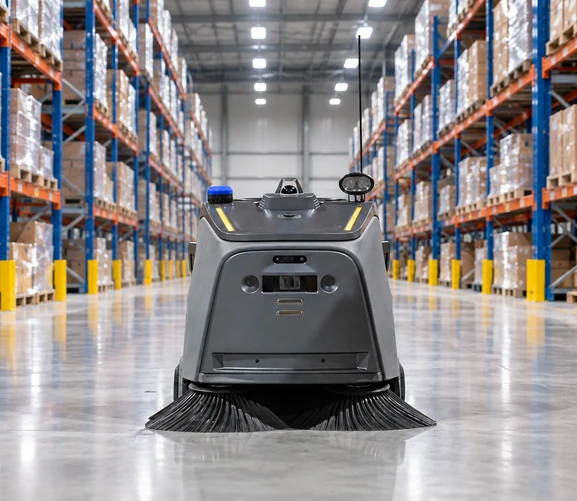
Choosing a sweeper for a large warehouse comes down to the site rather than the specification sheet.
A pick center and a raw materials store are two different problems. One generates paper, packaging and strapping, high in volume and prone to wrapping around a brush. The other is mainly dust, where filtration has to contain fine particulate rather than push it back into the air. Same floor area, different machine.
Available time differs too. Some warehouses have a clear overnight gap, others only the changeover between shifts, and a facility running around the clock may be left with short scattered slots.
So the selection rests on two things: what your floor produces, and how long you have to clear it. Cleaning width, runtime and bin capacity are worth comparing only once those are fixed.
|
Approach |
Suits |
Gausium model |
Limit |
|
Sweeping |
Dry debris and dust on sealed concrete or epoxy, including semi-outdoor areas on the same route |
Does not lift soil already worked into the surface |
|
|
Scrubbing |
Ground-in residue and marked traffic lanes |
Spreads loose debris if the floor has not been swept |
|
|
Sweep and scrub in one pass |
Large open plates carrying both |
Better on open floor than in tight racked aisles |
Most large warehouses are mainly a sweeping problem. Sealed floors collect grit from tires, dust from pallets and cartons, and packaging shed at every pick face.
That makes scrubbing zonal rather than optional. Traffic lanes, dock aprons and forklift turning areas hold soil that sweeping will not lift, and they are usually a small share of total area on a fixed cycle.
That side of the decision is covered in Industrial Floor Scrubbers for Factories. The full cross-model comparison sits in How to Choose the Best Floor Cleaning Robot for Your Warehouse.
Sort a shift’s debris into three groups and specify to the heaviest one present.
Fine particulate. Concrete dust, cardboard fiber, sand from the yard. The requirement is sealed filtration that maintains itself, not raw suction.
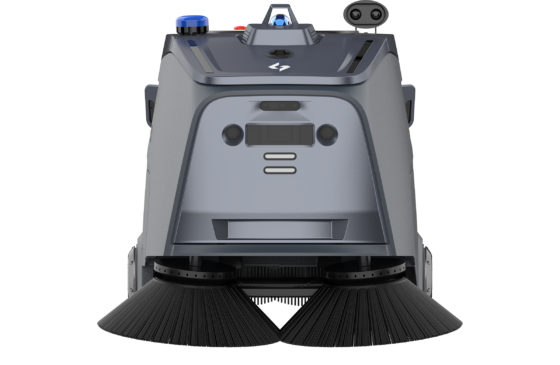
Beetle captures fine dust with strong airflow and HEPA filtration, and runs an automatic HEPA cleaning cycle after each task, so suction does not fade between services.
Dust also carries a compliance angle worth raising internally. OSHA’s 29 CFR 1910.22 requires walking-working surfaces to be kept clean and orderly, and in buildings with combustible dust the cleaning frequency should follow the accumulation rate in a dust hazard analysis rather than a calendar.
A machine that can run at the frequency the analysis requires, rather than the frequency the labor budget allows, is the real argument for automation in a dusty building.
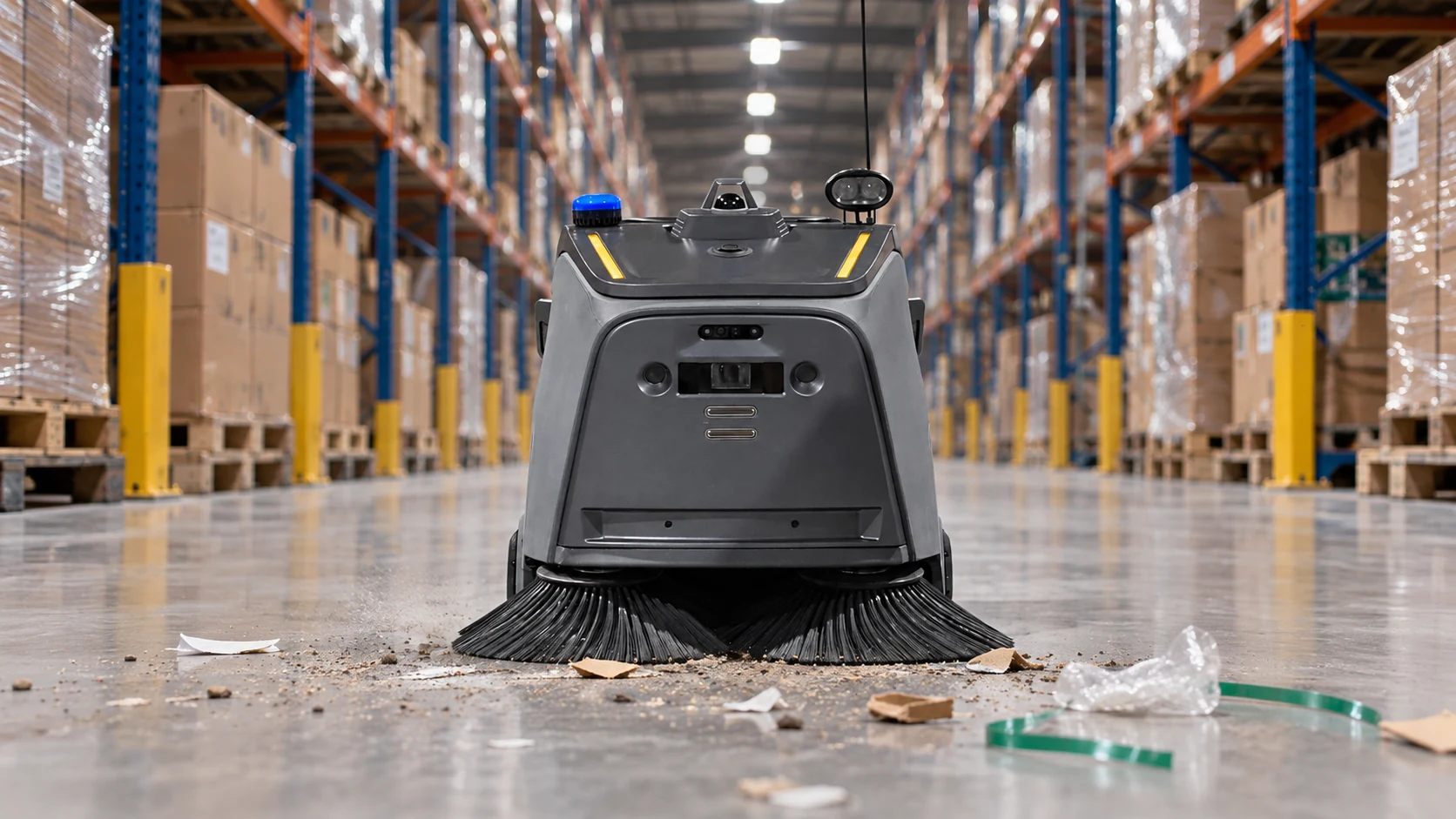
Bulk debris. Paper, packaging, bottles, wood chips and splinters. Beetle’s suction motor covers the range from fine particulate through to bulky items, which allows one pass rather than a sort-then-sweep routine.
Tangling material. Shrink wrap, strapping and banding. No sweeper handles this well, and it is the most common cause of a stalled machine in logistics.
What matters is whether the machine routes around it instead of drawing it into the brush. In a pick center this is usually the group that decides the specification.
Four numbers settle whether one machine covers the site.
|
Input |
How to establish it |
|
Cleanable area |
Total floor minus racking footprint, staged pallets and blocked aisles |
|
Usable time |
Gap between last outbound movement and first inbound shift, minus arrival and clearance |
|
Working coverage rate |
Published working range, reduced for turns, aisle ends and obstacle events |
|
Interruptions |
Bin cycles, charge cycles and expected jams across a full route |
If cleanable area divided by working coverage exceeds the usable time, the site needs a second machine, a route split across two nights, or targeted rather than full coverage.
Targeted coverage is the option most buyers overlook. Beetle’s Spot Cleaning mode concentrates effort on heavily soiled zones while still completing the route, covering up to 40,000 m² in a single night.
Where soil concentrates around dock doors, pick faces and cross-aisles, that finishes an area uniform coverage would not. Cost modeling for the same arithmetic sits in Is an Industrial Cleaning Robot Worth It.
Two sweepers on split zones. Where a site divides into halves with separate dock ends, running both at once shortens elapsed time rather than route length. This suits buildings limited by the window, not the area.
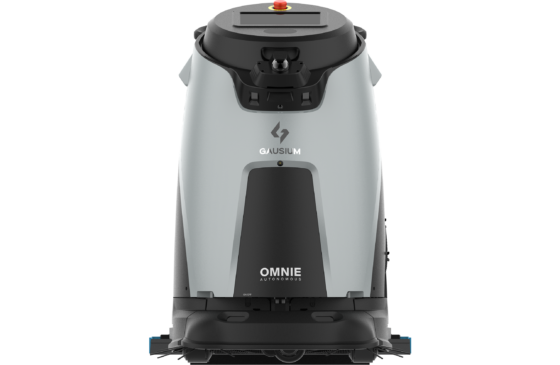
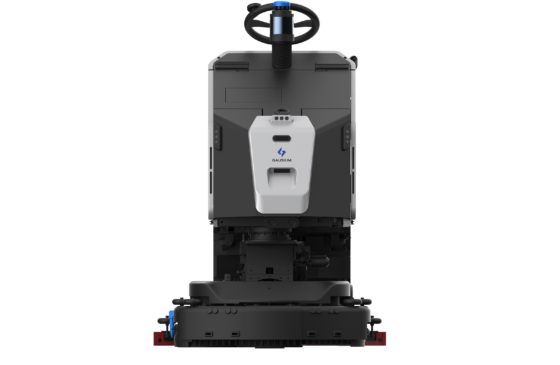
A sweeper and a scrubber in tandem. Beetle and Omnie can run as a synchronized pair: Beetle sweeps an aisle, then signals Omnie to follow and scrub the same path, with no person in between.
That solves a problem large sites rarely solve manually. Sweeping then scrubbing a full floor plate needs two operators or two shifts, which is why many warehouses sweep only and let traffic lanes accumulate residue.
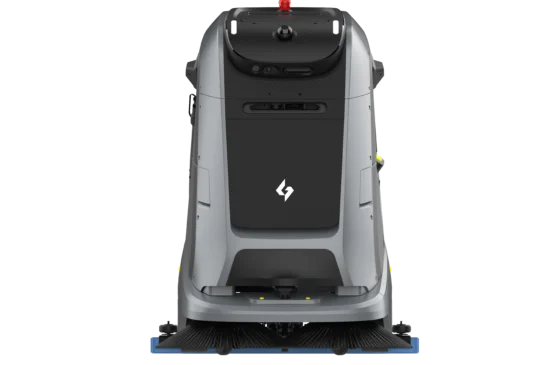
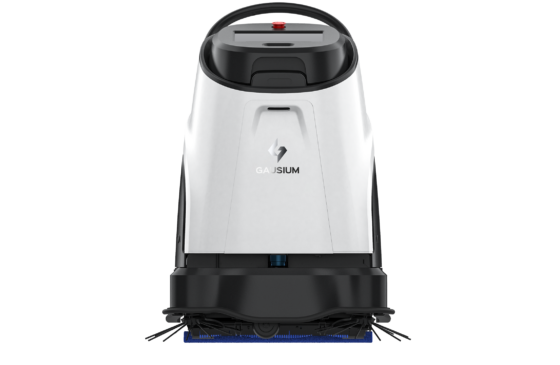
An autonomous handoff removes the labor that made the sequence impractical. Weigh it against a single sweep-and-scrub machine such as Marvel: combination machines suit large open plates, tandem operation suits sites where sweeping and scrubbing cover different areas.
Low light. Overnight lighting is often reduced, which is when the machine works. Beetle navigates on 3D LiDAR and runs reliably in low light and darkness, so the schedule does not depend on the lighting plan.
Layout volatility. Pallets staged mid-aisle are routine. A machine that treats one as a map error rather than an obstacle needs attention every time inventory moves.
Shared traffic. Forklifts do not slow down. Most sites restrict robot routes to defined periods, and that restriction belongs in the usable time rather than being assumed away.
Envelope crossings. Routes including the yard or apron need door integration, or someone holds a door. Beetle uses AutoPass for this, and the semi-outdoor picture is covered in Outdoor Cleaning Robots for Commercial Areas.
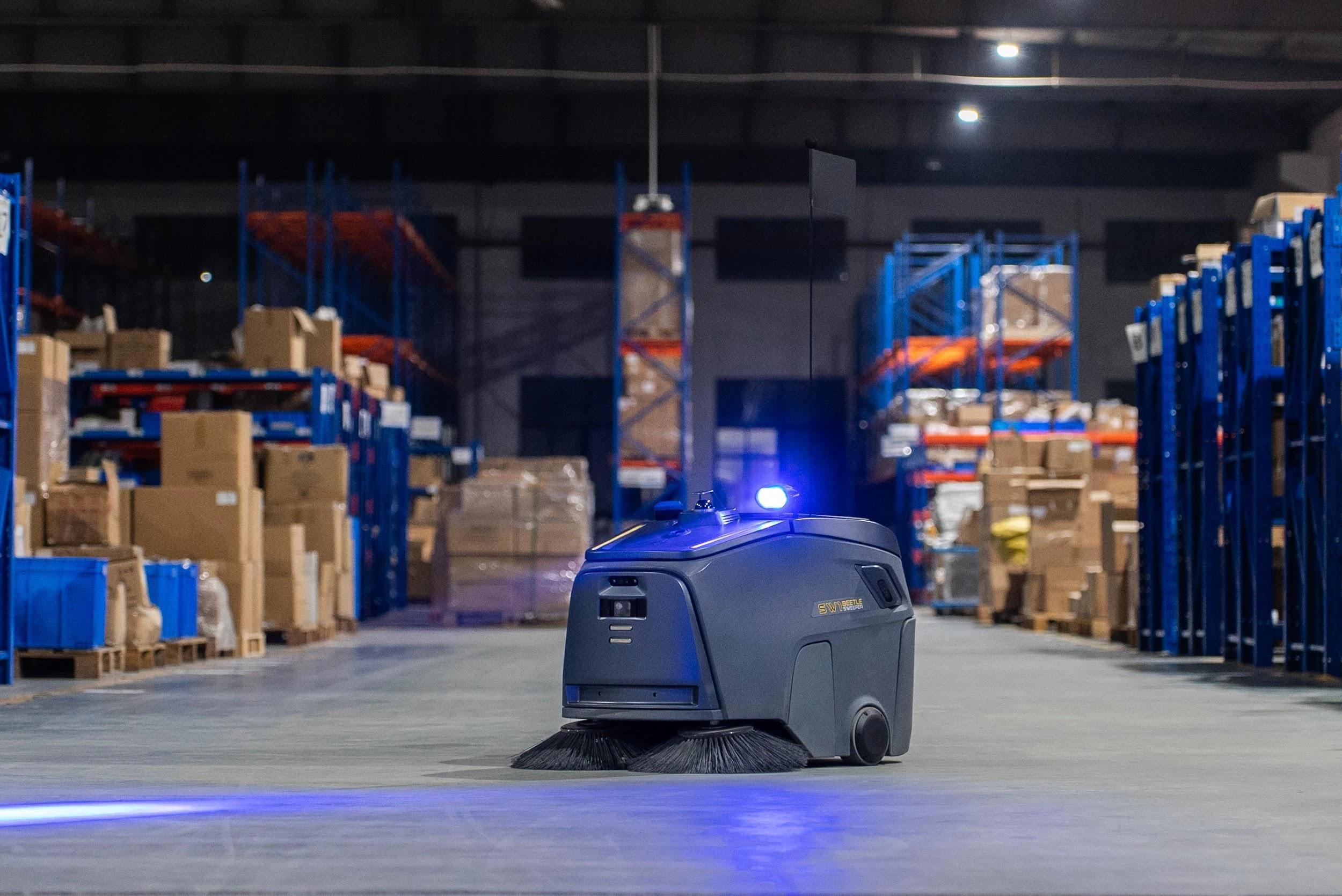
A demonstration on open floor confirms very little at this scale. Five figures from a real overnight run confirm the arithmetic above.
Run the trial across a normal operating week rather than a quiet one. Gausium’s warehousing solutions page covers sites needing both dry and wet coverage.
Step 1/2
Please select the type of business you’d like to have with Gausium.
Choose one item from the list
Step 2/2
Thanks for sharing your preference. Please fill out the form below, and we’ll get in touch shortly.
By clicking “Submit”, I authorize Gausium to contact me. Privacy Policy.
Thank you for filling out the form
By clicking “Submit”, I authorize Gausium to contact me. Privacy Policy.