




UP NEXT
ロボット床洗浄機のメンテナンス方法:日次・週次・月次チェックリスト6月 24, 2026

8月 10, 2026
Selecting an industrial floor scrubber starts with the factory’s floor conditions and daily workflow. The type of soil, available passage space and cleaning window determine which cleaning method is practical.
Dry debris may call for sweeping, while adhered dirt requires wet scrubbing; some areas need both. The proposed machine must also fit around equipment, material movements and routine servicing.
This guide connects those requirements to equipment selection, shows where Gausium’s three industrial models fit, and explains what to verify in a trial on your own floor.
Walk the proposed cleaning areas with production, facilities and cleaning staff. Separate everyday dry debris from adhered soil, and identify any contamination that needs a specialist response. Record where each occurs rather than describing the whole factory as “heavily soiled.”
|
Typical requirement |
Process to evaluate |
Selection question |
|---|---|---|
|
Loose dry debris across hard floors |
Sweeping or an appropriate dry-collection process |
Can the machine collect the actual material and manage the resulting dust load? |
|
Adhered everyday soil on suitable hard flooring |
Scrubbing with effective water recovery |
Does the configured process achieve the required result without unacceptable residue? |
|
Routine dry debris together with washable soil |
A combined sweep-and-scrub process |
Can both tasks be completed effectively in one pass under normal conditions? |
|
Unidentified spills or potentially hazardous material |
The site’s specialist handling procedure |
What must be isolated and assessed before routine equipment enters? |
A scrubber is not automatically the answer to every industrial cleaning requirement. Conversely, a sweeper does not provide a wet wash. Establishing this distinction early prevents a large machine from being selected for the wrong process.
The relevant area is the floor the machine can reach and clean, not simply the total building footprint. Measure operating routes, turning spaces and access points. Note loading activity, pedestrian crossings, temporary storage and the locations where equipment routinely stops.
Changing layouts need a management plan. A pallet temporarily occupying an aisle differs from a production line being permanently relocated. Assess obstacle response during normal operation, and establish how maps or task areas will be reviewed after a permanent change.
Autonomous navigation does not replace the site’s traffic arrangements. Routes and cleaning windows should be agreed with the people responsible for production and workplace safety.
A factory may offer several useful windows: before a shift, during a planned break, between production activities or after operations finish. A quieter period can reduce interruptions, but the best schedule depends on access and the cleaning requirement.
Include more than cleaning time. The plan needs to accommodate charging, water handling where relevant, debris emptying and daily equipment checks. Locate service points so the machine can reach them without creating avoidable travel or blocking operations.
Do not assume a machine with a long advertised runtime will complete every shift without attention. The limiting factor may instead be the collection capacity, water supply or repeated route interruptions.
An operator-controlled machine can offer flexibility for short, irregular tasks. Autonomous cleaning is worth evaluating where a repeatable floor-cleaning workload can be defined and scheduled.
The two approaches can also coexist. A robot can undertake planned floor routes while the team manages exceptions, detailed work and other cleaning responsibilities. The objective is reliable task allocation, not an assumption that all work must use the same method.
Compare the complete operating routine: preparation, route completion, service stops, inspection and follow-up. A high nominal cleaning rate has limited value if the machine cannot finish the required route within the available window.
Different cleaning processes call for different equipment within the Gausium range:
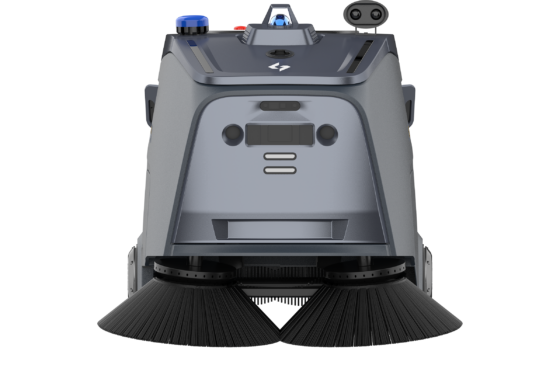
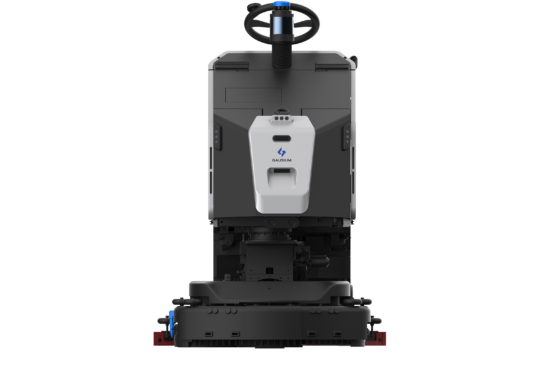
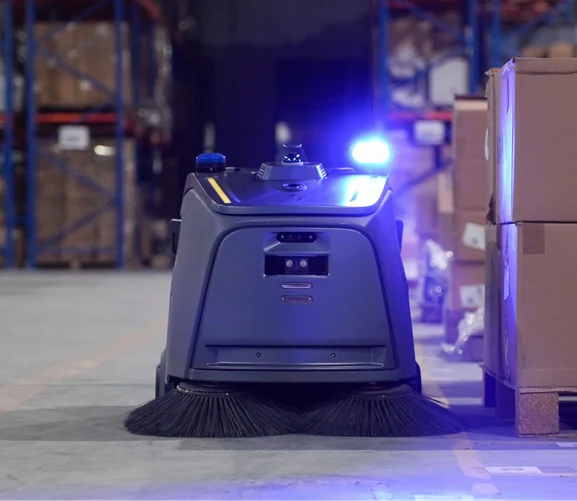
Marvel sweeps with front side brushes and scrubs with rear disc brushes in a single pass, so it suits large production and warehouse floors where dry debris and washable soil occur together.
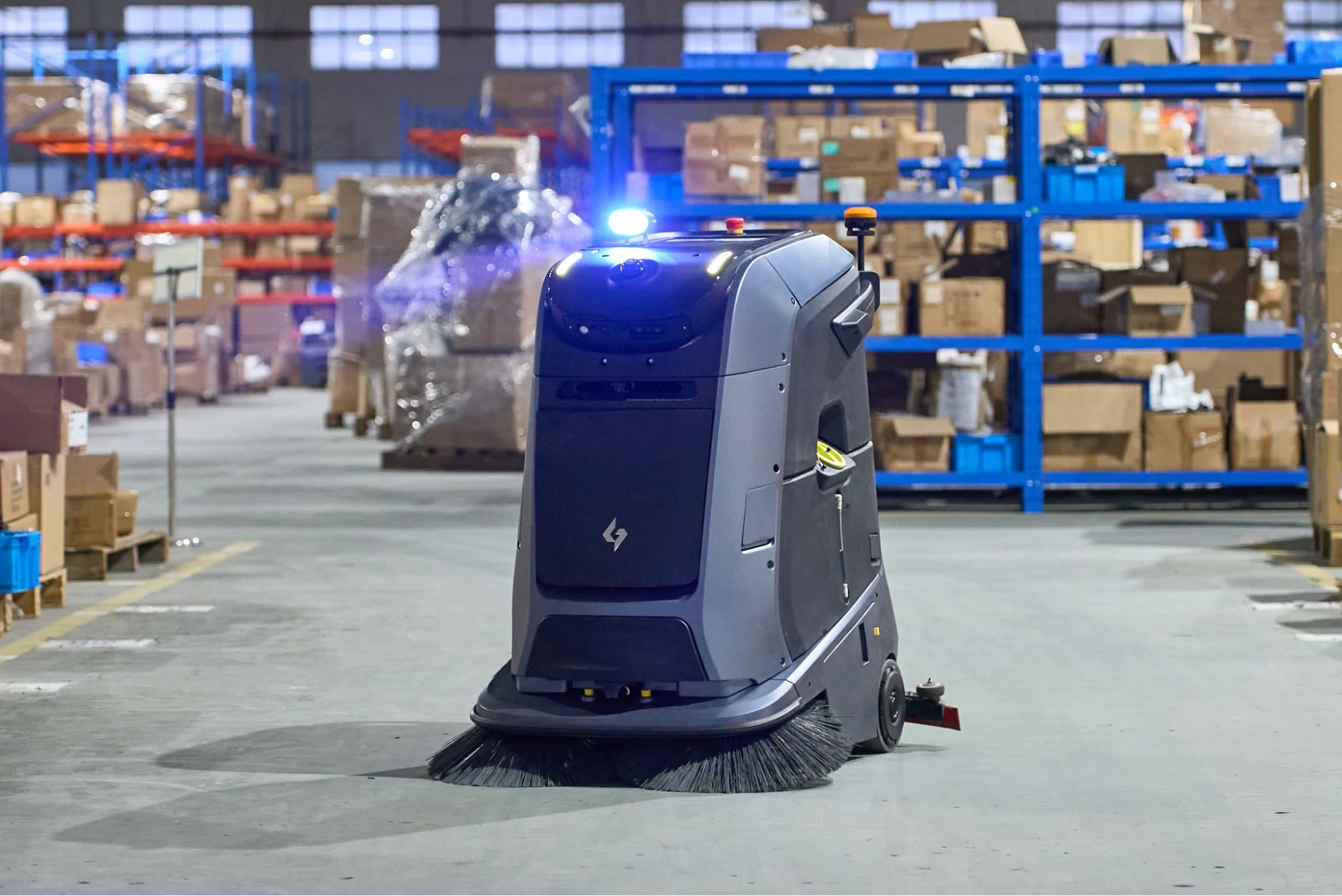
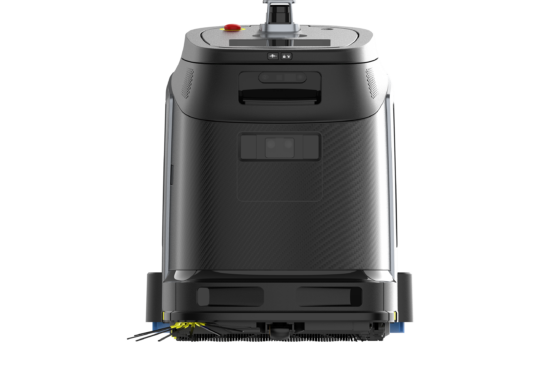
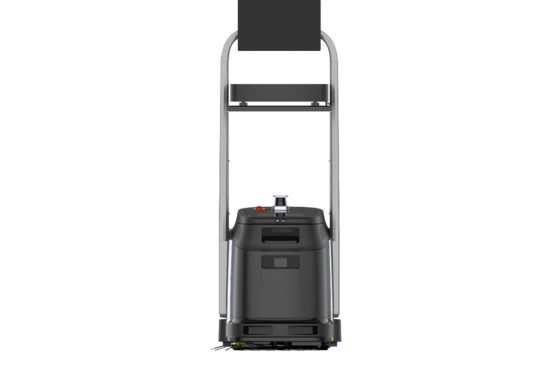
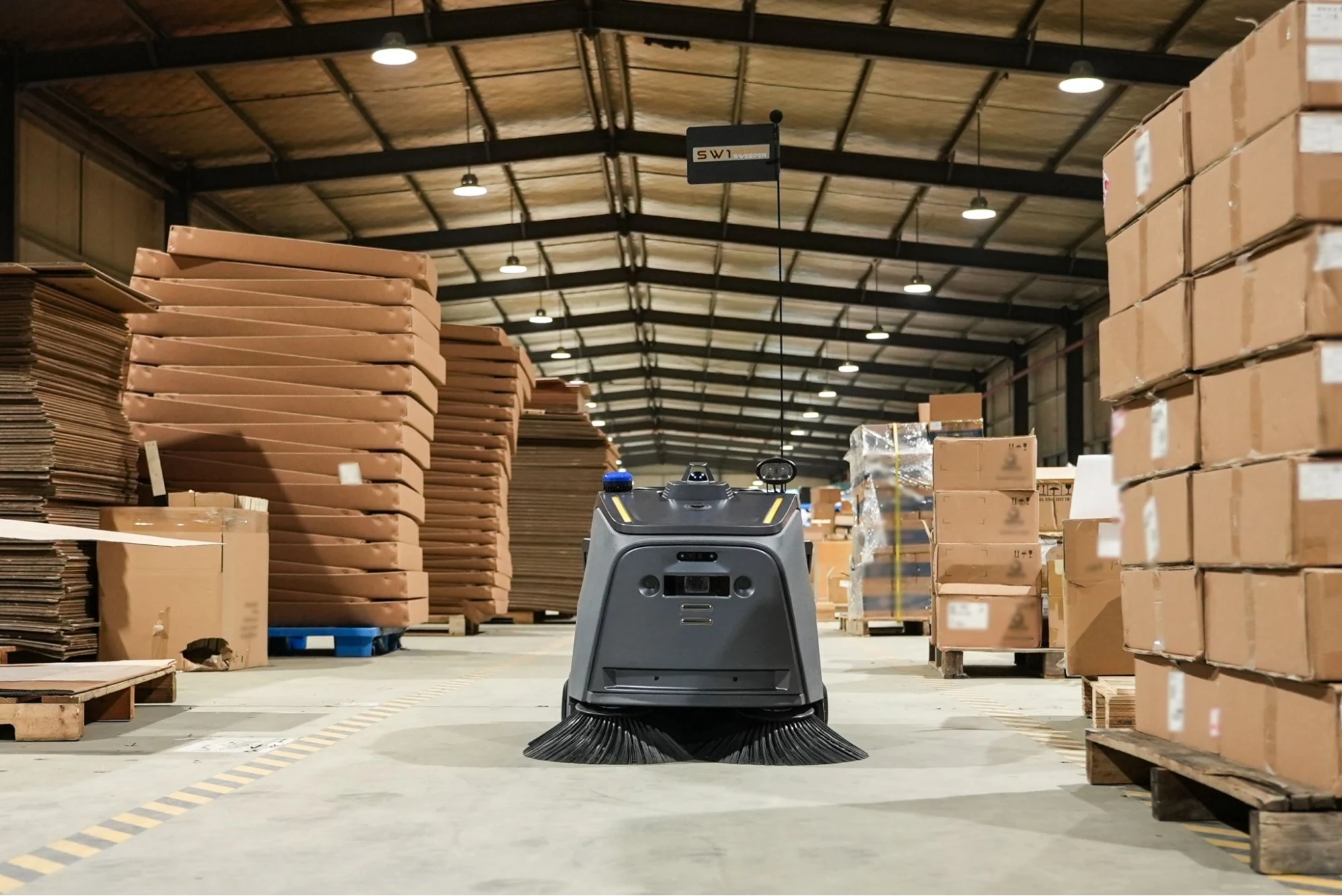
Beetle is a heavy-duty autonomous sweeper for indoor and outdoor applications. It collects dry debris from fine dust and sand to paper and wood chips, and does not scrub, so it suits routes where dry-debris collection is the central requirement. At Loulis Food Ingredients, one Beetle with a charging dock covers 2,500 m² per day, providing a site-specific example of scheduled warehouse sweeping.
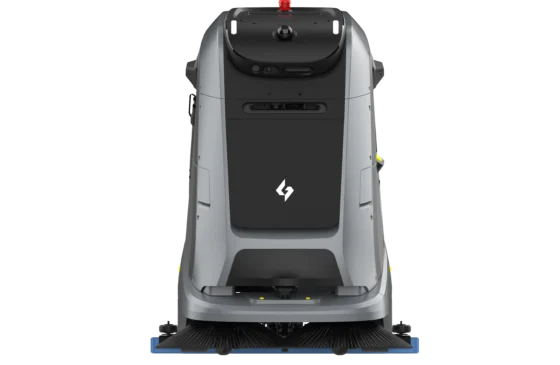
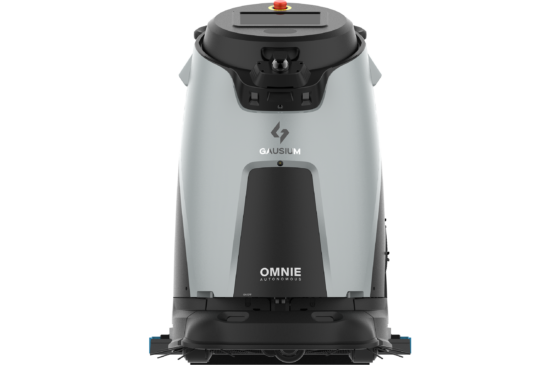
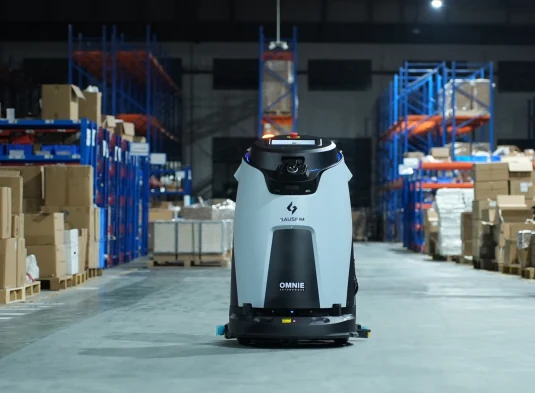
Omnie is designed for complex, highly dynamic environments. Its AI spot cleaning identifies dry and wet waste, making it relevant to areas where soiling is unevenly distributed around equipment and walkways.
These are starting points for a site assessment, not fixed assignments based on building type. Confirm the actual flooring, debris, route constraints and required configuration before selecting a model.
Once a cleaning method and model are shortlisted, trial them on a representative route under normal production conditions, and agree what an acceptable result looks like before the test begins. Our four-criteria industrial floor scrubber evaluation checklist sets out what to record, what to ask the supplier and what to verify during the trial.
The right factory cleaning solution is the one that fits the floor, production routine and expected standard together. Contact Gausium with your cleaning areas and operating requirements to develop a suitable assessment.
It depends on route length, debris type, water access, and how unattended the work needs to be. Across Gausium’s industrial range, Marvel covers main aisles and large floor plates, Beetle handles dry debris, and Omnie suits plants where soiling is uneven.
Workflow should come first. Frequent stops for refilling, draining or access interruptions can prevent a machine from completing its planned route, regardless of scrub width.
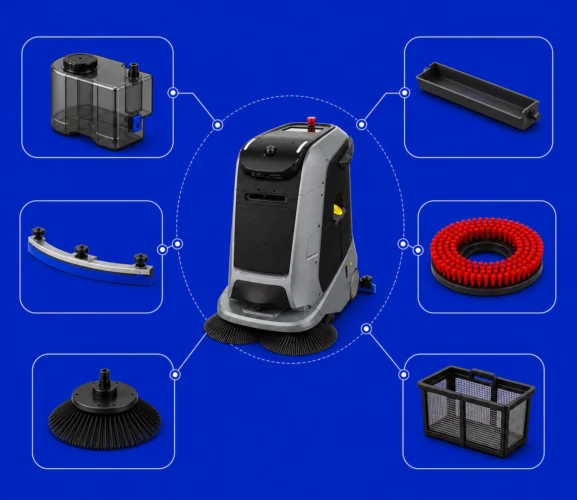
Yes. Marvel uses a patented front-mounted dual side brush system to sweep fine dust and larger debris into a built-in tray, while the rear disc brushes scrub the floor behind it in the same pass, so the route does not need a separate pre-sweep.
They can suit industrial routes where the cleaning task and operating conditions match the selected model. Assess debris, traffic and access during a site trial rather than treating changing layouts or vehicle activity as automatic exclusions.
Trial the machine on a representative route and record completed coverage, remaining soil and interruptions. Repeat the check under normal production conditions to see whether the planned cleaning window is achievable.
Gausium industrial machines use 3D LiDAR with vision to detect people and vehicles and adjust their path, and Omnie adds a 360 degree panoramic camera for continuous traffic. Route rules should still be agreed during the site assessment.
Beyond purchase price, include consumables and their lead time, service response, and the cleaning hours the machine actually displaces. Slow parts delivery puts labor back on the schedule, so it belongs in the total cost. Compare after a trial on your own floor.
Step 1/2
Please select the type of business you’d like to have with Gausium.
Choose one item from the list
Step 2/2
Thanks for sharing your preference. Please fill out the form below, and we’ll get in touch shortly.
By clicking “Submit”, I authorize Gausium to contact me. Privacy Policy.
Thank you for filling out the form
By clicking “Submit”, I authorize Gausium to contact me. Privacy Policy.