




UP NEXT
Autonomous Sweepers for Large Warehouses in 2026: A Selection GuideSettembre 14, 2026

Settembre 14, 2026
For a contract cleaning business, the constraint on taking more work is usually recruitment. Without reliable people a new site cannot be staffed, and hires who do not stay or do not perform leave the same gap.
Three published figures frame the problem:
Cleaning robots do not solve recruitment. What they change is how much ground one crew can hold.
Floor care is the most time-consuming and most schedulable block in a shift. Moving it to a machine lets the same headcount cover more sites.
That shows up in three places, and this article works through each in turn.
This is the fastest gain, and the least visible to the client.
A machine running the main circulation route frees the operative who was pushing it. Those hours move into detail work that was previously compressed or skipped: skirtings, high-touch surfaces, restroom checks.
The contract value does not change. Delivery quality does, and that is what protects the renewal.
Size this against the floor-care block specifically, not against total contract hours. A site allocation splits into floor care, restrooms, waste, high-touch surfaces, replenishment and reactive tasks. Only the first block automates.
Night shifts carry a wage premium and the weakest retention in the sector. They are also where most floor care currently happens.
A machine that completes a full-coverage route unattended lets a contractor hold a site overnight with a reduced presence rather than a full crew.
That changes two things at once: the cost base, and the number of hard-to-fill positions the business has to keep refilling. Given that most of the sector’s annual openings exist to replace leavers, every position that stops turning over removes a full recruiting and onboarding cycle.
This is the gain that grows the business rather than trimming it.
If a machine holds floor care at Site A while a two-person crew works Site B, that crew becomes a two-site crew.
The constraint shifts from headcount to travel time and machine transport, which is a scheduling problem rather than a hiring problem.
Most contractors see the first two sources within a quarter. The third needs deliberate route planning across the portfolio, and it is where the real capacity sits.
The following is illustrative and uses round numbers rather than figures from any specific contract. Substitute your own.
|
Input |
Assumption |
|
Site |
6,000 m² hard floor |
|
Current staffing |
3 operatives, 4-hour evening shift, 12 crew hours per night |
|
Floor care share of shift |
40 percent, or 4.8 crew hours |
|
Route a machine can own unattended |
70 percent, with edges, stairs and obstructed areas manual |
Result: roughly 3.4 released hours per night, or about 17 hours across a five-night week.
Around two hours per night are reabsorbed into detail work that was previously rushed. The remaining 1.4 hours per night, roughly seven hours a week, is transferable capacity.
Seven hours a week is not a second contract. Across four sites in the same cluster it is 28 hours, close to a full-time equivalent, and that is the level at which new work can be taken on without recruiting.
Three assumptions deserve testing against your own operation:
The same arithmetic from the building owner’s side is worked through in Gausium’s ROI guides for retail and warehouse and distribution sites, which is useful when a client asks how the numbers look from their position.
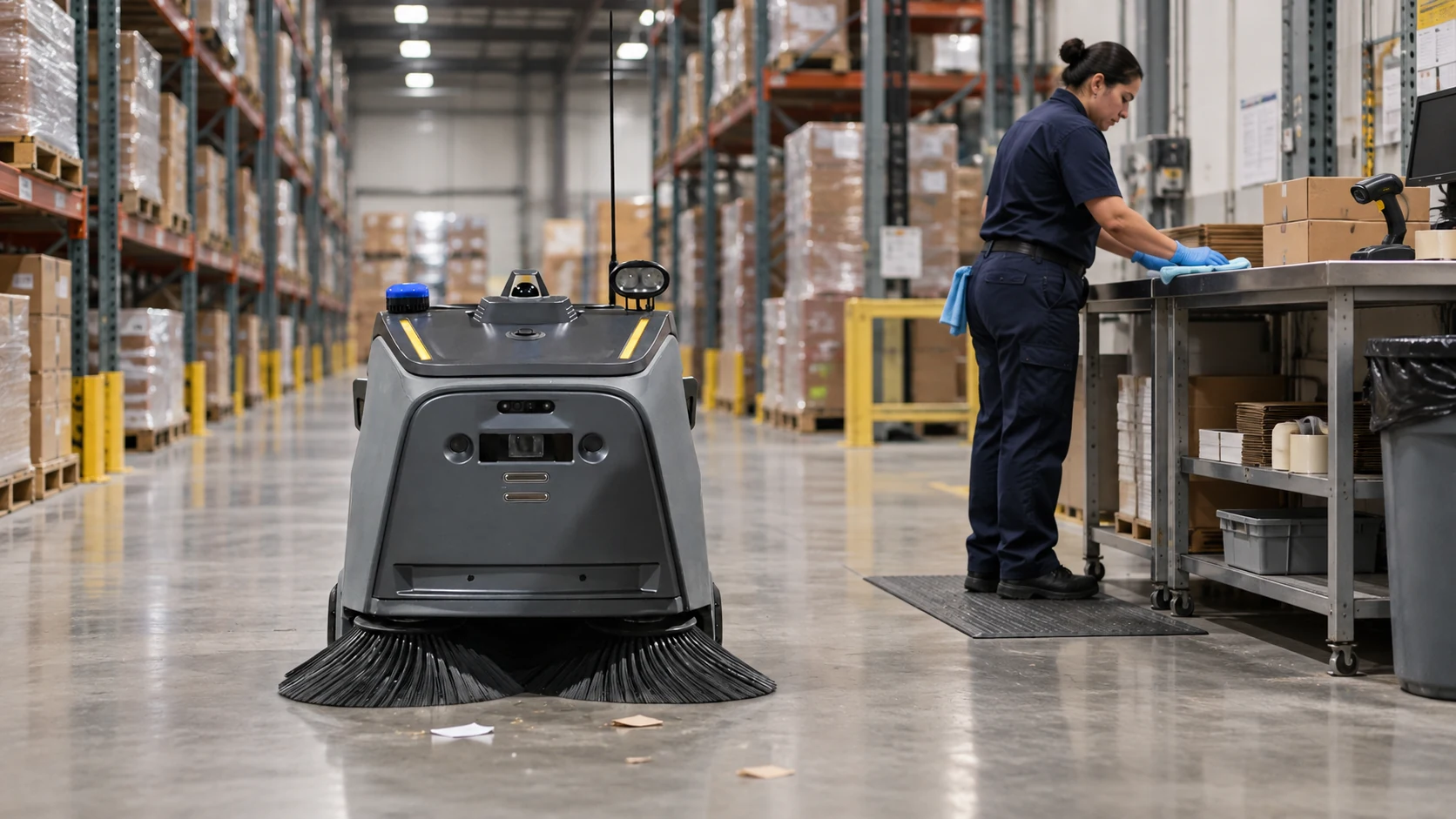
Capacity is the operational story. The commercial story is what a contractor can now put in a bid document.
Verifiable delivery. Machine-generated task records replace sign-off sheets. When a client questions whether a floor was cleaned on a given night, a timestamped record settles it.
In tenders previously decided on price alone, that is a real differentiator.
Daytime service as a deliverable. Most contracts assume floor care happens outside occupied hours. A contractor able to offer maintenance during opening hours is offering something the incumbent probably is not.
Where the client’s complaint is about how the floor looks at 15:00 rather than at 07:00, that is the whole pitch.
Consistency clauses you can meet. A machine runs the same route the same way regardless of who is on shift. Contractors have historically avoided committing to consistency standards because staffing variation made them unenforceable.
Clear scope boundaries. State which tasks the machine covers and which stay manual. A tender that implies full automation invites a dispute in month three.
The one thing to avoid is a headline labor-reduction figure. It is the number clients remember and contractors most often miss, because first-year released hours land in detail work rather than in cost savings.
A contractor’s portfolio is more varied than a single owner’s, which turns the question from “which machine” into “which two or three cover most of what we hold”.
|
Contract type |
Dominant floor condition |
Machine to specify |
|
Offices and mixed workspace |
Carpet in occupied areas, hard floor in circulation |
|
|
Small retail, clinics, branches |
Narrow hard-floor aisles, frequent layout change |
|
|
Supermarkets and mid-format retail |
Mid-sized hard floor broken by fixtures |
|
|
Hypermarkets and large-format retail |
Large open hard floor, coarse debris |
|
|
Transport, malls, large public buildings |
Complex circulation, continuous occupancy |
|
|
Warehouses, industrial, semi-outdoor |
Dry debris on sealed concrete |
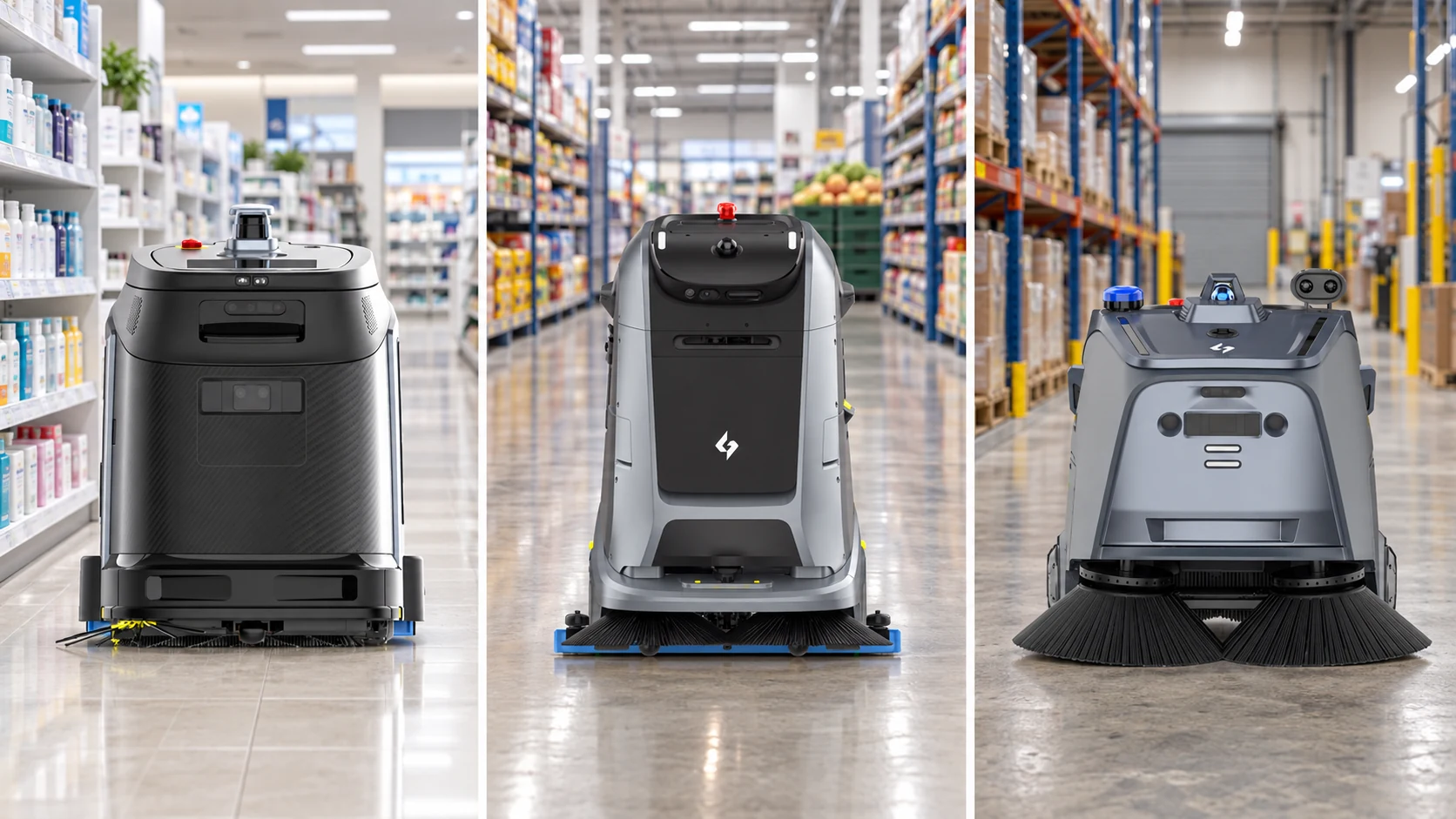
Two machines usually cover a regional contractor’s portfolio; three cover almost all of it.
Standardizing narrows training, spares and troubleshooting to a manageable set, which matters far more to a contractor than to a single-site owner.
Where a contract mixes hard floor and carpet in one building, settle the surface question before the machine question. Gausium’s contract cleaning solutions page sets out coverage across the range.
The order in which sites are automated decides whether the program builds momentum or stalls.
Pick the pilot for evidence, not difficulty. The right first site has a supportive client, a simple hard-floor layout, and a supervisor who wants it to work. Starting at the most problematic site produces an unconvincing result.
Record the assist count from day one. How many times per shift someone intervenes is the number that predicts whether a site can run with reduced presence. It should fall sharply in the opening weeks, then flatten.
Redeploy before buying the second machine. A machine that has stabilized at one site can often prove the case at a second before capital is committed. It also surfaces transport and access issues early.
Bring the client into the reporting. A client who can see task records is a client who renews. Withholding them and producing them during a dispute wastes the strongest commercial asset in the deployment.
Train more people than you think you need. In an occupation where most annual openings exist to replace leavers, a site where one person knows how to start the machine loses automation the week that person leaves.
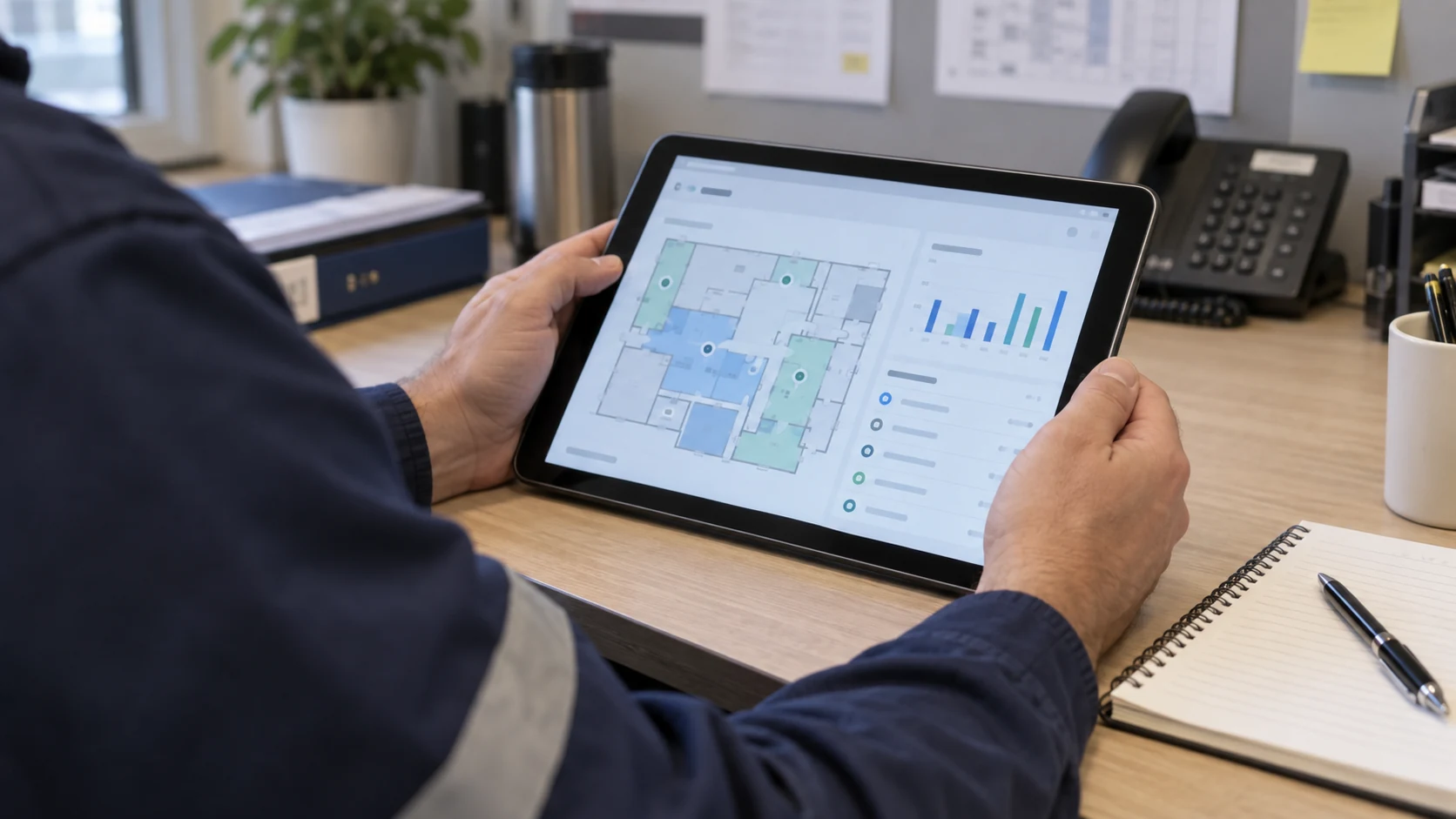
Four categories break the arithmetic for contractors who model the gain too broadly.
Edge and detail work. Skirtings, corners, under furniture and around fixed equipment stay manual, and they are a meaningful share of the floor-care block in furnished buildings. This is why the model above assumes 70 percent route ownership.
Restrooms and high-touch surfaces. Untouched by any floor machine, and usually the first thing a client notices when standards slip. These hours are fixed.
Reactive call-outs. Spills, incidents and one-off requests still need a person, and they are the least schedulable part of the contract. Budget them as unchanged overhead.
Periodic works. Refinishing, deep restoration and machine-assisted stripping remain planned manual operations. Automation improves the condition a floor arrives in, which shortens periodic work without removing it.
Model capacity on the floor-care block alone and the numbers hold. Model it on total contract hours and they will not.
It depends on the floor-care share of the shift and how much of that route a machine can own unattended. Model it on the floor-care block specifically, and expect much of the first-year gain to be absorbed into detail work rather than into cost.
Usually with a reduced overnight presence rather than a smaller headcount overall. The stronger commercial case is holding a second site with the same crew, since that grows revenue instead of cutting cost.
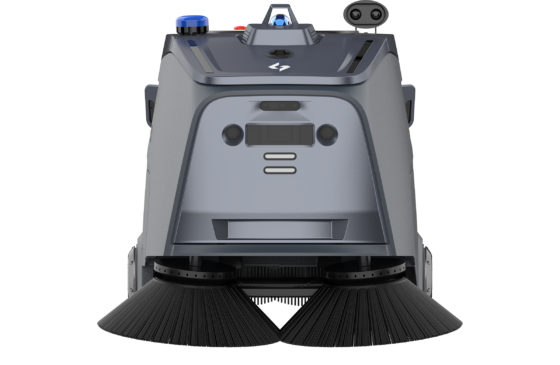
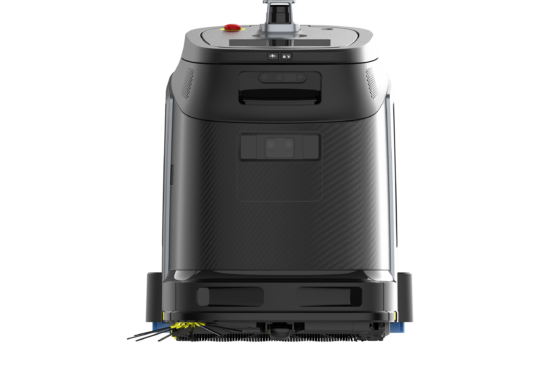
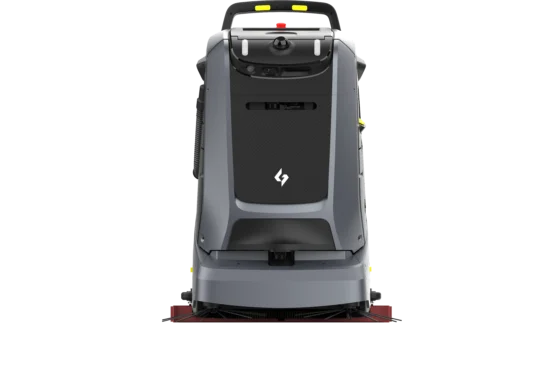
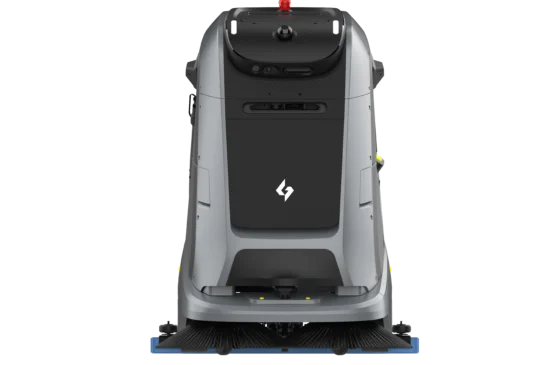
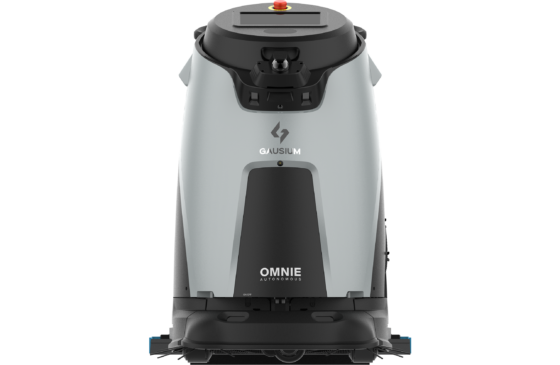
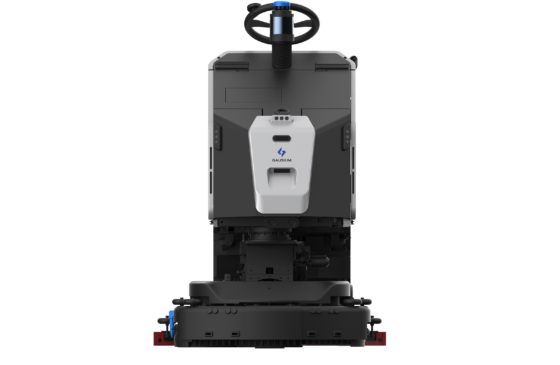
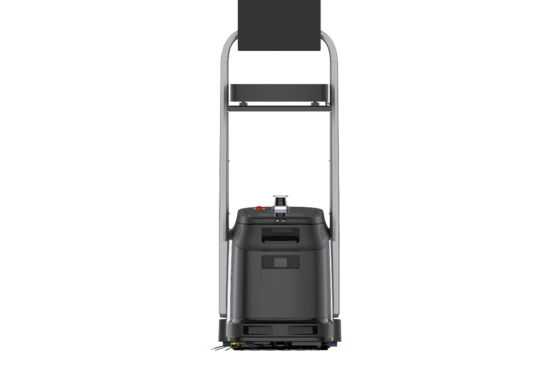
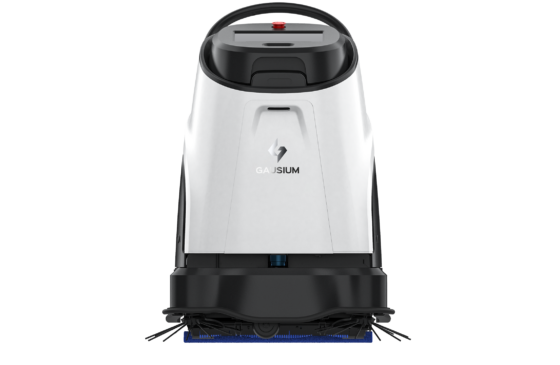
Two or three cover most portfolios. Phantas for constrained interiors, Mira or Marvel by floor plate, and Beetle where contracts include industrial or semi-outdoor floors.
Machine-verified task records, a clear statement of which tasks are automated and which remain manual, and a consistency commitment the machine can meet. Avoid a headline labor-reduction figure.
A simple hard-floor layout with a supportive client and an engaged supervisor. Pilots chosen for difficulty produce results that are hard to sell internally or to the client.
Step 1/2
Please select the type of business you’d like to have with Gausium.
Choose one item from the list
Step 2/2
Thanks for sharing your preference. Please fill out the form below, and we’ll get in touch shortly.
By clicking “Submit”, I authorize Gausium to contact me. Privacy Policy.
Thank you for filling out the form
By clicking “Submit”, I authorize Gausium to contact me. Privacy Policy.