




UP NEXT
Cinque usi operativi dei dati dei robot per la pulizia nel facility managementAgosto 18, 2026

Agosto 18, 2026
A specification written two years ago will still get a factory a working machine.
What it will not do is anticipate the questions that surface six months into a deployment — how data gets pulled across sites, who certifies the technician in each region, how many hours a week the machine quietly takes back in refills and filter cleaning.
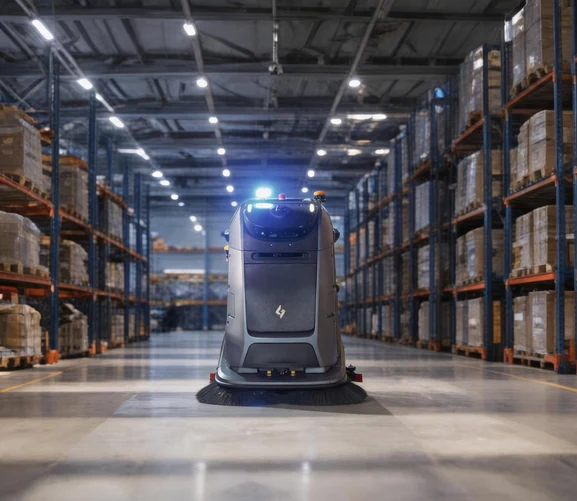
Those questions have entered factory tenders because the way plants deploy has changed. Single-machine trials have given way to multi-zone rollouts, and at that scale the criteria that decide success are not the ones on a spec sheet.
Three shifts explain most of it. Each changes what a specification has to cover, and each has a practical answer.
Large-area sweeping and scrubbing absorbs a substantial share of cleaning hours, and it is the part of the work that depends least on experience.
Detail cleaning, working around equipment, and responding to what happens during a shift are where judgement matters.
The US Bureau of Labor Statistics projects roughly 350,000 annual openings for janitors and building cleaners through 2034. With finite hours available, where those hours go becomes an active decision rather than a default.
The established approach across the industry is to let equipment handle volume and repetition while people handle complexity. Floor routes run to a schedule; the team’s time moves to restrooms, detail work and anything that needs someone on the spot.
What this asks of the machine: that it runs without taking hours back.
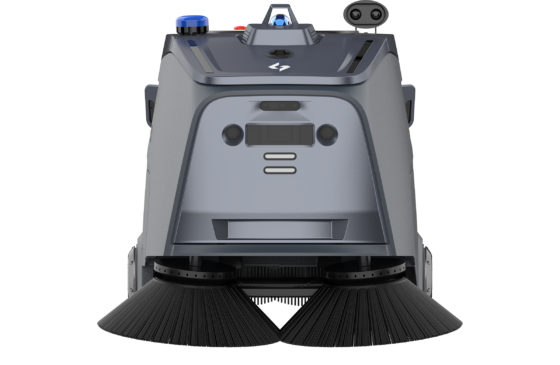
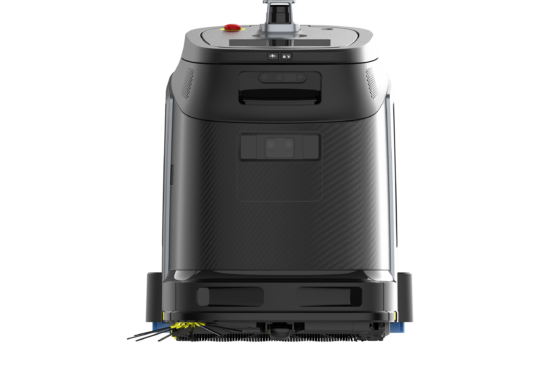
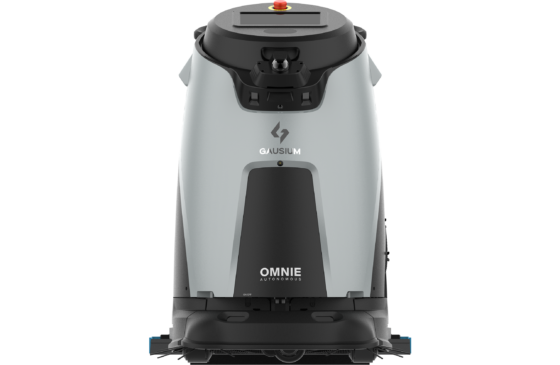
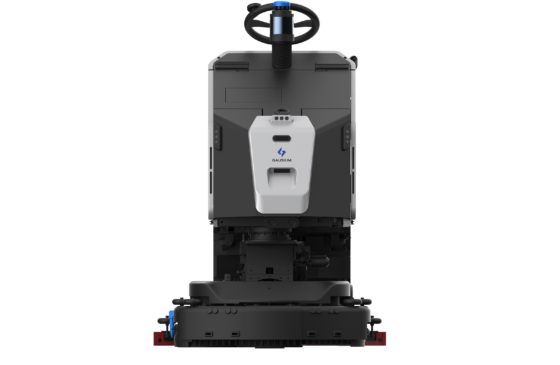
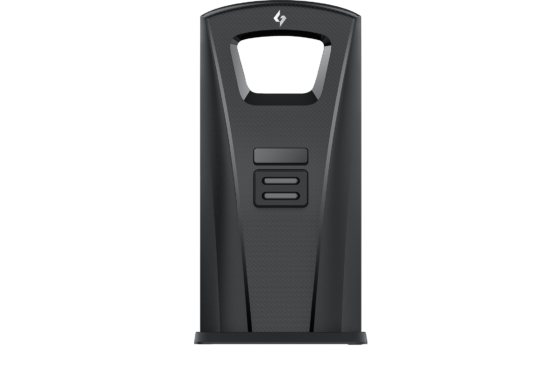
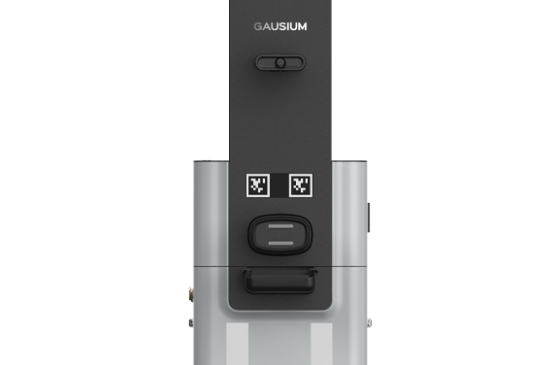
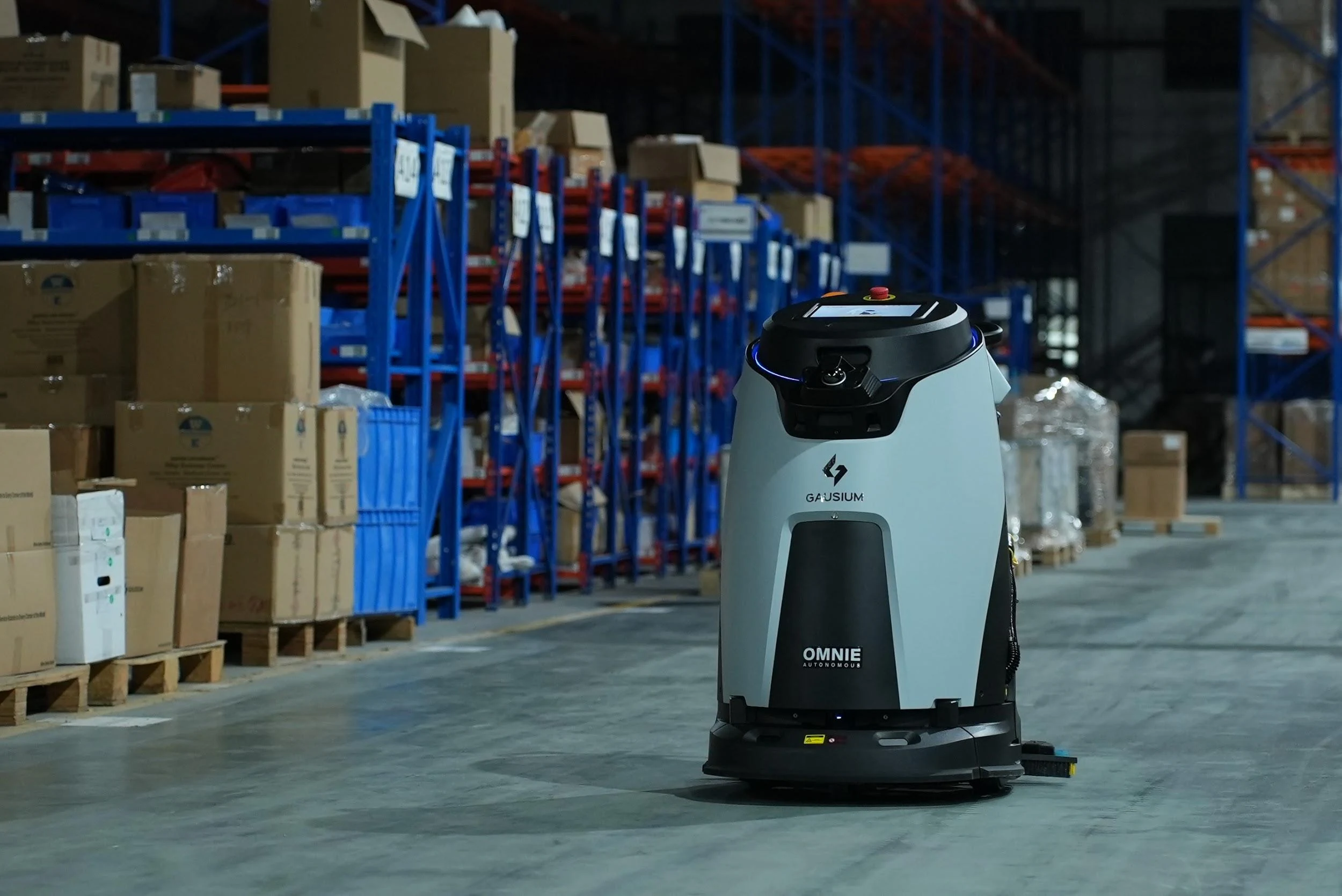
Gausium models paired with a docking station charge and drain autonomously for 24/7 unattended operation:
Refilling, draining and filter clearing recur every shift. Each one moved off the team is an hour that stays where it was reallocated.
The standard path three years ago ran one machine, one area, three to six months of observation, then a decision on whether to expand.
That timeline has compressed noticeably.
ISSA’s Cleaning & Maintenance Management observed in 2026 that the decline of extended pilot periods may be the clearest signal of where the market stands — facility managers who once proceeded cautiously now lean on the deployment evidence the industry has already accumulated.
Two things account for it:
What this asks of the machine: a short path from delivery to output.
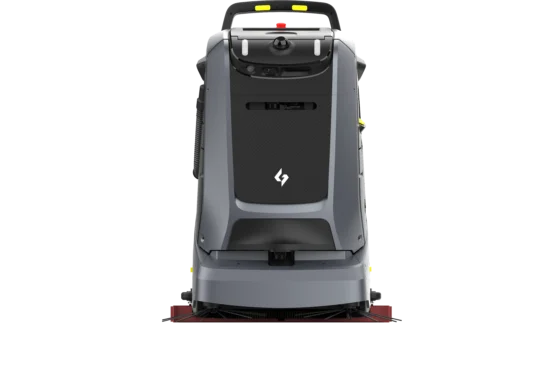
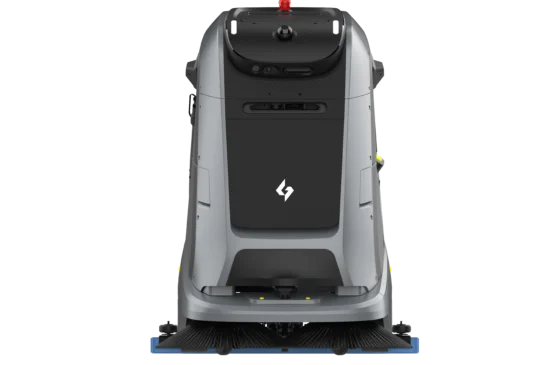
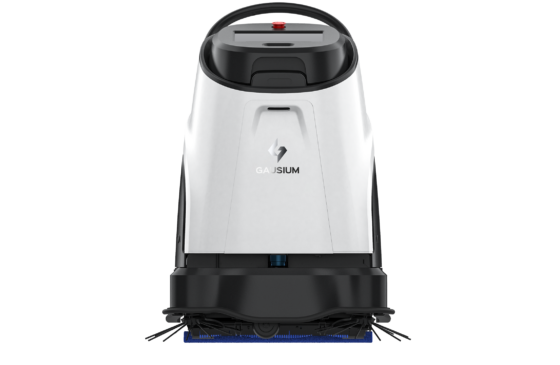
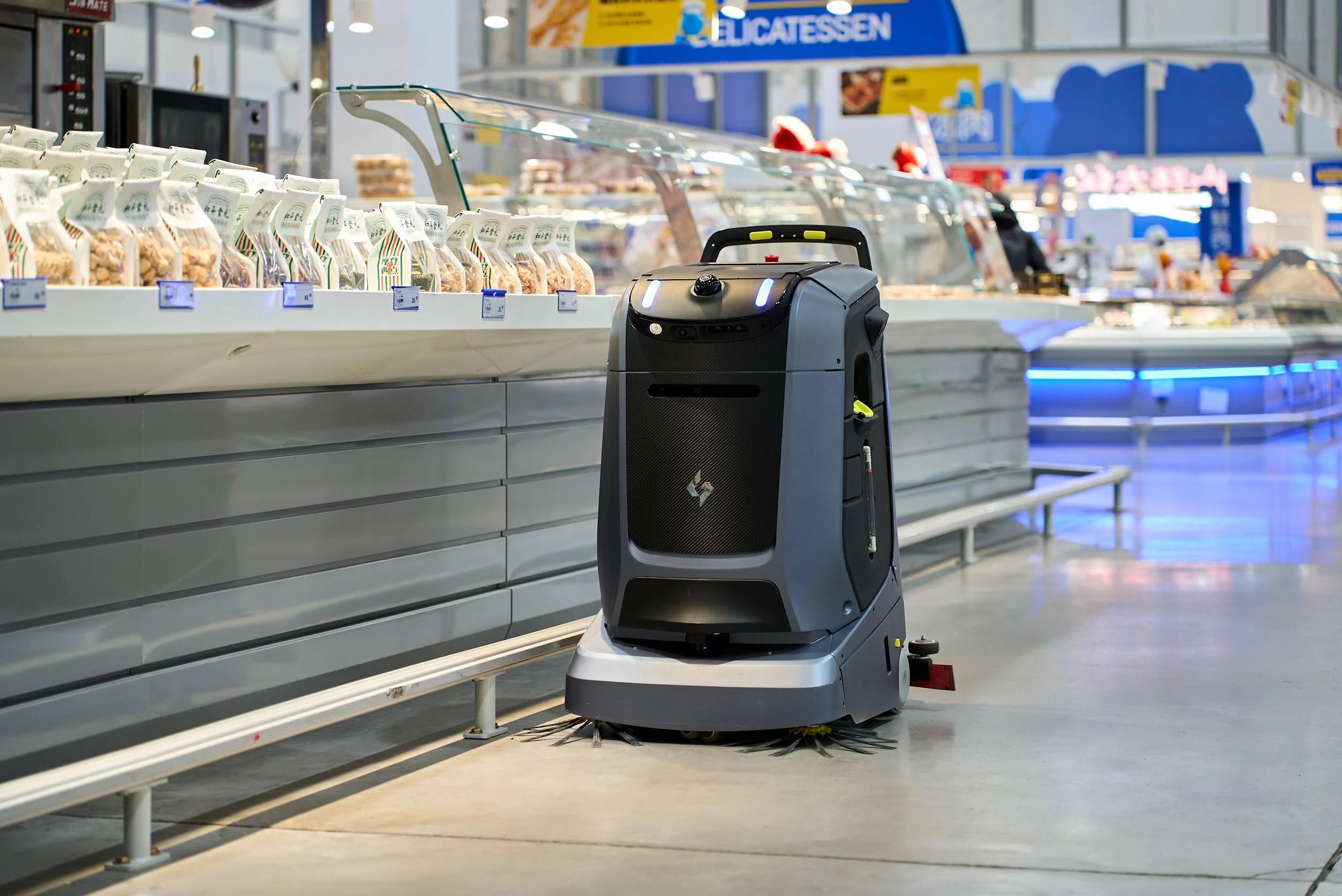
Mira and Beetle support Drop & Go, an innovative feature enabling instant deployment without professional mapping. The machine scans and adapts to the site on start-up.
The pilot then measures what it should be measuring — actual coverage on your floor, route design, and how the work fits the shift — instead of establishing whether the technology functions.
The first two shifts compound into a third: tender documents look different.
For one machine, cleaning performance decides it. Scrub width, tank capacity and rated productivity answer whether the floor comes up clean.
Across several zones simultaneously, those figures remain necessary without being decisive. Three items that rarely appeared in a specification now shape long-term performance.
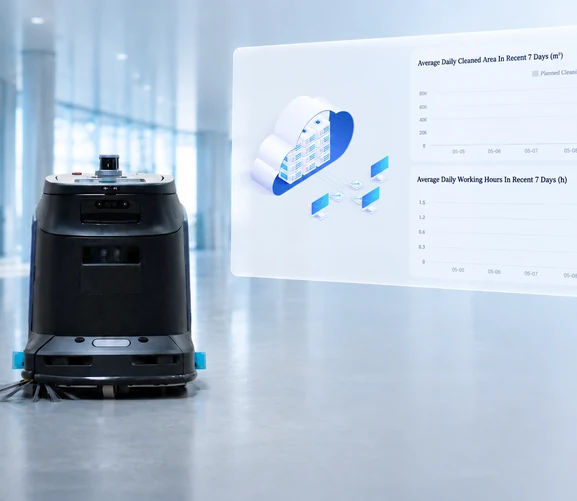
Whether operational data can be viewed across sites. One machine can be checked by walking the floor. Twenty across separate areas cannot be reviewed machine by machine.
What matters is whether the record shows which zone, at what time, across how much area, and whether the route completed — and whether all of it sits in one place. Professional cleaning contracts increasingly reference ISSA’s Cleaning Industry Management Standard for the same reason: manual verification does not scale.
Who certifies the technicians. For one machine, service quality follows the local provider. Across regions, consistency of standard becomes the variable.
Factory certification and locally arranged training differ little on a single deployment, and show up clearly in fleet availability.
How much labour daily upkeep consumes. Refilling, draining, emptying the tray, cleaning filters — minor for one machine, a standing time commitment across twenty. None of it appears in a service agreement, and all of it affects real output.
What this asks of the machine: fleet-level manageability.
The Gausium cloud platform provides 24/7 access to operational data and analytics. Reporting comes from the platform rather than from an individual model, so a mixed fleet reports through one system and multiple sites are visible in one view.
Field service runs on 300-plus technicians trained and certified by Gausium, to a standard that does not change with country or partner.
Machine-level judgement has not changed. Floor surface and condition, pass width, cleaning pressure and debris profile still rule models in or out faster than anything else, and the four criteria that decide selection cover how to work through them.
What has changed is what sits alongside those four:
|
Area |
Single machine |
Fleet deployment |
|
Cleaning performance |
Decisive |
Prerequisite |
|
Data and verification |
Nice to have |
Decisive |
|
Service consistency |
Handled per site |
Needs one standard |
|
Daily upkeep |
Absorbed on site |
Belongs in the cost model |
A specification written a few years ago tends to be thorough on the left column and close to silent on the right. Most factory deployments now begin on the right.
A practical next step is to take an existing tender document and check it against the right-hand column — whether it asks how data is accessed across sites, who certifies field technicians, and what the machine handles without a person. Those three questions surface most of the gap.
Talk to Gausium to run that comparison against a specific site and zone plan.
Machines that deploy without professional mapping can begin running routes shortly after arrival. The remaining time goes to route refinement and operator familiarisation rather than system setup.
Both models exist. The decision usually turns on whether the plant wants asset ownership or predictable monthly cost with support bundled in.
Enough to cover one complete zone rather than one representative area. A full zone produces the operating data — coverage per shift, interruption frequency, labour displaced — that a partial deployment cannot.
Cloud records can support audit documentation by evidencing which areas were cleaned and when. They evidence machine activity rather than cleaning quality, so inspection scoring remains part of the process.
Machines requiring professional mapping need remapping after significant changes. All Gausium robots adapt in real time, which matters in plants where staging areas move regularly.
A named site contact responsible for daily start-up, consumable replacement and supplier liaison. Deployments without clear ownership tend to lose momentum for reasons unrelated to the equipment.
UP NEXT
Cinque usi operativi dei dati dei robot per la pulizia nel facility managementAgosto 18, 2026
Step 1/2
Please select the type of business you’d like to have with Gausium.
Choose one item from the list
Step 2/2
Thanks for sharing your preference. Please fill out the form below, and we’ll get in touch shortly.
By clicking “Submit”, I authorize Gausium to contact me. Privacy Policy.
Thank you for filling out the form
By clicking “Submit”, I authorize Gausium to contact me. Privacy Policy.