




UP NEXT
Meet the Superhero for facility maintenance – Commercial floor cleaningJune 28, 2023

August 21, 2023
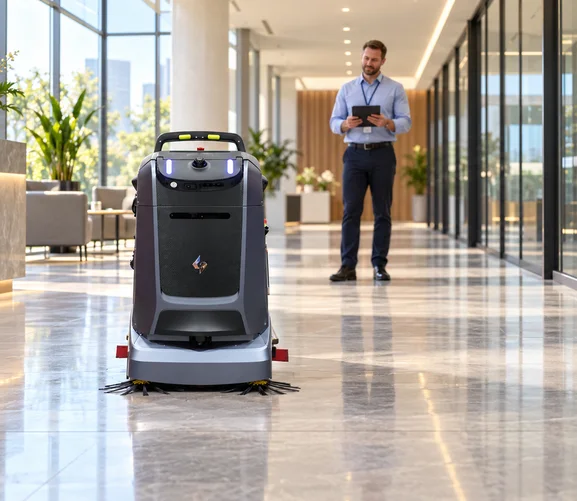
Autonomous floor cleaning has moved from pilot projects into everyday facility operations. Robots now take on recurring floor care in offices, retail stores, hospitals, airports, warehouses and factories, so cleaning teams can spend more time on tasks that need a person.
A single machine rarely suits every building. A hospital corridor, a hotel lobby and a warehouse aisle differ in floor type, soil, traffic and available cleaning time. The right choice comes from matching the robot to the facility, not from comparing headline specifications.
With more models on the market, the selection process benefits from a clear sequence. This guide follows three steps and closes with a scorecard for comparing proposals.
In short: Choosing a commercial cleaning robot starts with three steps: research providers on safety, versatility, service and support; assess the facility's floors, soil, traffic and cleaning windows; then run a demonstration on representative routes. A weighted scorecard turns the findings into a decision that operations, procurement and maintenance teams can share.
The provider matters as much as the machine. Reputation, product range and the support available after delivery all affect how a deployment performs over several years. The following factors help narrow the field.
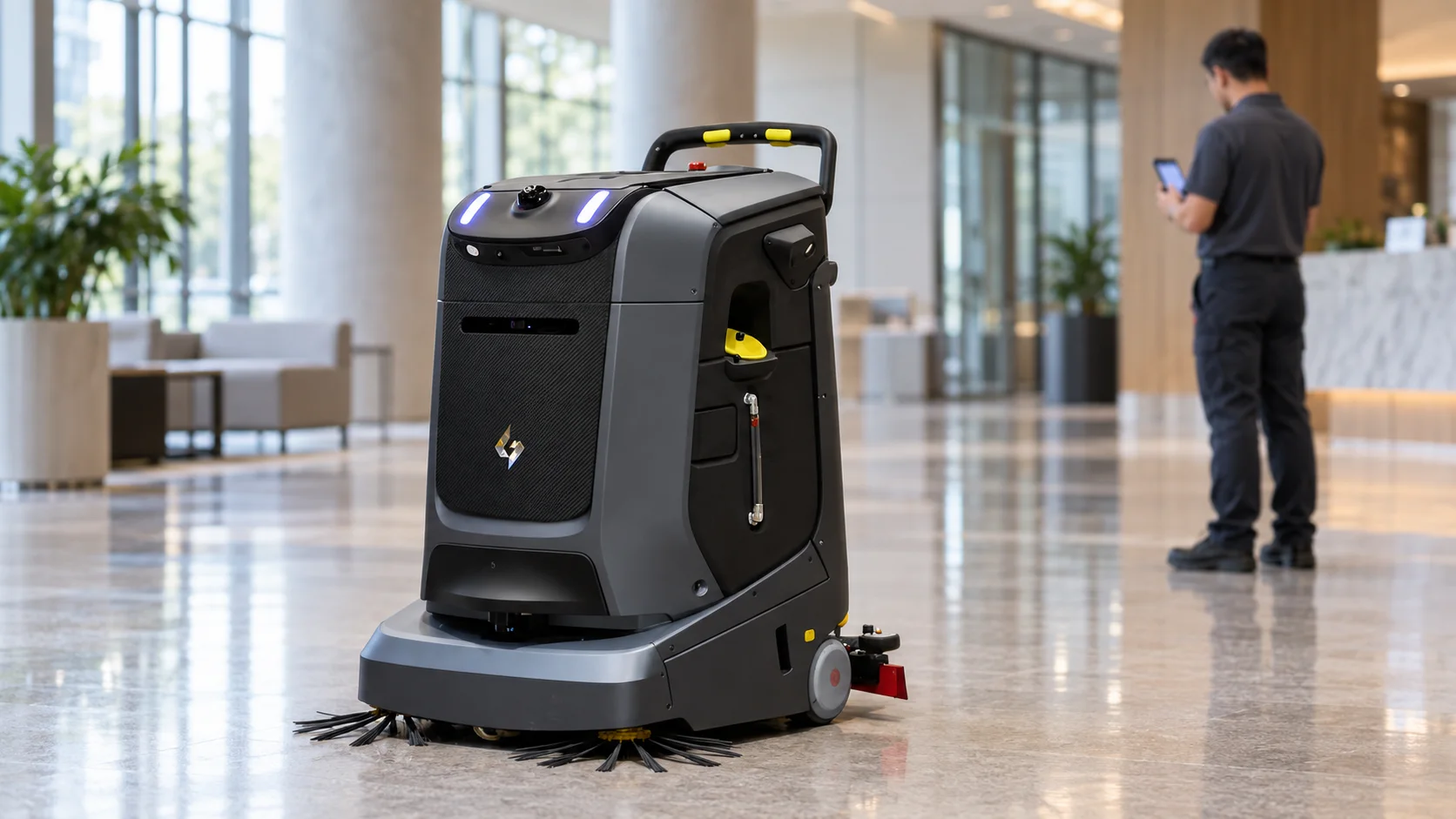
Before shortlisting machines, assess the cleaning work itself. Consider the size and layout of the space, the flooring surfaces, the level of foot traffic and the obstacles the robot will meet. Identify specific challenges such as high-traffic entrances, hard-to-reach corners or areas that need a particular cleaning technique.
It also helps to separate the floor-care tasks. Vacuuming suits carpet. Sweeping collects loose dry debris. Scrubbing removes adhered soil from compatible hard floors and recovers dirty water. Dust mopping maintains hard floors between deeper cleans. Some robots combine sweeping and scrubbing in one pass. Naming the task first prevents a shortlist built around the number of functions rather than the work that needs doing.
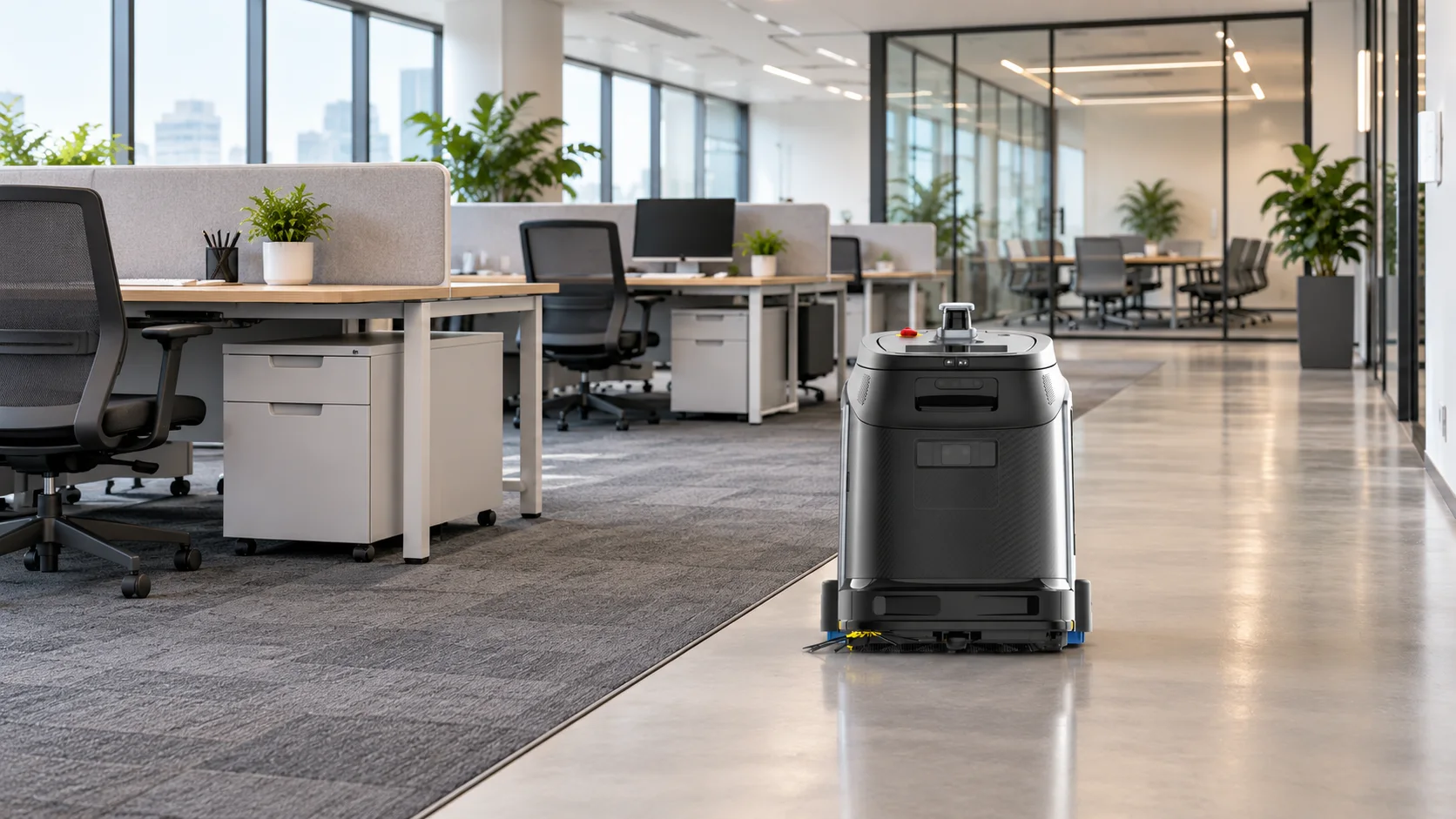
A site survey supports this assessment. During the survey, a field technician reviews floor materials, the dimensions of the cleaning areas, routes between them and the time available for cleaning. With these details, the technician can recommend models that fit the facility instead of a generic configuration.
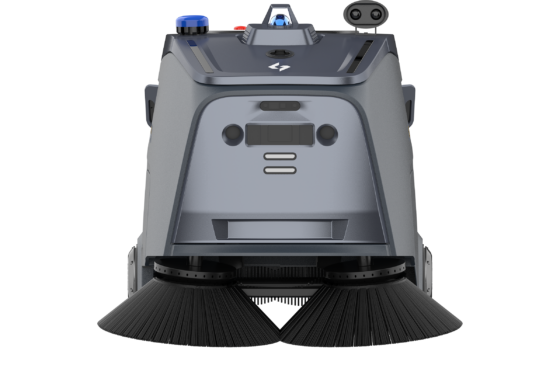
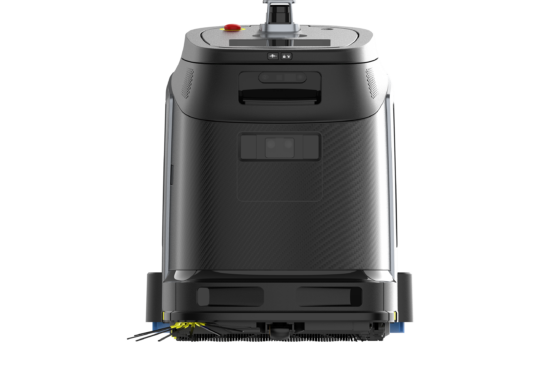
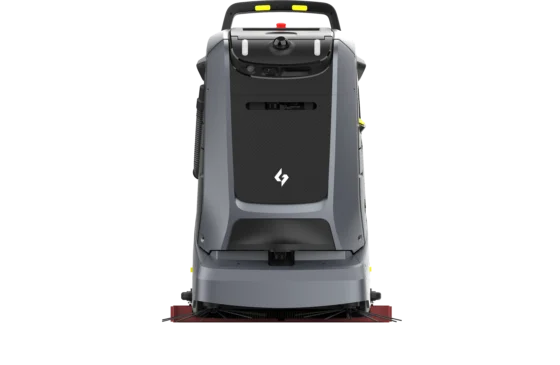
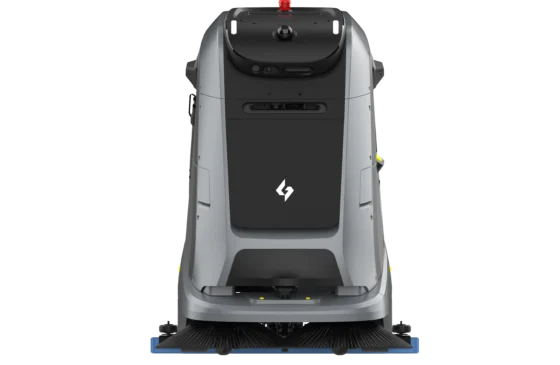
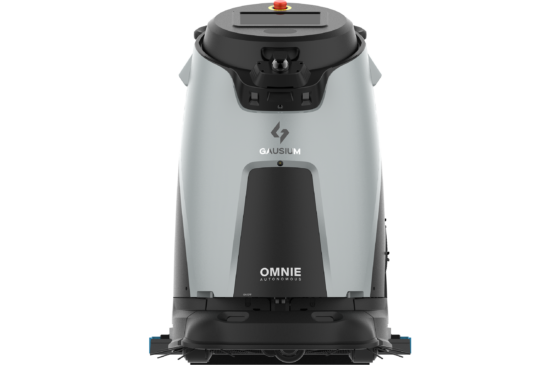
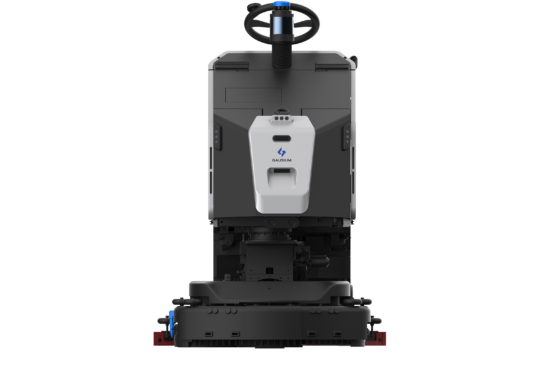
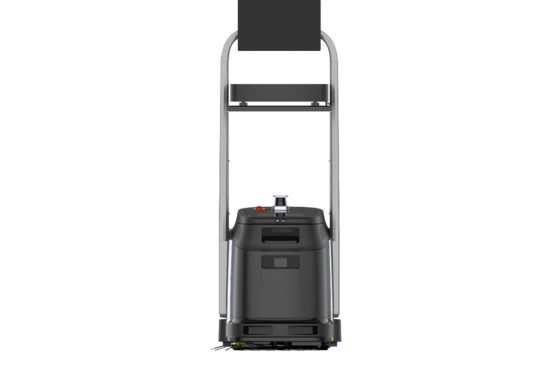
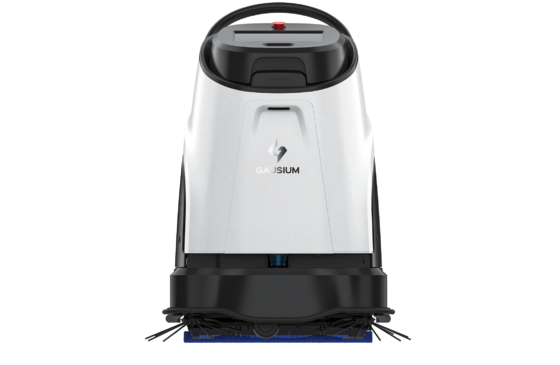
A provider with a broad range can match different zones of the same building to different machines. Gausium's current range includes Phantas, Mira, Marvel, Omnie, Vacuum 40 and Beetle. Prospective buyers can start by comparing the main cleaning functions and the typical cleaning assignment of each model.
|
Model |
Main Cleaning Functions |
Typical Cleaning Assignment |
|---|---|---|
|
Vacuuming, sweeping, scrubbing, dust mopping |
Recurring floor care in small to midsize spaces with mixed needs, such as vacuuming low-pile carpet and scrubbing compatible hard floors |
|
|
Sweeping and scrubbing in one pass |
Hard-floor cleaning in mid-sized indoor spaces and narrow aisles, such as retail, hospitality, office buildings, transportation hubs and education |
|
|
Sweeping and scrubbing in one pass, dust mopping |
Hard-floor cleaning in large and complex spaces, such as manufacturing, logistics and warehouses, car parking, and retail and shopping centers |
|
|
Scrubbing with debris collection; AI identification and cleaning of dry and wet waste |
Hard-floor cleaning in complex, high-dynamic environments, such as transportation hubs, warehouses, manufacturing, retail and car parking |
|
|
Vacuuming, sweeping, dust mopping |
Routine carpet vacuuming in indoor commercial spaces, with light, medium and deep carpet modes, plus sweeping and dust mopping on compatible hard floors |
|
|
Autonomous sweeping with high-power suction and HEPA filtration; no wet scrubbing |
Dry-debris sweeping at indoor and outdoor industrial sites, such as manufacturing, logistics and warehouses |
Applicable floor types and specifications for each model are listed on its product page.
Once a shortlist is in place, arrange a demonstration on the facility's own floors. A demo shows how the robot performs in the actual environment and whether it meets the facility's cleaning standard. Key aspects to observe include:
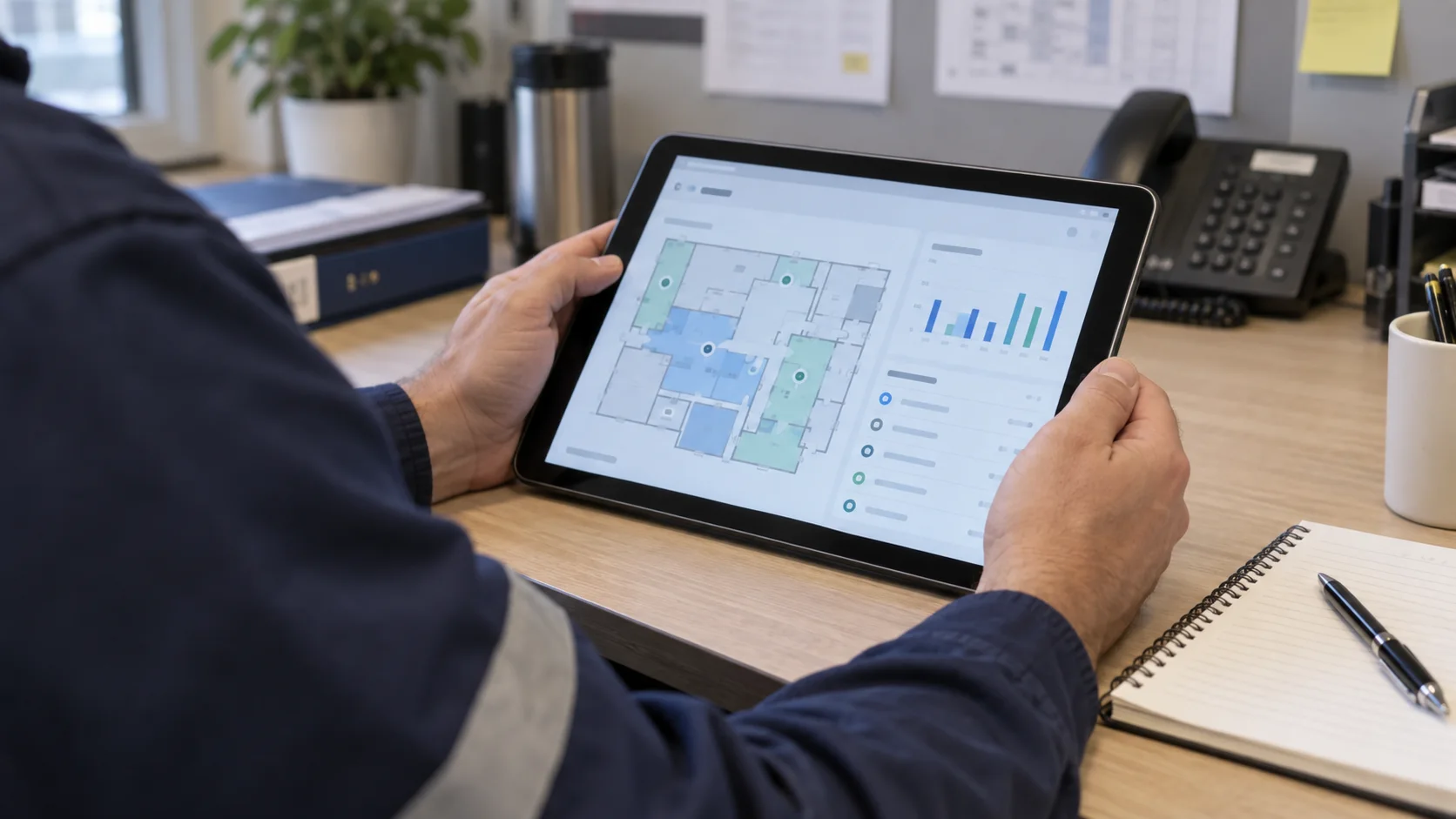
A demonstration is most useful when it is scored against agreed criteria. A structured cleaning robot performance test makes demo results comparable, and a longer pilot across several shifts can then confirm them.
After the three steps, a scorecard brings the findings together. Each dimension can carry a weight set by the facility team, so a hospital and a warehouse can use the same framework with different priorities.
|
Dimension |
What to Check |
|---|---|
|
Cleaning fit |
Do the cleaning functions match the floors and soil on the assigned routes? |
|
Site fit |
Can the robot reach the required areas, including aisles, transitions and floor changes? |
|
Autonomy |
How often does the robot need assistance, and how does the proposed configuration handle charging during a task? |
|
Safety |
Which safety qualifications apply, and how does the robot behave around people? |
|
Maintainability |
What daily care is required, and which steps are handled by a workstation or self-cleaning function in the proposed configuration? |
|
Service support |
How are training, repairs and spare parts organized? |
|
Data and reporting |
Which reports are available, and how is data protected? |
|
Scalability |
Can the solution extend to more areas, shifts or sites? |
Scoring each shortlisted configuration against the same dimensions keeps the comparison consistent across suppliers and makes the final recommendation easier to explain.
Finding the right autonomous floor cleaning solution involves careful research, a clear assessment of the facility and a demonstration under real conditions. A scorecard then turns those findings into a decision that stays focused on the facility's cleaning work. To discuss a specific site, contact Gausium for a site assessment.
The floor types, soil, traffic levels, obstacles and available cleaning windows in each area. These details determine which cleaning method is needed and which models can reach and clean the required routes.
Phantas suits small to midsize spaces with mixed floor-care needs. Mira suits mid-sized spaces and narrow aisles. Marvel suits large and complex spaces, and Omnie suits complex, high-dynamic environments. Vacuum 40 focuses on carpet vacuuming, and Beetle on indoor and outdoor industrial sweeping.
Some can, using a different mode on each surface. Phantas vacuums low-pile carpet and sweeps, scrubs and dust mops compatible hard floors. Vacuum 40 vacuums carpet and sweeps and dust mops compatible hard floors. Facilities with large carpeted areas and large hard-floor areas may assign each to a different model.
Representative routes with normal obstacles, edges and traffic. The demo should cover navigation, obstacle handling, cleaning results, floor-type changes, charging, the user interface and reporting.
By scoring each configuration against the same dimensions and the same cleaning assignment: cleaning fit, site fit, autonomy, safety, maintainability, service support, data and scalability.
The model comparison reflects Gausium's product information as of October 2026. Confirm the current configuration and accessories before purchase.

Step 1/2
Please select the type of business you’d like to have with Gausium.
Choose one item from the list
Step 2/2
Thanks for sharing your preference. Please fill out the form below, and we’ll get in touch shortly.
By clicking “Submit”, I authorize Gausium to contact me. Privacy Policy.
Thank you for filling out the form
By clicking “Submit”, I authorize Gausium to contact me. Privacy Policy.