




UP NEXT
Cleaning Robots for Retail Stores: Matching the Machine to the Store Format9월 23, 2026

9월 23, 2026
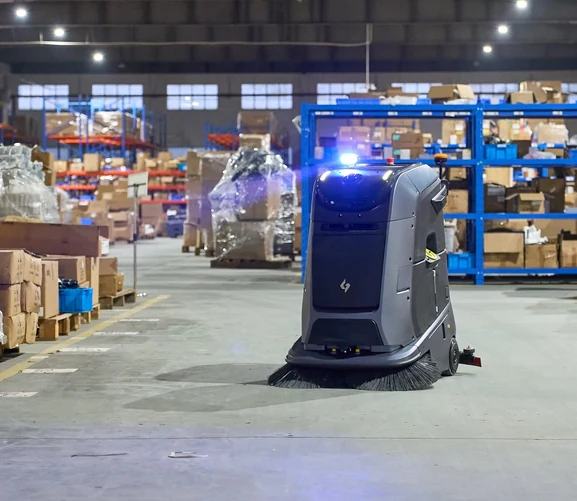
Industrial floor scrubbing is decided by what the soil is and how far it has worked into the slab, not by how large the floor is. A 2,000 m² machine shop with oil film bonded into concrete is a heavier job than a 20,000 m² storage hall carrying dust.
That distinction sets the machine class. Bonded soil needs downforce and water. Dry debris needs sweeping. Floors producing both need either a one-pass machine or two machines in sequence.
This article explains how to identify the soil condition on your own floor and select the machine that matches it, helping you improve cleaning results on industrial floors and reduce the cost of repeat passes.
A floor is heavy-duty when the soil has bonded to the surface and no longer lifts under routine cleaning pressure.
Coolant residue in a machine shop, oil film around presses and charging bays, rubber deposits on traffic lanes, and chemical residue in process areas all behave this way. They build over months, sit inside the surface texture rather than on top of it, and return quickly once cleaned.
The test is simple. If the floor looks clean immediately after a pass but shows the same pattern again within days, the soil was never lifted. That is a cleaning pressure problem, and no amount of coverage or runtime corrects it.
Floor condition is also a compliance matter in some markets. US general industry rules, for example, require workroom floors to be kept clean and, to the extent feasible, dry, and free of hazards including leaks and spills. Equivalent requirements apply in other regions.
| Floor condition | Machine | Why |
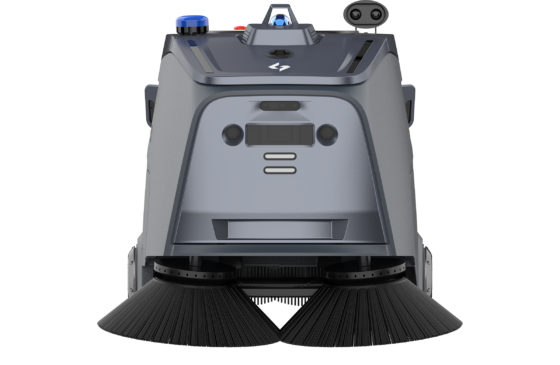
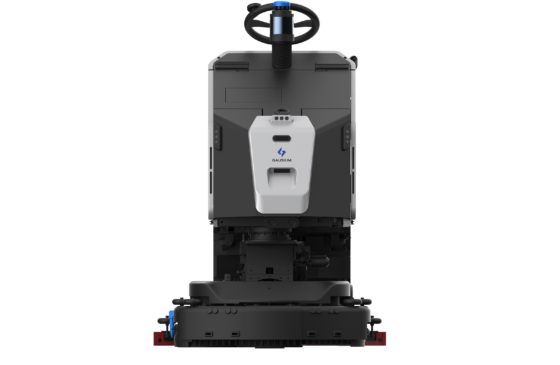
| Oil film, coolant residue, embedded soil, with dry debris alongside | Marvel | High downforce for bonded soil; sweeps and scrubs in one pass; sized for open floor plates |
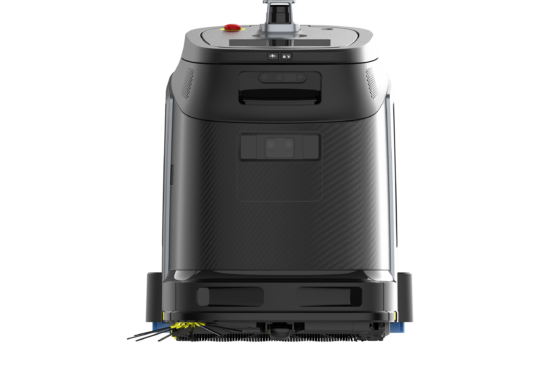
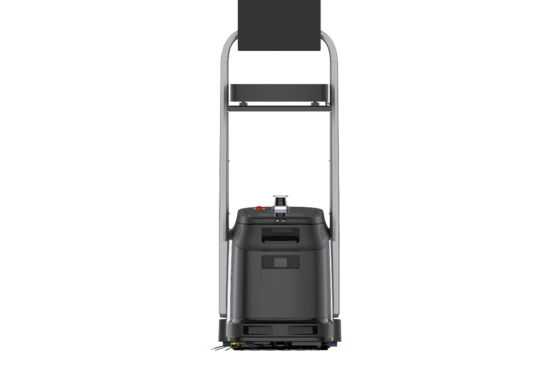
| Dry debris, dust, sand, packaging waste; indoor and outdoor industrial surfaces | Beetle | Autonomous sweeper with HEPA filtration and automatic filter cleaning; does not scrub |
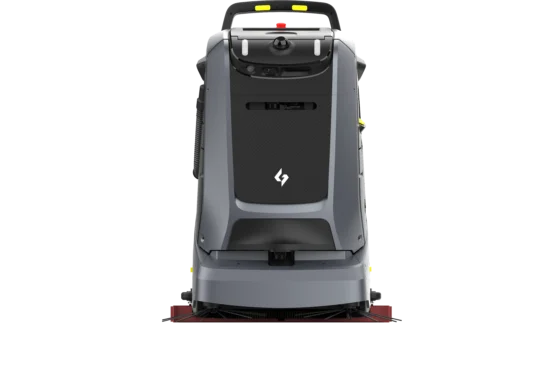
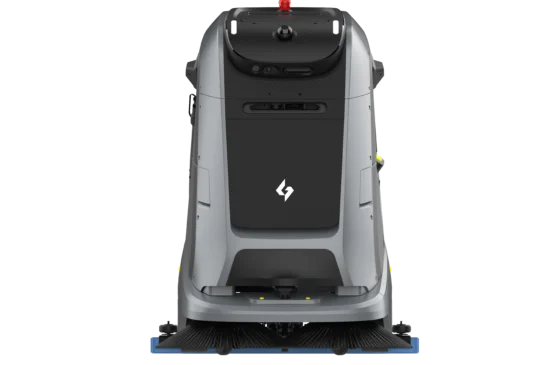
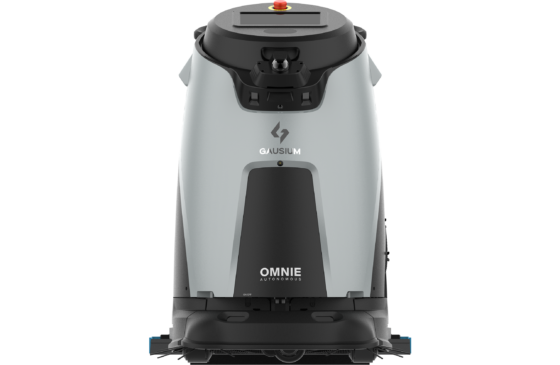
| Hard floors with routine soil, in areas that stay in use during production hours | Omnie | 360° 3D LiDAR and panoramic camera for continuous forklift and pedestrian movement |
The sections below set out what decides each one.
Marvel carries the downforce that bonded soil requires and completes both steps in a single route.
Production floors rarely produce wet soil on its own. Metal shavings, packaging fragments and grit arrive alongside the oil film, so running a sweeper first and a scrubber second doubles the passes and rarely fits the window between shifts.
What decides it:
Cleaning pressure matched to embedded soil — set for bonded residue rather than routine soiling, which is the specification separating an industrial machine from a commercial one.
One-pass sweep and scrub — front side brushes take dry debris into the tray, rear disc brushes lift what has bonded into the surface.
Tank capacity and runtime sized for the route — the floor is finished in one run rather than stopped midway for a refill.
One check before ordering. Marvel needs open running room and turning space, so it suits large floor plates rather than tight equipment aisles. Walk the intended route first, including where pallets and work-in-progress currently sit.
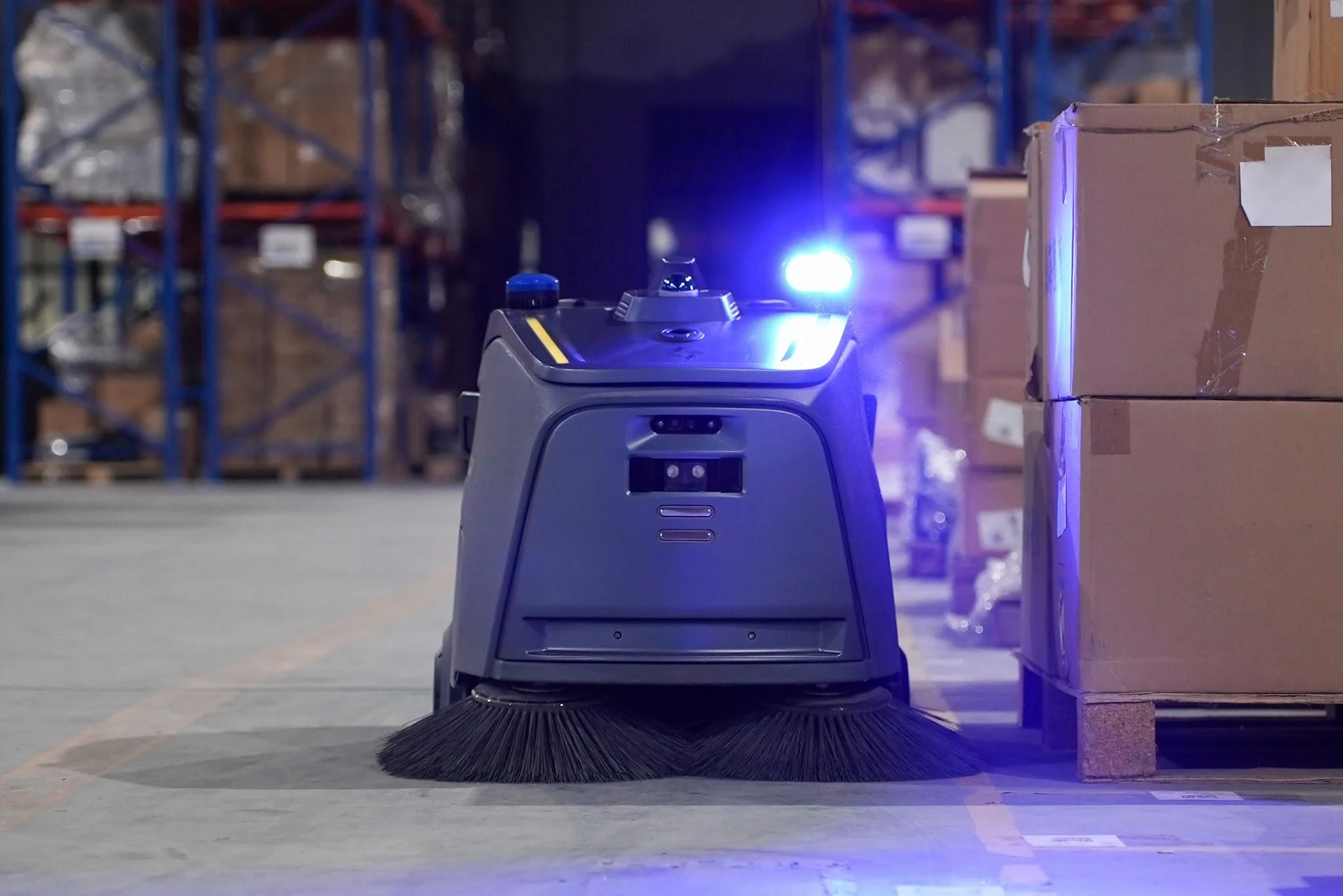
Beetle covers the sweeping side of an industrial floor. It is an autonomous sweeper and does not scrub, so it belongs where the problem is loose material rather than bonded soil.
That role applies in two situations: where the floor produces heavy dry debris and only light wet soil, and where debris volume is high enough that a one-pass machine fills its tray before the route ends.
What decides it:
Debris range — fine dust and sand at one end, paper scraps, bottles and wood chips at the other.
Dust capture — strong airflow with HEPA filtration and an automatic filter cleaning cycle after each task, so filtration performance is restored rather than degrading task by task.
Indoor and outdoor surfaces — concrete, epoxy, PVC vinyl, rubble flooring and bituminous road, covering the adjoining yard or apron.
Low-light operation — 3D LiDAR navigation does not depend on ambient lighting.
Where both bonded soil and heavy debris are present, Beetle running ahead of a scrubber finishes the route that a single machine cannot. Choosing a sweep-and-scrub robot works through that comparison.
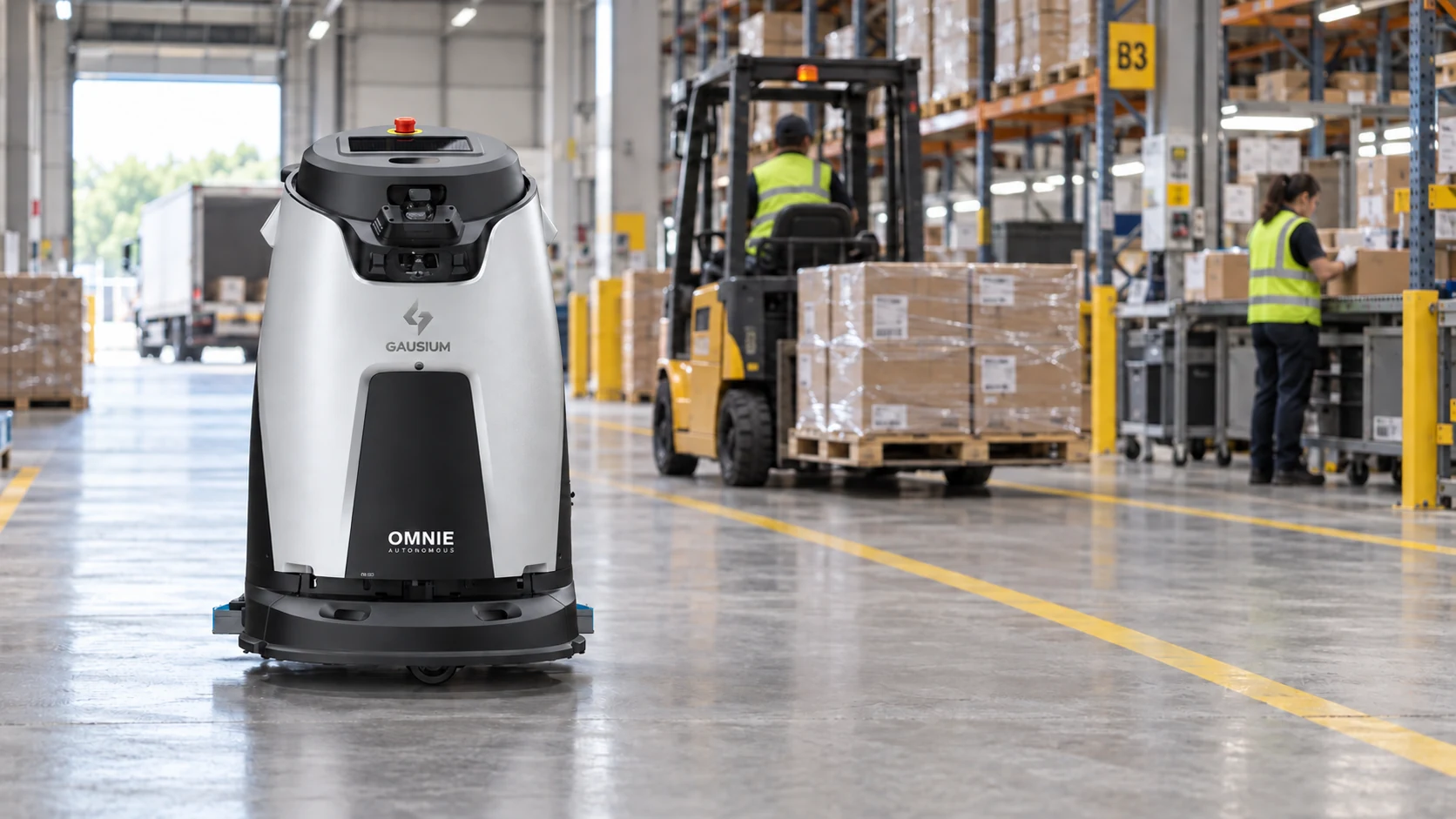
Omnie is the option where the machine has to work while the plant is running.
Cross-docks, goods-in halls and mixed production areas share one condition: the floor never belongs to the robot. Forklifts appear around blind corners, people cut across routes, and lighting varies within a single aisle.
What decides it:
Multimodal SLAM with 360° 3D LiDAR and panoramic camera — holds the route in open spans, low light and constant movement.
OmniSpotCleaning — identifies both dry and wet waste, so localized soiling is handled without waiting for the next full route.
Applicable across the industrial hard-floor range — concrete, epoxy, PVC vinyl and similar surfaces, with dry debris work still belonging to a sweeper.
Assess traffic before selecting. The hardest condition the machine will meet is shift change, and it is worth observing one.
Machine selection assumes the slab can be cleaned. Two conditions cap what any machine achieves.
Spalling surfaces shed grit continuously, which wears squeegees and enters the suction path, so effective coverage falls regardless of machine class.
Cracked or broken sections hold water that cannot be recovered, leaving the floor wet after a pass and the soil in place.
Where either is present, repair sequencing belongs in the same conversation as machine selection. A floor assessment before purchase is cheaper than finding the limit after installation.
Soil first. Establish whether the floor’s real problem is loose material or bonded soil. This decides the machine class, and no other specification compensates for getting it wrong.
Access second. Measure the tightest point on the intended route. A machine that cannot complete the route leaves the balance on the manual schedule.
Traffic third. Decide whether the machine has to run during production hours or can take the floor after a shift ends.
Window last. Confirm the area that has to be finished inside the available window, and whether that fits one machine or calls for two in sequence.
The manufacturing solution page covers the wider product set, and contact Gausium to arrange a floor assessment and a model recommendation.
Bonded soil rather than large area. Coolant residue, oil film and rubber deposits sit inside the surface texture and need downforce and water to lift. Dry debris on a large floor is a sweeping task for Beetle, not a heavy-duty scrubbing one.
The soil was lifted from the surface but not from the texture. This indicates cleaning pressure below what the floor requires. Marvel is specified for embedded soil rather than routine soiling.
Where perception supports it. Omnie is built for continuous forklift and pedestrian movement. Site traffic routes and exclusion zones still need agreeing before the first task.
Through sealed filtration rather than sweeping alone. Beetle captures fine particulate with HEPA filtration and runs an automatic filter cleaning cycle after each task.
Beetle is specified for both, including bituminous road and rubble flooring. Confirm thresholds, ramps and dock plates on site before committing a route.
Spalling and cracked sections. Both cap achievable results regardless of machine, and repair sequencing should be settled alongside model selection.
Occupational Safety and Health Administration, 29 CFR 1910.22 Walking-Working Surfaces: General Requirements
Step 1/2
Please select the type of business you’d like to have with Gausium.
Choose one item from the list
Step 2/2
Thanks for sharing your preference. Please fill out the form below, and we’ll get in touch shortly.
By clicking “Submit”, I authorize Gausium to contact me. Privacy Policy.
Thank you for filling out the form
By clicking “Submit”, I authorize Gausium to contact me. Privacy Policy.