




UP NEXT
산업용 청소 로봇, 투자할 가치가 있을까? 창고 및 물류센터를 위한 ROI 가이드6월 02, 2026

6월 10, 2026
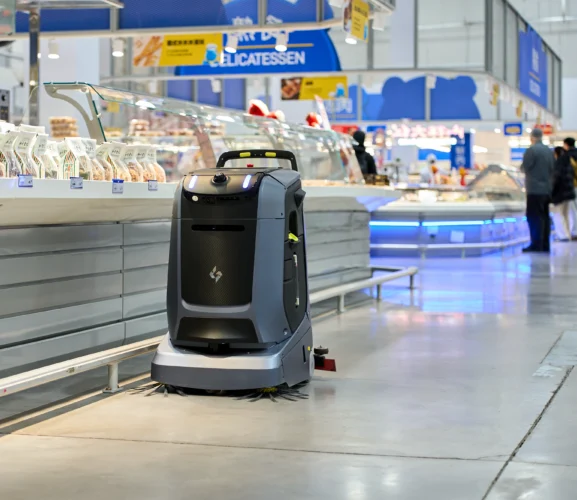
It’s 10 a.m. on a Saturday. A jar of pasta sauce has just hit the floor in aisle 7. Somewhere between the wet-floor cone going up and a colleague arriving with a mop, two hundred shoppers walk past the mess — and a few walk through it. The morning scrub finished three hours ago. The next one is fourteen hours away.
This is the gap every store manager knows: retail floors get dirty during trading hours, and traditional cleaning happens around them. A warehouse can schedule its way out of the problem. A supermarket can’t — the customers are standing on the floor you need to clean.
That gap is what a retail cleaning robot is actually for. Whether it’s worth paying for is a different question, and it comes down to three numbers. Let’s get to them — after being honest about what the floor is costing you today.
Every store pays for its floors twice. The first bill is visible: cleaning hours, in-house or contracted, usually anchored to a pre-opening scrub at shift-premium hours. And that labor is getting harder to secure every year — industry analyses report cleaning-staff turnover rates of 200% and in some cases up to 300% annually, meaning a single position may need to be filled two or three times a year, each time with recruitment and retraining costs attached [1].
The second bill hides in other budgets. Slips and falls send more than one million people to U.S. emergency rooms every year, according to the National Floor Safety Institute [2], and insurer claims data shows slips, trips, and falls are the leading driver of severe injury claims — those costing $250,000 or more [3]. A spill that waits twenty minutes for a mop in a trading aisle isn’t housekeeping; it’s exposure.
Then there’s the impression cost. In a Cintas survey conducted by Harris Interactive, 99% of U.S. adults said poor cleanliness would negatively affect their perception of a retail store [4]. ServiceChannel’s consumer research goes further: 64% of shoppers reported having walked out of a store because of its poor physical appearance, and roughly two-thirds said a bad cleanliness experience pushed them to a competitor [5]. Shoppers read floors as a proxy for the whole store — freshness, hygiene, care — and they’re reading them at 4 p.m. on Saturday, not at 6 a.m. when the floor was last perfect.
Any honest comparison starts here: not “what does the morning scrub cost,” but what it costs to keep a customer-facing floor clean, safe, and presentable for every hour the doors are open.
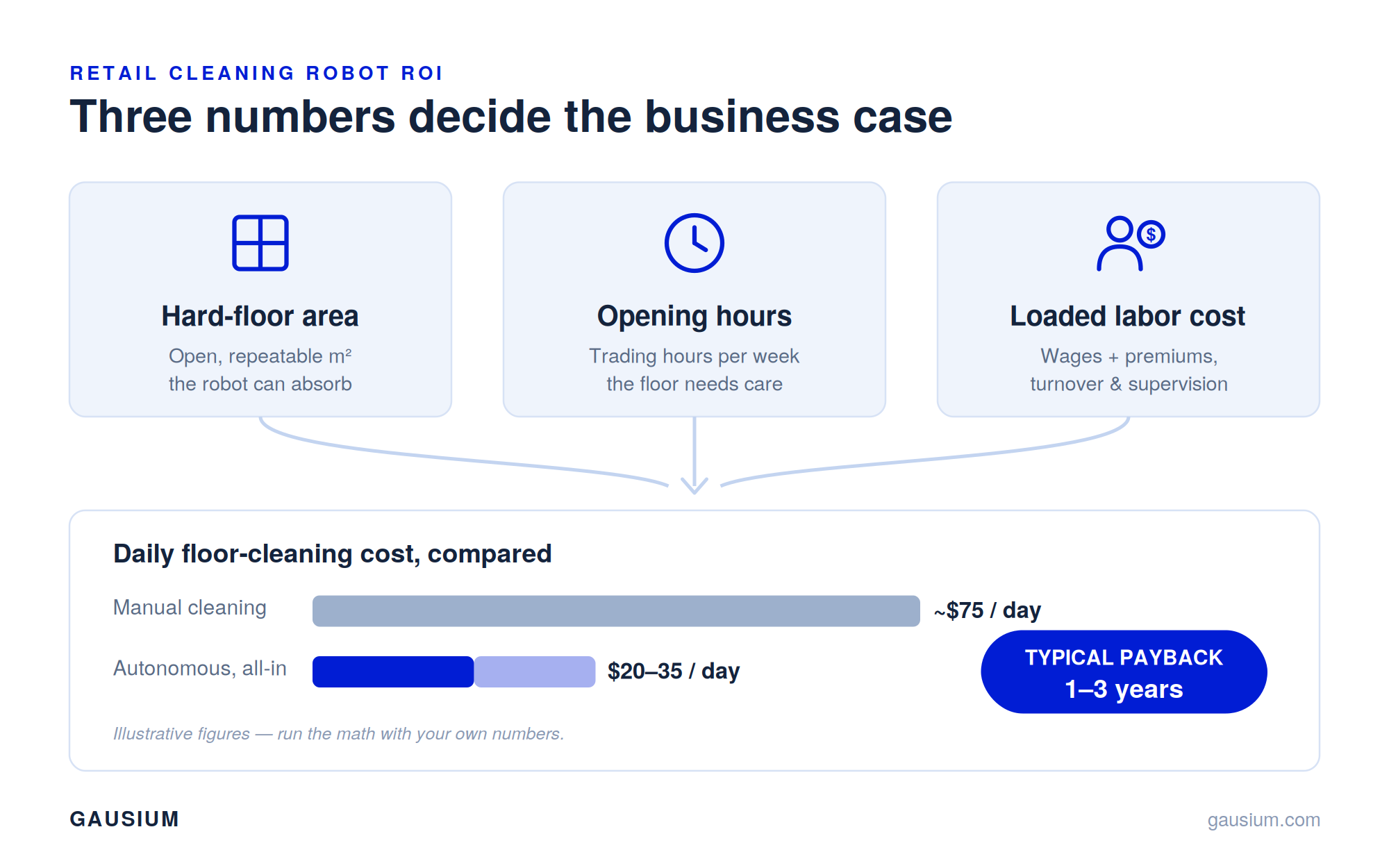
The business case in three inputs — run it with your own figures.
1. Hard-floor area. Robots earn their keep on open, repeatable square meters. A 5,000 m² sales floor gives a robot enough runway to absorb serious labor; a 300 m² boutique doesn’t, and probably never will.
2. Opening hours. A store trading 13 hours a day, 7 days a week, gets more value per machine than almost any other building type — both because cleaning demand is continuous and because the robot can work productively through the trading day, which manual deep cleaning can’t.
3. Loaded labor cost. Wages plus premiums, supervision, recruitment, and retraining. Given the turnover figures above, the loaded cost of a cleaning hour is usually well above the wage on the contract — and the harder your market is to staff, the faster automation pays back.
The arithmetic itself is short. Take your true daily cleaning spend on floors. Compare it to the robot’s all-in daily cost — lease or amortized purchase, water, consumables, maintenance, a little oversight. To make it concrete with deliberately round, illustrative figures: a supermarket spending $75 a day on floor labor against a robot landing at $20–$35 all-in is looking at roughly $15,000–$20,000 a year in gross savings — before counting anything the spreadsheet can’t see. On a purchase, divide the system cost by the monthly savings and you have your payback in months; for stores with all three numbers in their favor, that typically models out between one and three years. Run it with your own figures — that step is the entire decision.
The market is already voting on this math: analysts project the global cleaning robot market to more than double from about $18 billion in 2025 to $41.5 billion by 2030, with commercial adoption among the fastest-growing segments — driven, above all, by rising labor costs [6].
The reason this conversation is happening now, and not five years ago, is perception technology. Early machines needed an empty floor. Current-generation robots navigate with 3D LiDAR and camera-based object recognition, which means they can work safely around shoppers, carts, strollers, and the promotional display that moved overnight.
That unlocks the capability that matters most in retail: intelligent spot cleaning. Instead of treating every square meter equally, AI dirt detection finds the spill or the soiled zone and concentrates effort there — by Gausium’s measurements, up to 400% more efficient than blanket full-coverage routines [7]. In store terms: aisle 7 gets handled at 10 a.m., during trading, by a machine — not at 11 p.m. by whoever drew the short straw. And because customers judge a store partly by how fast spills disappear, daytime spot cleaning pays twice: once in labor, once in perception.
Equally important is what the newest machines no longer ask of your team. Self-servicing docks and onboard self-cleaning systems handle charging, water exchange, and tank rinsing automatically, so the robot doesn’t quietly become one more piece of equipment somebody has to maintain.
Before talking to any vendor, answer these honestly:
Four or five yeses and the ROI model is very likely to land in your favor — the remaining work is matching the right machine. One or two yeses, and a robot is probably the wrong purchase for now, however good the demo looks. The strongest vendors will tell you the same thing.
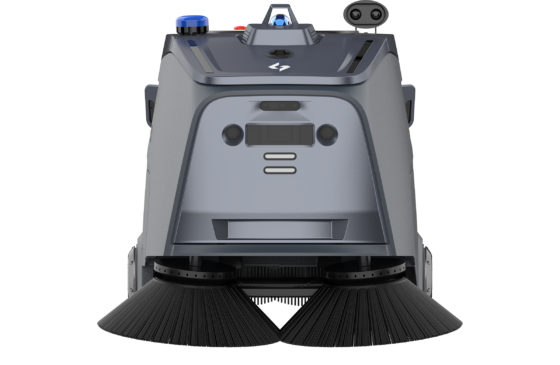
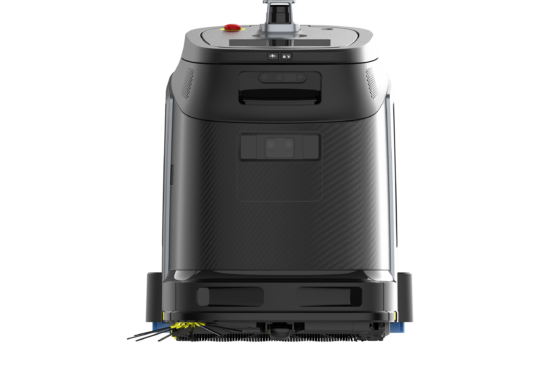
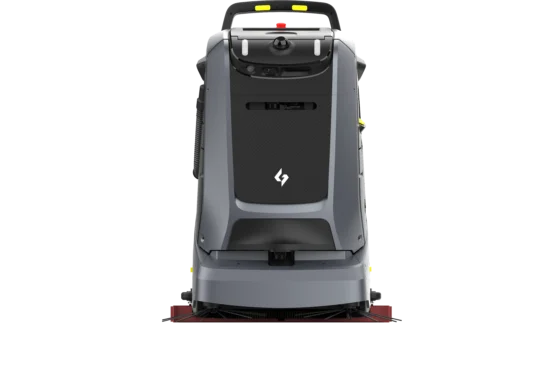
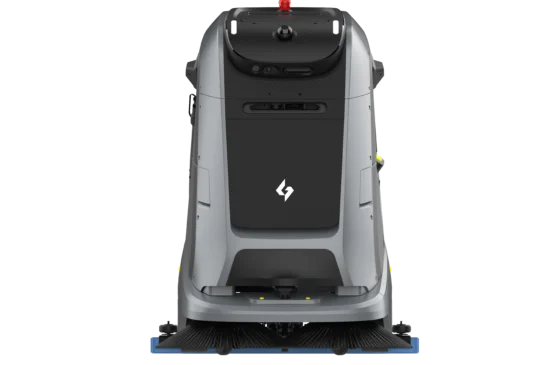
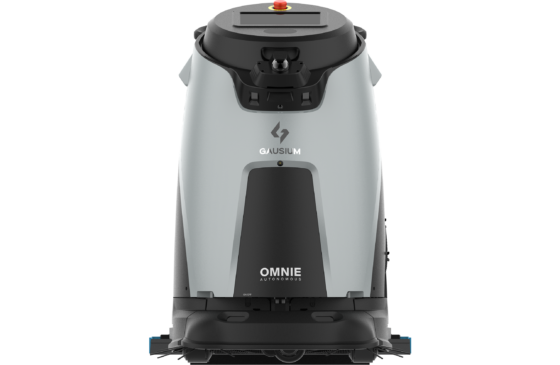
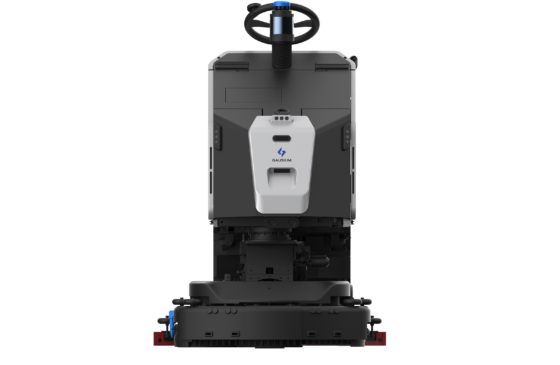
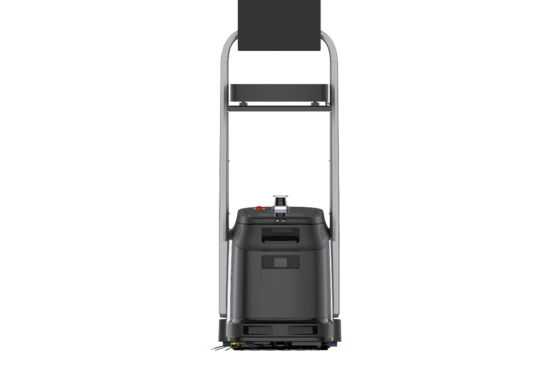
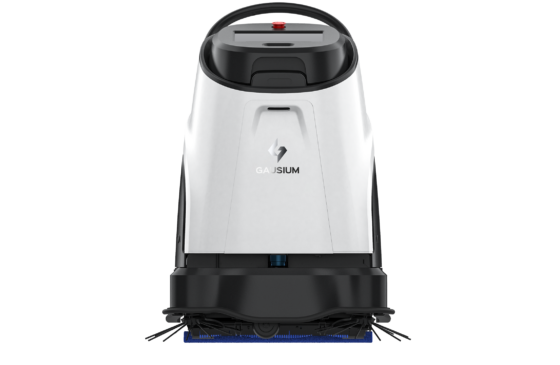
Store formats differ more than warehouse layouts do, which is why the machine question matters more in retail. In Gausium’s lineup, Phantas and Mira covers compact and mid-sized stores with multiple cleaning modes and AI spot cleaning in one small-footprint robot, while Omnie brings autonomy to larger formats. For hypermarkets and warehouse clubs, Marvel sweeps and scrubs in a single pass and rinses its own dirty-water tank after each run — built for exactly the no-time-to-babysit reality of store operations. Larger formats and mall common areas sit at the upper end of the range, on the same LiDAR navigation and cloud reporting backbone. Several European supermarket groups already run these machines through trading hours as part of the in-store experience; you’ll find deployments in the case studies and the full overview on the retail solutions page.
The honest caveat: the modeled ROI only materializes when machine, coverage, and store format actually match. A site assessment — floor area, layout, traffic, cleaning windows — is what turns the illustration above into your number.
Yes — that’s the defining capability of the current generation. 3D LiDAR plus camera-based recognition lets the robot navigate dense, unpredictable foot traffic safely, which is what makes daytime spot cleaning possible.
It depends on size, cleaning modes, and lease versus purchase, which is why serious quotes follow a site assessment. The number to focus on is all-in cost per day versus your current daily floor spend.
It replaces the scrubbing hours, not the people. In an industry running 200%+ annual turnover, most stores have more cleaning work than staff anyway — the freed hours typically move to restrooms, detail work, and customer-facing tasks.
Fit. Small floors, heavy carpet, or constantly shifting layouts stretch payback past the point of sense. If the five-question test above comes back mostly no, wait.
Worth it? For a store with a large hard floor, long opening hours, and expensive or scarce cleaning labor — very likely yes, and the math is quick to run. For everyone else, the answer is a respectful “not yet.” Either way, the test isn’t whether the technology impresses you on a trade-show floor. It’s whether your floor, your hours, and your labor market make the three numbers work — and whether a jar of pasta sauce in aisle 7 ever again waits twenty minutes for a mop.
[1] Cleaning & Maintenance Management (ISSA Media), “Improving Cleaning Efficiencies During a Worker Shortage” — cmmonline.com
[2] National Floor Safety Institute (NFSI), Slip-and-Fall Quick Facts — nfsi.org
[3] Travelers, Injury Impact Report (claims analysis of workplace injuries), as reported by the National Safety Council — injuryfacts.nsc.org
[4] Cintas Corporation / Harris Interactive, consumer survey on retail cleanliness perception — via CStore Decisions
[5] ServiceChannel, The State of Brick-and-Mortar consumer report (2019)
[6] MarketsandMarkets, Cleaning Robot Market Report, 2025–2030 — marketsandmarkets.com
[7] Gausium, 5 Key Features to Look for in a Professional Autonomous Cleaning Robot in 2026
Step 1/2
Please select the type of business you’d like to have with Gausium.
Choose one item from the list
Step 2/2
Thanks for sharing your preference. Please fill out the form below, and we’ll get in touch shortly.
By clicking “Submit”, I authorize Gausium to contact me. Privacy Policy.
Thank you for filling out the form
By clicking “Submit”, I authorize Gausium to contact me. Privacy Policy.