




UP NEXT
Best Cleaning Robot for Pharmacies: What Actually Decides the ChoiceSeptember 07, 2026

September 07, 2026
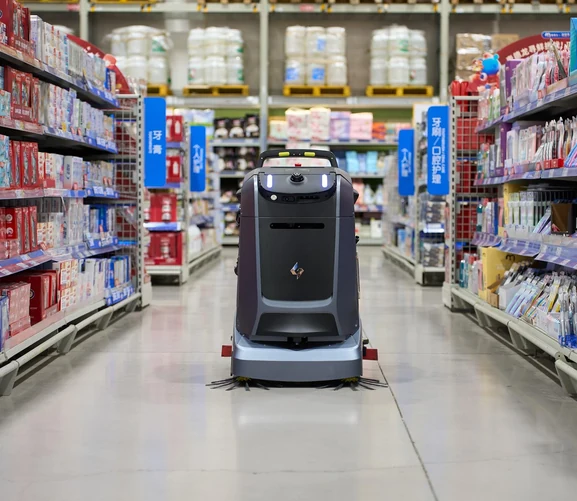
A concourse scrubbed at 02:00 looks untouched by 08:00. Nothing was done badly. The work simply happened at a time that no longer matches when the soil arrives.
In a high-traffic building the binding constraint is not machine power. It is usable minutes. A scrubber rated for 2,000 m² an hour delivers a fraction of that once it is stopping for queues, waiting out crowd surges and working in twenty-minute gaps between peaks.
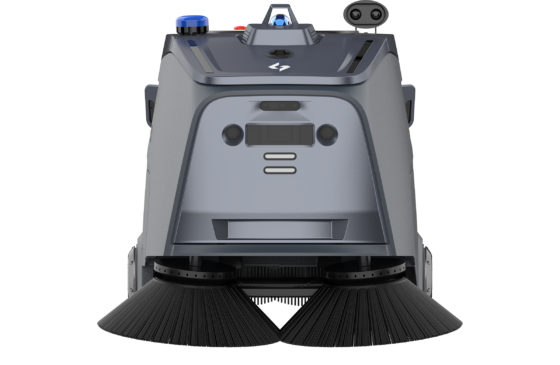
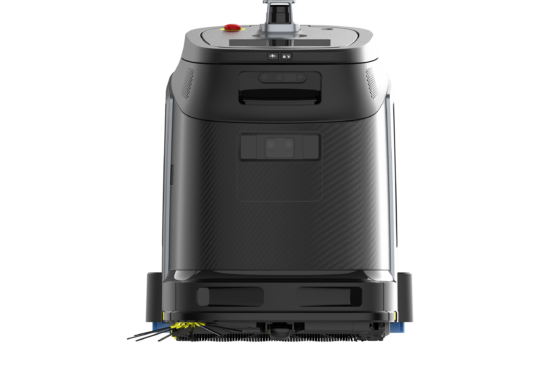
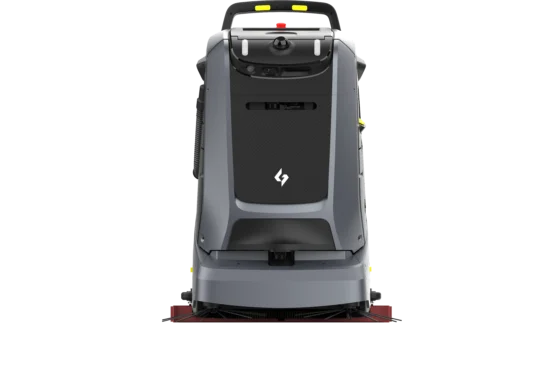
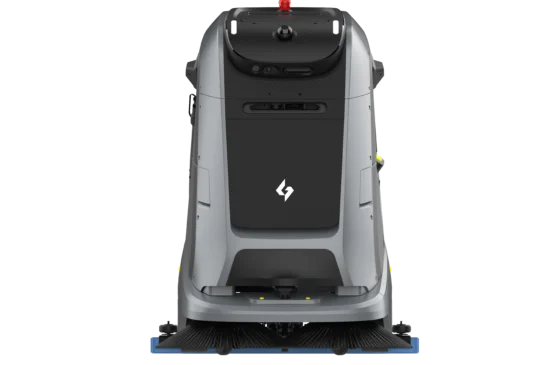
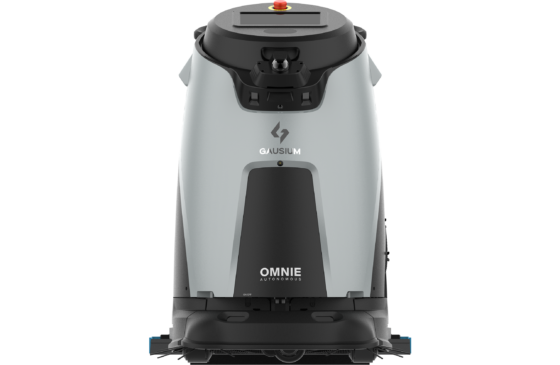
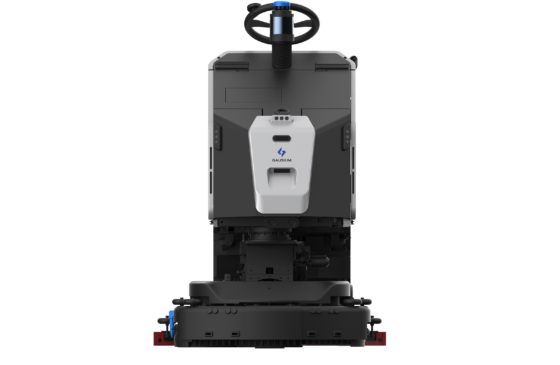
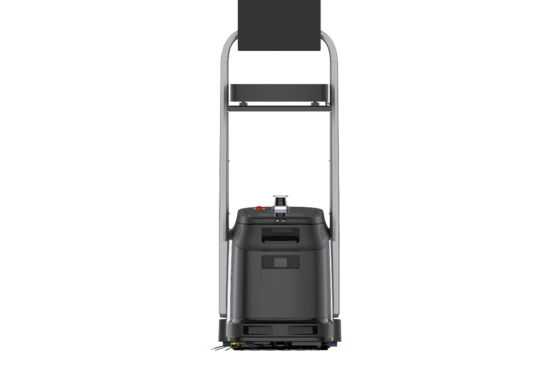
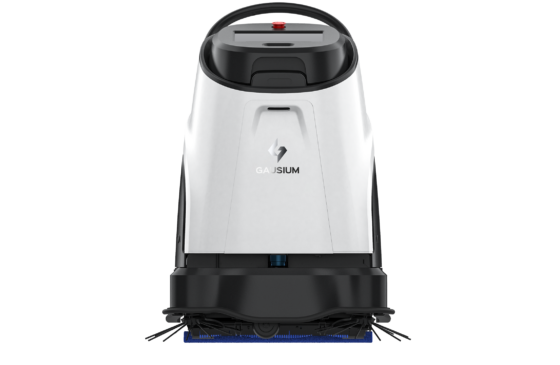
So the selection question is not which machine is fastest. It is which machine finishes a meaningful amount of floor inside the windows your building actually has, while people are standing on it. Gausium answers that across three site scales with Mira, Marvel and Omnie.
Every specification sheet quotes a theoretical maximum measured on an empty floor in a straight line. No commercial building resembles that. Three forces separate the printed figure from the delivered one.
|
What happens on a busy floor |
What it costs |
What reduces it |
|
Interruption. The machine pauses for groups, reroutes around queues, waits at temporary barriers |
Direct loss of coverage rate, worst at entrances and vertical circulation |
Perception that reads crowds early enough to slow rather than stop, plus consistent avoidance behavior |
|
Resoiling behind the machine. The area cleaned twenty minutes ago is dirty again |
Uniform routes spend most of their time on floor that did not need attention |
Targeted work that treats detected soil instead of repeating a full pass |
|
Wet floor exposure. Scrubbing in opening hours creates a drying window where footfall cannot be controlled |
Signage, restricted access and staff supervision, which erase the labor saving |
Small localized wet areas and effective water recovery, so signage covers a short span for a short time |
A machine suited to high traffic reduces all three. Moving faster reduces none of them.
This is also why area-based buying fails in these buildings. A 40,000 m² warehouse and a 4,000 m² transit concourse can generate the same cleaning workload. What separates them is people per hour, and whether those people are present while the machine works.
High-traffic floors carry dry debris and ground-in soil at the same moment. Receipts, packaging, grit and leaf matter arrive with the people. Residue and scuffing build up underneath.
A scrubber alone spreads the debris. A sweeper alone leaves the residue. Running two machines in sequence means two routes, two sets of oversight and two consumable streams for one floor, inside a window that was already too short.
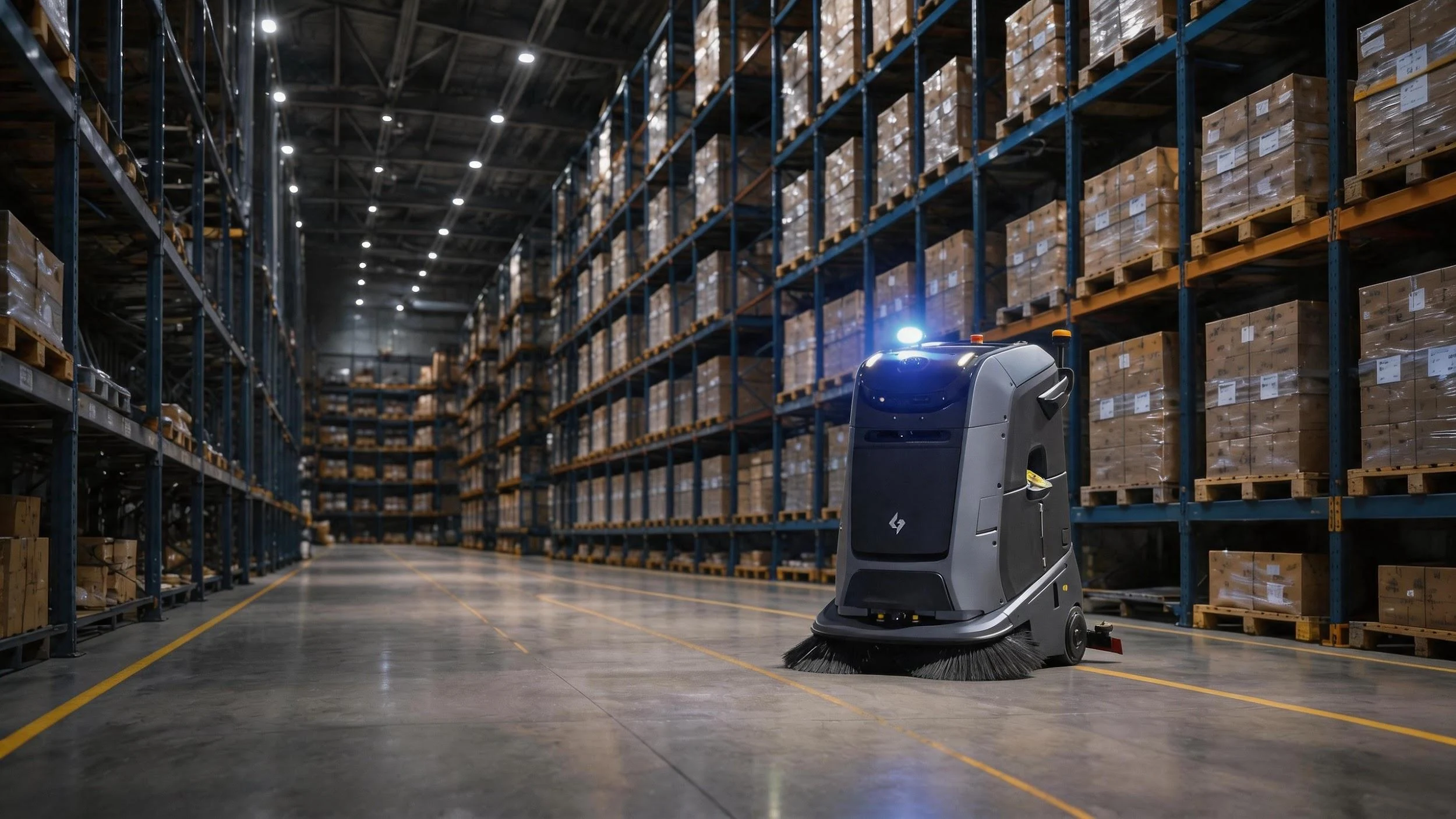
Mira and Marvel sweep and scrub in a single pass. Omnie integrates scrubbing, sweeping and dust mopping in one solution. In an open warehouse the sequential approach is workable. In a concourse at 17:00 it is not.
|
|
Mira |
Marvel |
Omnie |
|
Site type |
Supermarkets, healthcare buildings, light industrial, mid-format retail |
Hypermarkets, warehouse retail, large distribution and back-of-house floors |
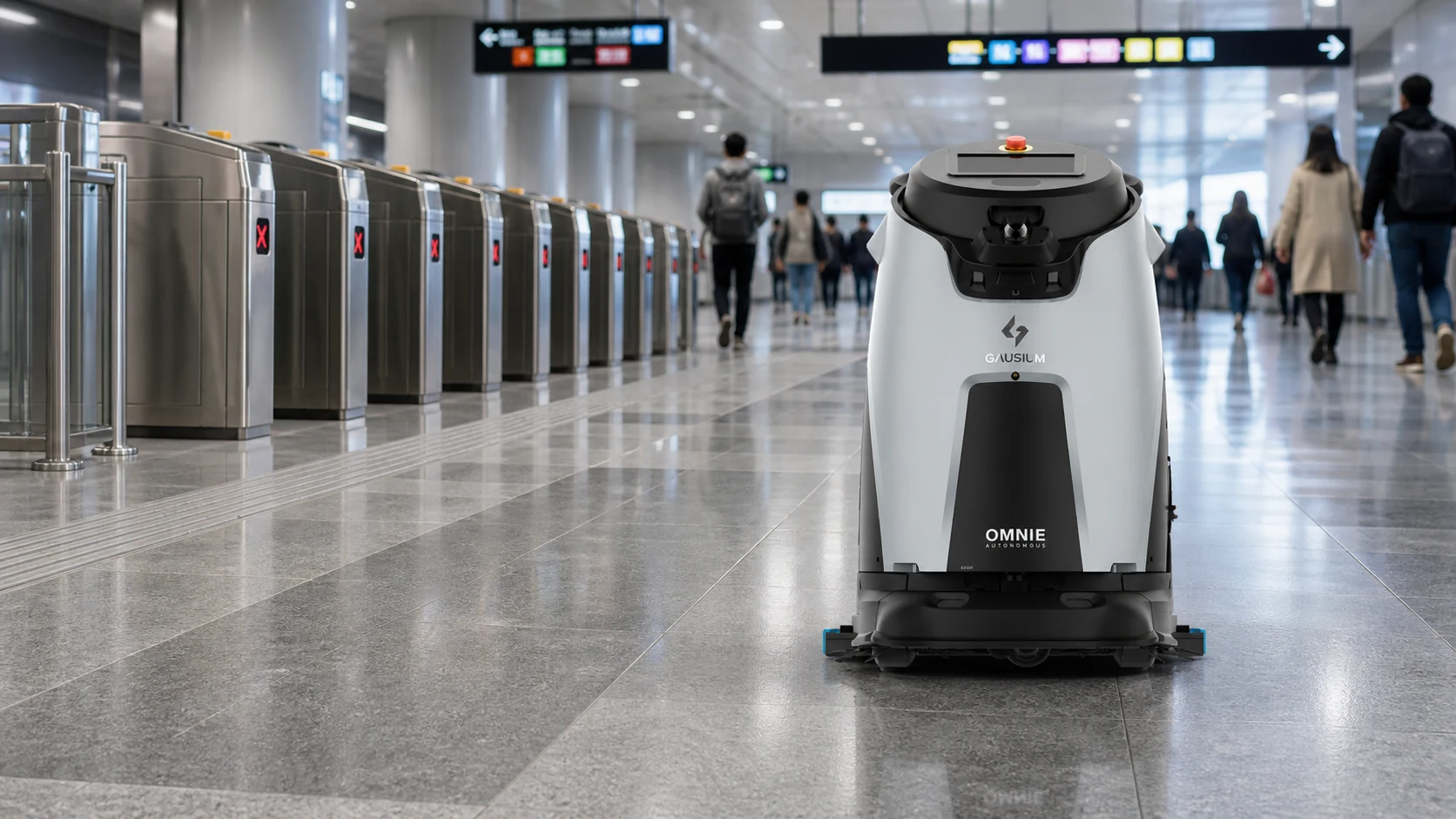
Airports, stations, metro passages, mall common areas, large public buildings |
|
Floor plate |
Mid-sized, broken up by fixtures and aisles |
Large and open |
Large, complex, irregular circulation |
|
Dominant challenge |
Aisle width and frequent layout change |
Coarse debris volume across distance |
Continuous crowd density |
|
Debris profile |
Light to moderate, mixed dry and wet |
Paper, packaging, thread and bulkier material |
Mixed litter, grit, spills, tracked-in moisture |
|
Key capability |
Sweep and scrub in one pass; Drop & Go deployment with no professional mapping |
Heavy-duty side brush plus disc brush scrubbing in the same pass |
Multimodal SLAM with 360-degree 3D LiDAR and panoramic camera for zero-blind-spot awareness |
|
Maintenance load |
Internal self-cleaning system flushes the wastewater tank automatically |
Same self-cleaning architecture at larger scale |
Scrubbing, sweeping and dust mopping in one machine, reducing the number of units on site |
|
Weakest fit |
Very large open floor plates |
Narrow aisles and tight turning circles |
Sites where a simpler machine would do the job |
All three are hard-floor machines. A building with carpet at gates, lounges or offices needs the surface-coverage question settled before the scrubber question, because that decision determines whether one machine or two is realistic.
Two deployment references show the pattern in practice. Gausium put Omnie into Milan’s airports ahead of the Milano Cortina 2026 Winter Olympics, working through continuous passenger flow. In retail, Gausium supplied a Greek supermarket chain with 25 Omnie and Phantas robots across its store network, which is the mixed-format version of the same problem.
|
Check |
How to test it |
What a pass looks like |
|
Certified for occupied space |
Ask which standard the machine is certified against for autonomous operation among people. IEC 63327 is the reference for this equipment class |
A named certification, not a general safety statement |
|
Coverage under interruption |
Run the demonstration during a real peak, not at 06:00. Compare area completed against the rated figure |
You know the ratio for your building before you sign |
|
Behavior, not sensor count |
Stand in the route. Watch whether it slows smoothly or brakes hard, and whether people hesitate around it |
No congestion forms and no one has to make a deliberate detour |
|
Replenishment between windows |
Time a full cycle including water refill, discharge and charging |
The machine can start a second run without a person attending it |
|
Response to layout change |
Move a display or a barrier and restart the route |
It re-plans on its own rather than requiring a technician to remap |
The second row is the one most buyers skip. A demonstration on an empty floor tells you almost nothing about a building that is never empty.
High-traffic buildings rarely have one cleaning window. They have several troughs, and the troughs differ by zone.
Log a full week of footfall zone by zone, then mark the usable duration of each trough as measured rather than estimated. The real figure is almost always shorter than the assumed one, because arrival and clearance time sit inside it.
Then split the work. Assign full-coverage routes to the deepest trough, usually overnight or pre-opening. Assign targeted work to the shallow daytime troughs, where the objective is to stop soil spreading rather than to treat the whole floor.
Entrance, concourse, retail frontage and back-of-house will not dip at the same time. A single site-wide schedule always leaves some zone uncovered, which is the most common reason a deployment underperforms despite a capable machine.
Gausium’s public transport solutions page sets out how this splits across station and terminal environments.
Floors that are mostly carpet or matting. Settle surface coverage first. A scrubber specified into a carpeted terminal will sit idle.
Spaces under constant reconfiguration. Event build-outs, seasonal installs and refits make routes unstable, and automated operation is better paused than fought.
Buildings whose deepest trough is a few minutes long. If no window is long enough to complete anything, the constraint is the operating pattern, not the equipment.
Acoustically sensitive rooms inside otherwise busy buildings. Assess noise in the specific space. The same machine can suit a concourse and fail in a library reading room.
To size any of this against a specific building, Gausium arranges site assessments through the contact page.
Step 1/2
Please select the type of business you’d like to have with Gausium.
Choose one item from the list
Step 2/2
Thanks for sharing your preference. Please fill out the form below, and we’ll get in touch shortly.
By clicking “Submit”, I authorize Gausium to contact me. Privacy Policy.
Thank you for filling out the form
By clicking “Submit”, I authorize Gausium to contact me. Privacy Policy.