




UP NEXT
Choose Cleaning Robots for Very Large Facilities: Four Factors That Set the Machine CountAugust 31, 2026

September 02, 2026
The question is usually asked about batteries. The underlying requirement is different: whether the machine can complete a shift without a person attending it.
For a vacuum, automatic charging generally satisfies that requirement. For a scrubber it does not, because charge is only one of three things a scrubber consumes.
The direct answer follows first, then what that answer leaves out.
|
Machine |
Automatic charging via |
What the unit handles |
|
Charging, then resumes the task |
||
|
Charging, then resumes the task |
||
|
Optional workstation |
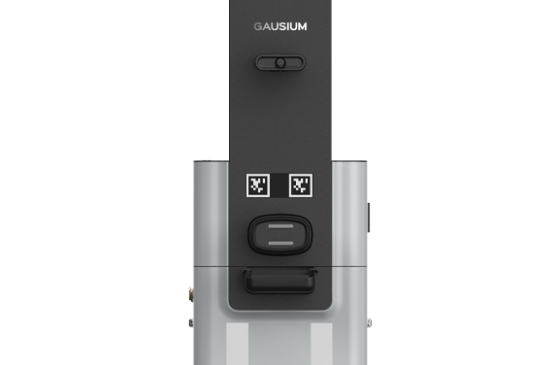
Charging, water refill, sewage drainage, and self-cleaning of the squeegee blade, suction pipe and wastewater tank |
|
|
Autonomous charging |
Charging, for indoor and outdoor industrial floors |
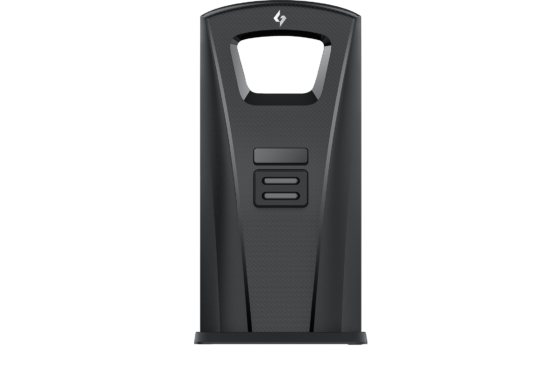
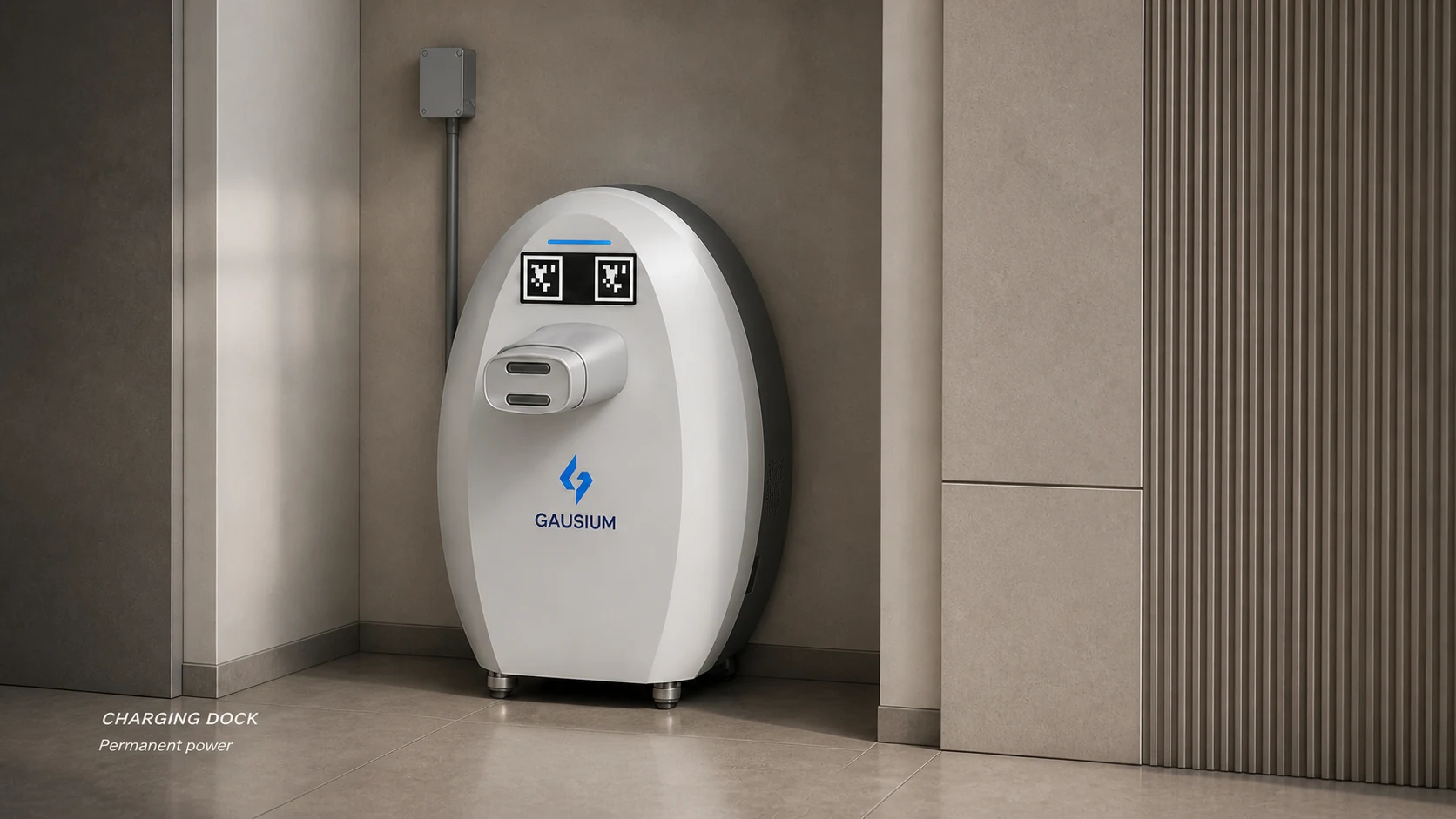
Both dock pages describe the behavior in the same terms: “When the robot’s battery is low, it automatically returns to the dock for recharging.” Once charged, “the robot seamlessly resumes its previous task, ensuring uninterrupted operation.”
For other models in the range, confirm with Gausium which charging or workstation configuration is available for the model and market in question. Pairings differ by machine and by region.
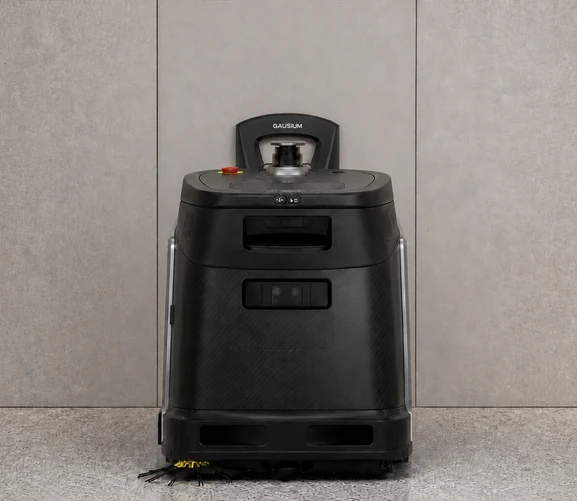
A dry machine consumes charge, and fills its bag over days rather than hours. Vacuum 40 holds a 12 L dust bag, which is why pairing it with a charging dock produces a genuinely unattended overnight cycle on carpeted floors.
A wet machine consumes charge, clean water and recovery capacity, and on any substantial scrub the water is exhausted first. A charging dock leaves both water interruptions in place, so a person still attends mid-shift.
The trade press has described the complete version of self-management for some years. Writing in Sanitary Maintenance, editor Dan Weltin set out what a machine required in order to look after itself: “by knowing when to return to its docking station, the machine is able to recharge itself, empty its own solution tank and refill the water tank.”
Three functions, not one, and that remains the dividing line.
Cleaning & Maintenance Management has since made the operational consequence explicit: machines that “need to recharge mid-job” require “an accessible docking station or human assistance.” Which of the two applies is determined at specification stage rather than in operation.
That produces a rule that can be written into a schedule:
The decision is per mode, not per machine. Phantas dust mopping a corridor and Phantas scrubbing hard floor for five hours are different cases involving the same asset.
Marvel addresses part of this without a workstation, through an internal self-cleaning system that maintains its own recovery path between runs. How tank capacity governs coverage on large sites is covered in sizing a cleaning robot fleet for very large facilities.
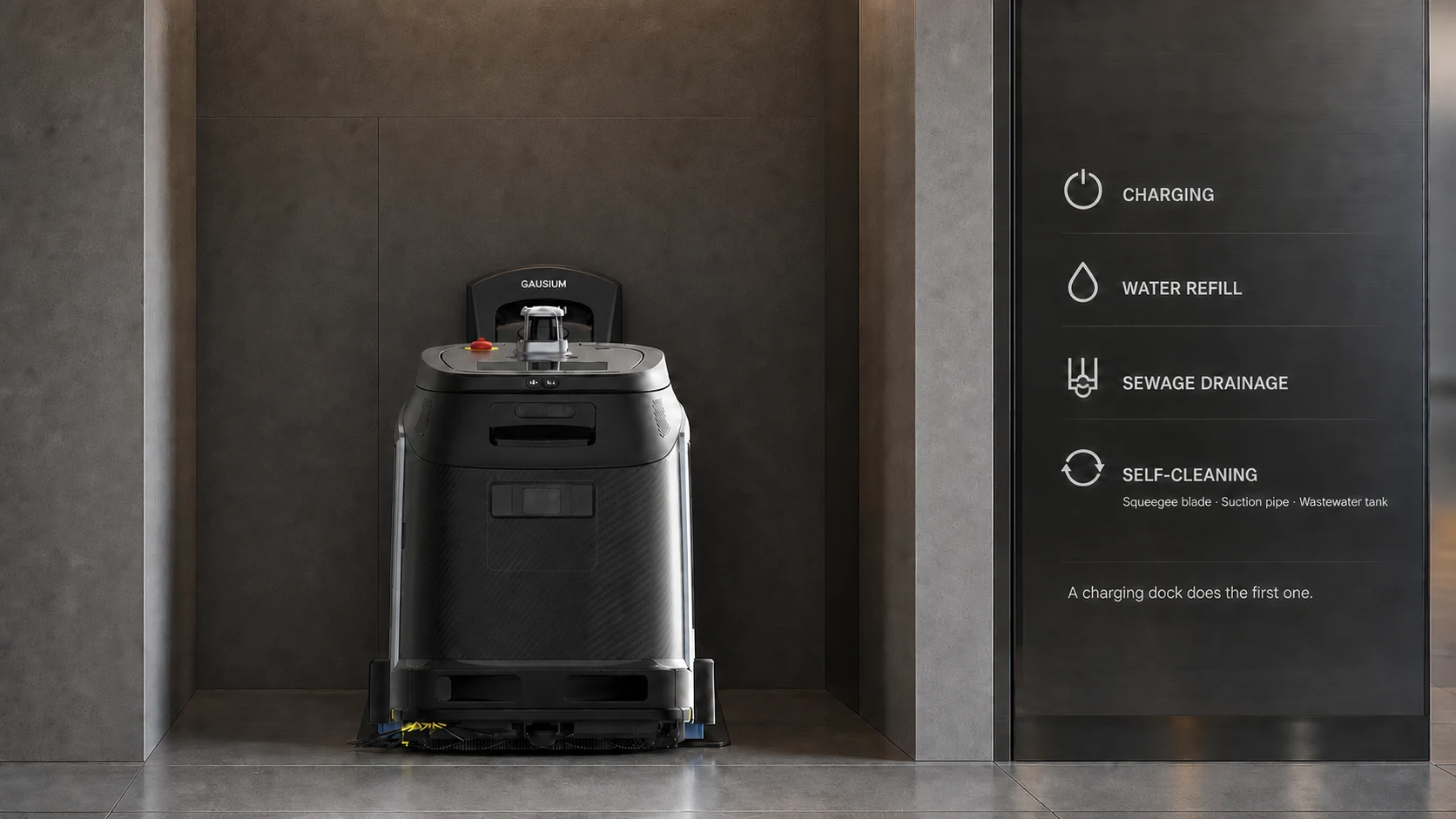
A charging dock is an electrical item. A workstation is a small plumbing project, and that changes who has to sign it off.
A charging dock requires:
A workstation requires those, plus:
Charging arrangements for this class of machine fall within a published safety standard. IEC 63327:2021 covers the safety of automatic floor treatment machines for commercial indoor use, including machines that operate in automatic mode and batteries recharged by built-in or off-board chargers.
Ask a supplier which parts of the charging arrangement are covered by their compliance documentation, and retain that documentation with the installation record.
In practice the plumbing determines the location, and the location then determines which zones the machine can reach.
The order that works: identify where water and drainage already exist, confirm the cleaning zones are within range, and settle the configuration last. Marking candidate positions on the floor plan at proposal stage avoids the common outcome in which the only positions remaining at commissioning are those already ruled out.
Resumption is what makes automatic charging worth specifying. A job longer than one battery becomes a single unattended run rather than two attended ones.
What it does not do is compress elapsed time. The charge break sits inside the cleaning window, so the window has to accommodate the run plus the charge. For a fixed slot before opening, that distinction determines whether the floor is finished before the doors open.
Two figures to obtain from the supplier before building a schedule: how long the charge break lasts, and whether the machine restarts at the interruption point or at the start of the zone. The second affects how routes are divided.
Docking removes the mid-shift visit. It does not alter the division of labor on the floor.
European Cleaning Journal sets the boundary plainly: “Robots work less effectively when carrying out highly detailed, irregular or judgment-heavy tasks. Tight corners, unusual layouts, sudden non-standard messes and deep-cleaning requirements can still require human intervention.”
One operational detail follows specifically from docking. A blocked dock approach halts an otherwise unattended cycle, and it does so silently: the machine reports a completed return rather than a fault. Assign named responsibility for keeping that area clear, and include it in the daily check.
The dock position is the item most likely to delay an installation, so it is worth raising in the first conversation rather than the last. Gausium can review candidate positions against a floor plan during a site assessment.
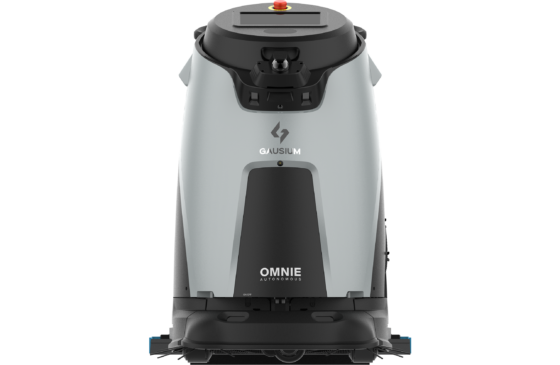
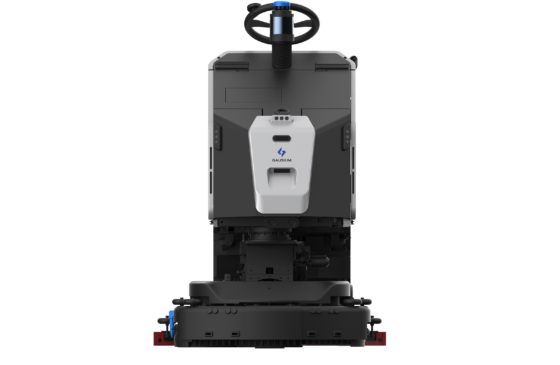
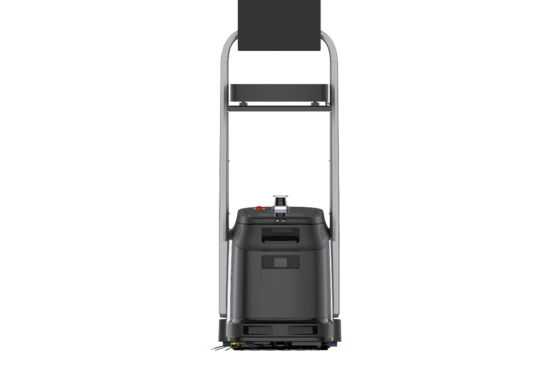
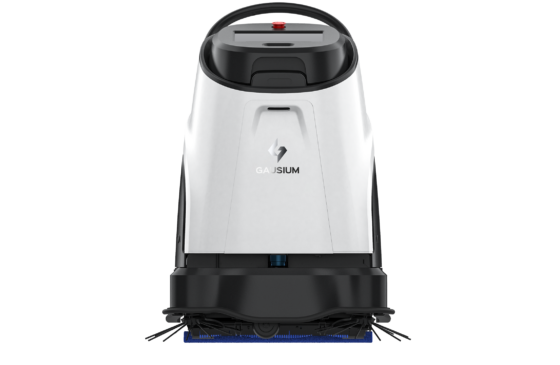
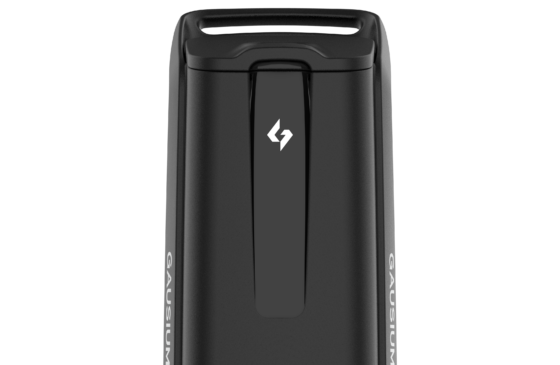
Machines paired with a dock or workstation. Gausium publishes CD-01 for Vacuum 40 and Scrubber 50, CD-04 for Phantas, an optional workstation for Phantas, and autonomous charging for Beetle. Confirm other models for the relevant market.
For dry cleaning, generally yes. For wet cleaning, not on its own: clean water and recovery capacity are exhausted before the battery, so a workstation that refills and drains is what removes the mid-shift visit.
A dock charges the machine and allows it to resume. A workstation adds water refill, sewage drainage and self-cleaning of the machine’s internals, which industry coverage has used as the test of genuine self-management since 2018.
No. It requires a water supply and a foul drain, so existing services usually dictate the position, and that position limits which zones the machine can reach. Identify the services first.
No. It allows an over-length job to run unattended, but the charge break still falls inside the window. Add charge duration to run time when assessing a fixed slot.
Usually a blocked dock approach, a position that has to be relocated after commissioning, or a wet job scheduled on a charging dock alone. All three are avoidable at specification stage.
UP NEXT
Choose Cleaning Robots for Very Large Facilities: Four Factors That Set the Machine CountAugust 31, 2026
Step 1/2
Please select the type of business you’d like to have with Gausium.
Choose one item from the list
Step 2/2
Thanks for sharing your preference. Please fill out the form below, and we’ll get in touch shortly.
By clicking “Submit”, I authorize Gausium to contact me. Privacy Policy.
Thank you for filling out the form
By clicking “Submit”, I authorize Gausium to contact me. Privacy Policy.