




UP NEXT
Industrial Floor Scrubbers for Factories: Four Criteria That Decide the ChoiceAugust 18, 2026

August 18, 2026
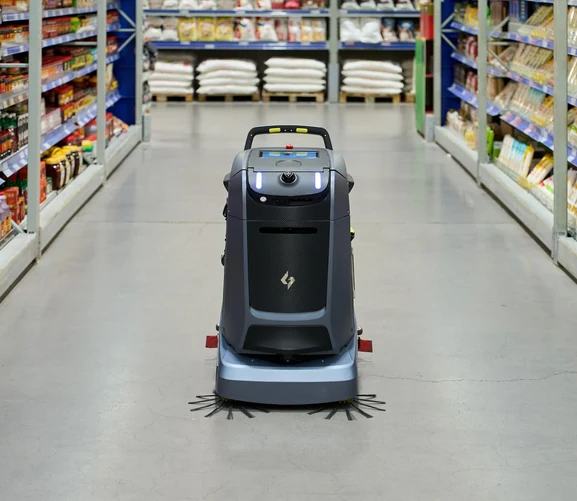
Floor cleaning in commercial buildings ties directly to operating efficiency and how cleaning hours are staffed. Sweep-and-scrub robots combine two steps into a single pass and remove the manual pre-sweep, which is why they have become a common choice over the past few years.
Machines marketed under the same description differ considerably in the aisles they can enter, the soil they can lift and how long they run without stopping. Product literature rarely makes those differences visible.
Gausium builds two models that complete both steps in one pass:
This article sets out the three conditions that decide the choice, then works through the main site types so the comparison can be made against your own floors.
Mira suits retail sales floors because access, not cleaning power, is the binding constraint.
Sales floors combine two conditions that rarely appear together. Aisles are narrow enough to exclude most autonomous scrubbers, and debris arrives continuously while the store is trading. Trolleys carry grit in from the car park, packaging fragments collect around end-caps, and spills happen where customers are standing.
What decides it:
Hypermarkets and warehouse clubs are the exception. Once main aisles widen and the floor plate runs into tens of thousands of square metres, the limiting factor shifts from access to whether the machine finishes the route in one run, which points to Marvel. See the retail solution page.
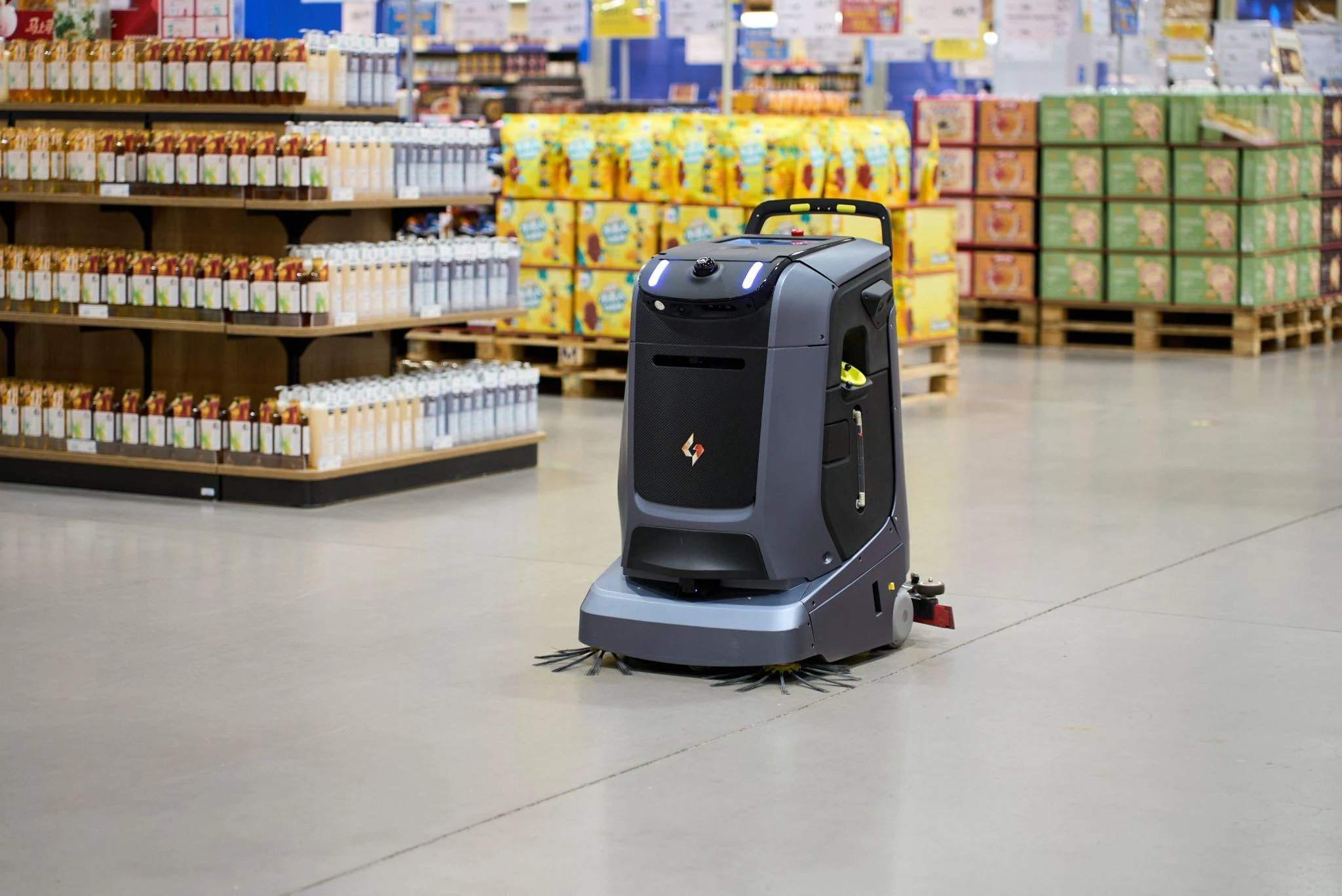
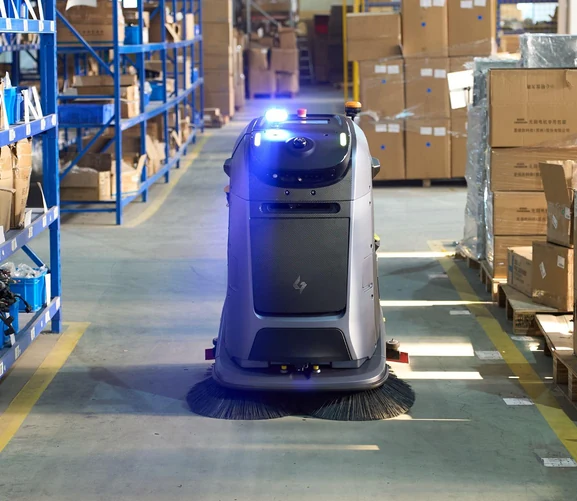
Marvel suits warehouse floors because debris size and uninterrupted runtime are the binding constraints.
Warehouse floors carry material that retail environments never produce: pallet splinters, shrink wrap offcuts, cardboard and grit tracked in from loading docks. Racking aisles are usually wide, floor plates are large, and the cleaning window sits between shifts rather than running all night.
What decides it:
One check before ordering. Marvel needs more clearance than Mira at the tightest point on the route, and more room to turn. Racking layouts are usually tighter than the floor plan suggests, so walk the path the machine will take and account for where pallets currently sit. See the warehousing solution page.
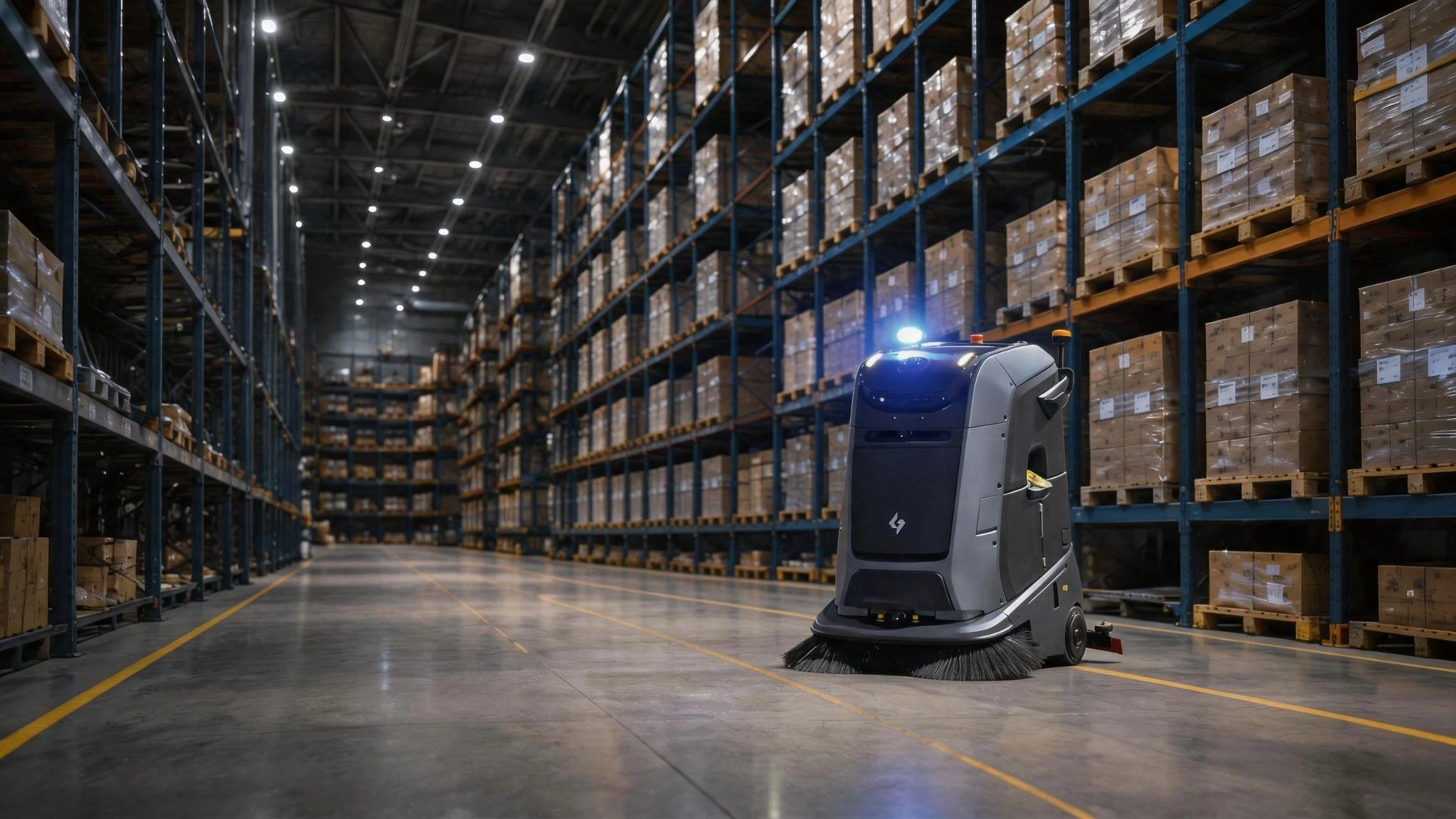
Marvel is the one suited to production floors, because embedded oil film requires downforce Mira does not carry.
Soil on a production floor builds up over months and works into the surface — coolant residue, oil film, tyre marks. Dry debris arrives alongside it rather than instead of it, and forklift and AGV traffic continues through most of the working day.
What decides it:
Assess the slab before selecting a model. Spalling floors shed grit that wears squeegees and enters the suction path. Cracked and broken sections hold water that cannot be recovered, so the floor stays wet. Both reduce effective coverage regardless of machine. The industrial floor scrubber guide covers how to assess this.
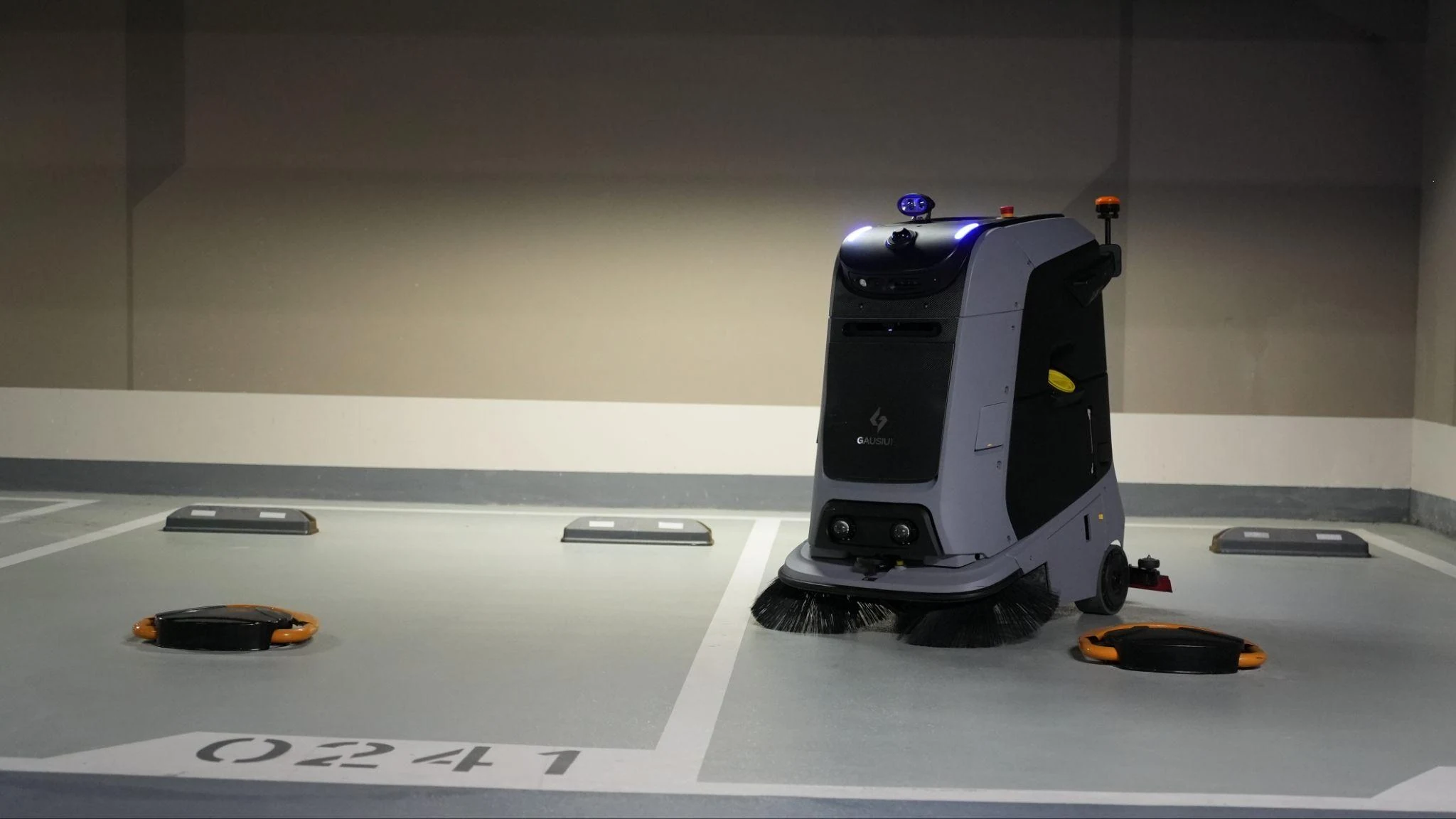
Mira suits these buildings because footprint and adaptability to layout change matter more than cleaning power.
They share a profile: light and consistent soiling, tight turning geometry, furniture and equipment that move regularly, and cleaning that happens while people are present.
What decides it:
Confirm how layout changes are handled. Beds move, temporary equipment appears in corridors, office furniture gets rearranged. A robot that needs remapping after every change becomes a task rather than a saving, and this is worth testing during a trial rather than taking on trust.
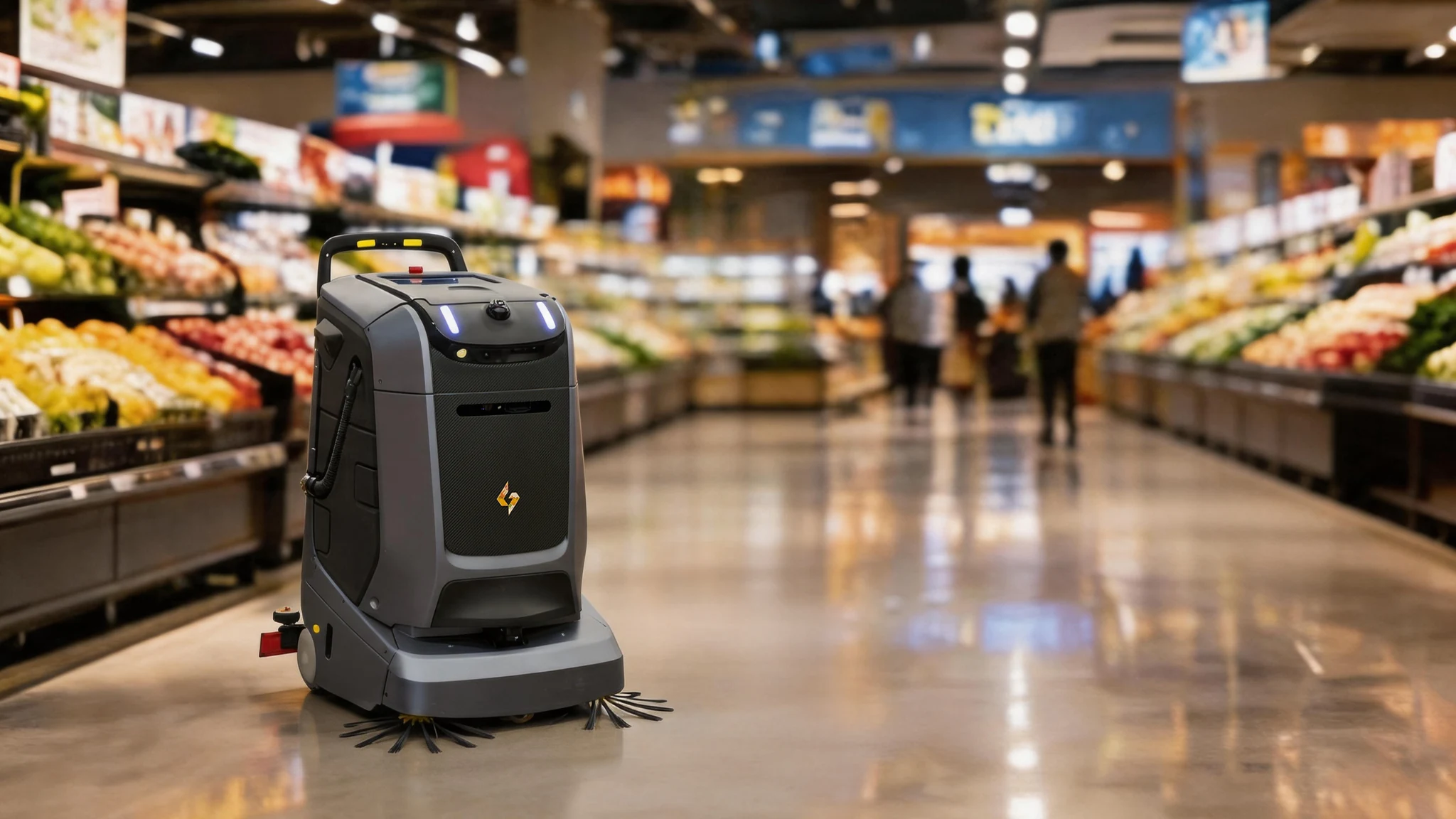
Buildings with more than one set of conditions should assign models by zone rather than standardise on one.
A terminal holds concourses measured in tens of thousands of square metres alongside retail units with narrow aisles, cleaned by the same team under the same budget.
How it splits:
Standardising on a single model means accepting weak performance somewhere, and that somewhere is usually the zone nobody measured before purchase. See the public transport solution page.
Where debris volume exceeds what a single chassis can hold, two specialists running in sequence work better than one combination machine.
Tray and tank volume are both limited by machine size. Stopping mid-route to empty a tray cancels out the unattended running the purchase was meant to deliver.
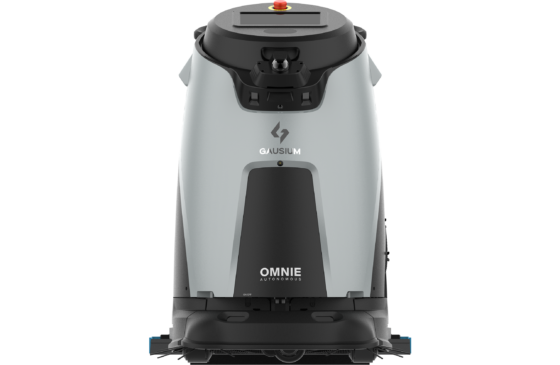
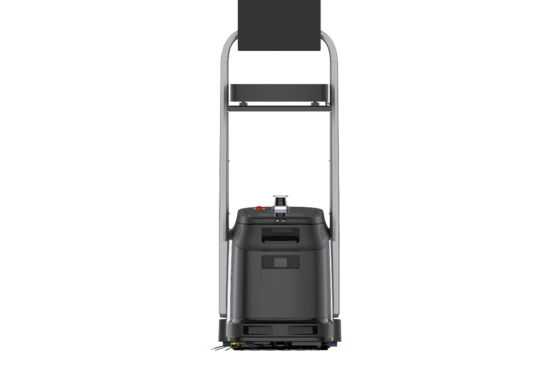
Beetle sweeps an aisle, Omnie follows and scrubs the same route, with no human step between them. Each machine is purpose-built for its job, so neither carries the packaging compromises of a combination unit. The cost is a second machine and more scheduling. The warehouse selection guide sets out how the pairing is configured.
Where site conditions overlap, take them in this order:
Access first. A machine that cannot complete the route leaves the remaining area on the schedule, so this rules models out before anything else is considered.
Soil second. Establish whether routine cleaning pressure is sufficient, or whether embedded oil film calls for the higher-downforce model.
Area last. Among the models still in contention, confirm that tank capacity and runtime cover the area the cleaning window requires.
Current specifications for both models are listed on the Mira and Marvel product pages. For how the two sweeping systems differ mechanically, see how one-pass cleaning works.
Bringing these three figures allows the conversation to move straight to model selection:
With those figures ready, contact Gausium to arrange a site assessment and a model recommendation based on it.
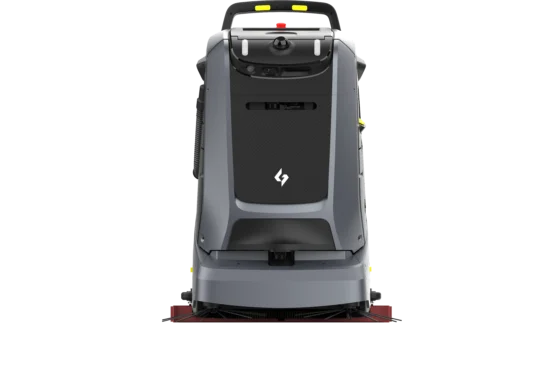
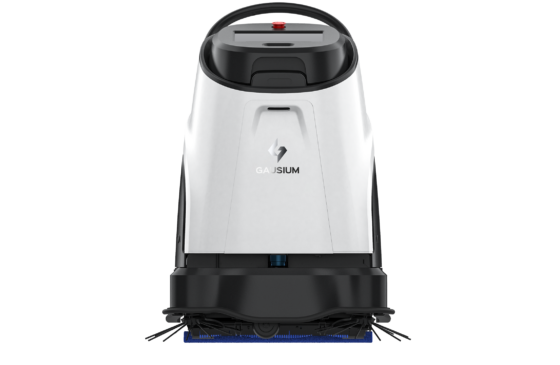
Mira. Its compact chassis reaches into gondola aisles and under shelf overhangs where larger machines cannot go. Hypermarkets and warehouse clubs have wider aisles and larger floor plates, where runtime rather than access becomes the limit, which points to Marvel.
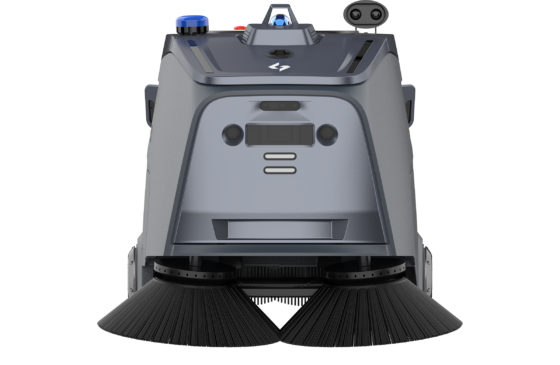
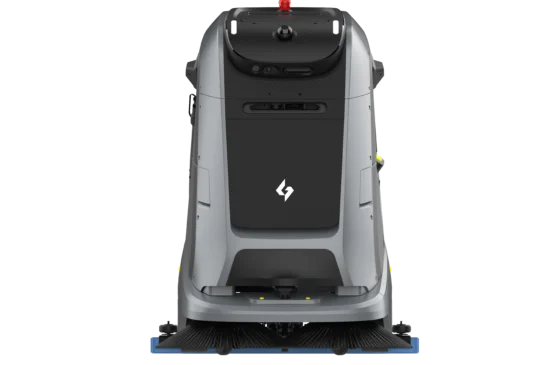
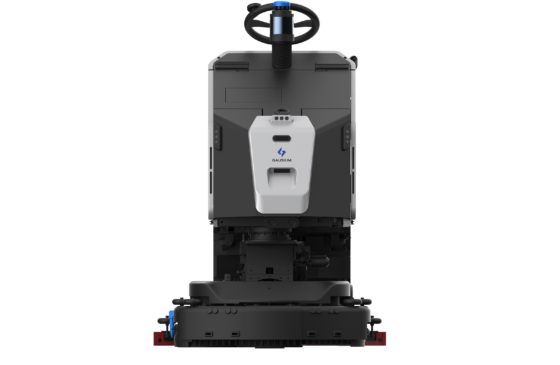
Marvel. Its front-mounted dual side brushes act as a complete sweeping system and collect pallet splinters and shrink wrap directly into the tray, where roller-based systems tend to wrap or miss larger fragments. Tank capacity and runtime support a full route without a refill stop.
Coolant residue and oil film bond into the floor texture over months. At lower pressure, only the surface layer comes away and soil in the texture remains. Marvel carries the downforce suited to this condition.
Access. Marvel needs more clearance and turning room than Mira. If the machine cannot complete the route, the remaining area still has to be cleaned manually, and no other specification compensates for that.
Only where aisle width, soil type and cleaning window stay consistent throughout. Buildings that combine open areas with narrow aisles usually assign models by zone, since standardising leaves a clear weak point somewhere.
Use two machines in sequence rather than one combination unit. Beetle sweeping ahead of Omnie scrubbing covers the same route without a mid-shift stop to empty a tray, at the cost of a second machine and additional scheduling.
UP NEXT
Industrial Floor Scrubbers for Factories: Four Criteria That Decide the ChoiceAugust 18, 2026
Step 1/2
Please select the type of business you’d like to have with Gausium.
Choose one item from the list
Step 2/2
Thanks for sharing your preference. Please fill out the form below, and we’ll get in touch shortly.
By clicking “Submit”, I authorize Gausium to contact me. Privacy Policy.
Thank you for filling out the form
By clicking “Submit”, I authorize Gausium to contact me. Privacy Policy.