





UP NEXT
“Robolution” in Healthcare: How Robotic Floor Scrubbers are Upgrading Hospital Hygiene and Safety Management and Improving Facility ImageFebruary 03, 2023

February 17, 2023
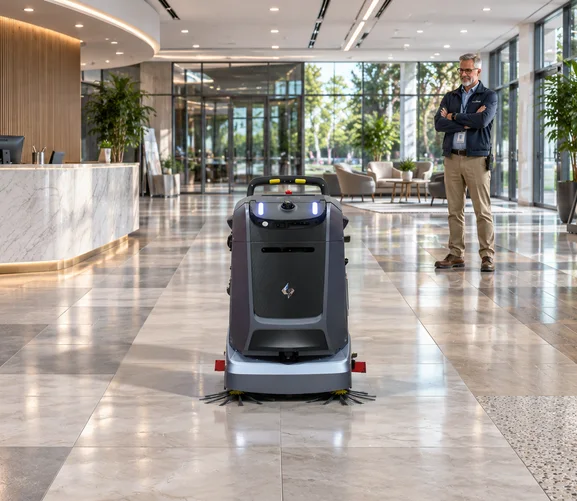
Choosing a commercial floor scrubber starts with the floors it needs to clean. A shopping mall may need to remove footprints and spills between busy periods. A parking garage collects grit and tire marks. A warehouse combines long aisles with loose debris and vehicle traffic.
These conditions affect more than machine size. They determine whether loose debris needs collecting before scrubbing, which brushes and cleaning settings suit the surface, and how much work can be completed within the available cleaning window.
This guide explains how to compare floor scrubbers against those requirements, where autonomous machines fit and which Gausium models to consider for different commercial settings.
Before comparing models, establish what the machine needs to accomplish.
Measure the accessible area assigned to the machine, rather than relying only on the building’s total floor area. Furniture, storage, equipment and restricted zones can make the cleanable area substantially different.
Then consider frequency. A route cleaned several times during opening hours creates a different workload from the same area cleaned once after closing.
The useful question is how much cleaning the machine needs to complete in each available window.
Identify the typical soil on the floor:
This helps determine whether the work needs a separate sweeping step, a scrubber with debris collection or another cleaning method.
Not every material found on a commercial floor is suitable for machine collection. Check the manufacturer’s instructions for the debris, liquids and operating conditions involved.
A machine must fit the route as well as the workload. Check narrow passages, turning areas, furniture spacing and access to the proposed charging or servicing location.
For multi-level buildings, establish how equipment will move between floors. For ramps and changes in level, check the model’s stated operating limits.
Consider opening hours, pedestrian peaks, deliveries and vehicle movements. These determine when cleaning can take place and how routes should be organized.
Include the time needed to prepare the machine, refill or empty tanks where required, recharge and perform routine care. The operating cycle extends beyond the time spent scrubbing.
|
Factor |
What to assess |
How it affects the choice |
|---|---|---|
|
Floor area and frequency |
Accessible area and the number of cleaning runs required |
Determines the workload within each cleaning window |
|
Layout |
Aisle widths, turning space, furniture, access and changes in level |
Determines whether the machine can reach and maneuver through the assigned area |
|
Floor surface |
Material, finish and manufacturer care requirements |
Guides the choice of compatible equipment, brushes or pads, and cleaning settings |
|
Soil and debris |
Loose particles, adhered dirt and suitable liquid spills |
Determines whether sweeping, scrubbing or combined cleaning is appropriate |
|
Traffic and timing |
Pedestrians, vehicles, deliveries and available cleaning periods |
Shapes route planning and operating arrangements |
|
Site facilities |
Power, water supply, drainage and servicing space |
Determines how charging and water handling can be organized |
Compact machines can suit narrow or furnished spaces, while larger machines may suit extensive open floors. Neither size nor headline productivity alone establishes suitability.
For mixed-floor buildings, check each cleaning mode separately. A machine that scrubs hard floors is not automatically suitable for carpet. Carpeted areas require equipment and methods designed for textile surfaces.
Scrubbing loosens dirt from compatible hard floors, while the recovery system collects the used cleaning solution. Loose debris may need removing first, depending on the machine and the material present.
A machine designed to collect debris and scrub in one pass can combine these steps. This is useful where suitable loose material regularly appears alongside dirt that requires wet cleaning.
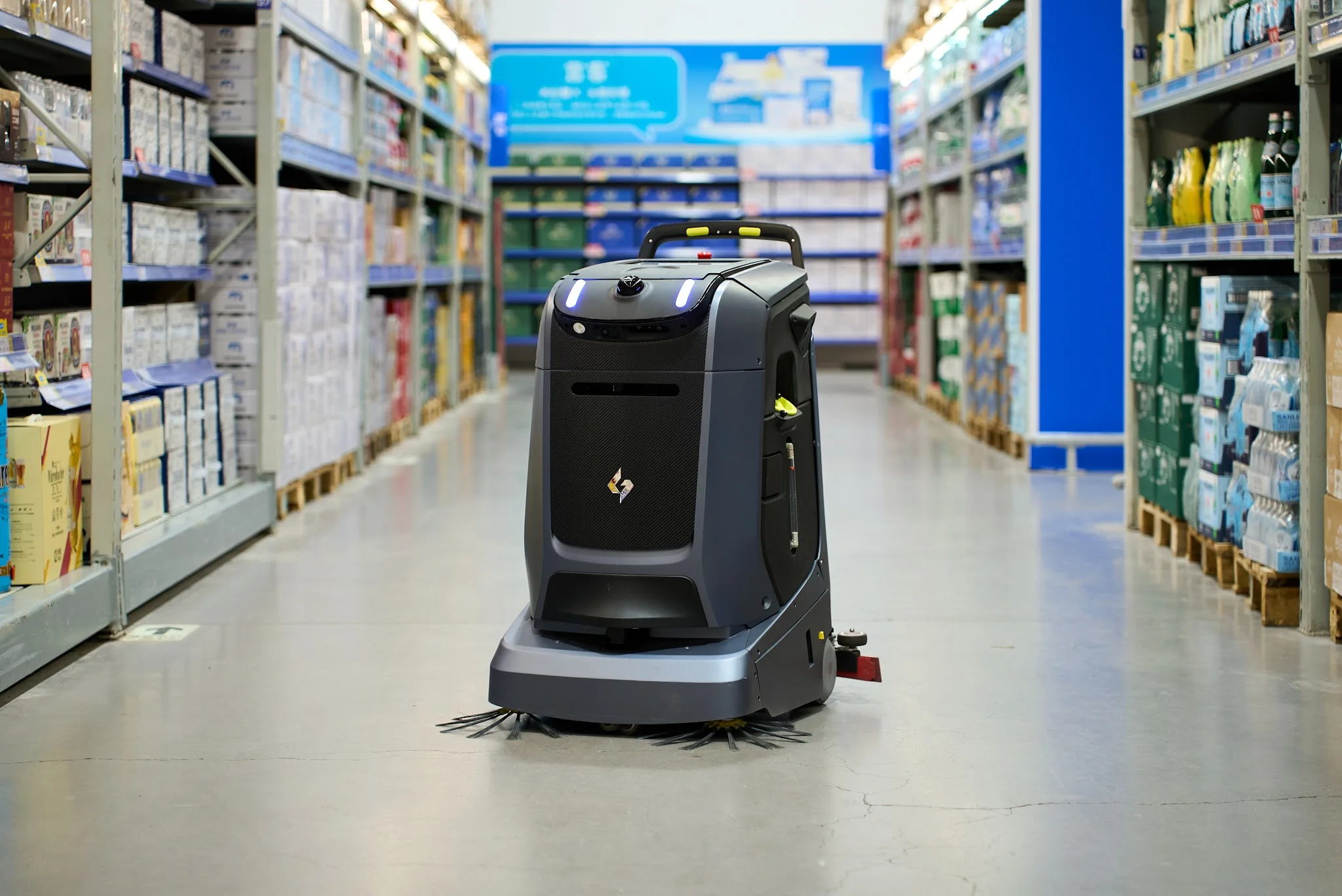
Gausium Mira uses a front roller brush to collect loose debris before rear disc brushes scrub the floor. Gausium Marvel combines front-mounted side brushes and a debris tray with rear disc brushes for sweeping and scrubbing in one pass.
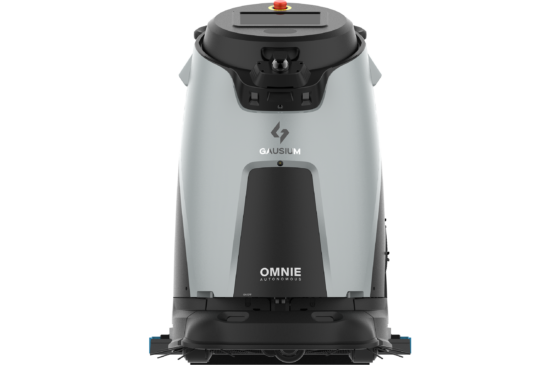
With its roller-brush configuration, Gausium Omnie combines scrubbing with debris collection.
The decision should reflect the actual floor conditions. Combined cleaning can reduce the need for a separate debris-removal pass, but staff should still remove materials outside the machine’s collection capability.
Gausium explains these cleaning arrangements in How Gausium Mira and Marvel Ended the Sweep-vs-Scrub Compromises and How to Choose a Sweep-and-Scrub Cleaning Robot for Your Site.
Cleaning challenge: Public floors collect tracked-in dirt, dropped debris and spills. Storefronts, seating and temporary displays can create a mix of open areas and narrow routes.
Selection approach: Match the machine to the accessible space and the cleaning load. Mira is an option for mid-sized areas and tighter routes. Marvel is designed for large and complex spaces. Omnie is designed for dynamic environments where conditions change during operation.
Plan routine cleaning around the mall’s operating schedule, with staff available for urgent incidents and tasks outside the robot’s assignment.
In practice: At Huainan Aegean Shopping Mall in China, three Gausium robots, including an Omnie, handle floor cleaning across four commercial floors and two underground garage levels. The deployment combines equipment and schedules for different parts of the site. Huainan Aegean case study
Cleaning challenge: Vehicles bring in sand and grit, while traffic lanes may also need wet cleaning. Lighting, ramps, parked vehicles and moving traffic affect the route.
Selection approach: Assess the debris load before deciding how sweeping and scrubbing should be combined. Marvel and Omnie include car parking among their application settings. Where the assigned task is dry sweeping, Gausium Beetle is a separate equipment category to consider.
Check floor compatibility, ramp limits and access conditions, and agree on a cleaning schedule that accounts for vehicle movement.
In practice: Across two TianAn Cyber Park campuses in Shenzhen, an Omnie cleans approximately 5,000 m² of indoor space at the Futian site, while another Gausium robot handles a 20,000 m² underground garage at the Longgang site. These are separate cleaning assignments at two locations. TianAn Cyber Park case study
Cleaning challenge: Warehouse floors can combine dust and loose debris with adhered dirt. Pallets, storage layouts and forklift activity affect access.
Selection approach: Determine which materials the machine can collect and which need removing separately. Dry sweeping addresses suitable loose debris; scrubbing addresses dirt on compatible hard floors.
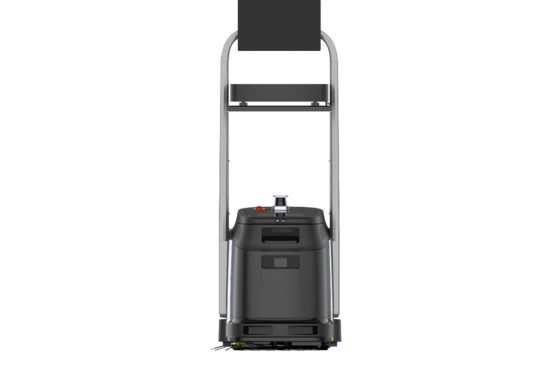
Marvel is an option for large warehouse cleaning assignments. Beetle is an autonomous sweeper for suitable indoor and outdoor dry-debris tasks, rather than a substitute for wet scrubbing.
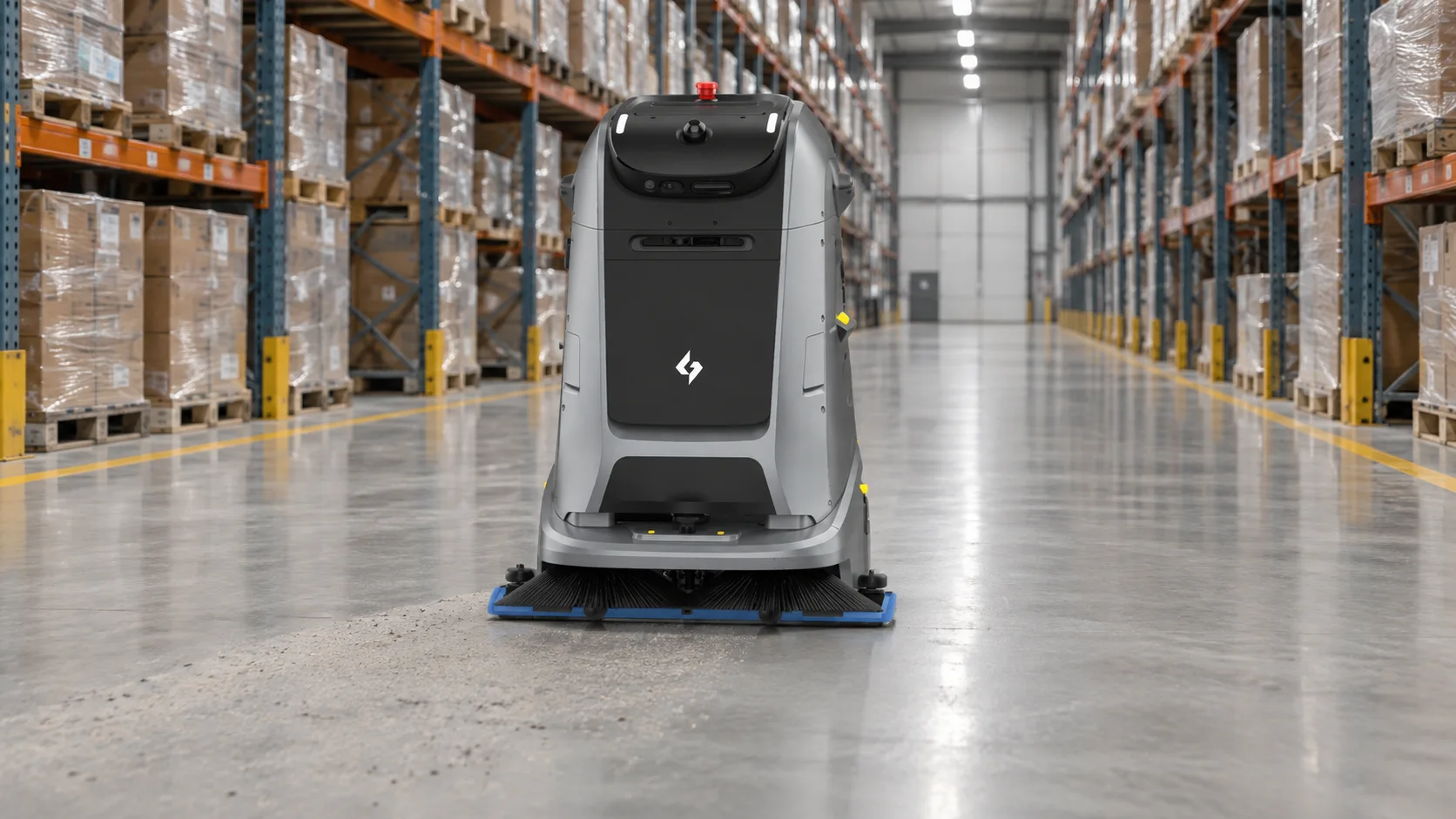
Schedule work around site activity and establish operating arrangements for areas shared with vehicles.
In practice: At Coca-Cola Europacific Partners’ warehouse in Knetzgau, Germany, Gausium robots operate on weekends and outside working hours at a facility running a 24/6 shift pattern. The example illustrates how cleaning schedules can fit around warehouse activity. Coca-Cola Europacific Partners case study
Cleaning challenge: Carpeted work areas may sit beside hard-floor corridors and reception areas. Furniture limits access, and cleaning needs to fit around occupants.
Selection approach: Check the required cleaning method for each surface. Gausium Phantas combines vacuuming for low-pile carpet with sweeping, scrubbing and dust mopping for compatible hard floors.
For larger carpeted areas, a dedicated vacuuming solution such as Gausium Vacuum 40 can also be evaluated. The choice depends on the balance of floor types, accessible routes and workload.
In practice: At the MANIFEST headquarters in Greece, Phantas cleans a carpeted office area. This provides an example of a multi-mode robot being used for a specific floor-care task within a workplace. MANIFEST case study
Autonomous floor scrubbers are worth considering for recurring cleaning routes that suit the machine’s operating conditions. They can take on assigned floor-cleaning tasks while staff handle other work, including detailed cleaning, urgent spill response and inspection.
When comparing autonomous equipment with operator-controlled machines, consider how the cleaning task will be performed:
Charging, water handling, scheduling and reporting capabilities vary by model and configuration. Some setups support automatic return to a charging dock. Compatible workstations may also refill clean water and discharge wastewater, subject to installation requirements.
Operator-controlled scrubbers can complement autonomous machines where a task requires direct control or falls outside the robot’s approved operating conditions. Very small areas, irregular layouts or deep-cleaning tasks should be assessed individually rather than automatically assigned to one equipment category.
Gausium’s guide to walk-behind and robotic floor scrubbers explores how the two can fit different cleaning assignments.
The following comparison provides a starting point for shortlisting. Final selection depends on the floor, route, cleaning load and proposed configuration.
|
Model |
Main selection consideration |
Relevant cleaning capabilities |
Examples of settings to evaluate |
|---|---|---|---|
|
Compact routes and mixed-floor requirements |
Vacuuming, sweeping, scrubbing and dust mopping |
Offices, retail, hospitality and healthcare settings |
|
|
Mid-sized spaces with narrower routes |
Sweeping and scrubbing in one pass |
Retail, supermarkets and other commercial interiors |
|
|
Complex, dynamic operating environments |
Scrubbing; debris collection with the roller-brush configuration; AI identification and targeted cleaning of dry and wet waste |
Transport hubs, warehouses, manufacturing, retail and parking areas |
|
|
Large and complex floor-cleaning assignments |
Sweeping and scrubbing in one pass |
Warehouses, manufacturing facilities, large retail spaces and underground garages |
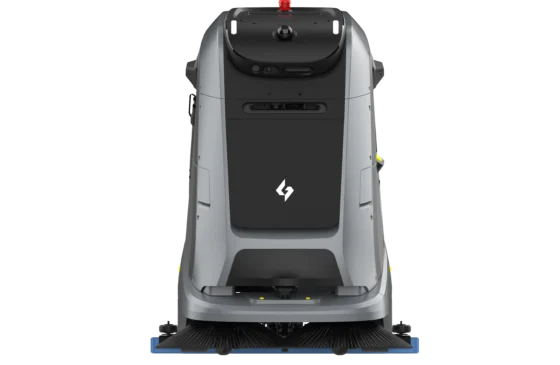
Phantas combines several cleaning modes in a compact machine. It is an option for sites where routes include both low-pile carpet and compatible hard floors, or where furniture and narrow passages affect access.
Its suitability should be checked against the actual floor surfaces and route dimensions. Cleaning time and coverage depend on the task and conditions, so a site trial is more useful than relying on a single general productivity figure.
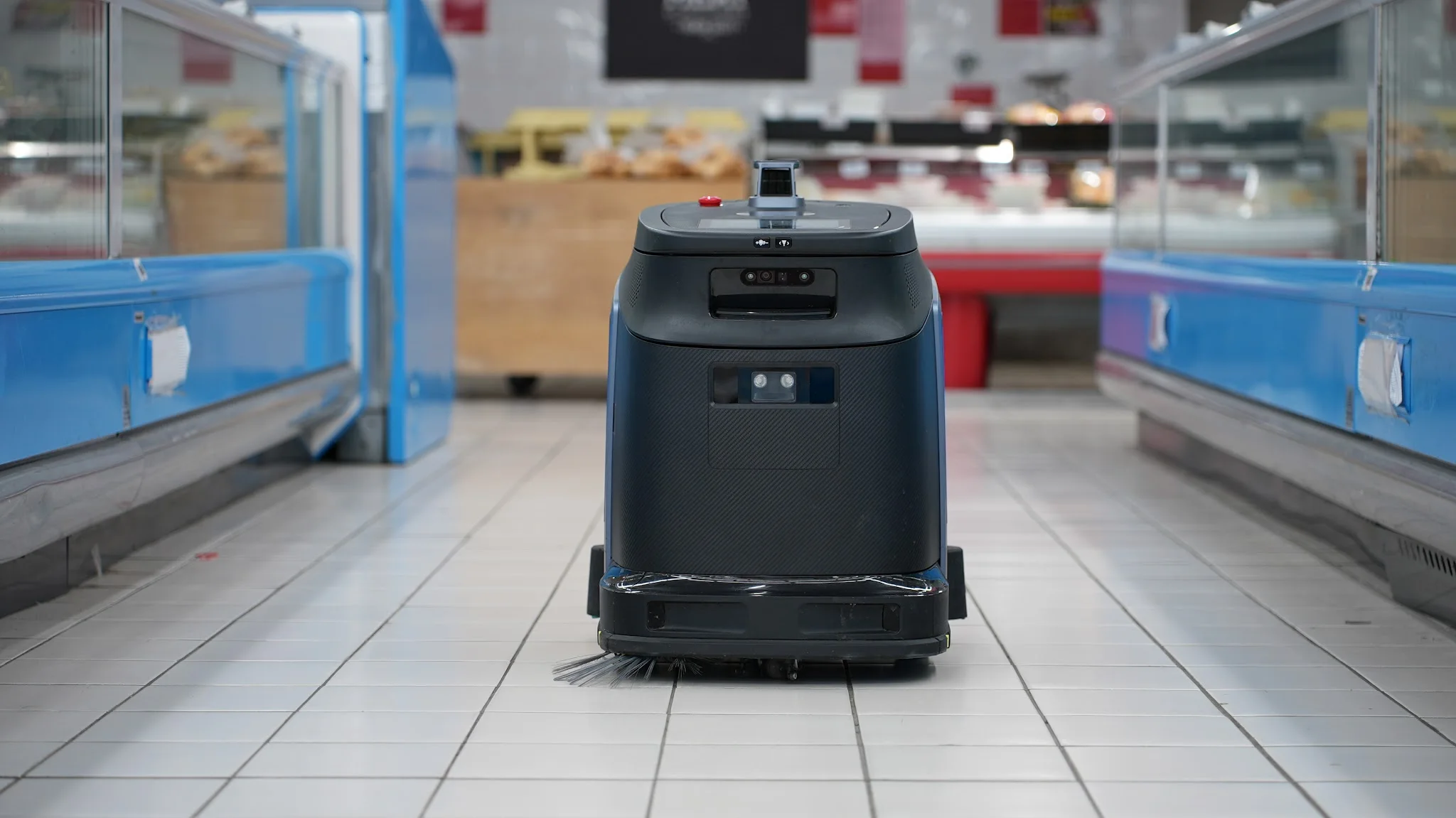
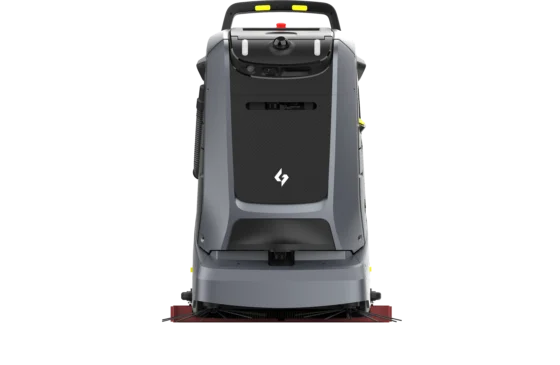
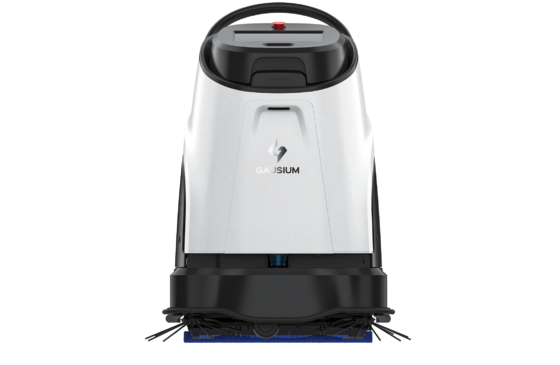
Mira is designed for mid-sized commercial spaces. Its front roller brush and rear disc brushes combine debris collection and scrubbing in one pass, while its compact layout supports access through narrower routes.
Automatic wastewater-tank cleaning supports routine care. Staff still need to follow the maintenance instructions for the machine and its components.
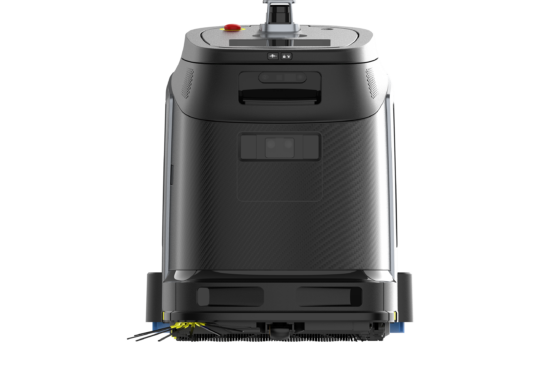
Omnie is designed for complex, dynamic environments such as transport hubs and warehouses. Its navigation system includes 360° camera coverage and 3D LiDAR, while its AI capabilities support the identification and targeted cleaning of dry and wet waste.
Check the proposed brush configuration against the cleaning task. The roller-brush configuration combines scrubbing with debris collection.
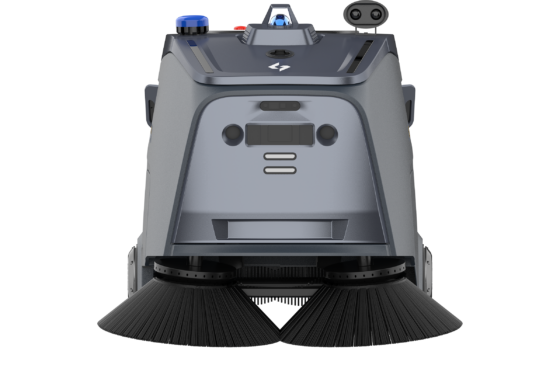
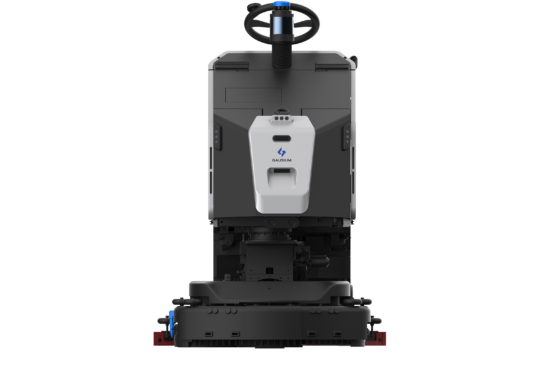
Marvel is designed for large and complex spaces. Its front-mounted side brushes collect suitable loose debris into a tray, followed by rear disc brushes that scrub the floor.
It is an option where a large cleaning assignment combines loose debris with dirt requiring wet cleaning. Automatic wastewater-tank cleaning supports upkeep between tasks.
A site demonstration should test the shortlisted machine against the cleaning requirement defined at the start.
Include:
Where task records are available, use them alongside inspection. Recorded coverage helps explain the work performed; it does not establish the resulting floor condition on its own.
Gausium’s guide to what to measure in a cleaning robot performance test provides further points to record.
To discuss floor conditions, cleaning methods and suitable equipment for a particular site, contact Gausium.
Floor area helps establish the workload, but it should be considered alongside cleaning frequency, layout and the available cleaning window. Phantas offers a compact multi-mode option, Mira is designed for mid-sized spaces, and Marvel is designed for large and complex spaces. The assigned route and cleaning conditions determine the practical fit.
Combined cleaning is worth considering when suitable loose debris and dirt requiring wet scrubbing regularly occur on the same floors. Mira and Marvel sweep and scrub in one pass. Omnie combines scrubbing with debris collection in its roller-brush configuration. Check the materials involved against the machine’s operating instructions.
No. Beetle is an autonomous sweeper for suitable indoor and outdoor cleaning applications. It collects dry debris rather than wet-scrubbing floors. A site may use sweeping and scrubbing equipment for different tasks.
Consider operator-controlled equipment for tasks requiring direct control or conditions outside the proposed robot’s operating limits. It can also complement autonomous equipment within a wider cleaning plan. The decision should follow the task requirements and site assessment, rather than assuming one machine type is always preferable for a particular area size.
Gausium develops autonomous commercial floor-cleaning solutions, including cleaning robots, supporting accessories, cloud services and application software. Its product range supports different floor-care tasks and commercial environments.
Step 1/2
Please select the type of business you’d like to have with Gausium.
Choose one item from the list
Step 2/2
Thanks for sharing your preference. Please fill out the form below, and we’ll get in touch shortly.
By clicking “Submit”, I authorize Gausium to contact me. Privacy Policy.
Thank you for filling out the form
By clicking “Submit”, I authorize Gausium to contact me. Privacy Policy.