




UP NEXT
Industrial Cleaning Equipment Types and How to Chooseoctubre 27, 2026

octubre 27, 2026
A hotel lobby can be receiving arrivals while a restaurant prepares for service and housekeeping turns over rooms upstairs. Each area needs clean floors, but the opportunity to clean them rarely arrives at the same time.
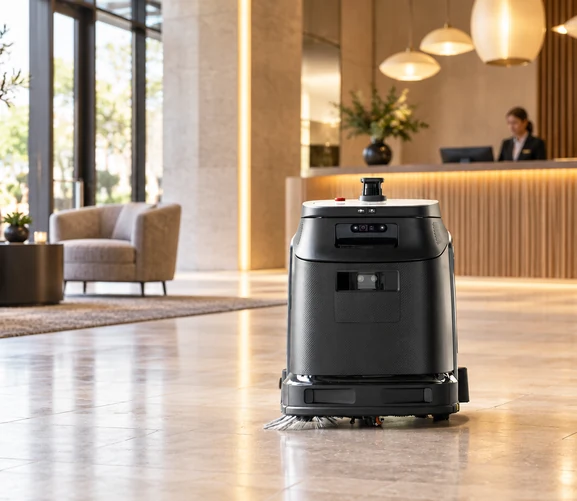
Hotel cleaning robots can take on suitable floor-care tasks in lobbies, corridors, dining areas and meeting spaces without someone continuously steering the machine. Depending on the model, those tasks include vacuuming, sweeping, scrubbing or dust mopping.
For housekeeping managers, the aim is to fit recurring floor care around arrivals, room turnovers and meal service. A useful deployment gives the robot a defined workload and gives staff a clear plan for the work that remains. That starts with the hotel’s daily rhythm.
A carpeted guest corridor needs a different cleaning method from a stone lobby. Dining-room access depends on the furniture arrangement, while a meeting room may change layout between events. Identify these differences before selecting a machine.
For each area, record the floor covering, required cleaning method and available access. Include doorways, turning spaces and the route to the machine’s charging or servicing location. A large overall floor area does not necessarily form one continuous cleaning task.
Shared floors provide a focused starting point for this assessment. Keep guest-room turnovers, bathroom cleaning, bed-making and commercial kitchen routines in their own operating plans, with clear responsibilities for the staff who complete them.
Use the hotel’s actual occupancy, restaurant timetable and event schedule to identify cleaning windows. The following periods are options to evaluate, rather than a fixed timetable for every property.
The breakfast room may offer a cleaning window before tables are prepared and guests arrive. Check how much time is available after other preparation work and whether chairs, service stations or carts restrict the route.
For a hard floor, select a suitable sweeping or scrubbing task. For carpet, evaluate vacuuming. Leave time to inspect the result before reopening the area, especially where a wet-cleaning task has been performed.
After check-out, housekeeping may already be working across guest floors. This can create an opportunity to coordinate corridor cleaning with room servicing, but it can also bring more carts, linen bags and staff into the corridor.
Assess the route under those conditions. A demonstration in an empty hallway will not show whether the task fits around the working housekeeping team. Agree where carts can be placed and how staff will respond if the robot needs assistance.
A dining room or meeting space may become available between services or after an event. Include furniture reset and room preparation when calculating the usable cleaning window.
A room used for a conference in the morning and a reception later may have different access between tables and chairs. Include those arrangements when setting up cleaning tasks, and make updating the cleaning plan part of the room-reset process where needed.
Some hotels can use quieter evening or overnight periods for public-area floor care. Others still have late arrivals, events or nearby occupied rooms that make those hours unsuitable.
Assess operating sound where guests would hear it, using the intended cleaning mode and hours. Also consider travel to the cleaning area, any device alerts and access to the servicing location. A lower-traffic period is not automatically the least disruptive time to clean.
In hotels with carpeted corridors, review the carpet type and the result required from routine vacuuming. Check transitions, entrance mats and access around normal obstructions, as well as the length of the corridor.
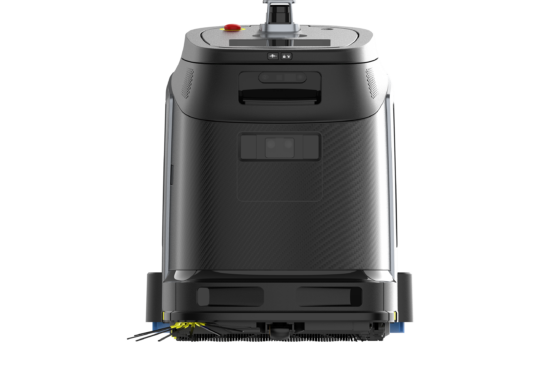
Gausium Vacuum 40 is a commercial robotic vacuum for carpet and compatible hard floors. It offers light, medium and deep carpet-cleaning modes for different pile heights.
Use the proposed settings on the hotel’s own carpet during a trial. Compare debris pickup and the finished appearance, and include any detail work still needed around furnishings or difficult access points. Routine vacuuming should be planned alongside the property’s separate periodic carpet-care tasks.
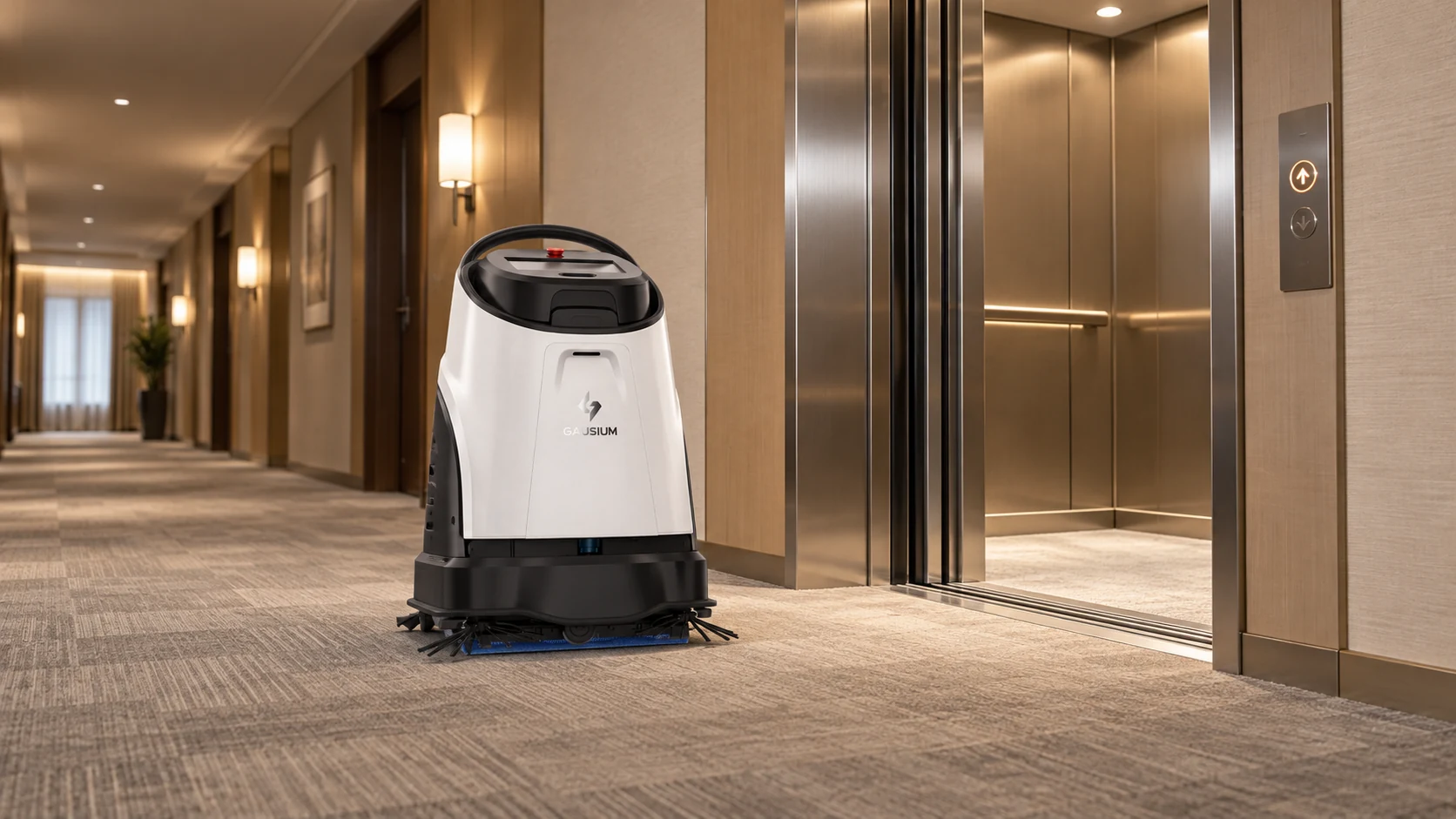
Vacuum 40 also offers an optional diffuser kit for scenting or humidifying. Hotels considering this configuration can assess it separately from floor-cleaning performance and select its use according to their requirements for shared areas.
Hard-floor lobbies, lounges and dining areas can require loose-debris collection as well as wet cleaning. Select the method and cleaning solution for the surface, then assess how the machine moves around furniture and guest activity.
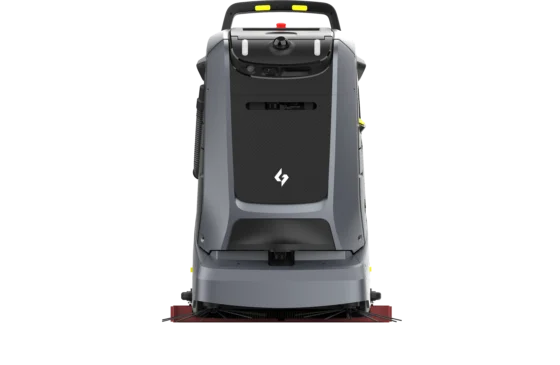
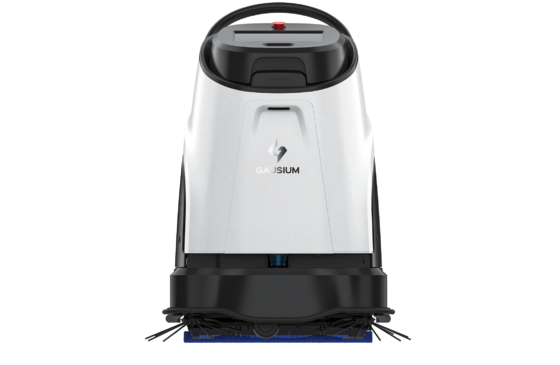
Gausium Phantas combines vacuuming, sweeping, scrubbing and dust mopping in a compact robot for small to midsize spaces. It covers compatible hard floors and low-pile carpet, and its compact dimensions allow access beneath tables where there is sufficient clearance.
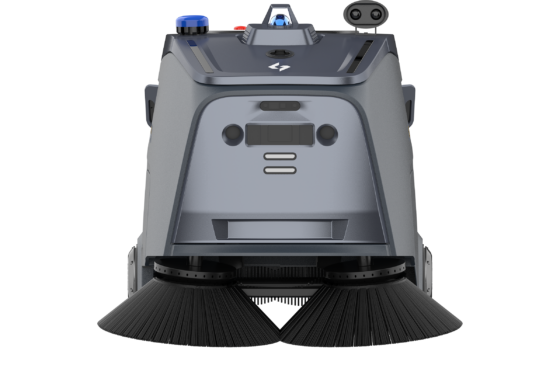
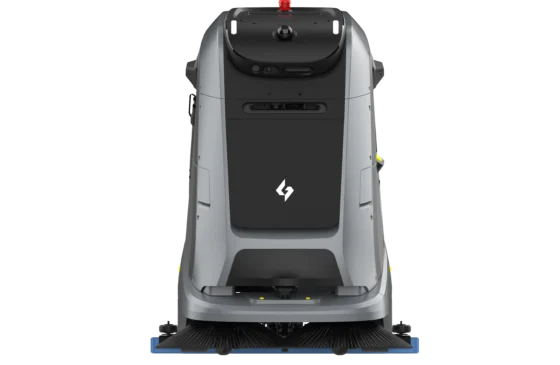
Gausium Mira performs sweeping and scrubbing in one pass and is designed for midsize spaces and narrow aisles. For a hotel evaluating hard-floor public areas, check its fit against the actual access and cleaning workload.
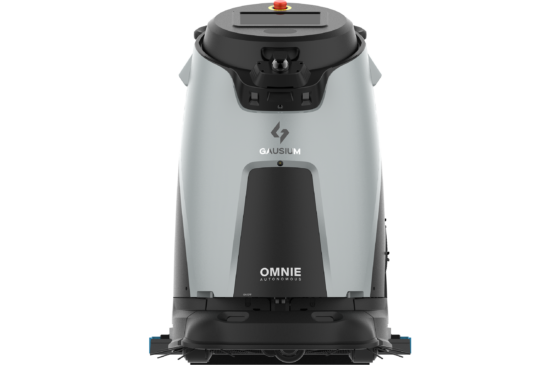
Gausium Omnie is designed for dynamic environments and offers detection and cleaning of dry and wet waste. It is an option to assess where activity and floor conditions change during operation.
These examples address different cleaning needs. The final choice should follow the floor, access and task requirements rather than the room name alone. In dining areas, test the furniture arrangement with chairs in their normal positions and identify any preparation the team still needs to perform.
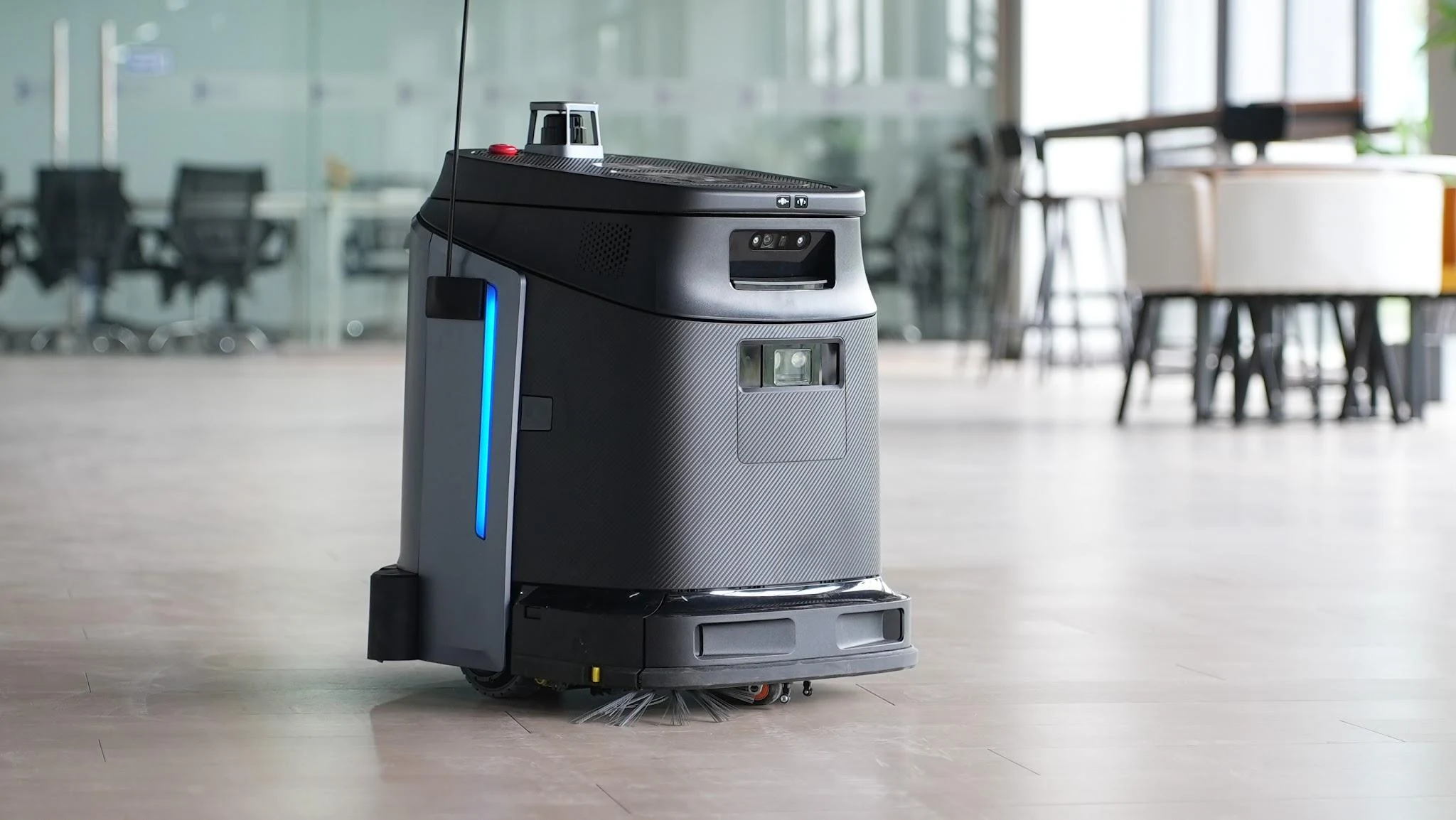
A lobby may have no completely empty period. In that situation, assess smaller cleaning zones and shorter tasks alongside guest movement, rather than assuming the whole lobby must be cleaned in a single run.
Reception staff should know where a task is planned and whom to contact if guest activity requires a change. Define how staff will pause or adjust a task using the selected robot’s controls. Keep entrances and essential circulation routes usable throughout the operation.
Agree how the team handles unexpected spills or obstructions. Staff may need to assess the material, clear the area or use another cleaning method. A scheduled floor-cleaning task should fit within the hotel’s response to an immediate issue.
Cleaning several levels involves more than adding up their floor areas. The route may cross elevators, controlled doors and service spaces. Establish how the robot will move between those areas and whether staff involvement is needed.
Gausium robots can integrate with compatible smart elevator systems and can be configured for automatic door access through AutoPass. Compatibility and setup need to be assessed for the building. See Gausium cleaning robot elevator and door integration for more on these connections.
Include travel and elevator waiting time when assessing the full schedule. A robot assigned to several floors still needs enough time for cleaning, movement and servicing within the available windows.
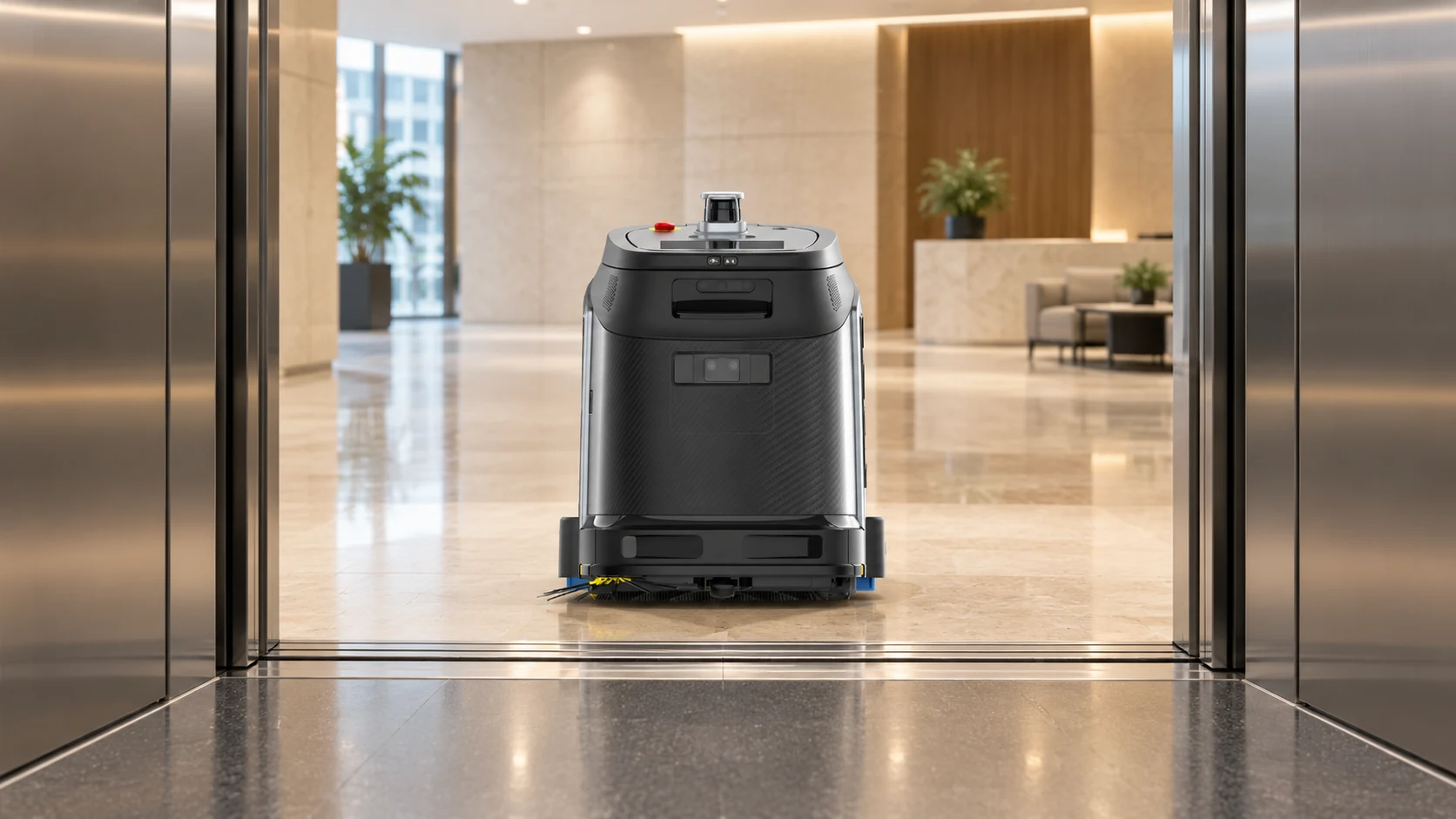
In June 2024, InterContinental Wien deployed Vacuum 40 in its diffuser configuration and Phantas through Gausium Österreich, Gausium’s official distributor in Austria.
Vacuum 40 was assigned to 12 guest floors, the lobby and basement, while Phantas served the mezzanine. The Vacuum 40 deployment also used the hotel’s brand scent. Overnight tasks formed part of the cleaning schedule.
The division of work illustrates how a hotel can assign robots to different areas and cleaning needs. Read the InterContinental Wien case study for the project details.
Hotel Prinz Rudolf introduced Phantas in November 2024 with support from Komag SAS. Staff nicknamed the robot “Hugo,” and its assigned areas included the lobby and dining area.
Owner Martina Cravagnia described being able to dedicate more time to guests after handing cleaning work to the robot. The deployment illustrates how a hotel can give a robot a defined role in lobby and dining-area floor care. Read the Hotel Prinz Rudolf case study.
Housekeeping remains responsible for the overall cleaning result. Staff remain responsible for room turnovers, bathrooms, furniture, high-touch surfaces and the other tasks outside the robot’s assigned scope.
They also prepare and maintain the machine, respond to exceptions and inspect the cleaned areas. The required work depends on the model and installation. Include the servicing steps required by the proposed configuration and assign a suitable location for them, with access for staff and the robot.
Decide who starts or checks tasks, who responds to an alert and who completes routine care. At shift handover, record any unfinished areas or issues that need follow-up. This gives the next team a clear starting point without relying on the assumption that a scheduled task must have finished.
Staff time made available for other duties depends on how the system performs in practice. Measure hands-on time before and during the trial, including preparation and interventions. Use that comparison to plan room servicing or other work without assuming that every minute of robot operation becomes a minute saved.
A useful demonstration should represent the proposed operation. Select a corridor, lobby or dining area and test the intended cleaning mode during the hours in which it would normally run.
Use the results to define the first areas to automate and the work that remains with staff. Explore Gausium hospitality cleaning solutions or contact Gausium to discuss your hotel’s floors, cleaning windows and operating requirements.
Suitable tasks can include floor cleaning in lobbies, guest corridors, dining areas and meeting spaces. The selected robot must match the surface and have access to the area. Room turnovers, bathrooms and other housekeeping duties require a separate plan.
Yes, depending on the model and required cleaning method. Phantas combines vacuuming, sweeping, scrubbing and dust mopping for compatible surfaces, including hard floors and low-pile carpet. Vacuum 40 provides vacuuming on carpet and compatible hard floors. If wet scrubbing is required, choose a model with that cleaning function.
Assess the proposed model and cleaning mode at the intended time. Sound, room location, corridor activity and guest expectations affect suitability. A trial under representative conditions helps establish appropriate operating windows.
Gausium robots can integrate with compatible smart elevator systems. The building’s elevator and access arrangements need assessment before deployment. Include transfers, waiting time and servicing when deciding how many areas the proposed setup can cover.
Step 1/2
Please select the type of business you’d like to have with Gausium.
Choose one item from the list
Step 2/2
Thanks for sharing your preference. Please fill out the form below, and we’ll get in touch shortly.
By clicking “Submit”, I authorize Gausium to contact me. Privacy Policy.
Thank you for filling out the form
By clicking “Submit”, I authorize Gausium to contact me. Privacy Policy.