




UP NEXT
How to Choose Cleaning Robots for Healthcare Facilitiesoctubre 20, 2026

octubre 20, 2026
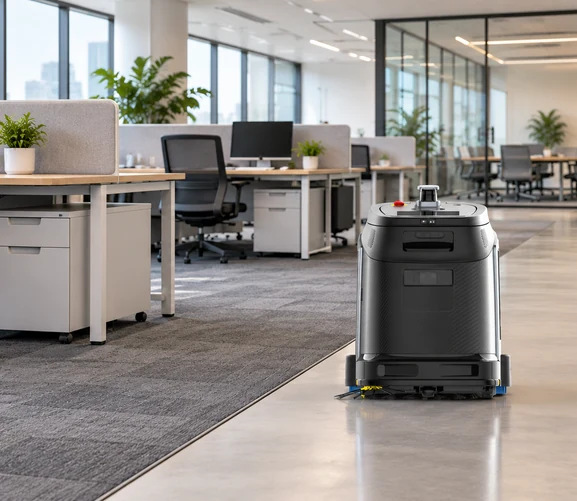
A small single-floor office and a multi-floor headquarters can share similar floor-care tasks, but differ in access, cleaning schedules and the scale of the operation. Carpet may need vacuuming in both buildings, while entrances and circulation areas require another cleaning method. The way people use those spaces shapes the daily plan.
For a facilities team, choosing an office cleaning robot starts with those tasks. Consider the surfaces, the material that needs removing and the times when each area is accessible. Furniture arrangements, shared rooms and movement between floors then help define the equipment and schedule.
Gausium offers autonomous floor-care solutions for different office requirements. This guide looks at small and medium offices, multi-floor headquarters and coworking spaces, then explains how to connect those environments to a practical cleaning routine.
Office type provides useful context, while the actual task should guide selection. Two offices with similar floor areas may have different furniture layouts or operating hours. Start with a representative picture of how the workplace is used.
A single-floor office may combine carpeted workspaces with hard floors in reception, corridors and shared facilities. The first question is which cleaning method each surface needs. Then check the accessible routes between those areas.
Where carpet and hard floors coexist, consider whether one multi-function robot or separate cleaning arrangements best fit the tasks. The answer depends on access, the cleaning schedule and the workload assigned to the equipment.
Desk arrangements deserve particular attention. A route between workstations may be clear, while cables, chair positions or stored items limit access beneath individual desks. During the site assessment, identify the reachable floor and the areas the team will clean separately.
Include the shared rooms too. A meeting room may be accessible only between bookings, while reception remains occupied for much of the day. Defining these windows helps the team organise floor care without treating the entire office as one identical task.
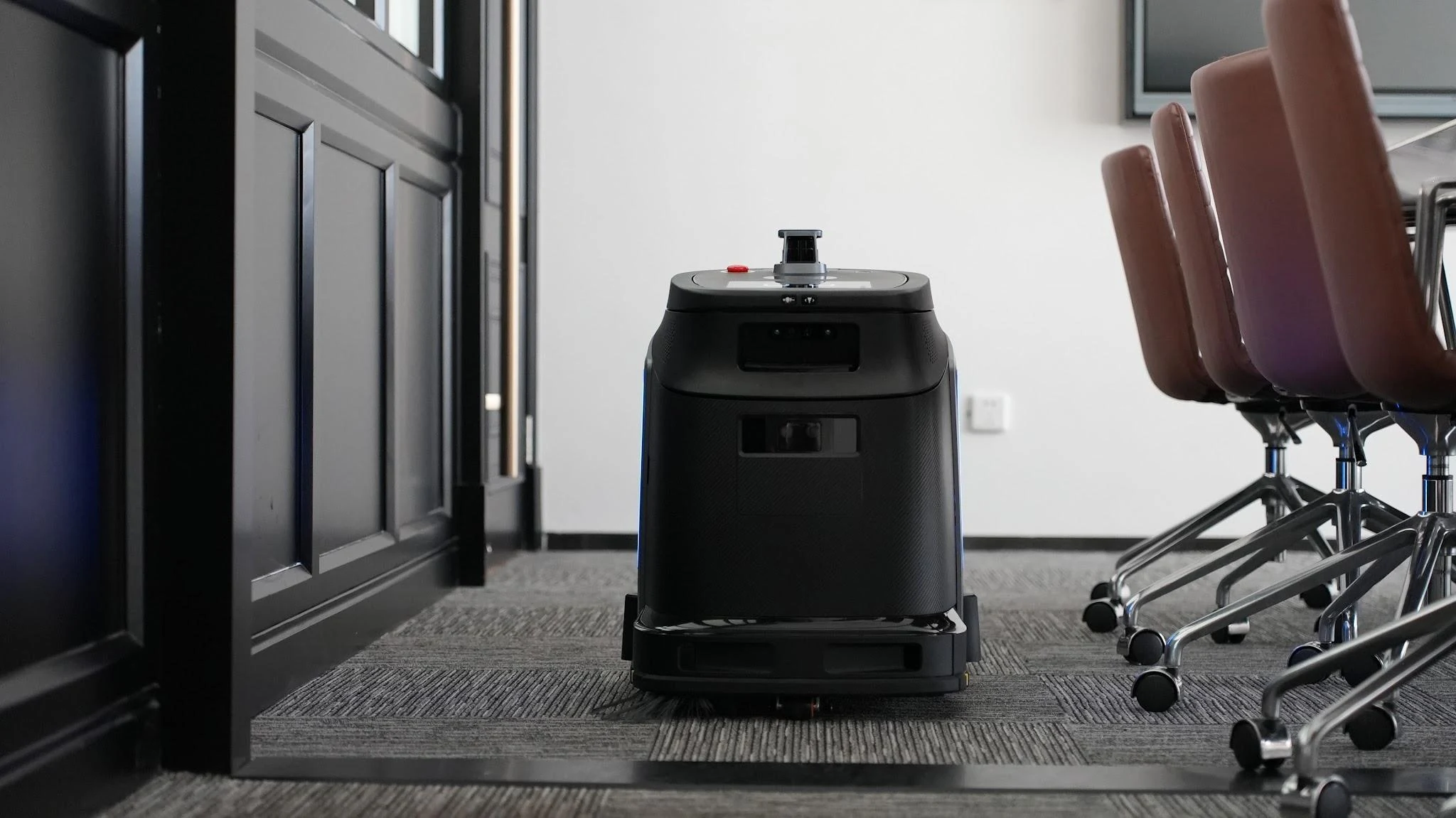
Larger buildings often contain several floor-care requirements. A hard-floor lobby may need debris collection and scrubbing, while office floors need carpet vacuuming. The solution should follow that distribution of work.
Consider the accessible cleaning area on each floor and the available time. Some zones can be grouped into one task; others may need their own schedule. Equipment selection should reflect these requirements rather than the number of storeys alone.
Movement between floors is another planning question. Gausium robots can be integrated with suitable elevator and door systems to support planned routes between floors and controlled access areas. Review the required connections and routes during deployment planning.
The wider cleaning programme also needs clear responsibilities. Building access, task checks and equipment care may involve different teams. Agree who handles each part so that a floor task can be completed and reviewed within the normal operation.
Coworking spaces can combine meeting rooms, shared desks, lounges and event areas. Their use may change during the day, and furniture can be rearranged as activities change. The cleaning plan should reflect the areas that remain accessible at the intended time.
Distinguish temporary obstructions from changes to the layout. A bag beside a chair affects access during a task; a rearranged seating area may require a review of the assigned floor. Include typical changes in the demonstration to understand the operating routine they create.
Where members use shared areas throughout the day, assess noise and movement around people during the planned cleaning windows. A suitable schedule can combine work in accessible areas with broader cleaning when those spaces are quieter.
The objective is a plan that follows the workplace’s actual use. Assigning the same task and frequency to every shared area may overlook differences in floor condition, access and bookings.
Office floors can carry loose dust, tracked-in material and soil that requires wet cleaning. Match the cleaning method to the surface and the result required. Carpet vacuuming and hard-floor scrubbing serve different tasks and should be assessed accordingly.
A listed applicable floor type is a useful starting point. Evaluate the robot on the office’s actual material, with representative soil and access conditions. This connects the product description to the task the team needs to complete.
For mixed-floor buildings, compare the practical arrangements for using one multi-function solution or different equipment across zones. Consider preparation, movement and daily care alongside the cleaning result. Gausium’s guide to cleaning robots for mixed-floor buildings explores this choice in more detail.
Where a hard floor needs both debris collection and wet cleaning, a combined sweeping-and-scrubbing task may suit the requirement. Where carpet care is the main workload, focus the assessment on vacuuming results and accessible coverage.
Office cleaning should follow the periods when each assigned area is usable. A building may offer a window before employees arrive, quieter intervals during the day and another opportunity after work ends. Use those periods according to the task.
Entrances, reception and circulation areas can be considered for early cleaning where access permits. Define when the task must finish and allow for any preparation or follow-up needed before the area becomes busy.
Include the complete route in the timing. Travel to the cleaning area and return to the station are part of the operating schedule. A demonstration should establish whether the proposed workload fits the available window.
Daytime cleaning can be evaluated in accessible shared areas, including targeted tasks suited to the selected robot. Noise, traffic and the material to be cleaned all influence whether that arrangement is practical.
Request the relevant noise information and test during the intended operating period. A demonstration with occupants present provides a better basis for scheduling than a test in an empty building. Gausium’s guide to cleaning robots around people provides additional context.
A quieter office may offer more accessible floor for systematic cleaning. Confirm the arrangement for locked rooms, controlled doors and any movement between floors before assigning the task.
Equipment care should have a defined place in this routine. Identify what needs doing before the next task and who is responsible. A suitable schedule connects floor cleaning with preparation and daily maintenance.
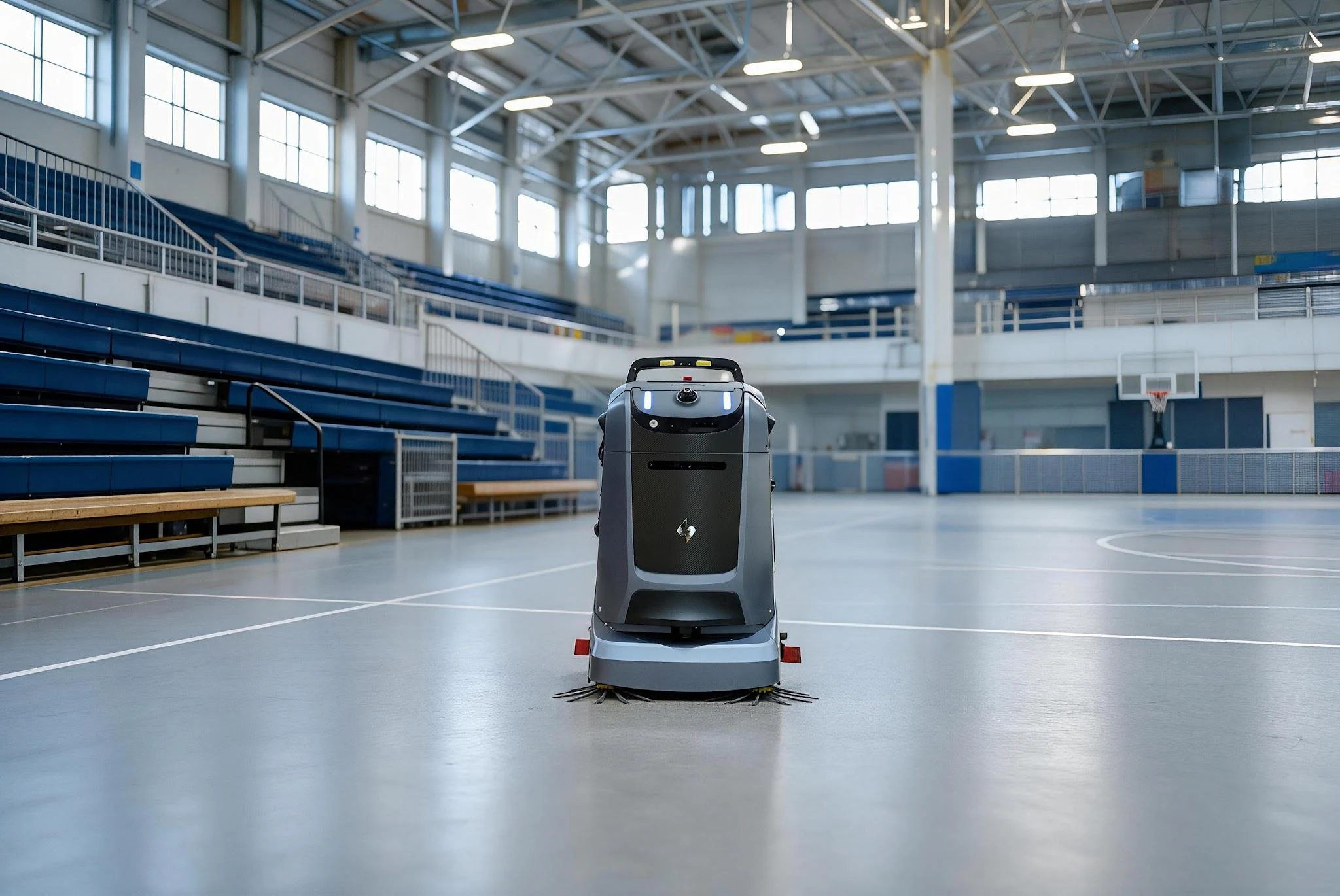
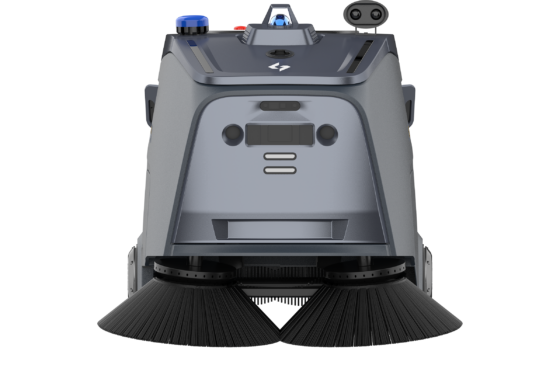
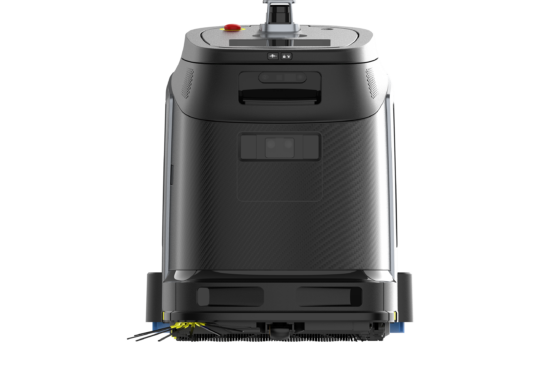
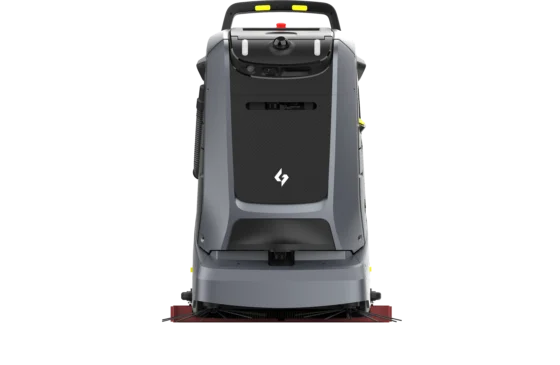
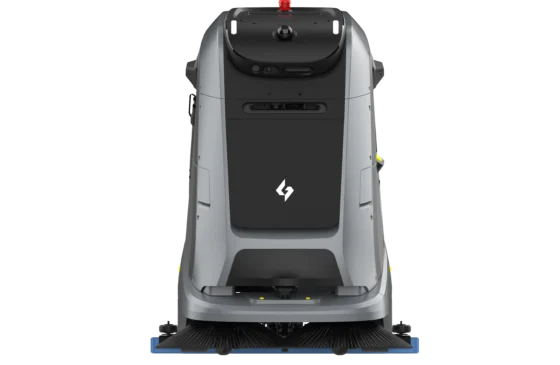
For office buildings, Gausium offers several floor cleaning robots for conditions such as mixed floors, furniture, changing layouts and noise-sensitive areas. Product selection follows the task and the building’s operating conditions.
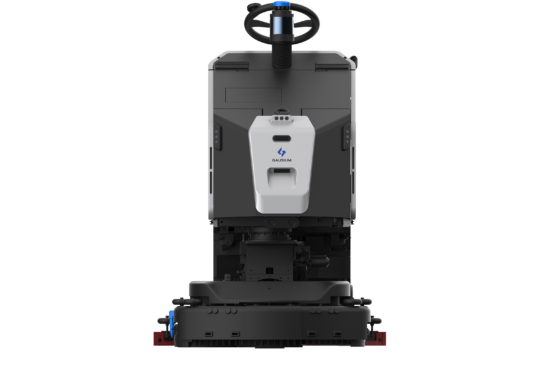
Gausium Phantas combines vacuuming, sweeping, scrubbing and dust mopping in a compact robot. Its cleaning modes support different requirements across hard floors and low-pile carpet.
For a furnished office, evaluate the mode needed for each surface and the floor the robot can reach. Include routes between rooms and the arrangement around desks in the demonstration. This helps define a task that the equipment can perform within the office’s schedule.
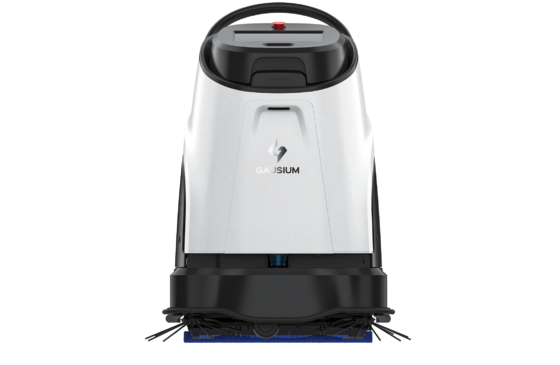
Gausium Mira combines sweeping and scrubbing in one pass and has a self-cleaning wastewater tank. It is an option to assess where the assigned hard floor needs both loose debris collection and wet cleaning.
Match the task to the actual area and access conditions. The tank’s self-cleaning function addresses a particular part of equipment care, while the full daily routine remains part of deployment planning.
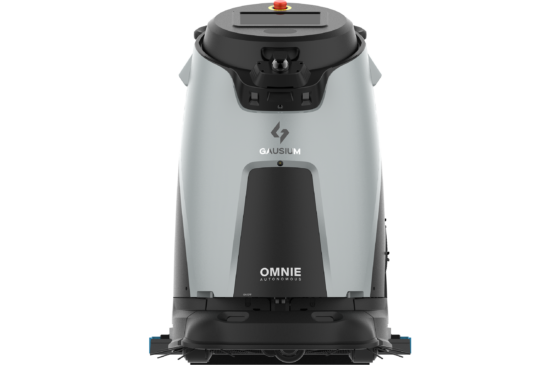
Gausium Omnie is designed for high-dynamic environments. Its environmental perception and autonomous cleaning capabilities are relevant to shared spaces with ongoing activity.
Omnie’s OmniSpotCleaning identifies and cleans dry and wet waste. Consider those tasks alongside the broader cleaning requirement, with the chosen configuration and operating window evaluated at the site.
Gausium Vacuum 40 supports routine carpet vacuuming. For an office where carpet care is the main assignment, assess the cleaning result on the actual material and the reachable area around furniture.
These examples describe applications within the Gausium portfolio. A particular office may need one solution or a combination, depending on its floor-care requirements and available cleaning windows.
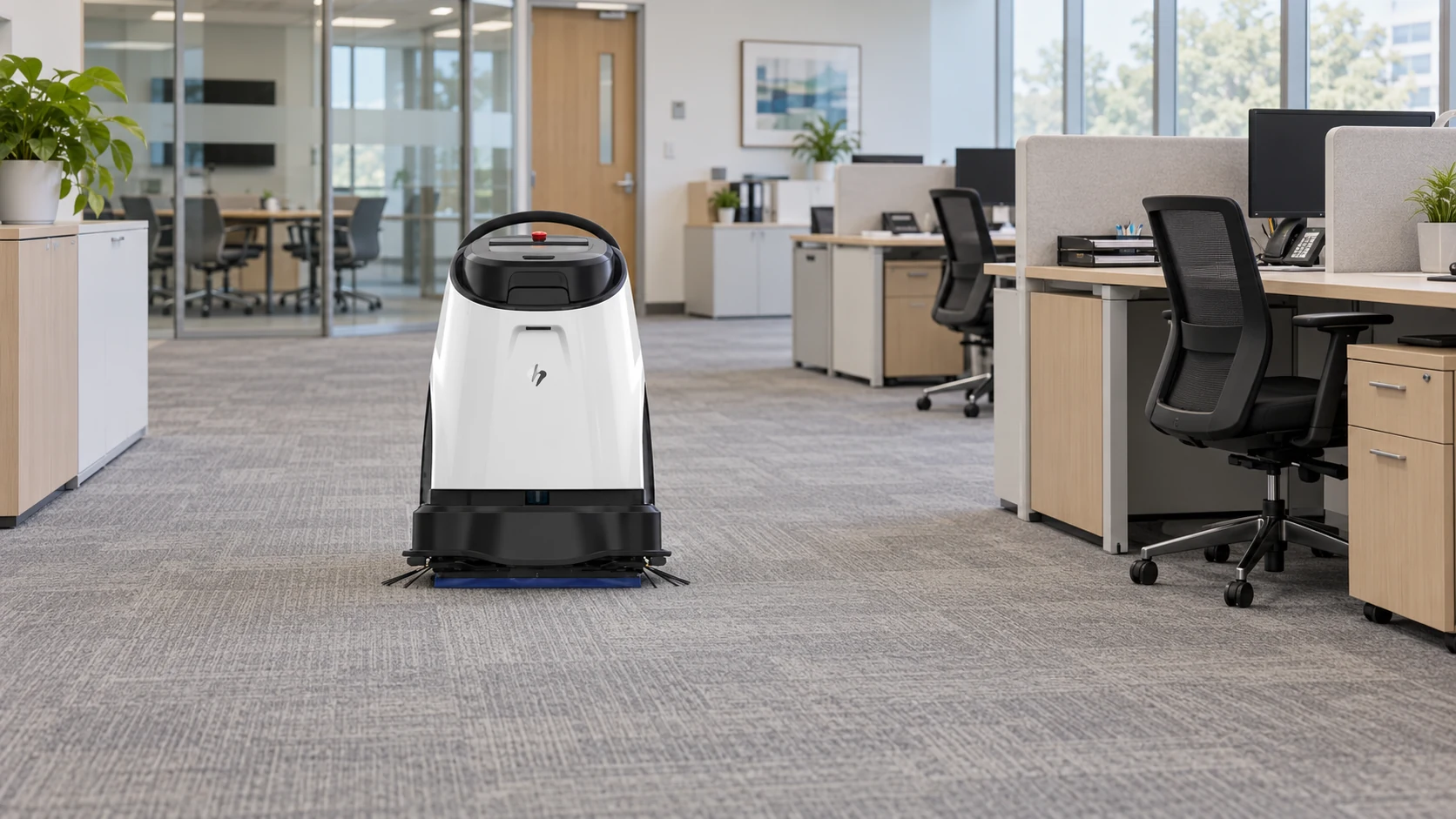
At MANIFEST’s headquarters in Marousi, Phantas supports cleaning in a fully carpeted office of 500 square metres. VAMVACAS, Gausium’s distributor in Greece, implemented the deployment around the site’s working routine.
The partner assessed and mapped the office, developed a cleaning schedule aligned with working hours and trained staff in operation, basic maintenance and remote control through the Gausium app. This connected the equipment to the people responsible for its daily use.
The deployment reduced manual cleaning time, particularly in high-traffic areas, and supported a consistent cleaning routine. The project’s area describes that office assignment; it is not a general product capacity figure.
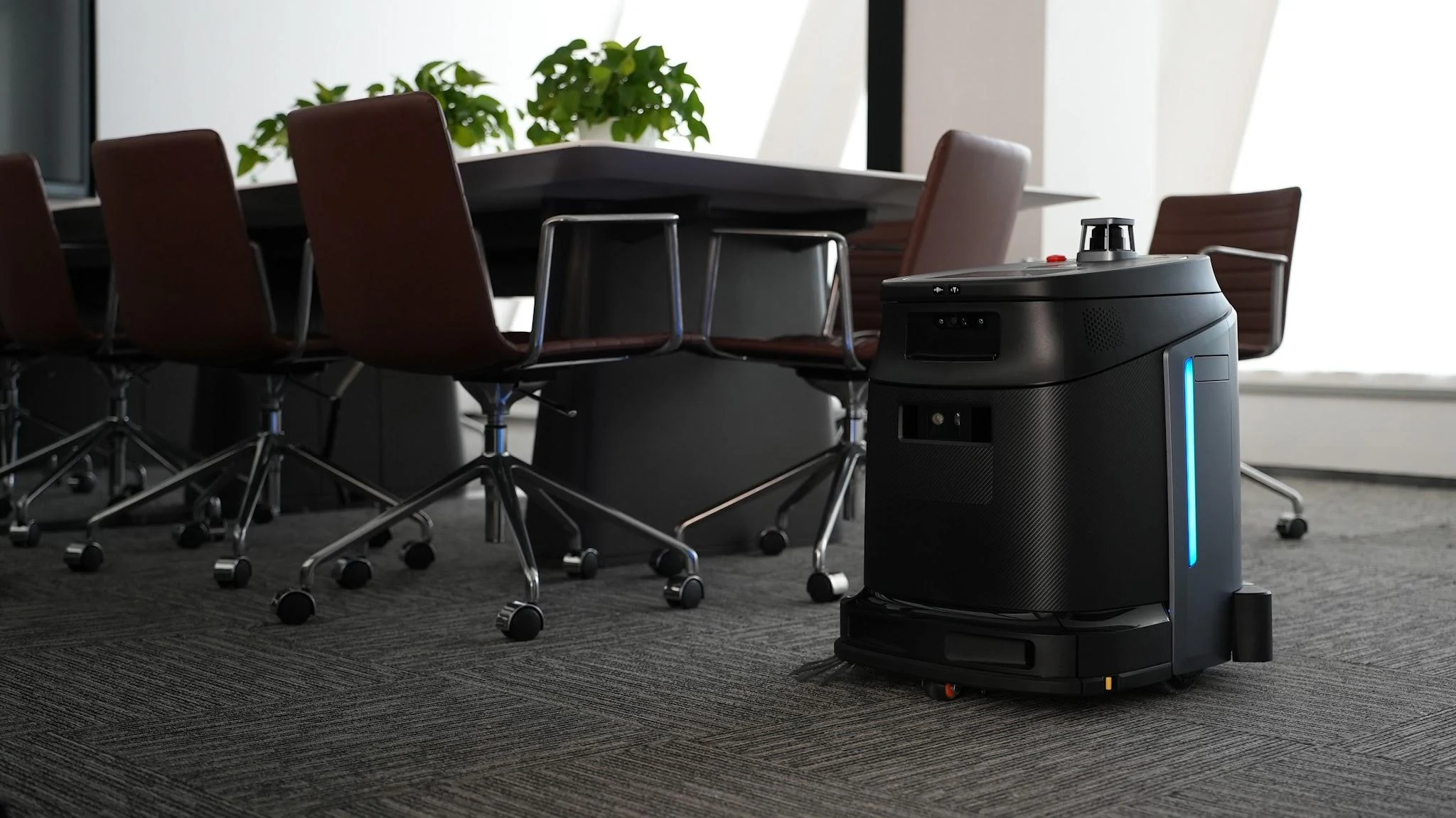
At AE Partner in Latvia, Phantas cleans roughly 1,000 square metres of carpeted office space each night. The schedule places routine floor care outside the working day.
The wider site uses other robots in its warehouse, illustrating how different parts of an organisation can have different cleaning requirements. For the office, the relevant example is the connection between carpet care and a regular overnight schedule.
Both deployments show the value of planning around an actual task. The cleaning method, accessible floor and staff responsibilities provide a basis for the operating routine.
Choose a representative area and agree the result required before the trial. Include the actual floor materials, furniture and operating conditions that the robot will encounter after deployment.
Record accessible coverage, cleaning results and total task duration. Travel, charging and replenishment affect the time required; staff involvement depends on the equipment setup. Include preparation and follow-up in the assessment.
Use task reports alongside floor inspections. Reports help the team review scheduled work, while inspections assess the finished result. Gausium’s performance reporting guide explains the role of operational records.
Where the building uses connected services, involve the responsible IT team in planning access and account management. The data security guide provides questions relevant to that review.
Bring the findings together into a practical plan: which areas the robot cleans, when it runs, which work remains with staff and how the equipment is cared for. This gives the team a clear routine that can be reviewed as the office changes.
Talk to the Gausium team to discuss your workplace’s floors, operating hours and access arrangements, and plan a demonstration around the tasks you want to automate.
A suitable multi-function robot can perform different floor-care tasks. Phantas, for example, offers vacuuming, sweeping, scrubbing and dust mopping. Confirm the mode for each surface and test cleaning results and access on the office’s actual floors. The final arrangement should fit the workload and available time.
Daytime operation should be assessed in the intended area and time window. Check noise, movement around people, access and the required cleaning result during a representative trial. The schedule can combine work in accessible shared areas with broader cleaning during quieter periods.
Include a typical rearrangement in the pilot and observe the effect on access, task completion and operator involvement. Distinguish temporary obstructions from changes to the assigned cleaning area. Use the findings to establish how the team reviews tasks when the layout changes.
Assign tasks according to each floor’s surfaces, access and cleaning window. Gausium robots can be integrated with suitable elevator and door systems where those connections are needed. Review the required routes and station locations during deployment planning, and confirm the complete task through a pilot.
Step 1/2
Please select the type of business you’d like to have with Gausium.
Choose one item from the list
Step 2/2
Thanks for sharing your preference. Please fill out the form below, and we’ll get in touch shortly.
By clicking “Submit”, I authorize Gausium to contact me. Privacy Policy.
Thank you for filling out the form
By clicking “Submit”, I authorize Gausium to contact me. Privacy Policy.