




UP NEXT
Smart Mapping at Scale: Navigation Tech Behind Industrial Robot Vacuumsjulio 15, 2025

agosto 06, 2025
Walk any commercial route at 21:00 and most of the floor is fine. A clean aisle still receives the same water, the same brush time and the same minutes as the one where someone dropped a drink an hour earlier.
Autonomous spot cleaning ends that. The robot scans the floor as it moves, finds where waste or staining is actually present, treats that area, and rejoins its route.
Gausium’s Metro de Madrid deployment records up to four times the efficiency from cleaning only where needed rather than following fixed routes. Every vendor in this category now quotes a number like that. Almost none explain what has to be true of your building before you see it.
Five factors decide that, and they run in this order:
The first two size the prize. The third picks the machine. The last two decide whether the mode delivers in practice.
Spot cleaning saves time by skipping floor that does not need attention. The size of that saving is set by how much of your floor falls into that category on a typical run, which is a property of the site rather than of the robot.
Soil has to arrive unevenly. Entrances, checkouts, food courts and platform edges concentrate soil in predictable places while the surrounding floor stays presentable for hours. A metro concourse behaves this way. An industrial bay with general residue across the whole surface does not.
The floor has to be treated more than once a day. Where a route runs several times, most of it genuinely has not accumulated anything since the last pass. Where it runs once, everything has.
Score your building against both before comparing efficiency claims. A site that meets neither will see a fraction of any published figure, whichever brand supplies the machine.
The mode runs as a loop rather than as a setting someone switches on.
Cameras read the floor surface ahead of the machine while it follows its planned route. Onboard algorithms separate genuine soil from floor pattern, shadow and reflection. The machine diverts, treats the specific area, and does not commit the route to a full pass. It then rejoins the planned path and keeps scanning.
Only the second step varies meaningfully between products. The rest is straightforward engineering.
There is also a behavior that gets less attention than it deserves. Gausium robots are trained to recognize waste they should not attempt, including tangled cable, packaging straps and liquid that would spread, and to route around it. A machine that treats everything it detects will eventually leave a floor worse than it found it.
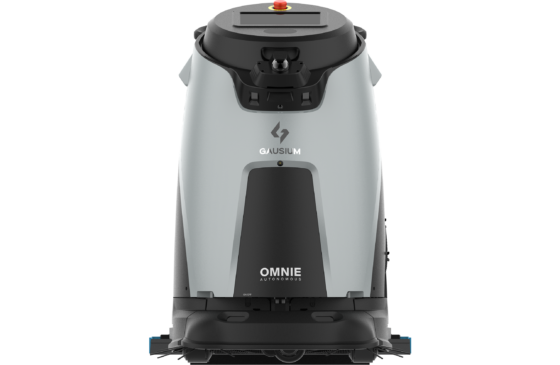
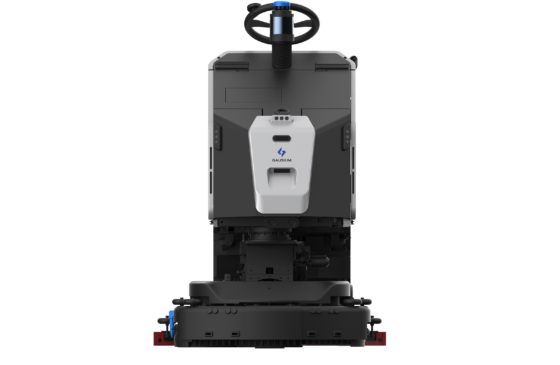
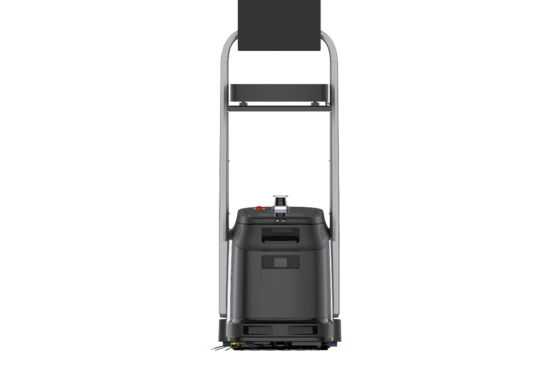
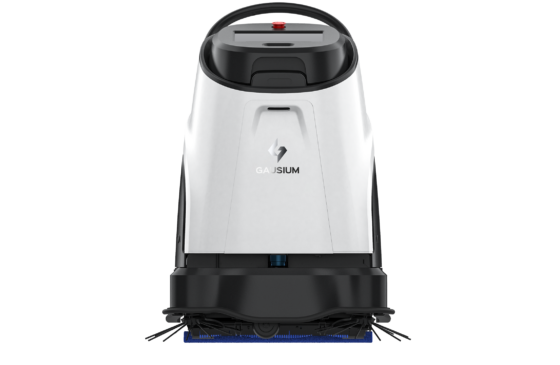
The mode runs across the Gausium range. The machines are not interchangeable, and the right one is decided by where the soil sits.
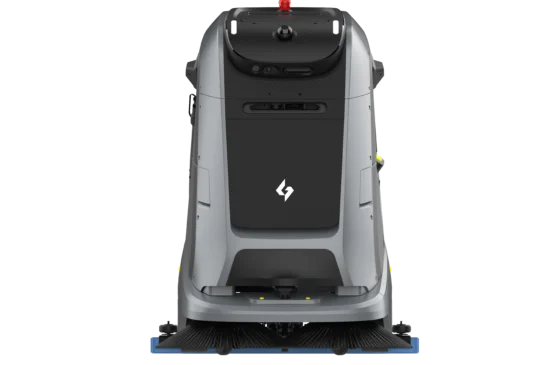
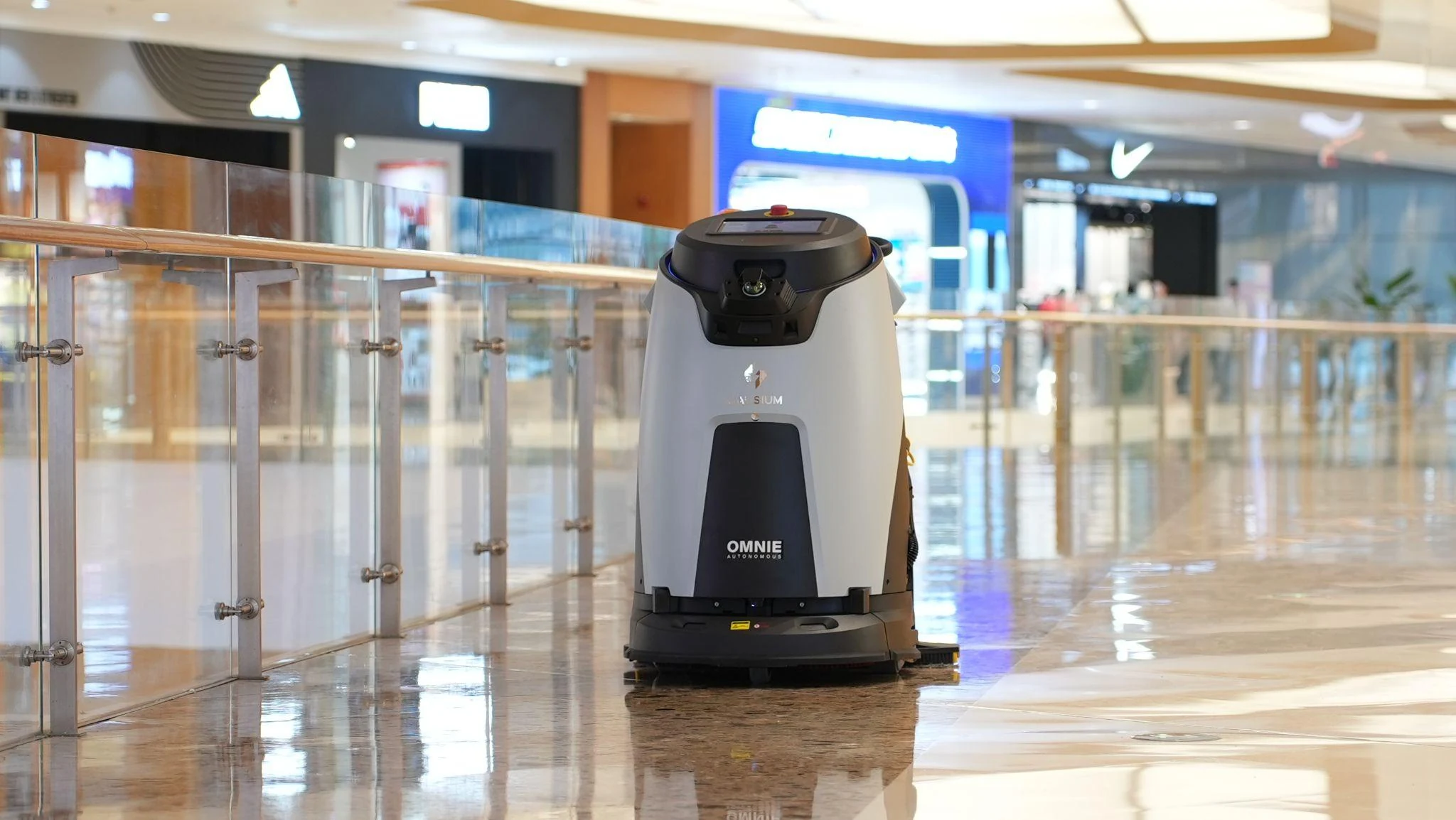
Dense public space, treated throughout the day. Concourses, passages, platforms and mall common areas.
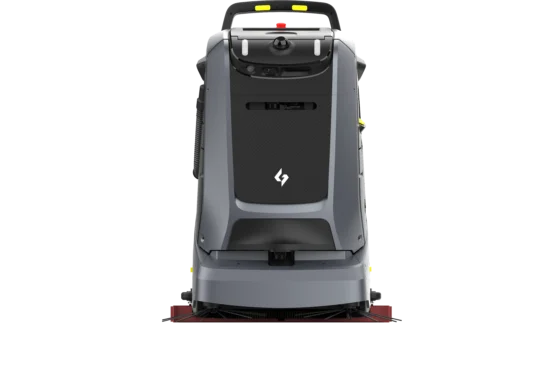
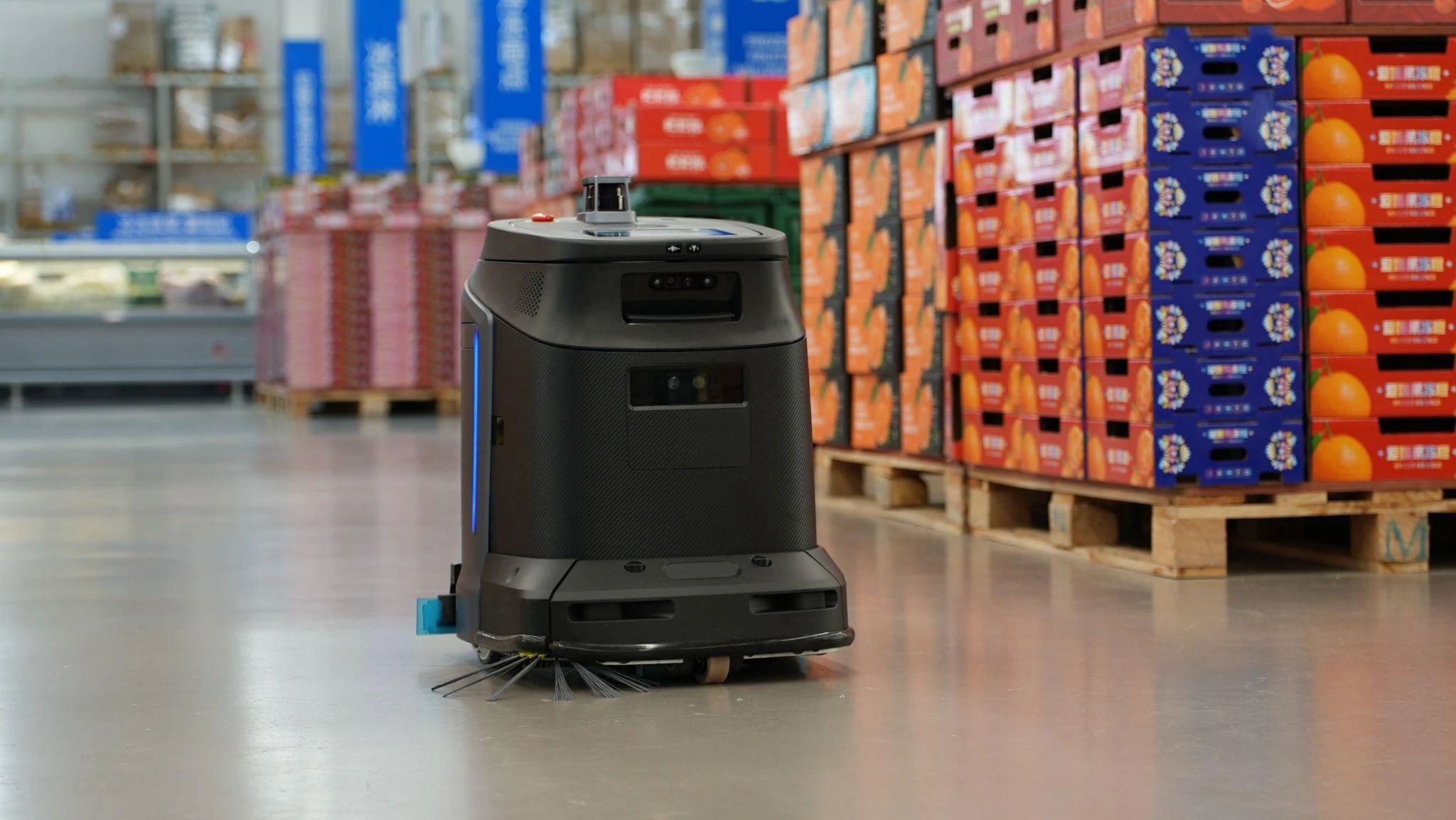
Small to midsize interiors, constrained by layout. Pharmacies, small retail, clinics and offices.
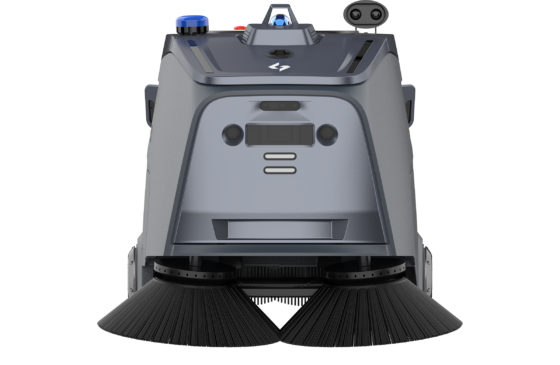
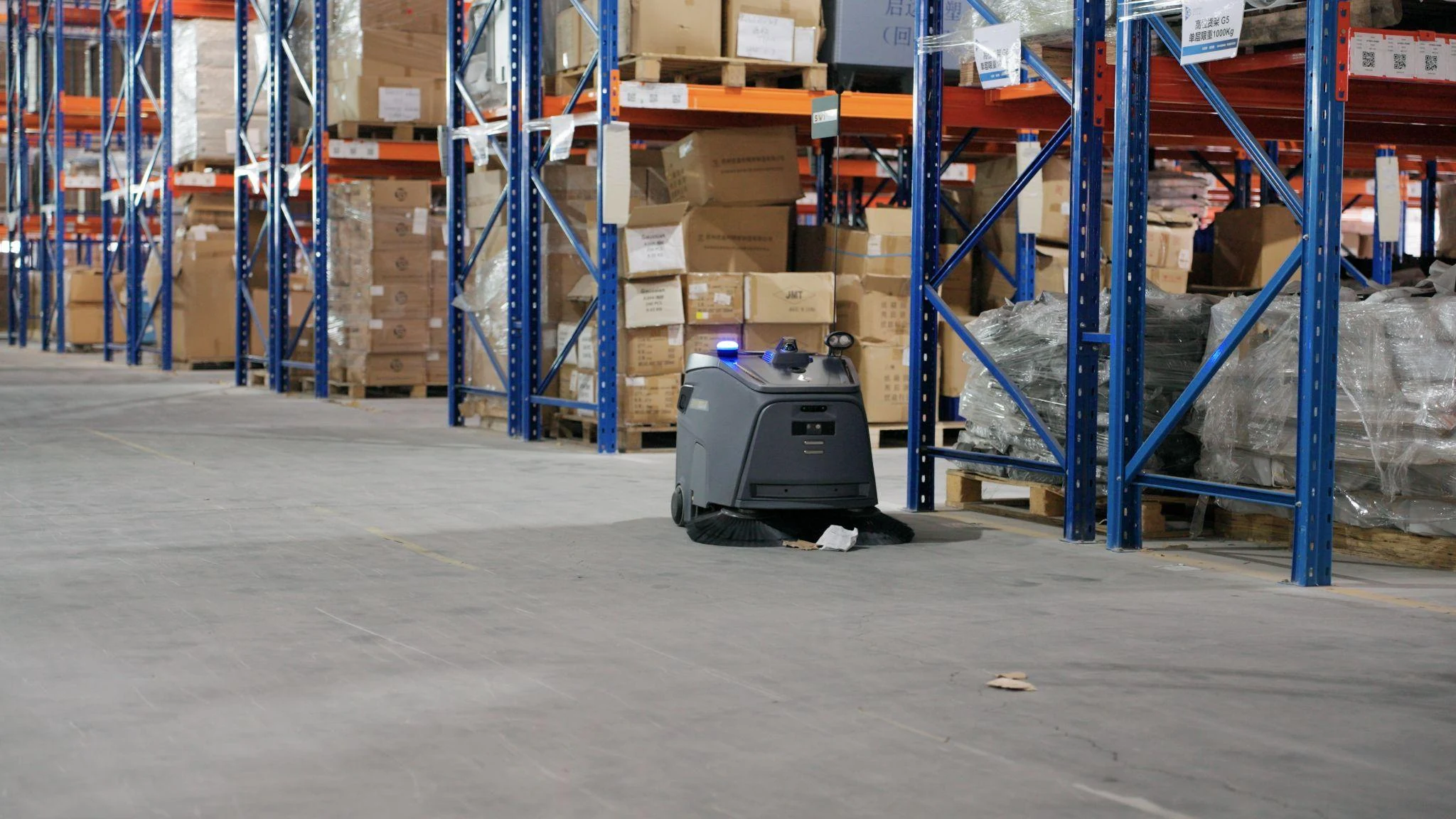
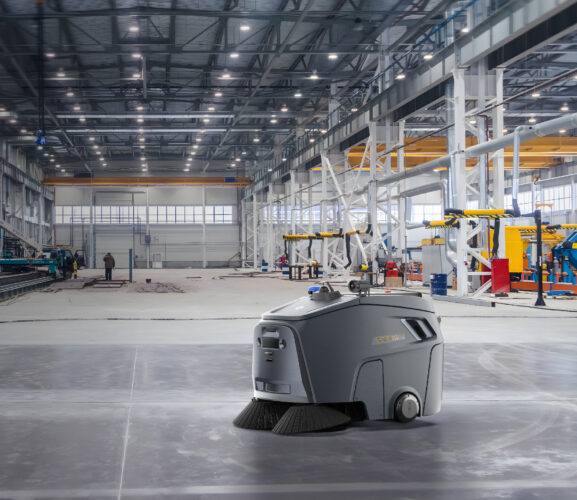
Industrial floors, dry debris. Warehouses, factories, back-of-house and semi-outdoor areas.
Camera-based detection performs differently on different surfaces, and this is where deployments disappoint.
Light residue on a light-colored floor is harder to identify than the same residue on dark stone. Heavily patterned tile, strong grout lines and polished surfaces under directional lighting all produce signals that resemble soil. Low ambient light narrows the margin further.
None of this makes the mode unreliable. It makes the mode site-specific, which is why the decision belongs in a demonstration rather than in a specification comparison.
Four tests settle it, and all four belong in the space that will actually be cleaned, under its own lighting.
Record the results zone by zone. Entrances, sales floors and back-of-house frequently return different answers inside the same building, and that distribution should shape the schedule rather than a single site-wide setting.
Spot cleaning is a maintenance strategy. Sites that treat it as a substitute for periodic deep cleaning tend not to notice the drift until a quarterly review.
Keep full-coverage runs in the schedule when the building closes and the whole floor plate can be treated in one uninterrupted window. Keep them when soiling is uniform rather than concentrated. Keep them when a hygiene standard requires the entire area treated on a defined cycle regardless of visible condition.
Most well-run sites operate both. Full coverage in the deepest trough, usually overnight or pre-opening. Spot cleaning through the operating day, where the objective is to stop soil spreading rather than to treat everything.
That split is also what makes daytime work practical. A localized wet patch needs one sign for a short period. A full route scrubbed during trading hours needs signage and restricted access across the building.
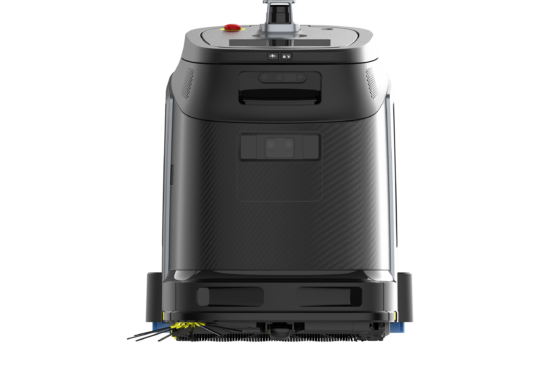
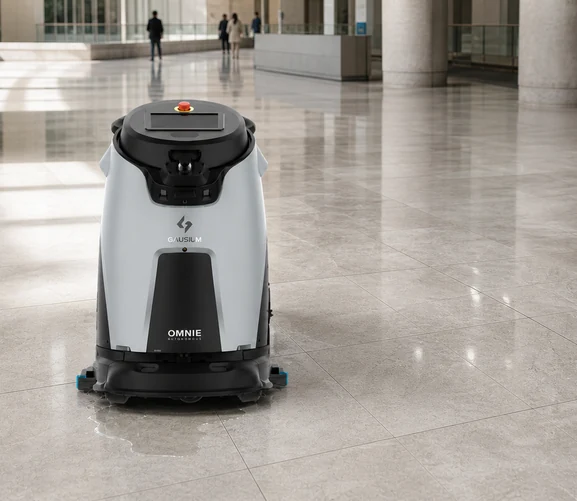
Omnie. Its 360-degree 3D LiDAR and panoramic camera support constant divert-and-resume behavior among moving people, and it can scrub, sweep or dust mop whatever it detects.
Gausium’s Metro de Madrid deployment reports up to fourfold improvement over fixed-route cleaning. The gain scales with how unevenly soil arrives, so a uniformly soiled floor will see considerably less.
No. It handles soil appearing between cycles. Full coverage still belongs in the deepest low-traffic window, and hygiene-driven cycles remain unchanged.
That is what a site demonstration should test. Detection depends on floor finish and lighting, so run it on your own surface rather than relying on a specification comparison.
No. Beetle targets dry debris as an industrial sweeper, while Phantas and Omnie can also scrub a detected stain. Match the machine to the soil type, not to the feature name.
Step 1/2
Please select the type of business you’d like to have with Gausium.
Choose one item from the list
Step 2/2
Thanks for sharing your preference. Please fill out the form below, and we’ll get in touch shortly.
By clicking “Submit”, I authorize Gausium to contact me. Privacy Policy.
Thank you for filling out the form
By clicking “Submit”, I authorize Gausium to contact me. Privacy Policy.