




UP NEXT
Cleaning Robots for Parking Garages: A Complete Deployment Guide14 września, 2026

23 września, 2026
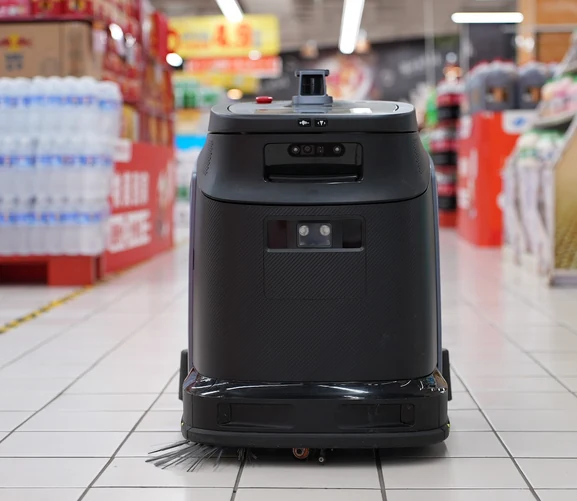
Two things decide the choice in retail: whether the machine’s footprint and passability match the store’s aisles, and whether it can operate during trading hours.
Store format determines which of the two binds. In convenience stores, pharmacies and fashion retail, fixtures are dense and aisles are narrow, so passability is the first constraint. In supermarkets and larger formats, the floor is extensive and both dry debris and wet soil arrive across the same area, so the question becomes whether sweeping and scrubbing can be completed in a single pass within a short window.
Retail is one of the few commercial environments where cleaning takes place with customers on the floor, so operation during trading hours is a requirement in both cases.
This article explains how retail stores of different formats should select a cleaning robot, helping you choose the right model, improve cleaning efficiency and reduce the associated cost.
Soil arrives continuously rather than accumulating overnight. Carts carry grit in from the parking lot, packaging fragments collect around end caps, and spills happen wherever customers are standing.
The machine is also visible. Its behavior around people becomes part of the store experience rather than a back-of-house detail.
And the cleaning window is short. Trading hours run long and the pre-opening slot rarely covers the whole sales floor.
A store floor is judged on how it looks during trading, not on how it looked after the overnight clean. That is the standard the machine has to hold.
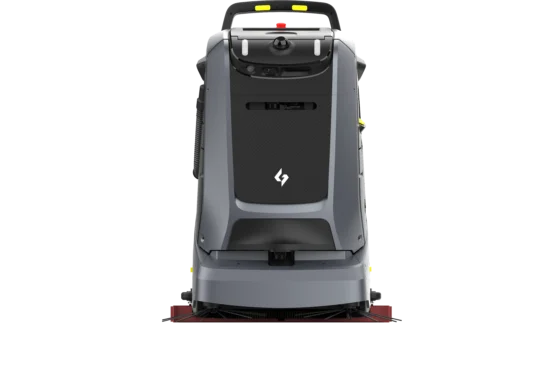
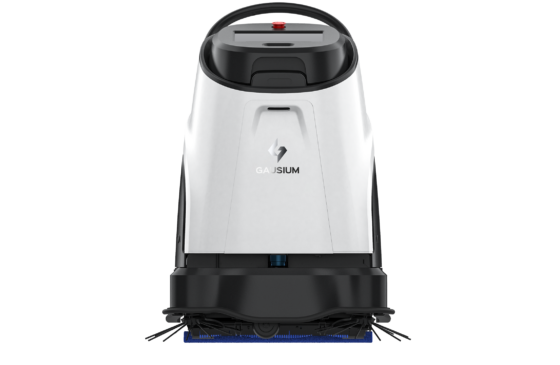
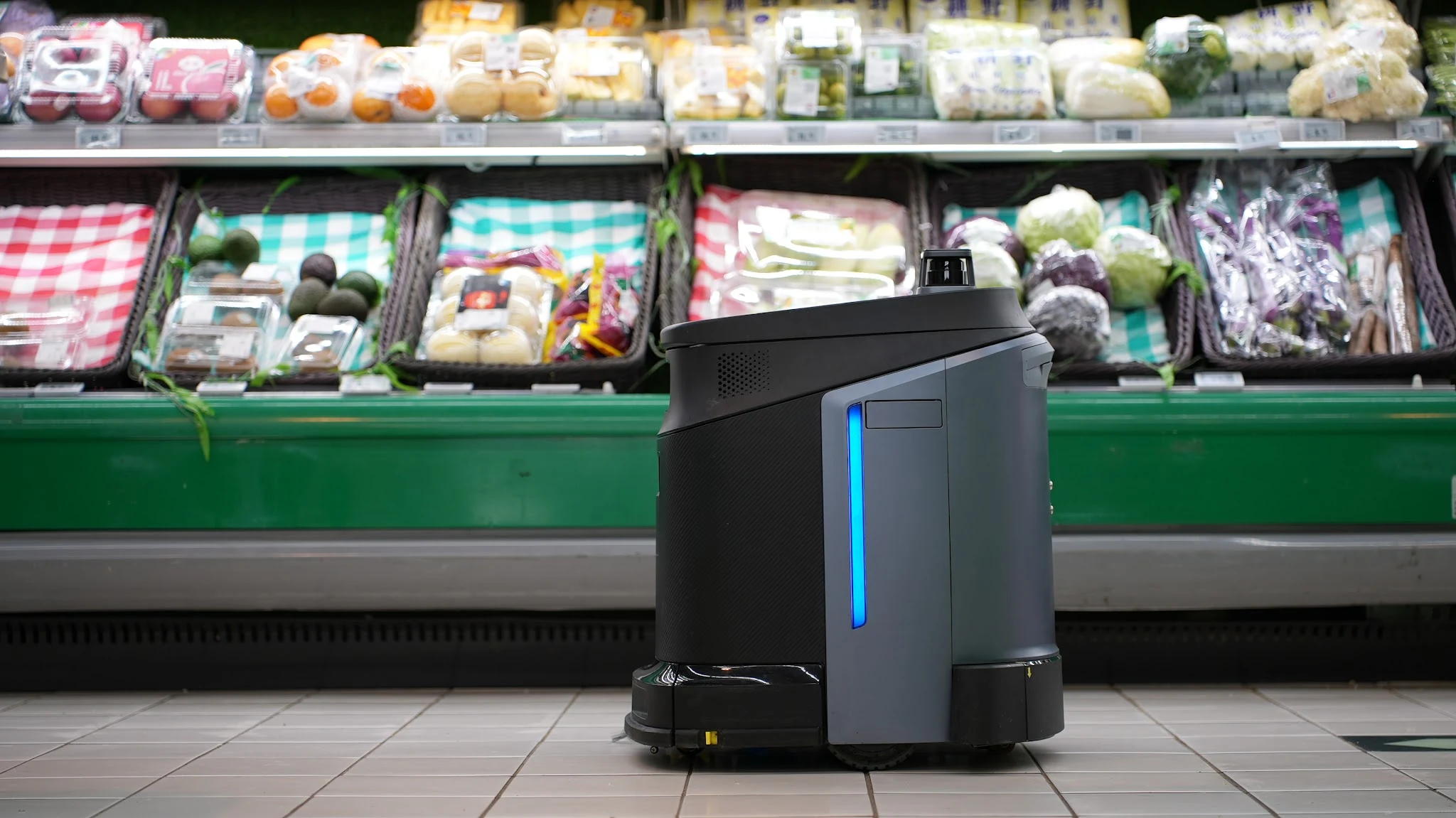
Phantas suits these stores because passability, not cleaning capacity, is the binding constraint.
Convenience stores, pharmacies, fashion retail and specialty stores share the same layout problem. Gondola aisles are narrow, fixtures sit close to the floor, and the areas that show dirt first are the edges and the strips under shelving.
What decides it:
Narrow-aisle access — reaches into gondola aisles and under shelf overhangs where larger machines cannot enter.
Zero-distance edge cleaning — no uncleaned strip along fixture bases, which is where customers notice dirt first.
Four cleaning modes in one unit — scrubbing, sweeping, vacuuming and dust mopping, covering stores that combine a hard-floor sales area with a carpeted fitting-room or display zone.
Noise level suited to trading hours — confirm the level for the specific model against the store’s own requirement.
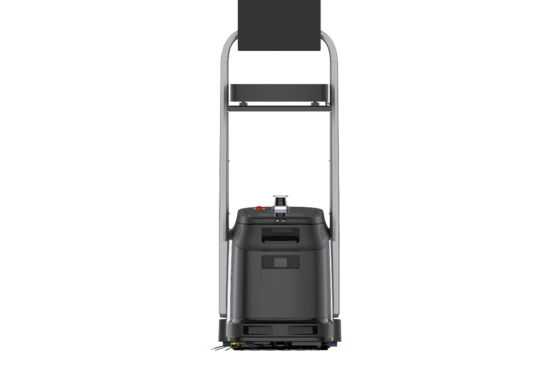
Applicable surfaces include hard floors and low-pile carpet. For stores where the robot also carries merchandise or promotional display, the PhanShop configuration is built on the same platform.
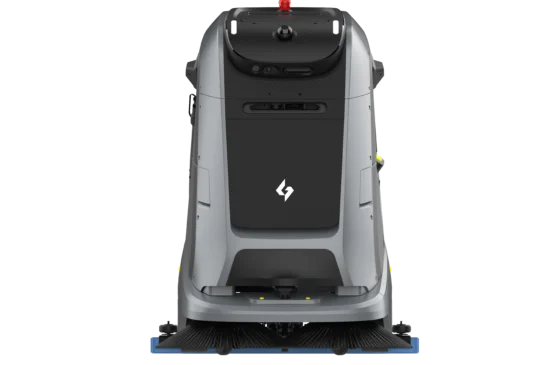
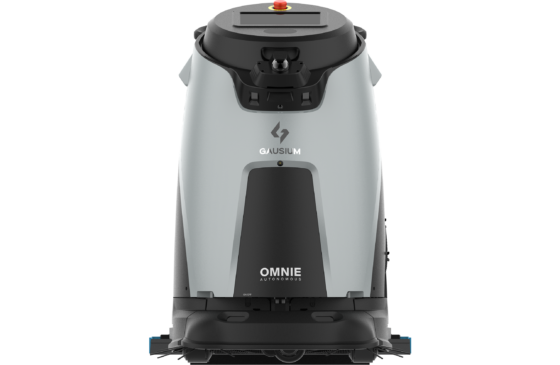
Mira suits these stores because the constraint shifts from access to completing the route inside the available window.
Supermarkets produce dry debris and wet soil across the same floor. Sweeping first and scrubbing second no longer fits the hours available between closing and opening.
What decides it:
Sweep and scrub in one pass — removes the manual pre-sweep, so the floor is finished in a single route rather than two.
Tank capacity and runtime sized for the route — the floor is completed in one run rather than stopped midway for a refill.
Onboard self-cleaning — the recovery tank is flushed without depending on a workstation, which matters where back-of-house space is contested.
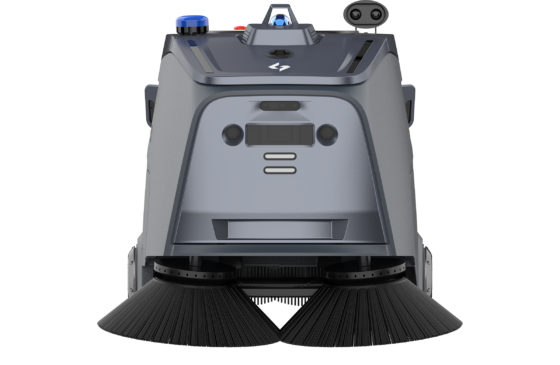
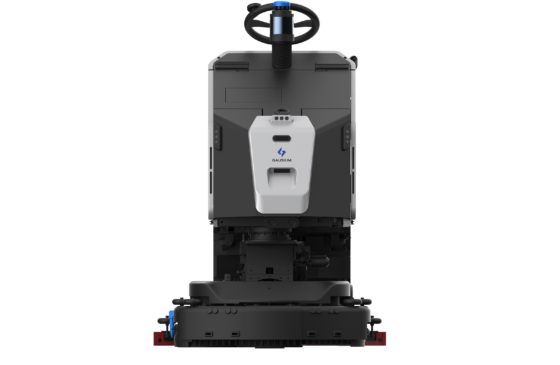
One boundary to note. Once aisles widen and the sales floor runs into tens of thousands of square meters, the limiting factor becomes whether the machine completes the route in one run, which points to Marvel. Hypermarkets and warehouse clubs sit on that side of the line, and how to choose a sweep-and-scrub robot works through that comparison.
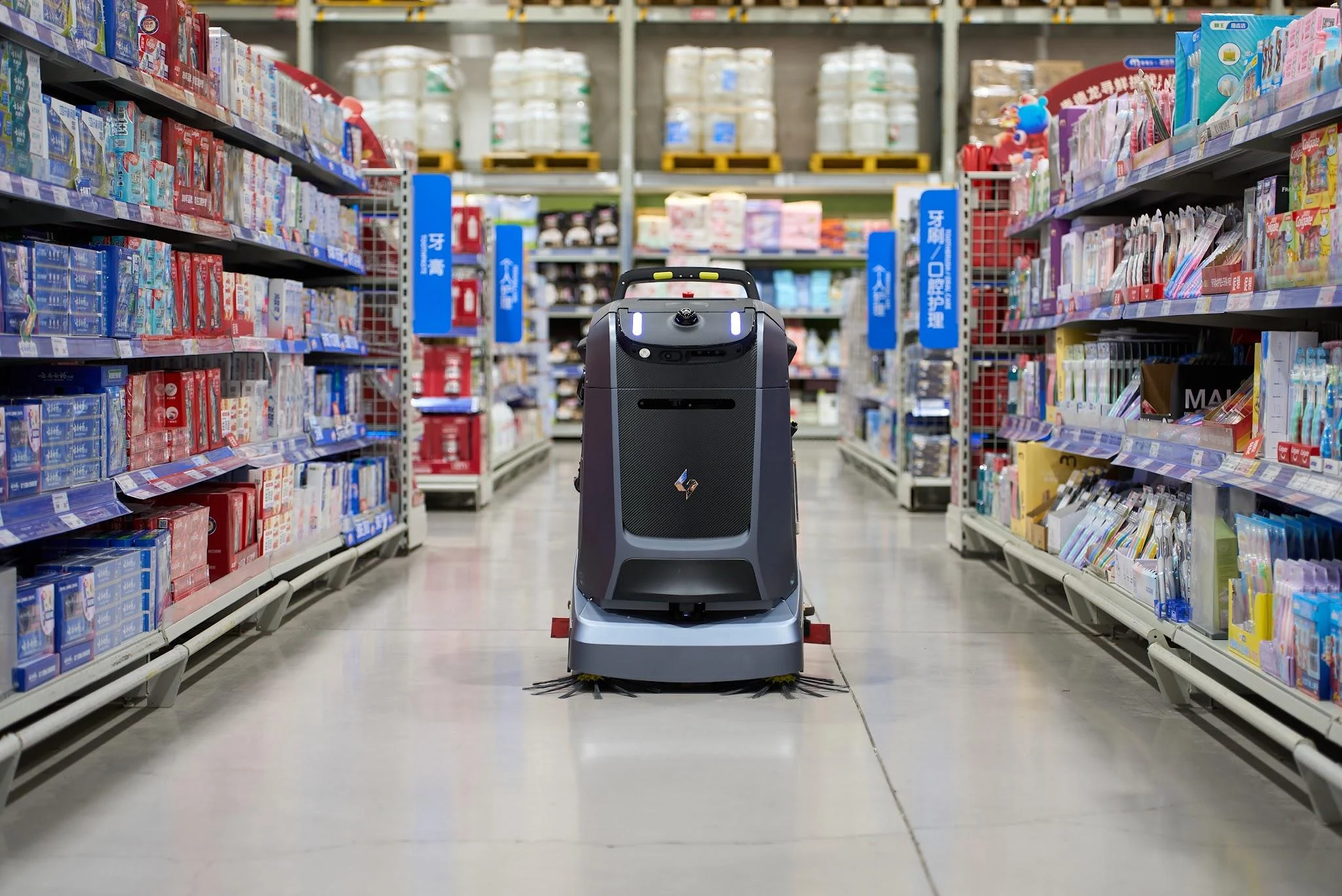
Most retail deployments run at least partly while the store is open. Three conditions have to hold.
Predictable behavior around people. Customers do not move out of the way and children approach the machine. Perception has to detect people and carts without blind spots, and the response has to be consistent enough that staff stop supervising after the first week.
Response to spills when they happen. A spill on a sales floor needs handling immediately, not at the next scheduled route. Gausium machines run Spot Cleaning Mode, detecting soiled areas and diverting to clean them rather than waiting for the next full route. Where the waste should not be attempted, such as packaging strapping or liquid that could reach internal components, the robot flags it to staff through the app.
A dock position clear of selling space. Settle this during site assessment rather than after delivery.
Stockrooms, goods-in areas and staff corridors are often left out of the specification and then become the reason a deployment feels incomplete.
These floors carry heavier debris than the sales floor: pallet fragments, shrink wrap, cardboard. Decide at the assessment stage whether the same machine covers both sides of the stockroom door, or whether back of house stays on the manual schedule, and price accordingly.
Small boutiques. A 300 m² store does not give a machine enough continuous floor to justify the investment, and the cleaning task there is mostly detail work.
Stores with weekly fixture resets. Promotional resets change the route. Confirm during a trial how a layout change is handled and whether it can be done remotely.
Floors whose main problem is embedded soil. A machine sized for routine soiling lifts surface dirt and leaves what has worked into the floor. Confirm the machine’s cleaning pressure against the actual soil condition before selecting by store format.
The tightest clearance on the intended route — measured at the narrowest point rather than averaged across the aisles, including end-cap corners and current stock placement.
The floor mix — hard floor separated from carpet, with a note on whether the two sit in different zones or across the same area.
The area to be finished inside the shortest cleaning window — timed as the window actually runs.
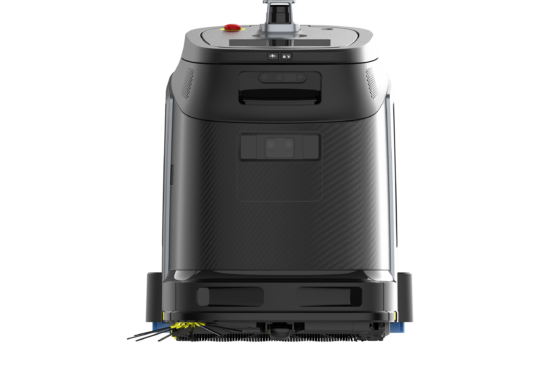
With those three figures the choice between Phantas and Mira is usually clear. The retail solution page covers the wider product set, and contact Gausium to arrange a store assessment and a model recommendation.
Step 1/2
Please select the type of business you’d like to have with Gausium.
Choose one item from the list
Step 2/2
Thanks for sharing your preference. Please fill out the form below, and we’ll get in touch shortly.
By clicking “Submit”, I authorize Gausium to contact me. Privacy Policy.
Thank you for filling out the form
By clicking “Submit”, I authorize Gausium to contact me. Privacy Policy.