




UP NEXT
What Can a Multi-Purpose Retail Robot Achieve?25 listopada, 2025

28 stycznia, 2026
Facility managers evaluating a commercial cleaning robot should check five things: whether it detects and targets actual soil, whether its navigation holds up in a working building, whether it covers every floor type on site, whether it services itself between tasks, and whether it can be managed remotely across sites. Miss any one of them and the machine will need more attention than it saves.
The conversation around commercial cleaning robots has shifted. Five years ago, facility managers were still debating whether autonomous floor cleaning was ready for prime time. Today the technology works and the deployments are measurable. The question left is which machine deserves a spot on your floor.
The gap between entry-level and professional-grade equipment has never been wider, and the five features below are where that gap shows up.
Start with the feature that shows up fastest in operating cost: smart spot cleaning.
Traditional cleaning, whether manual or robotic, follows a simple logic. Cover every square inch, regardless of whether it needs attention. It is thorough, and it is also inefficient. Water, chemicals, energy and time all go into areas that were already clean.
The latest generation of commercial cleaning robots reverses this. Using RGB-D cameras and deep learning algorithms, these machines scan the floor surface continuously, identify debris, stains and spills in real time, divert from the planned route to handle them, and resume the path.
In high-traffic environments like airports, supermarkets and logistics centers, that difference is substantial.
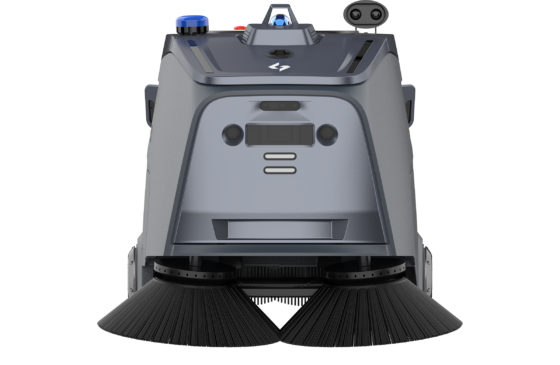
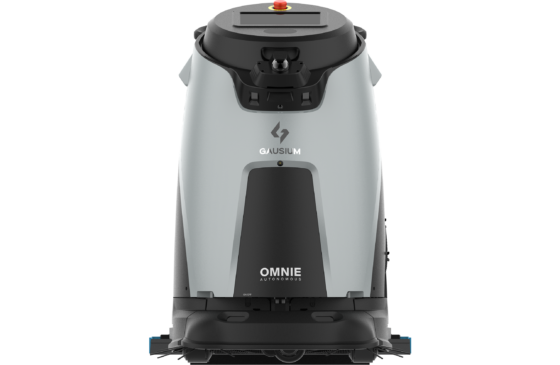
Phantas, Beetle and Omnie all run Spot Cleaning Mode, which combines dirt detection with obstacle avoidance. On Beetle, Gausium states the mode brings a 400% efficiency improvement and covers over 40,000 sqm in a single night. When the robot encounters waste it should not attempt, such as tangled cables or a spill that could damage internal components, it flags the issue to operators through the app rather than driving into it. That behavior matters more than raw detection accuracy, because it decides how often someone has to go and recover the machine.
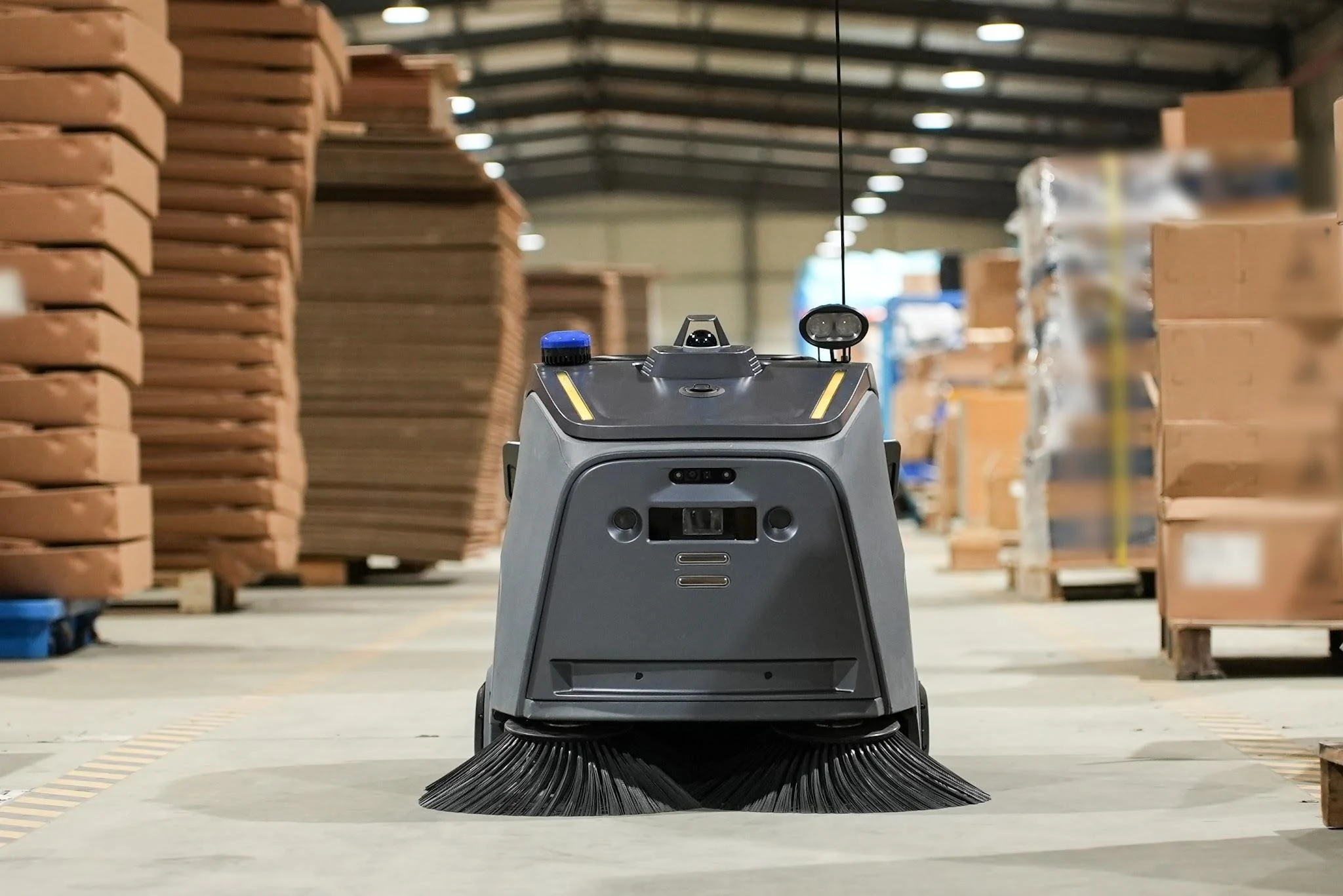
The environments where robots are demonstrated look nothing like a working building.
A warehouse has forklifts moving through it at all hours. A retail floor has carts, promotional displays and customers who are not watching for the robot. A factory has variable lighting, reflective surfaces and equipment that gets repositioned without notice.
A commercial cleaning robot has to hold its line through all of it without someone supervising. That requires layered perception rather than a single sensor.
The standard in 2026 is multi-sensor fusion: 3D LiDAR for spatial mapping, depth cameras for obstacle detection, RGB cameras for object recognition. The combination lets a robot build an accurate map while tracking moving obstacles at the same time.
Gausium machines navigate on 3D LiDAR, which does not depend on ambient light, so low-light and overnight operation is viable across the range. Beetle adds one capability specific to industrial sites: through Gausium’s AutoPass integration it passes through warehouse sliding doors on its own, which is what allows a route crossing between zones to run unattended.
When comparing specifications, ask for localization accuracy and maximum mappable area, and confirm both against the current product page rather than a brochure.
Commercial facilities rarely have uniform flooring. A single building can hold polished concrete, vinyl, carpet and tile.
A professional solution has to cover that range without one machine per surface. In practice this means either a multi-mode robot, or a portfolio where each machine has a defined role.
Gausium covers both routes:
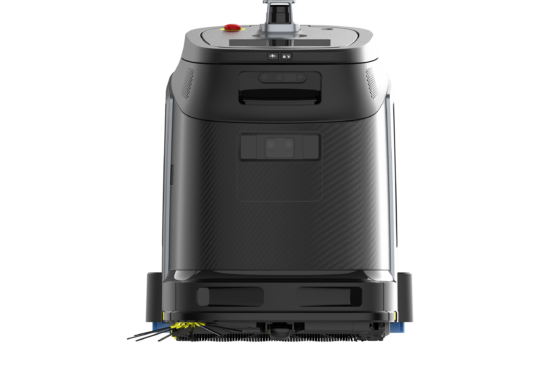
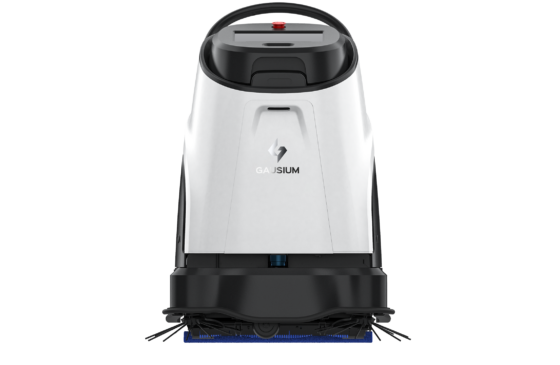
Phantas integrates four cleaning modes in one compact unit and handles hard floors and low-pile carpet. Its integrated handle lets operators switch between autonomous and manual operation.
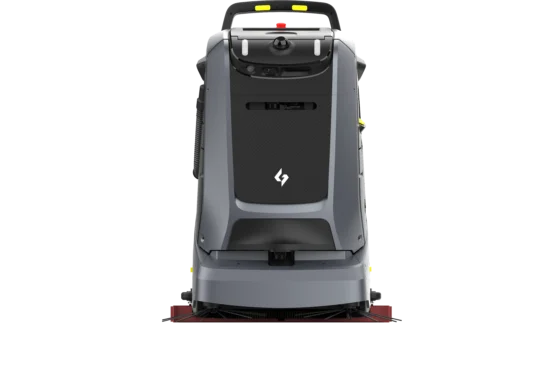
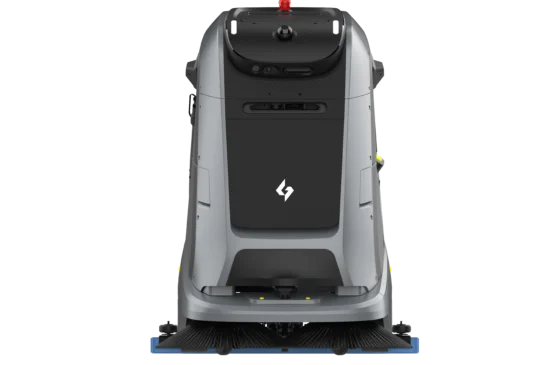
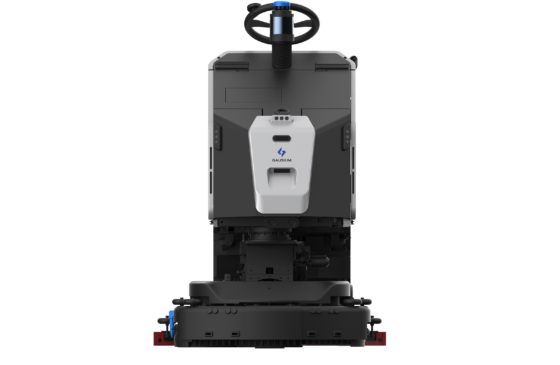
Mira and Marvel sweep and scrub in a single pass, removing the manual pre-sweep. Mira suits tighter aisles, Marvel suits large open floor plates.
Omnie scrubs hard floors in complex, high-traffic buildings.
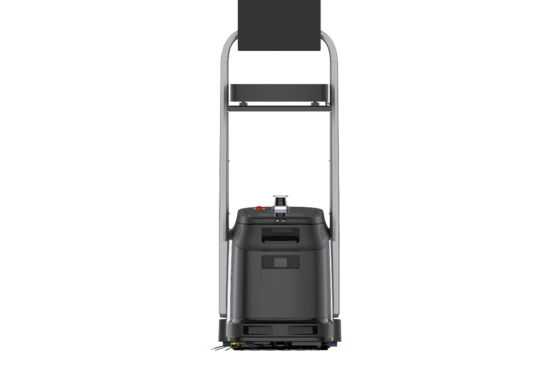
Beetle sweeps dry debris on industrial floors, indoors and outdoors. It does not scrub.
Vacuum 40 handles carpeted areas, where scrubbers do not apply.
The practical test is simple: walk the building, list every floor type on the route, and confirm each one appears on the applicable-surface list of the machine being quoted. Where a building combines hard floors and carpet, one machine or two is a separate decision worth working through before selection.
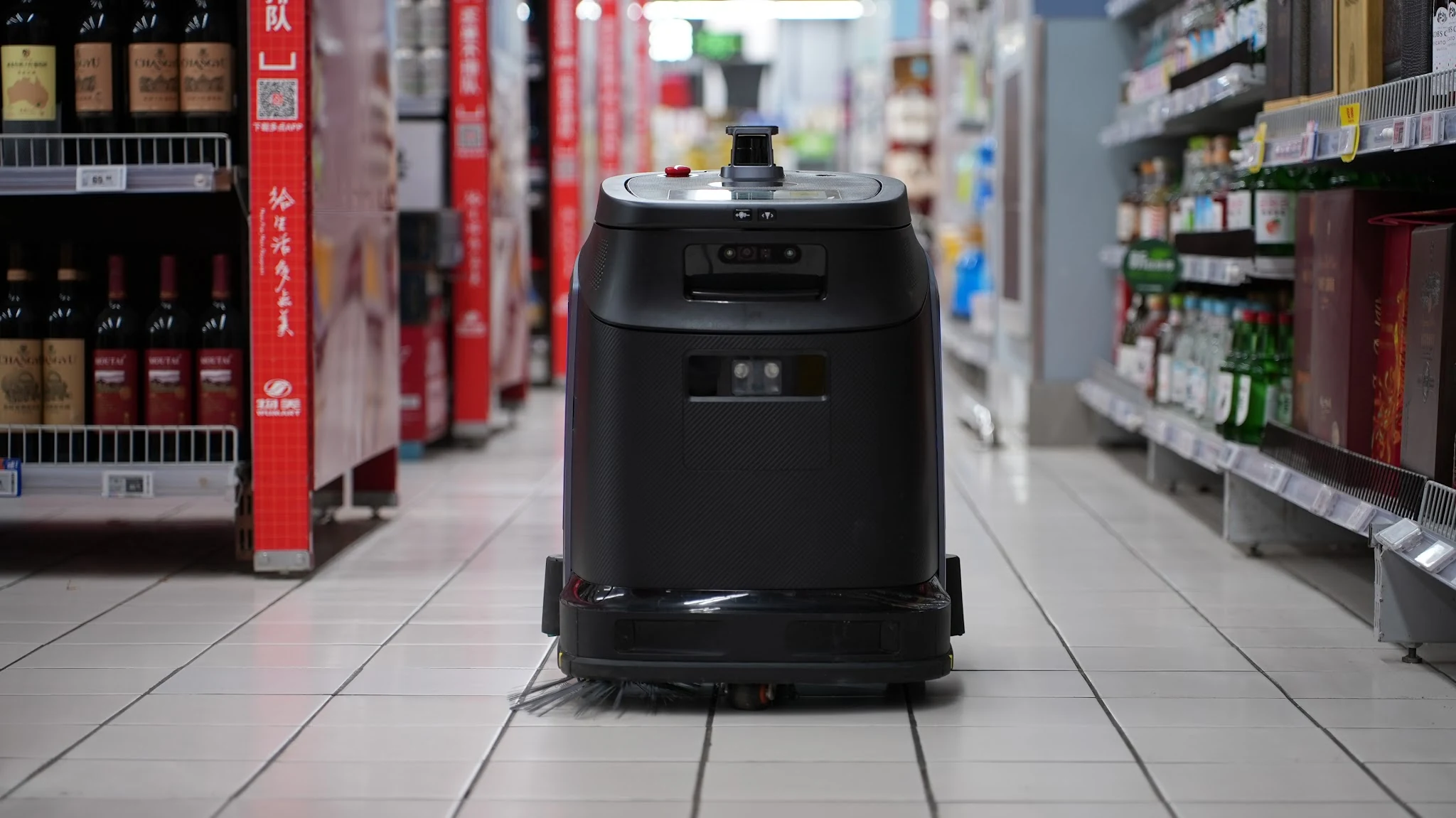
The promise of autonomous cleaning is that robots handle the repetitive work while staff focus elsewhere. That promise breaks if someone has to refill tanks, empty bins and clean the machine’s internals every few hours.
True autonomy requires self-service infrastructure. Gausium machines pair with docking stations that handle battery charging, fresh water refill and wastewater drainage without an operator.
The more advanced systems go past fluid exchange into automatic self-cleaning, and they do it in two different ways. Phantas pairs with a workstation that rinses the wastewater tank and sewage hose under high pressure and cleans the squeegee. Mira and Marvel carry the self-cleaning system onboard, so the tank is flushed without depending on a workstation. Either route keeps suction and hygiene stable between tasks, and which one suits a site depends on where the dock can be placed.
This is what makes overnight running realistic. Deploy at the end of the business day, and the machine cleans through the night, returning to its dock to recharge, refill and flush its own systems. For how charging, refilling and draining are configured across the range, see cleaning robots that charge automatically.
One item stays manual: emptying the debris bin. Agree the cadence and the responsible role before deployment, because it is the step most often left unassigned.
A single robot can be managed by the site team. A fleet across several buildings cannot.
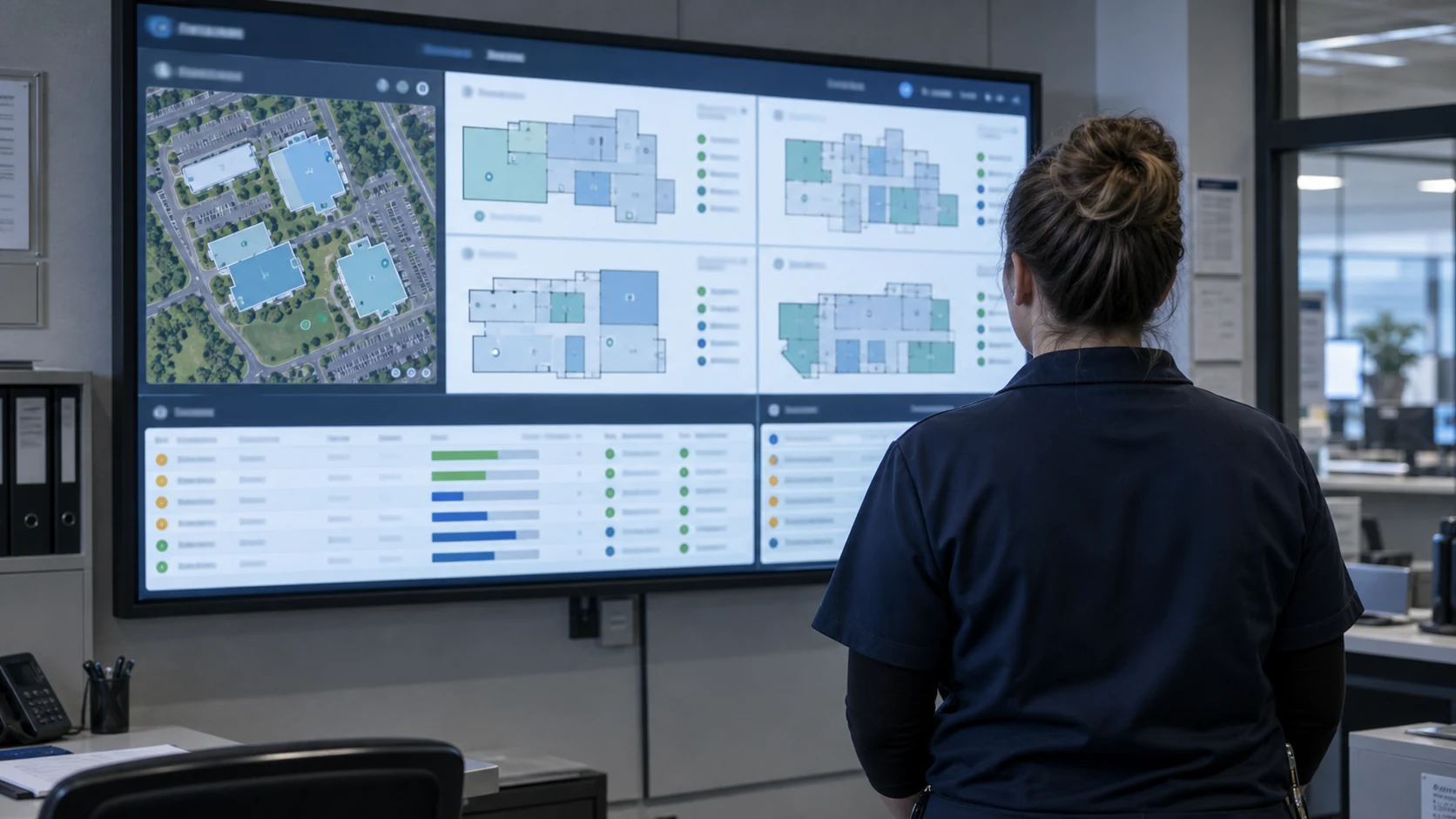
At that scale, centralized management stops being optional. A cloud platform should give visibility into each robot’s status, cleaning coverage and maintenance needs, allow maps and routes to be edited remotely, and schedule machines so they do not duplicate coverage.
Remote deployment deserves particular attention. Editing routes from a central location rather than sending a technician on site is where multi-building operators recover the most time, especially in buildings where layouts change often.
The Gausium cloud platform provides 24/7 access to operational data, task monitoring and reporting, with multiple sites visible in one place. What each role actually does with that data is a separate question, covered in cleaning robot performance reporting.
The autonomous cleaning market has matured, and that maturity brings complexity. The range of options today means facility managers have to be specific about which features matter on their floors.
Take the five in order. Floor types decide the machine class and rule most options out first. Navigation decides whether it can run while the building is occupied. Spot detection and self-service decide the daily labor it still requires. Fleet management decides whether it scales past the first site.
Get those right and the machine earns its place. Get them wrong and the cost shows up as staff time, not as purchase price. For a configuration matched to a specific building, contact Gausium to arrange a site assessment.
Q1: What Should a Facility Manager Check First?
Floor types. List every surface on the intended route and confirm each appears on the machine’s applicable-surface list. No other specification compensates for a machine that cannot clean part of the floor.
Q2: Can One Robot Cover an Entire Building?
Only where floor type, aisle width and soil stay consistent throughout. Buildings combining carpeted offices with hard-floor common areas normally need two machine classes.
Q3: How Much Daily Attention Does a Robot Still Need?
Machines paired with a docking station charge, refill and drain on their own. Emptying the debris bin and replacing consumables remain manual tasks on a fixed cadence.
Q4: Does the Robot Need Internet Access to Work?
Cleaning tasks run onboard. Connectivity enables reporting, remote map editing and fleet visibility. Which functions depend on a connection is covered in commercial cleaning robots without internet.
Q5: How Long Does a First Deployment Take?
It depends on building size, door integration and traffic. Ask for an assessment covering mapping, docking-station placement and observation of one full shift, rather than a headline figure.
Q6: Should Robots Run During Occupied Hours?
Where perception and noise levels allow it. Machines with 360° LiDAR and camera perception are built for occupied operation, but site traffic rules and exclusion zones still need agreeing beforehand.
Step 1/2
Please select the type of business you’d like to have with Gausium.
Choose one item from the list
Step 2/2
Thanks for sharing your preference. Please fill out the form below, and we’ll get in touch shortly.
By clicking “Submit”, I authorize Gausium to contact me. Privacy Policy.
Thank you for filling out the form
By clicking “Submit”, I authorize Gausium to contact me. Privacy Policy.