




UP NEXT
Cleaning Robots for Train and Metro Stations: 6 Key Selection Factors13 listopadu, 2026

13 listopadu, 2026
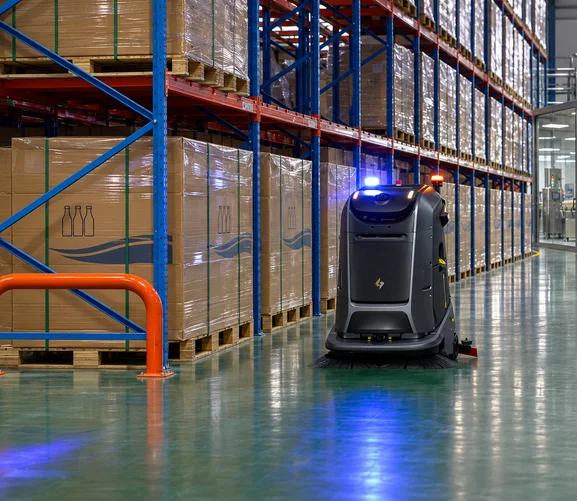
Floors in food and beverage facilities collect soil from the processes around them. Ingredient dust, liquid residue from processing and filling, packaging fragments and pallet splinters occur in different parts of the same site.
Cleaning also needs to fit around production. Access to processing and filling areas depends on the production schedule, while storage floors may be shared with forklifts and other logistics activity.
A floor-cleaning program therefore starts with the areas and soil, then establishes the method, timing and equipment. Cleaning robots can take on recurring floor tasks where the floor, access conditions and site procedures suit the selected machine.
Food and beverages may be prepared, processed, packaged, bottled, stored and shipped on one site. Each stage creates different floor-cleaning requirements.
|
Stage |
Typical floor soil |
Points to assess |
|---|---|---|
|
Preparation and processing |
Ingredient dust, product residue and liquids |
Methods and equipment permitted under the site’s hygiene procedures |
|
Packaging and bottling |
Liquid residue, labels and packaging fragments |
Spill response and available periods for routine cleaning |
|
Storage |
Dust, pallet fragments and packaging debris |
A suitable dry or wet method, aisle access and forklift movements |
|
Dispatch and loading |
Tracked-in grit and packaging debris |
Surface compatibility and indoor–outdoor transitions |
|
Corridors and transfer routes |
Mixed soil from neighboring areas |
Scheduled cleaning within approved zones and access conditions |
Mapping these areas shows where wet cleaning is appropriate, where dry conditions must be maintained and where traffic restricts access.
Suitability should be assessed by zone. A warehouse deployment does not establish suitability for every processing area, even within the same facility.
Sweeping and scrubbing perform different jobs. Sweeping collects suitable loose debris such as dust and small wood fragments. Scrubbing applies cleaning solution, loosens adhered soil and recovers dirty water.
Loose material needs to be collected before or as part of scrubbing, depending on the machine and the material. Suitable sweep-and-scrub machines can combine these actions in one pass.
Long strips of film, strapping and oversized debris should be removed before machine cleaning where they could obstruct or become tangled in the cleaning system.
In areas that must remain dry, the site’s procedures determine which cleaning methods are permitted. Ingredient dust also needs assessment according to its properties; ordinary dust-collection capability does not establish suitability for combustible or hazardous materials.
The floor surface sets further requirements. Concrete, epoxy and other finishes have maintenance instructions that should guide chemical, water, brush and pad selection.
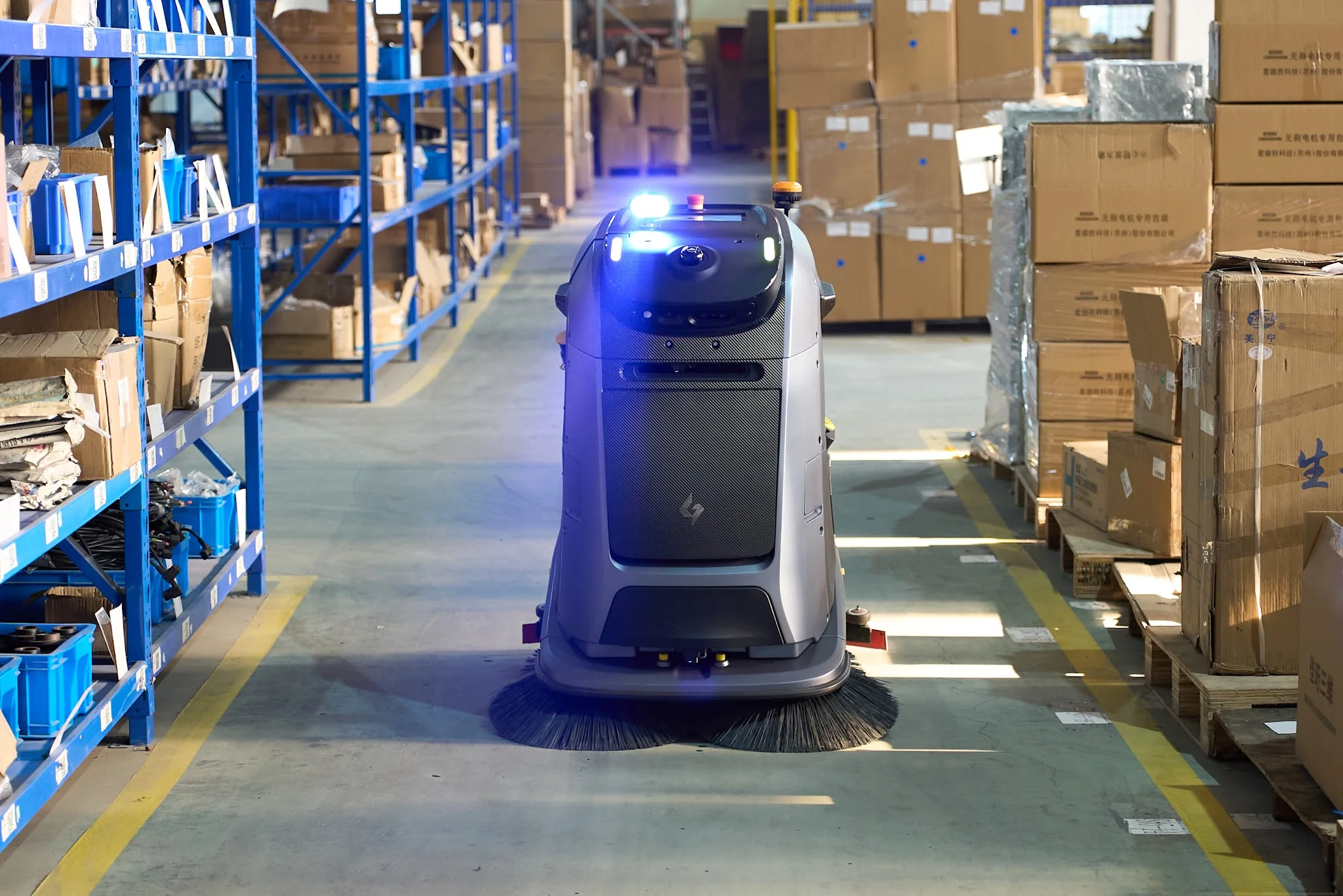
Where suitable loose and adhered soil occur together, combined cleaning can be considered. Gausium’s guide to choosing a sweep-and-scrub cleaning robot explains that approach.
Food and beverage facilities can present two different access challenges.
Tight, equipment-filled spaces. Processing rooms, filling areas and cellars may contain tanks, machinery and pallets. Relevant factors include the machine’s dimensions, the narrowest passage and the available turning space. Compact dimensions alone do not establish suitability for a particular production zone.
Large open floors. Storage halls and dispatch areas may include long aisles, accumulating debris and regular traffic. Selection needs to account for the assigned area, cleaning window, collection capacity and replenishment arrangements.
One facility may include both. Matching equipment to the task avoids assigning a machine to a route or cleaning requirement it cannot accommodate.
Gausium’s guide to industrial floor scrubbers for factories and manufacturing plants covers industrial deployment considerations in more detail.
Cleaning windows follow the production and logistics plan. Possible periods include:
At Coca-Cola Europacific Partners’ Knetzgau warehouse, the published deployment uses weekends and periods outside regular working hours to avoid competing with busy logistics activity.
That schedule is specific to the project. Other facilities should assess their own traffic and access conditions.
For unattended runs, the site needs agreed access conditions, equipment readiness and an alert-response process, alongside suitable charging and docking arrangements. Gausium’s article on cleaning robots that charge automatically covers charging options.
Robots undertake assigned floor tasks within approved zones. The sanitation team remains responsible for the wider program and work requiring separate procedures or equipment, including:
Floor-cleaning performance should not be presented as proof of disinfection or food-safety compliance.
Areas with special safety classifications, including combustible-dust zones, need separate assessment before equipment is introduced. A robot’s filtration or navigation features do not replace that assessment.
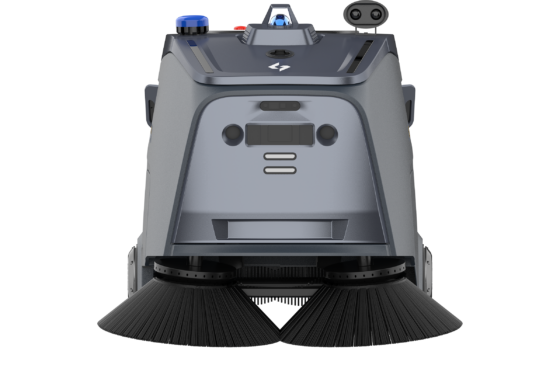
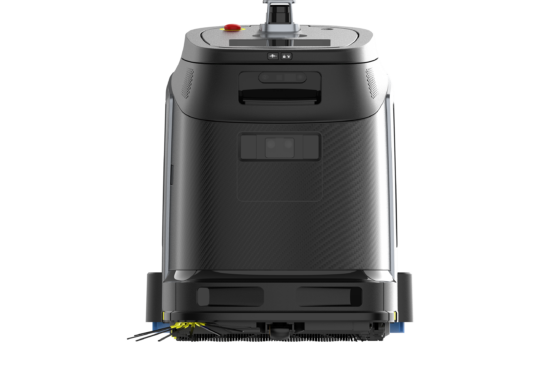
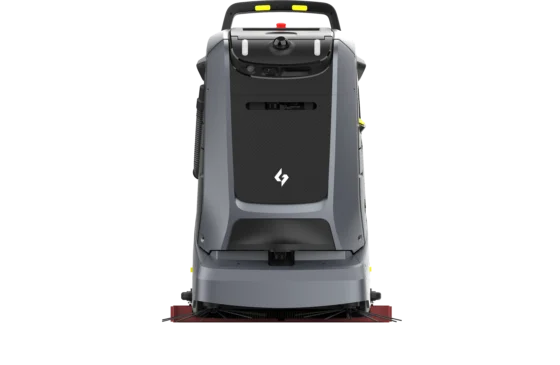
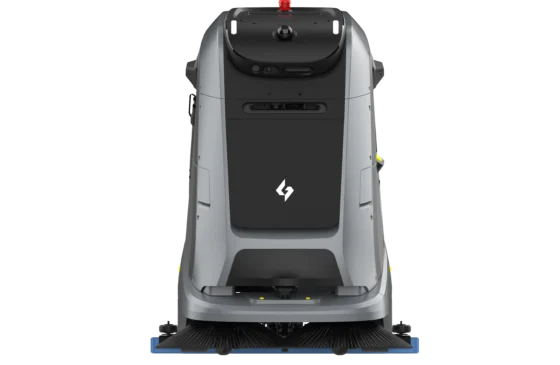
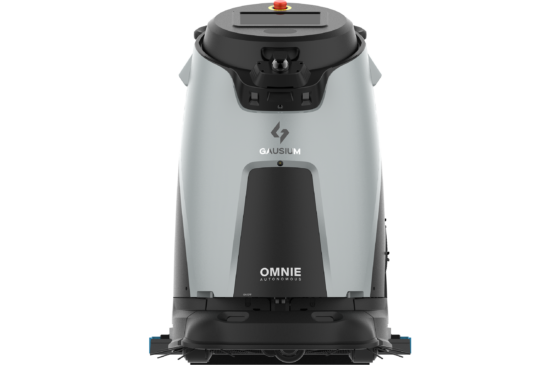
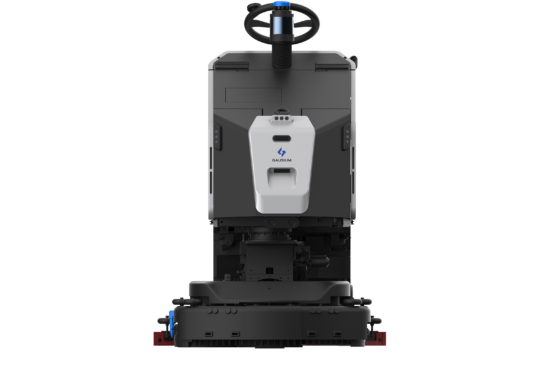
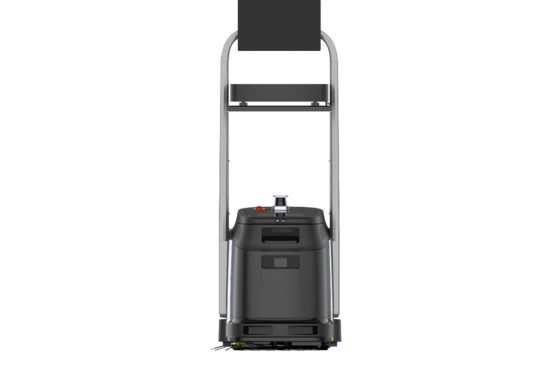
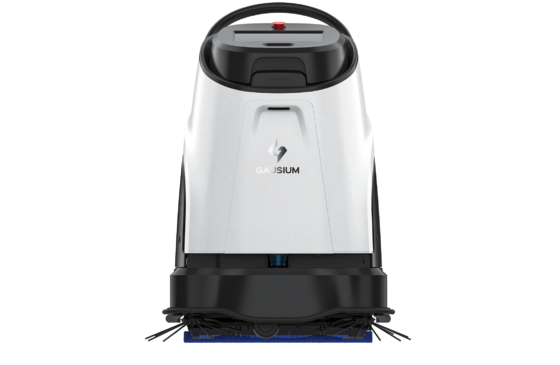
The following models support different floor-cleaning tasks across a food or beverage facility. Selection depends on the zone, soil, floor and required configuration.
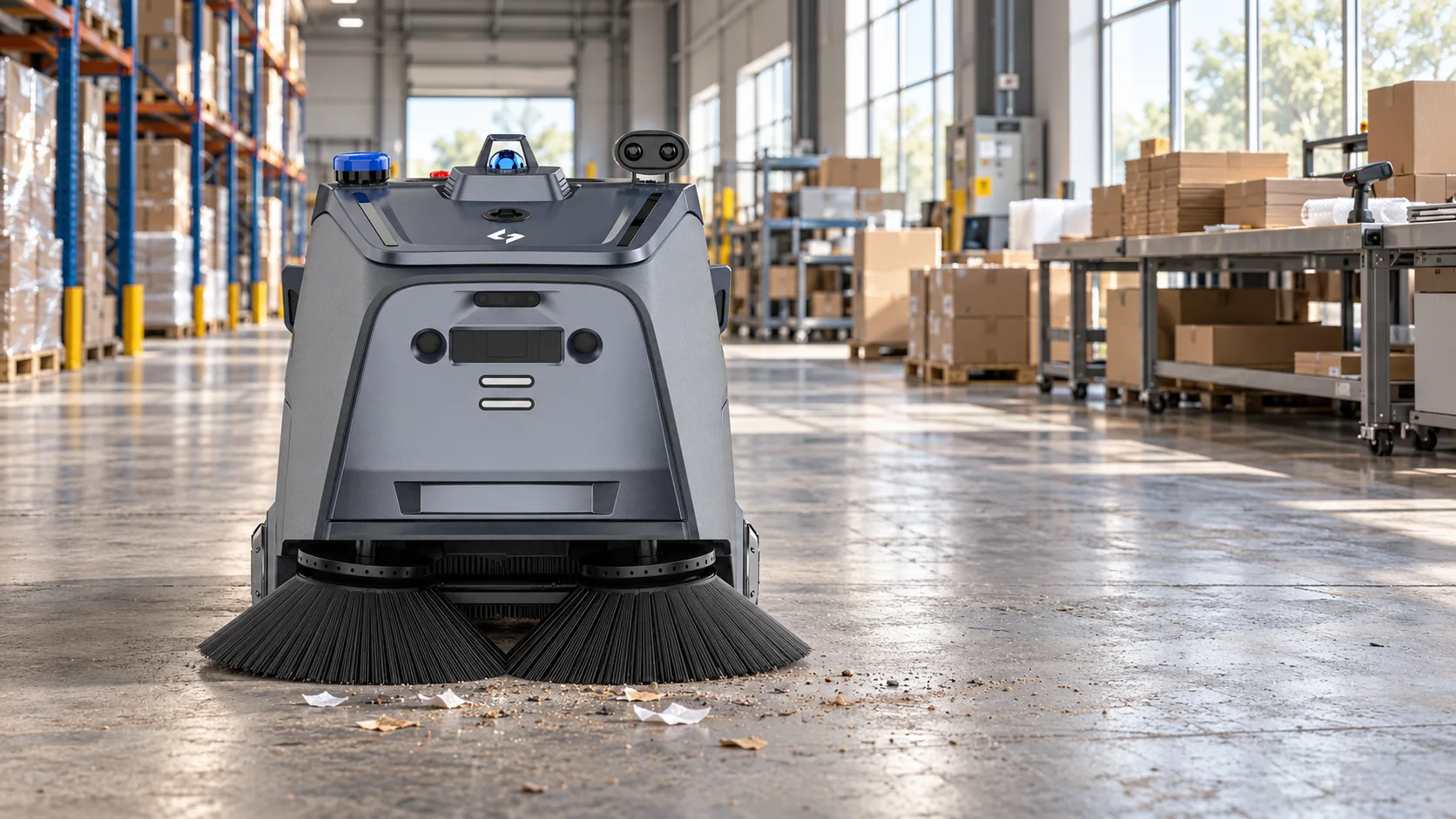
For dispatch yards and other external surfaces, see Gausium’s guide to cleaning robots for outdoor commercial areas.
At Viña Costeira winery in Galicia, one Phantas cleans approximately 500 m² across three zones: the bottling room, winery corridors and storage area.
The areas include ceramic tile, painted concrete and polished concrete. Narrow passages between fermentation tanks were part of the access challenge.
Darlim, Gausium’s partner in Spain, supported the deployment. The facility team reported improved surface cleanliness and consistency across the zones.
Read the Viña Costeira case study.
Loulis Food Ingredients uses one Beetle with a charging dock in its warehouse. Its assigned areas include the main distribution area, storage aisles and general warehouse zones.
The case reports approximately 2,500 m² of automated sweeping per day and a 60% reduction in cleaning time for that deployment. Gerobo International, Gausium’s distributor in Greece, implemented the solution.
These figures describe the reported project, not guaranteed results for another facility.
Read the Loulis Food Ingredients case study.
At CCEP’s 2,000 m² Knetzgau warehouse, a 24/6 operating model and regular forklift traffic shaped the cleaning arrangement.
With support from mR Mobile Robots GmbH, CCEP piloted a Gausium Beetle together with an autonomous floor scrubber. The robots operate during quieter periods, including weekends and outside regular working hours.
CCEP’s Christoph Kober reported that automated operation during those periods helped maintain a high standard of tidiness. This is evidence of a warehouse application, rather than a blanket endorsement for all food-production zones.
Read the Coca-Cola Europacific Partners case study.
A practical first step is a clearly defined area with known soil and an agreed cleaning window. Depending on the facility, this could be an approved production-area floor, a storage aisle, a dispatch zone or a connecting corridor.
Before the first run, define:
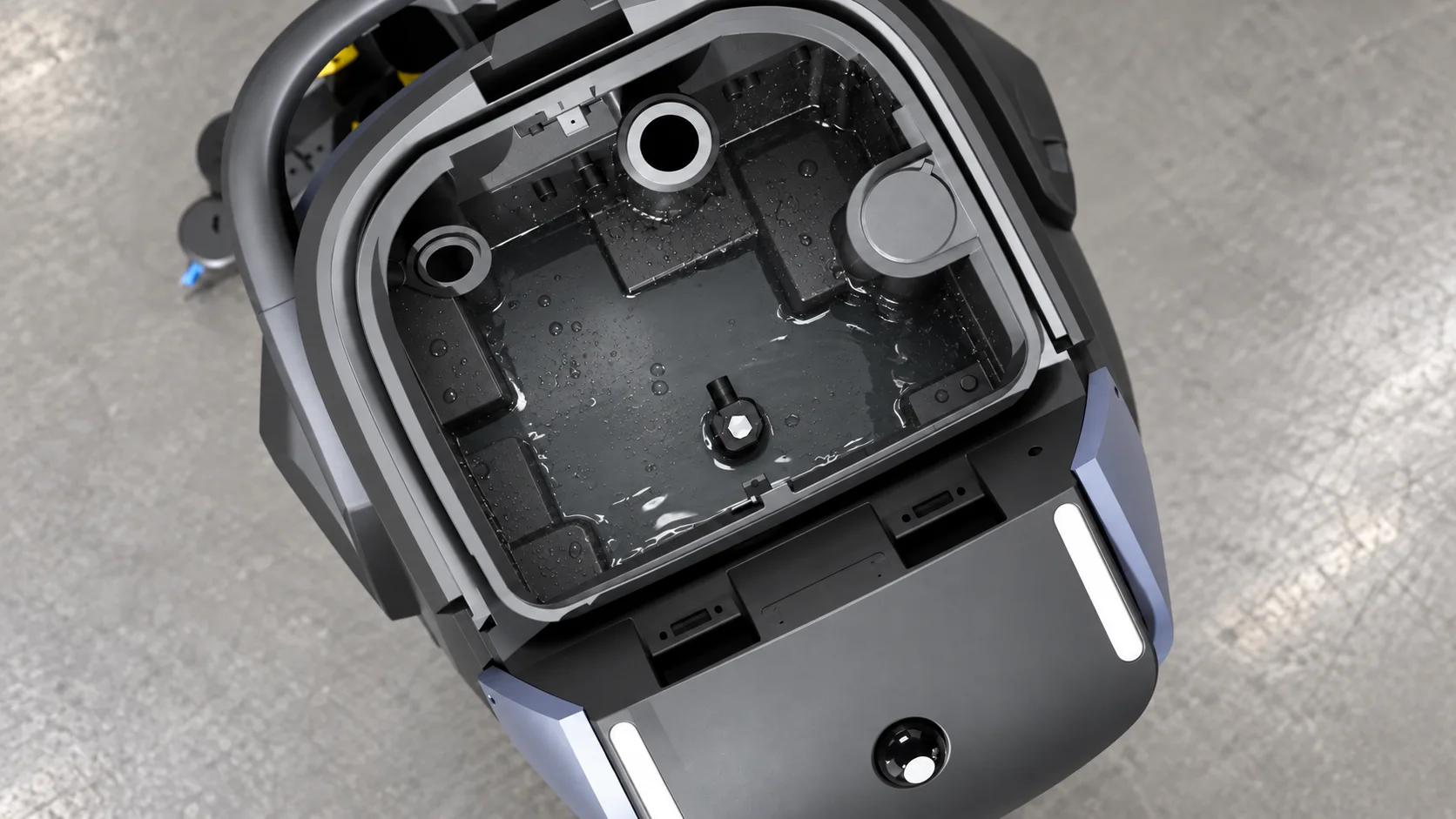
The trial should also account for water handling, charging, maintenance and response to alerts. Depending on the model and setup, replenishment may be automated or require staff assistance.
A trial under the planned operating conditions shows how the robot handles actual soil, access constraints and timing. Record staff interventions and preparation work as well as the robot’s cleaning performance.
Gausium’s guide to what to measure in a cleaning robot performance test lists further points to assess. To evaluate robotic floor cleaning for a food or beverage facility, contact Gausium.
They can be considered for suitable floors and tasks after the specific zone, configuration and site procedures have been assessed. Phantas cleans a bottling room, corridors and storage space at Viña Costeira winery. That application does not establish suitability for every processing area, and routine floor cleaning does not replace food-contact cleaning or sanitizing.
The method depends on the soil, floor and area requirements. Suitable loose debris can be collected by sweeping, while adhered soil may require wet scrubbing. Compatible sweep-and-scrub equipment can combine the tasks. Areas that must remain dry follow the site’s approved methods.
That depends on the equipment, traffic arrangements and site assessment. At CCEP’s Knetzgau warehouse, the published deployment uses quieter periods, including weekends and outside regular working hours. Other sites should assess their own routes, crossings and operating windows rather than adopt that schedule automatically.
Step 1/2
Please select the type of business you’d like to have with Gausium.
Choose one item from the list
Step 2/2
Thanks for sharing your preference. Please fill out the form below, and we’ll get in touch shortly.
By clicking “Submit”, I authorize Gausium to contact me. Privacy Policy.
Thank you for filling out the form
By clicking “Submit”, I authorize Gausium to contact me. Privacy Policy.