




UP NEXT
6 Things to Measure in a Cleaning Robot Performance Test12 října, 2026

14 října, 2026
Open floor is the easy part. Any capable robot can cover the middle of a concourse or an aisle. The real test of a cleaning robot is the last few centimeters along the wall, around the shelf base and into the corner, because that is where dirt collects and where manual touch-up usually starts.
Robot floor scrubber edge cleaning comes down to three things: how far the cleaning coverage reaches past the machine body, how precisely the robot follows the boundary, and whether the water it puts down near the edge gets picked up again.
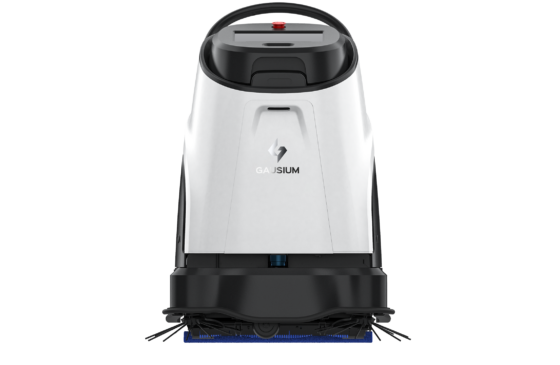
In the right conditions, Gausium robots bring cleaning coverage right up to the wall line. Phantas, a compact multi-function cleaning robot, is rated at 0 mm (specs). That figure means the side brush bristles reach the wall line, not that the machine body touches the wall. Corners are a different problem from straight walls, though, and it helps to understand why.
A floor scrubber cannot press its body against the wall. It needs clearance to move without scraping paint, fixtures or shelving, and it needs room to turn at the end of every pass.
That clearance creates a strip the main brush cannot reach. The wider the gap between the body and the boundary, the wider the band of floor left untouched. Then there is the squeegee. Even when a brush reaches the edge, the dirty water it loosens has to be recovered, or the floor is left wet and streaked right where it is most visible.
Edge cleaning is therefore a design problem, not a single feature. Brush placement, sensing, path planning and water recovery all have to work together.
„Edge cleaning“ covers several kinds of boundary, and each one challenges a robot differently.
Straight walls and shelf bases. These are common examples of straight boundaries. A side brush extending beyond the body, combined with a steady wall-following path, can bring cleaning coverage right up to the boundary.
Inside corners. Where two walls meet at 90 degrees, geometry gets in the way, and the limit depends on the machine. A disc brush or side brush is round, so even when it reaches a straight wall, it cannot reach the deepest point of a square corner.
A roller brush has a rectangular footprint, but the robot’s body shape and turning radius still keep it out of the corner, and the squeegee cannot recover water in the corner itself. Either way, the corner is harder than the wall on either side of it.
Low and narrow spaces. Under tables, beneath shelf overhangs and between fixtures, the body size and turning space matter before brush reach does. A robot cannot clean an edge it cannot get to.
All Gausium robots reach the edge the same basic way, with a side brush extending cleaning coverage past the body. What differs is the machine type, whether the side brush is standard or optional, and how well the robot can get into tight spaces.
On most machines, the side brush sits on one side only. The robot can therefore only follow a wall closely with that side facing it.
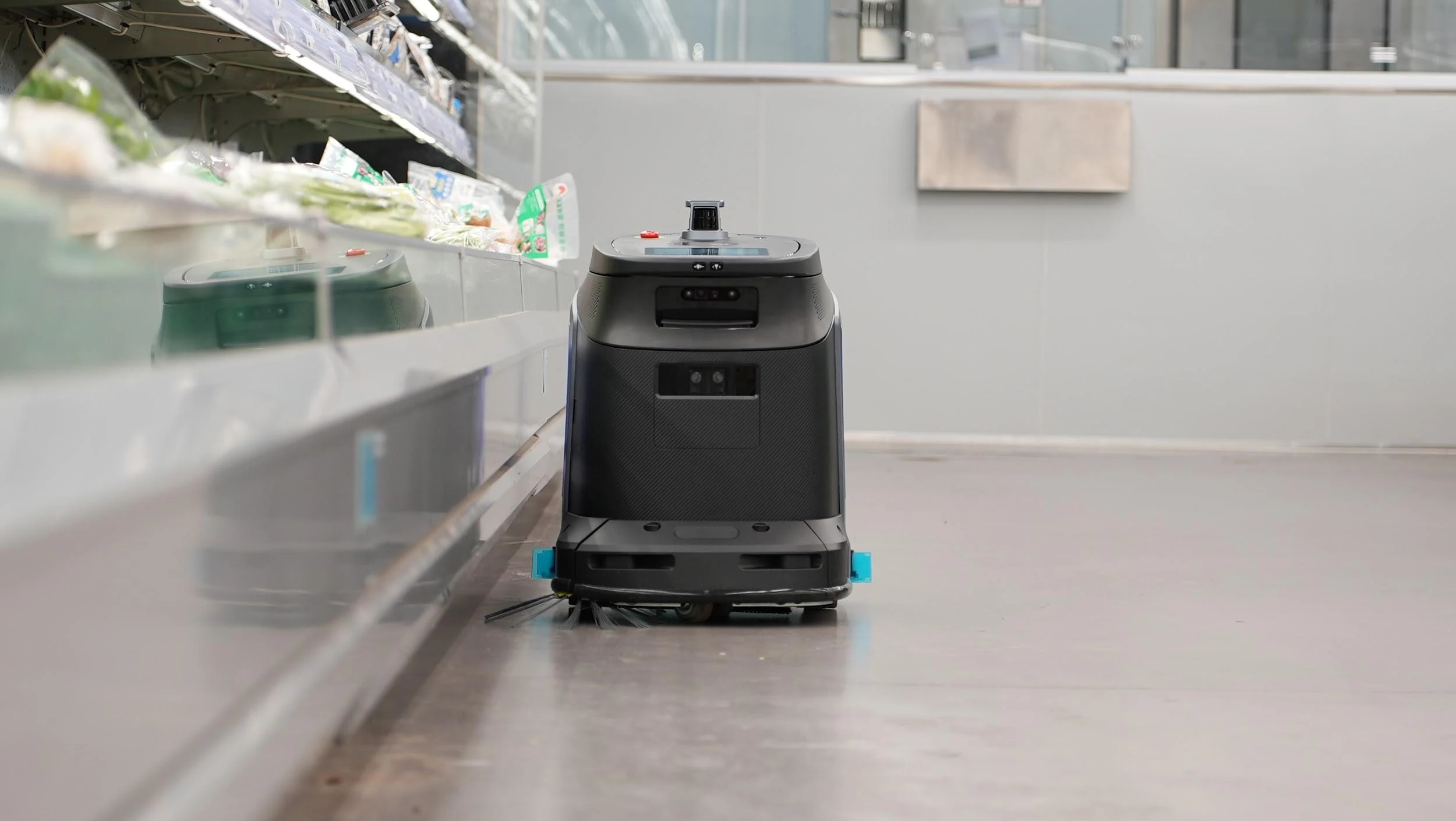
A brush that can reach the wall only helps if the robot holds its line along the whole boundary. A path that drifts closer and farther away leaves uneven strips even when the brush reach is right.
Gausium robots localize with LiDAR to within ±2 cm, according to Gausium’s navigation technology. Edge distance is a separate matter. When following a wall, the robot relies on live sensing of the boundary, not only on its position on the map, so it can hold a close, steady line rather than swerving around it.
Path planning then decides how the edges fit into the task. Operators can divide a site into zones and pick a planning mode for each one, so boundary-heavy areas get the attention they need.
Glass walls, mirrors and other reflective surfaces can affect how LiDAR reads a boundary, so edges along them are worth checking during deployment.
Gausium’s Drop & Go mode puts edge cleaning at the start of the task. As described in the webinar recap featuring Gausium CTO Dr. Baoxing Qin, the robot maps the space as it cleans, first exploring the boundary and cleaning along the edges before covering the rest of the area. No pre-existing map is required.
This approach is designed for frequently rearranged spaces, such as ballrooms and event venues, and incorporates boundary cleaning into the coverage routine from the outset.
On a scrubber, the edge problem does not end when the brush reaches the wall. The water and solution used near the boundary have to be recovered, or the result is a damp strip and streaks along the baseboard.
Water recovery relies on the squeegee and vacuum system working together. The squeegee gathers dirty water for suction, and its position and shape relative to the wall affect how much water can be recovered along the edge. In a tight inside corner, the recovery assembly cannot reach the deepest point.
Some models add sensing on top: Phantas Extra, for example, uses smart residual water detection to keep water traces to a minimum.
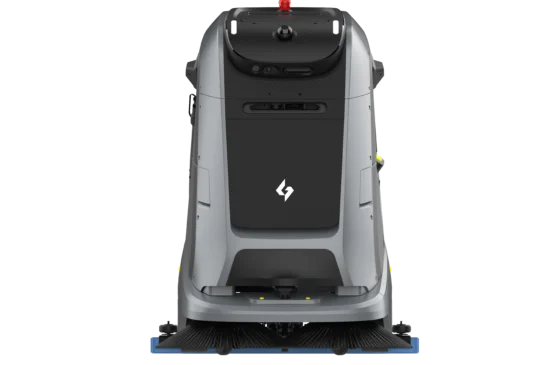
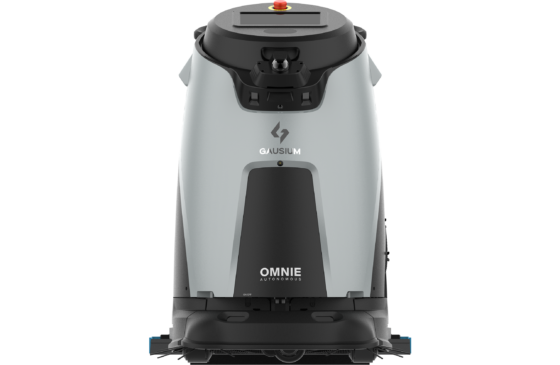
On Omnie, a scrubber built for high-dynamic environments, the roller brush version scrubs a 406 mm path. Its optional side brushes extend the cleaning width to 780 mm, sweeping debris from the edge inward for collection in the same pass.
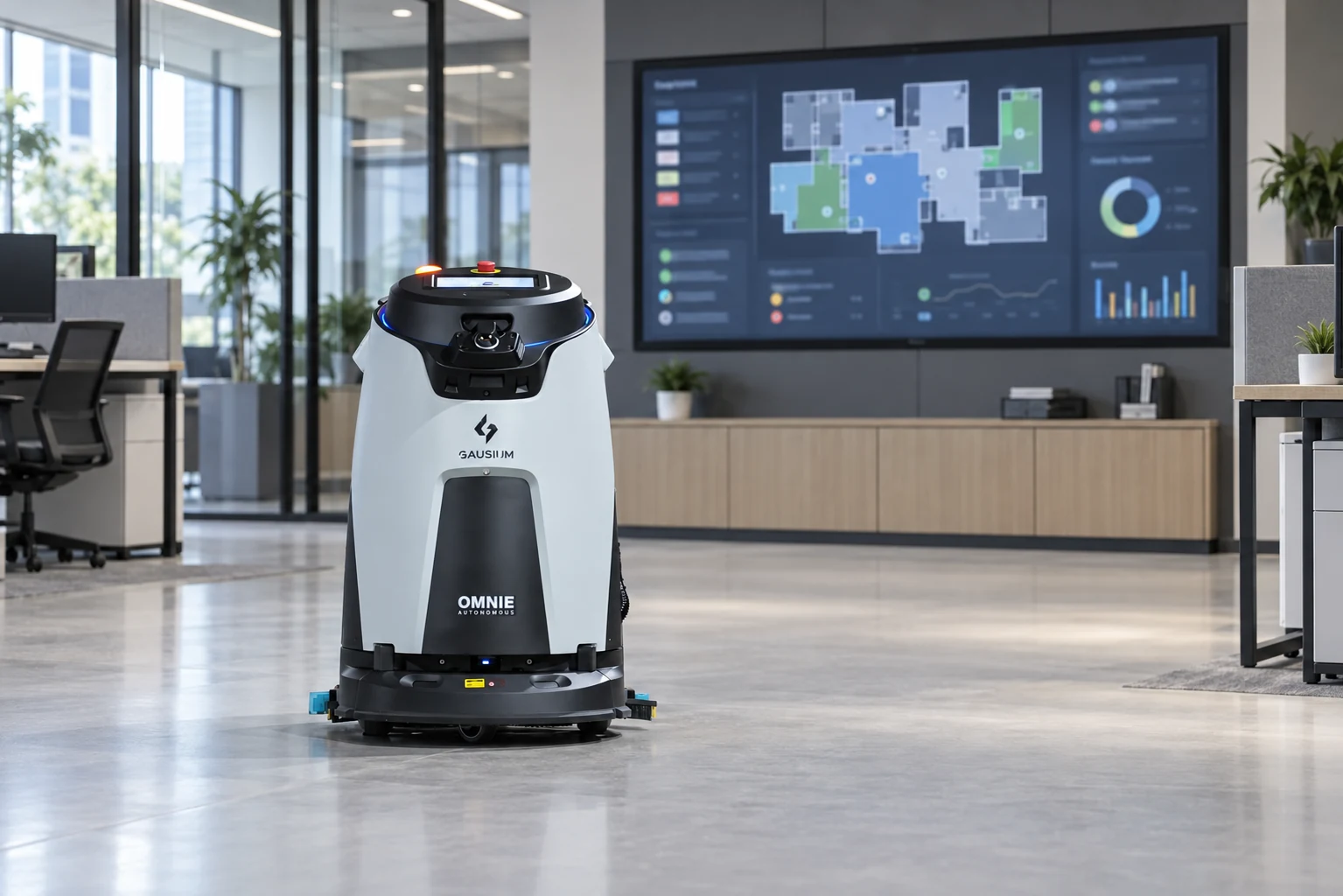
Some sites have far more edge than others, and that is where close-edge cleaning saves the most manual work.
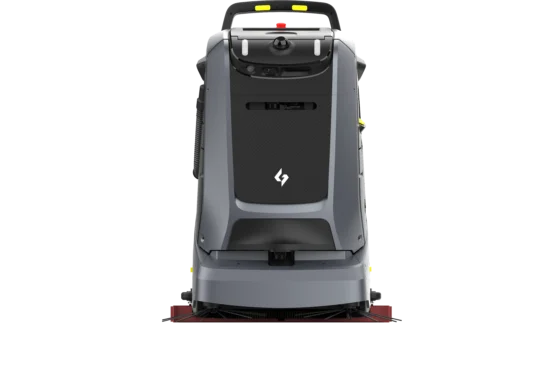
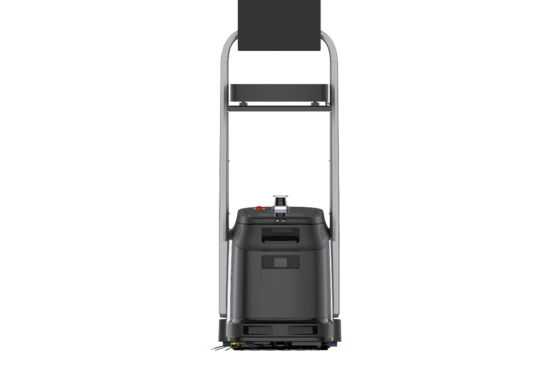
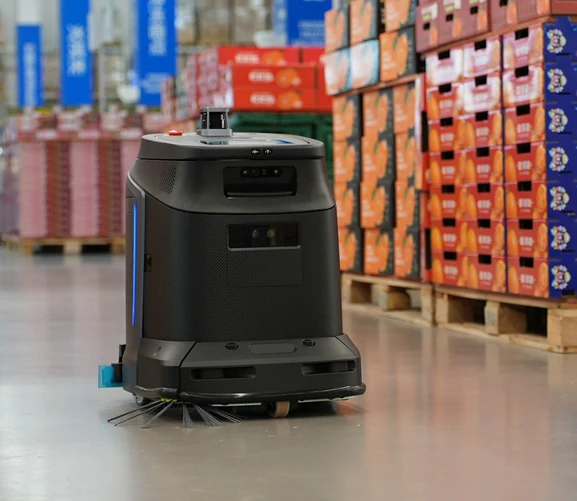
Supermarkets and retail stores. Every aisle has two shelf bases along its full length, and edge dirt there is in plain view of shoppers. Scrubbers such as Mira, which sweeps and scrubs in one pass, and Omnie with side brushes keep those lines clean.
Offices and workspaces. Desk legs, chair bases and partitions create hundreds of small boundaries. Phantas fits under desks with as little as 650 mm of height clearance and cleans right up to fixtures.
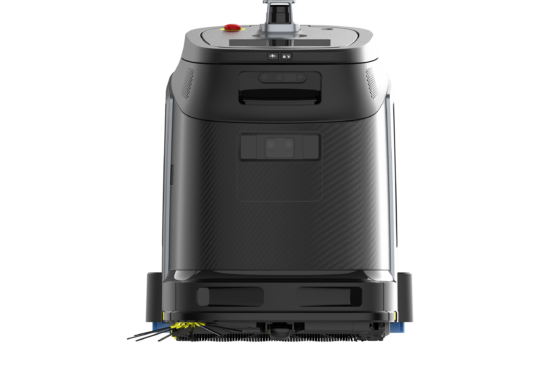
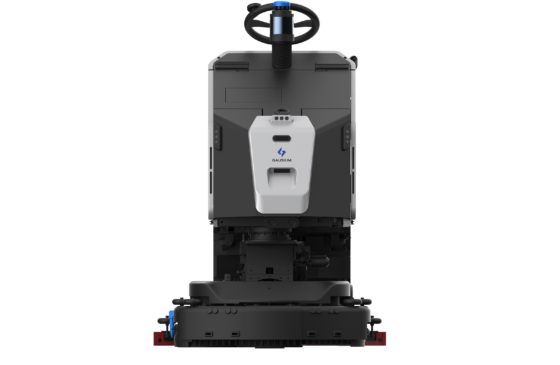
Warehouses and industrial floors. Racking uprights, column bases and dock walls collect dust and debris. In the right conditions, the Beetle autonomous sweeper brings its side-brush cleaning coverage to the wall line.
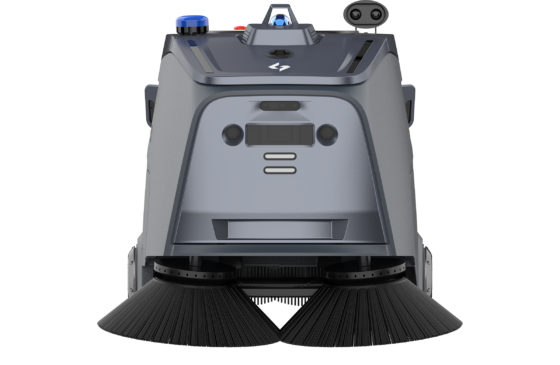
Marvel, a sweeper-scrubber for large spaces, uses front side brushes to sweep debris from the edges ahead of its scrubbing brushes.
The way Mira and Marvel sweep and scrub in a single pass is explained in how Gausium Mira and Marvel ended the sweep-versus-scrub compromise.
Transportation hubs. Long walls, pillars and seating rows line concourses and platforms, and the windows for cleaning them are often short, so the edges need to be done right on the first pass. Omnie with side brushes is built for these public transport environments.
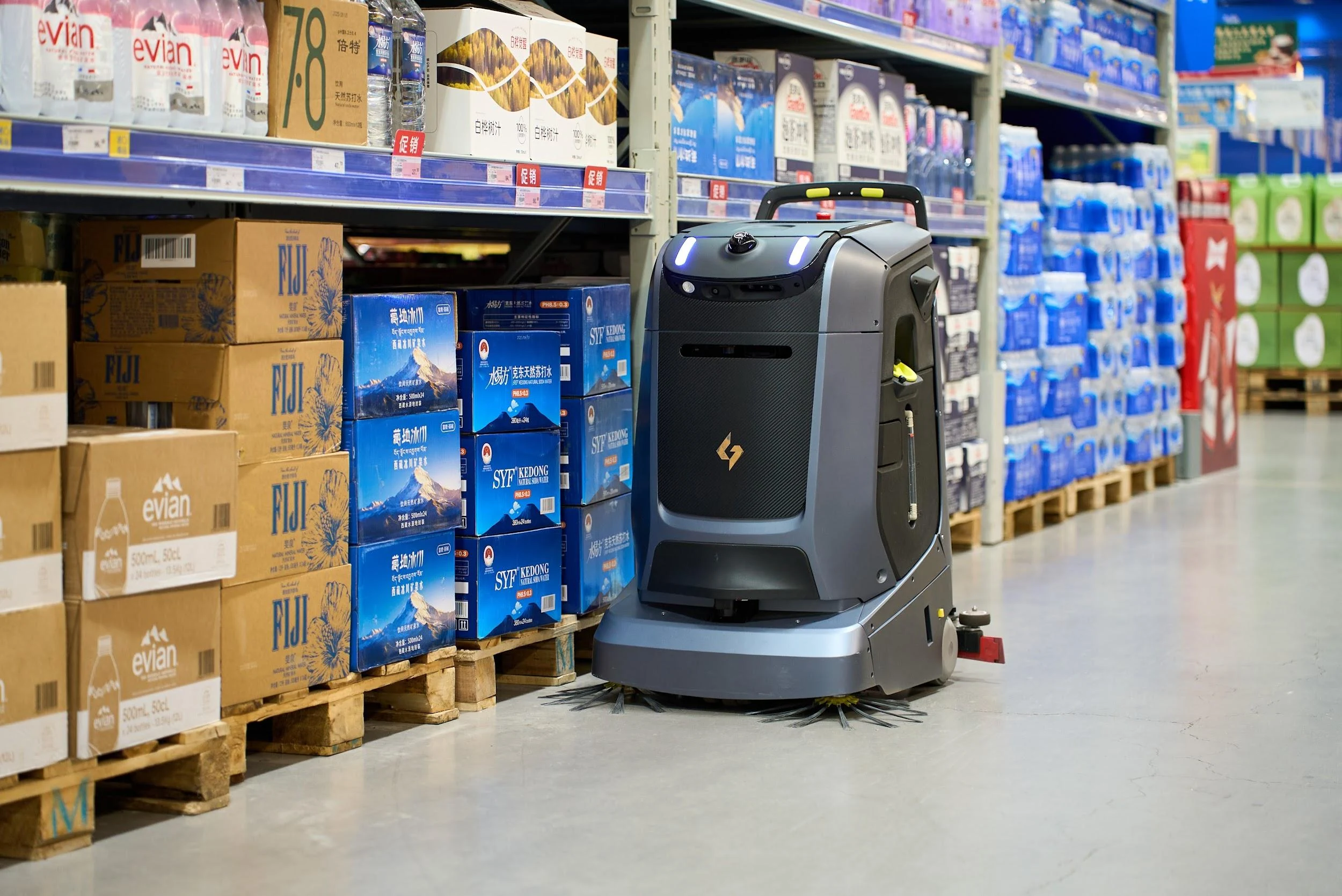
Close-edge cleaning reduces touch-up. It does not remove it entirely, and it is better to plan for that than be surprised by it.
A few spots usually stay on the manual schedule:
The goal is a clear division of work. The robot owns the long, repetitive edges along walls, shelving and fixtures, and staff focus on the small number of spots that genuinely need a person.
In retail, this division matters most during the overnight clean after closing, because anything the robot leaves at the edges has to be finished by hand before the doors open.
Edge performance helps determine how much manual touch-up remains. In the right conditions, side brushes and controlled wall-following bring cleaning coverage to the wall line.
On scrubbers, that sweeping reach should be distinguished from the reach of the scrubbing brushes and water-recovery system.
Effective recovery helps leave the cleaned edge close to dry, while tight corners and inaccessible recesses may still need manual attention.
If your site has long shelving runs, dense furniture or many fixed boundaries, edges belong at the center of the robot selection, not at the end of it. Talk to a Gausium specialist to match the right robot to the boundaries on your floor.
The machine body needs clearance to move and turn safely, which can leave a strip beyond the main brush’s reach. Side brushes and precise wall-following help cover this strip. In the right conditions, Phantas brings side-brush cleaning coverage to the wall line without the body touching the wall.
A published edge-cleaning distance does not by itself establish that a robot can fully clean an inside corner. In a 90-degree inside corner, a round disc or side brush cannot reach the deepest point. A robot with a roller brush is still limited by its body shape, turning radius and squeegee reach, so manual touch-up may still be needed there.
Phantas has a compact body and needs as little as 650 mm of height clearance to clean under desks. Mira passes through aisles as narrow as 660 mm, which suits dense retail layouts. Both figures describe access, not edge distance.
Side brushes sweep debris from the edge into the robot’s main cleaning path for collection. Their reach should not be confused with the scrubbing width: reaching the wall with a side brush does not mean the floor is scrubbed right up to the wall.
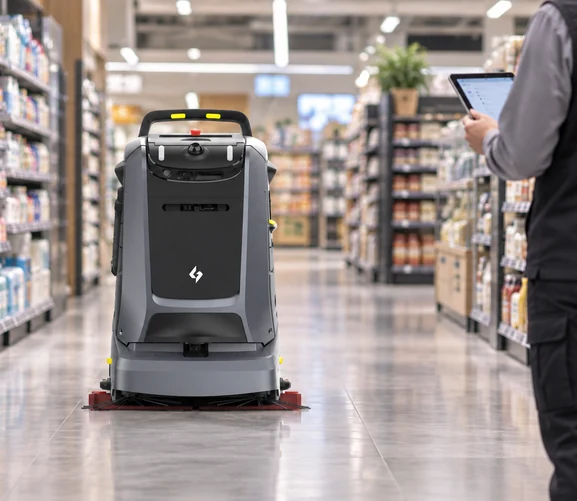
Step 1/2
Please select the type of business you’d like to have with Gausium.
Choose one item from the list
Step 2/2
Thanks for sharing your preference. Please fill out the form below, and we’ll get in touch shortly.
By clicking “Submit”, I authorize Gausium to contact me. Privacy Policy.
Thank you for filling out the form
By clicking “Submit”, I authorize Gausium to contact me. Privacy Policy.