




UP NEXT
One Machine or Two? Cleaning Robots for Mixed-Floor Buildings31 sierpnia, 2026

31 sierpnia, 2026
Choosing floor cleaning machines for public buildings starts with the work required in each zone. Entrances, waiting halls, corridors, reading rooms and carpeted offices differ in flooring, foot traffic and acceptable cleaning times.
This guide matches cleaning methods to those areas, then considers noise, public access and operating arrangements before explaining where Gausium Omnie and Phantas may fit.
|
Zone |
Main requirement |
Equipment or process to assess |
Operational check |
|---|---|---|---|
|
Hard-floor entrances, lobbies and waiting halls |
Remove tracked-in debris and washable soil around continuous footfall |
Scrubbing, with suitable debris collection or preparation |
Floor condition, water recovery and peak arrival periods |
|
Quiet rooms such as reading rooms and courtrooms |
Routine cleaning without disturbing occupants |
Compact equipment with a quiet mode, or cleaning outside opening hours |
Measured sound in the intended cleaning mode |
|
Hard-floor corridors |
Maintain regular coverage along circulation routes |
A suitably sized scrubber or autonomous floor cleaner |
Passage width, turns and pedestrian access |
|
Carpeted offices and meeting areas |
Routine dry-soil removal |
A commercial vacuum or compatible multi-mode robot |
Carpet suitability, furniture access and noise |
|
Mixed-floor areas |
Use the appropriate method on each surface |
A multi-mode solution or coordinated equipment |
Transitions, task changes and route planning |
|
Furniture-dense or restricted areas |
Maintain detail and reach around obstructions |
Compact equipment with complementary manual work |
Accessible area and remaining detail tasks |
This zone-based approach avoids buying solely on total building size. A large facility can contain small, constrained spaces, while a modest building may have an open lobby suited to a repeatable automated route.
First decide whether the floor requires vacuuming, sweeping, scrubbing or a combination. Then consider how that task should be delivered.
Dry pickup removes loose material; wet scrubbing addresses suitable washable soil. A machine that can travel across both carpet and hard flooring does not necessarily perform every required cleaning method on both surfaces.
Automation is particularly worth evaluating for defined, recurring floor tasks. It should support a clear cleaning plan rather than be added before the building’s requirements are understood.
Where a route contains several surfaces, assess the transitions and task arrangements. The mixed-floor cleaning guide provides further considerations for deciding between one versatile machine and coordinated equipment.
Opening hours are not the same as occupancy levels. A building may remain open while particular wings are quiet, or close to visitors while staff and contractors continue working.
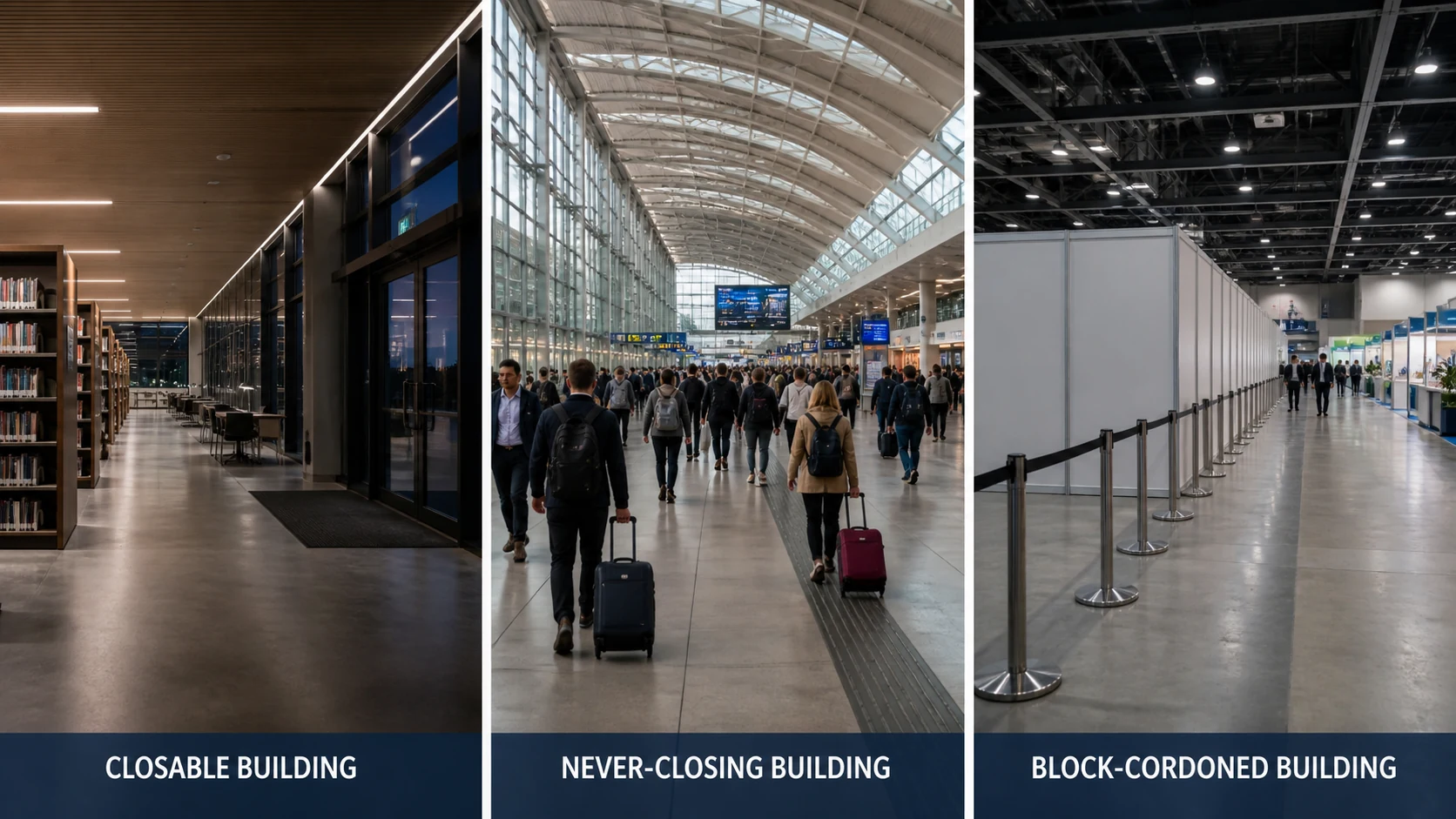
Each type of public space sets its own limits. A library reading room may only accept quiet operation or cleaning outside opening hours. A station waiting hall has continuous footfall, so cleaning has to work around passengers. An exhibition hall can often be cleaned between events, when whole areas are free.
Map these patterns before scheduling. Entrances may need attention after the morning arrival period; meeting areas may become available between bookings; some routes may offer a longer window outside public hours.
Assess sound in the actual space and intended cleaning mode. A machine that is acceptable in a busy lobby may be intrusive beside a meeting room. Likewise, an unobstructed corridor during a demonstration may become a queueing area at another time.
Docking and parking positions must keep accessible and escape routes clear and be agreed with the building’s responsible safety team. Name who approves cleaning routes and changes to them, so layout updates reach the operating team.
Routes, signage and access controls should follow the building’s procedures. Neither “always clean overnight” nor “stop robots whenever the building is busy” is a useful universal rule. Define suitable zones and operating windows, then validate them.
Repeatable floor work can be allocated to an autonomous machine while staff coordinate the wider service, inspect results and manage tasks outside the machine’s route. This creates a clearer division of work without treating the robot as a replacement for the entire cleaning team.
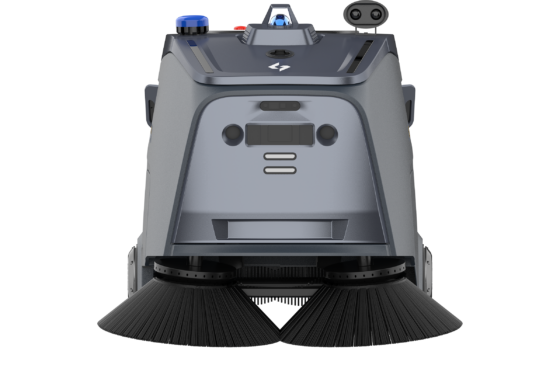
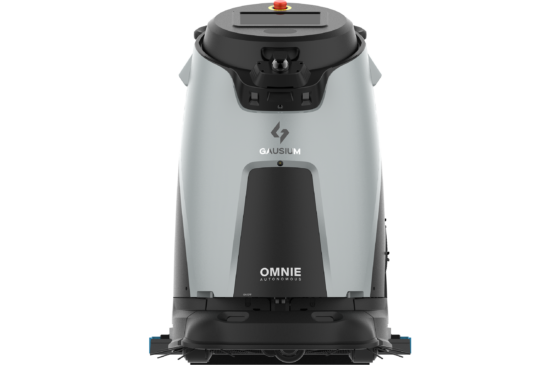
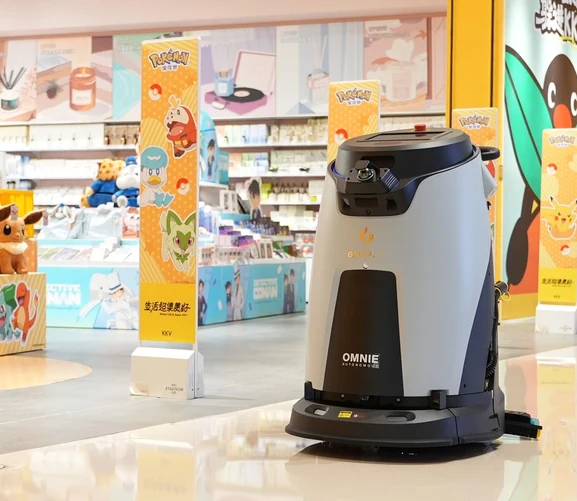
Gausium Omnie is designed for complex, dynamic environments such as airports and subway stations. Its multi-sensor perception supports cleaning around changing pedestrian traffic, and its AI spot cleaning identifies dry and wet waste, which suits lobbies and corridors where litter and spills appear during opening hours (see the transport hubs solution page).
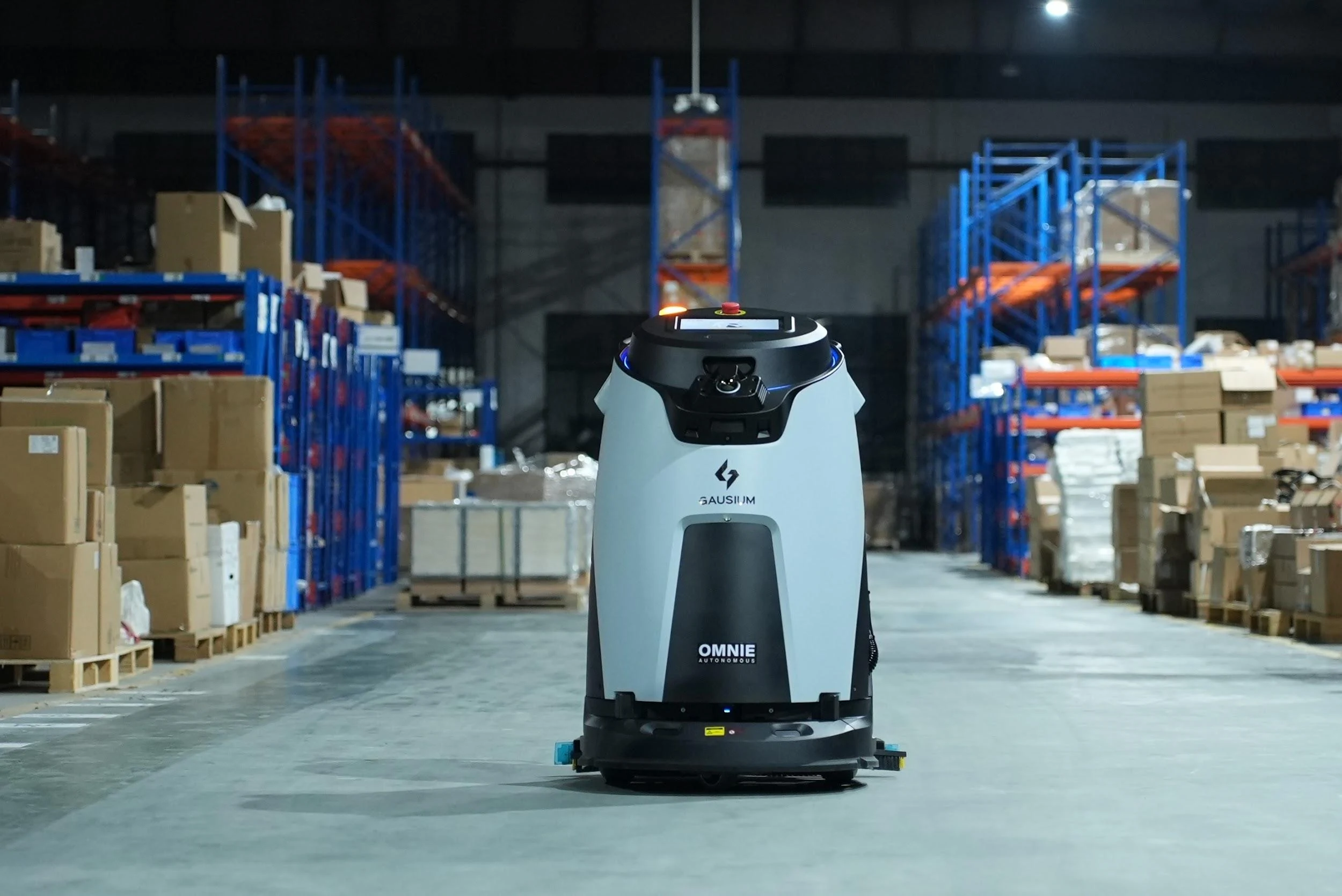
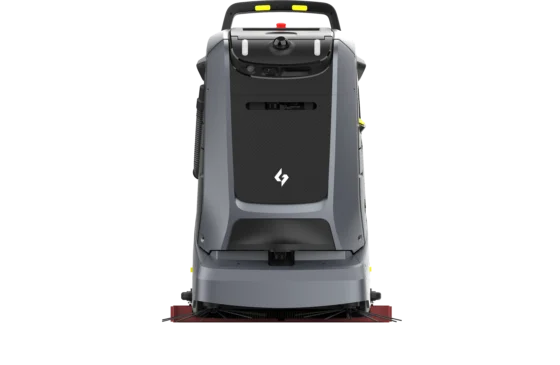
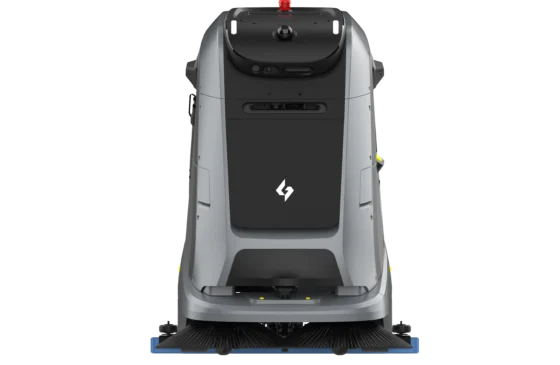
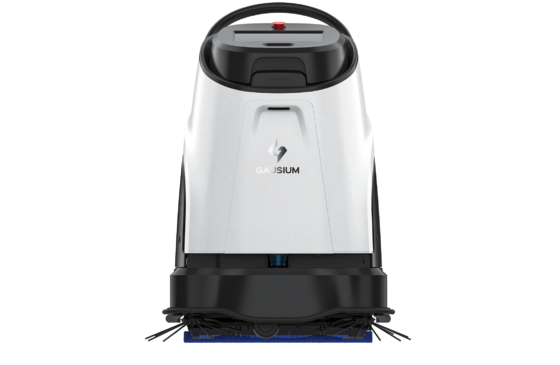
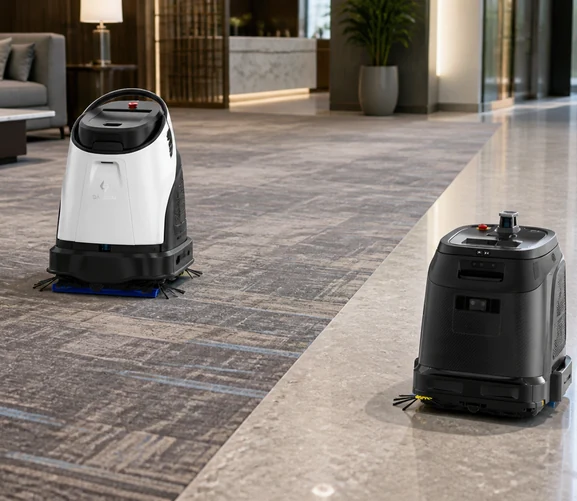
For quieter rooms, office areas and mixed-floor spaces, Phantas offers vacuuming, sweeping, scrubbing and dust-mopping modes, with a quiet mode at 60 dB or below. Match the selected mode and operating schedule to each zone’s floor and occupancy requirements.
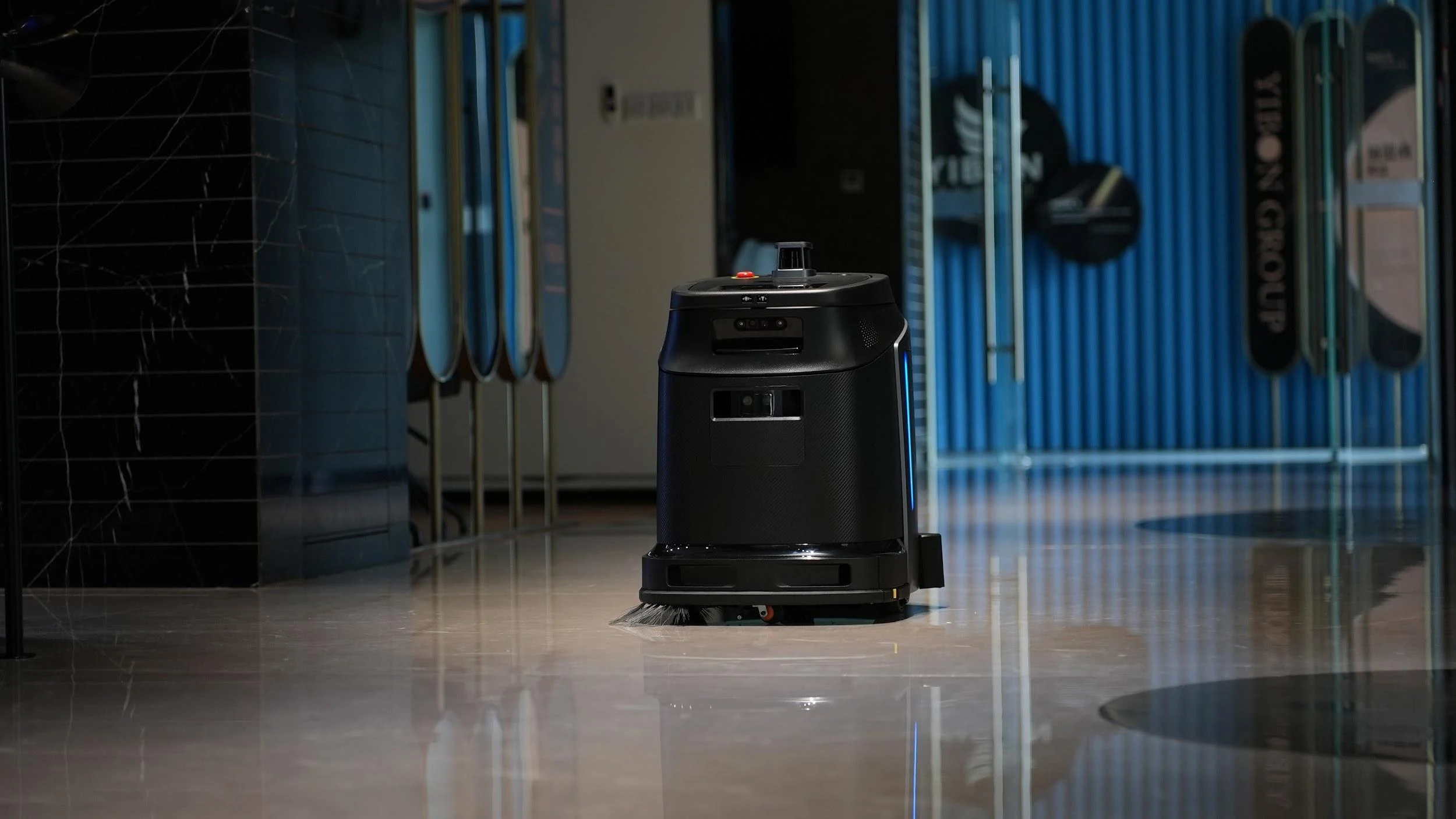
The model should follow the building’s requirements. Check the actual floor types, accessible routes and service arrangements instead of assuming that a product suitable for one public facility will fit every other one.
Equipment care remains part of the operation. Assign responsibility for checking the machine, maintaining consumables and responding when a task needs attention. Include these activities in the staffing plan from the outset.
Worth stating in the proposal rather than discovering at handover.
Before the machines go into service, agree a short list with building management:
Before expanding across the building, test a zone that reflects normal conditions. Include its usual furniture, foot traffic and floor transitions. Agree the result expected and the window in which the work should finish.
Review cleaning quality, coverage, interruptions and routine service needs with both the cleaning team and building management. Use those findings to refine the schedule and decide where the solution should be extended.
The right floor cleaning machine is one part of a coordinated public-building cleaning operation. Speak with Gausium about your floor plan, operating hours and cleaning requirements to assess a suitable approach.
Concourses, halls and circulation areas suit Omnie; quiet rooms, offices and compartmented floors suit Phantas. Carpeted waiting areas and outdoor forecourts each require a different machine class.
As a figure per room type, with the mode and measurement distance stated, and a re-measurement in the actual room at acceptance. Phantas supports a quiet mode at 60 dB or below.
Whoever owns fire and life safety for the building, not the cleaning contract. Accessible routes, wheelchair turning space and escape routes cannot be occupied, so candidate positions should be marked on the plan during the proposal.
It changes the requirement rather than blocking it. In buildings that cannot be closed or cordoned, safe operation in continuous footfall becomes an entry requirement, and it should be evaluated during a peak hour rather than in an empty hall.
Entrance matting, stairs and escalator treads, edges around columns and seating, and immediate spill response. List these in the schedule with named responsibility, as the machine will not absorb them.
Usually one of three things: a sound requirement written without a number, a docking position agreed too late, or an unnamed route approver, leaving routes to fall out of date after the first layout change.
Step 1/2
Please select the type of business you’d like to have with Gausium.
Choose one item from the list
Step 2/2
Thanks for sharing your preference. Please fill out the form below, and we’ll get in touch shortly.
By clicking “Submit”, I authorize Gausium to contact me. Privacy Policy.
Thank you for filling out the form
By clicking “Submit”, I authorize Gausium to contact me. Privacy Policy.