




UP NEXT
Walk-Behind vs. Robotic Floor Scrubbers: Which Fits Your Facility?27 října, 2026

27 října, 2026
A warehouse aisle covered in grit needs a different cleaning method from a production floor with stubborn residue. Machinery, loading areas and carpeted offices add further requirements. For facilities managers, the challenge is choosing equipment that matches each job without creating unnecessary work for the cleaning team. In the United States, OSHA’s walking-working surfaces standard also requires workplace floors to be kept clean and free of hazards such as spills and leaks.
The main types of industrial cleaning equipment include sweepers, floor scrubber dryers, industrial vacuums and pressure washers. Carpet extractors serve carpeted support areas. Autonomous cleaning robots add another operating option for suitable floor-cleaning tasks.
Start by identifying what needs to be removed and which surfaces need cleaning. Then compare access, operating time and staff involvement. This guide explains the equipment categories, how they work together and where Gausium robots fit within an industrial cleaning operation.
A useful equipment list begins with the work on site. Record the main material in each area, the surface beneath it and the result the team needs to achieve.
Separate loose floor debris from adhering residue, liquid spills and material around machinery. Then identify tasks on elevated surfaces or carpets. This prevents a broad requirement such as „clean the factory“ from becoming a specification for a machine that only addresses one part of the work.
The same location can require more than one method. A warehouse aisle may need loose debris collected before its hard floor is scrubbed. Cleaning around a production machine may call for a suitable industrial vacuum even when the surrounding aisle is cleaned with a scrubber.
Identify any hazardous or combustible material separately. Equipment suitability depends on both the material being collected and the environment in which the machine operates. A general-purpose cleaning machine should not be assumed suitable simply because it can collect dust or liquid.
|
Equipment type |
Main cleaning action |
Where to consider it |
|
Sweeper |
Collects loose debris from the floor. |
Warehouse aisles, production circulation areas and suitable outdoor surfaces. |
|
Floor scrubber dryer |
Applies solution, agitates the floor and recovers dirty water. |
Compatible hard floors requiring wet cleaning. |
|
Industrial vacuum |
Collects material through suction using a suitable hose or attachment. |
Localized dust and debris around equipment; liquids where the model is designed for them. |
|
Pressure washer |
Uses pressurized water to loosen and remove soil. |
Suitable equipment, vehicles and surfaces where wash water can be managed. |
|
Carpet extractor |
Applies cleaning solution to carpet and extracts it with loosened soil. |
Periodic cleaning of compatible carpets in offices and support areas. |
These categories describe cleaning methods. Walk-behind, ride-on and autonomous describe ways of operating equipment. A robotic scrubber remains a scrubber, and a robotic sweeper remains a sweeper; automation does not make their cleaning functions interchangeable.
A sweeper uses brushes to move loose material into a collection system. Models differ in the debris they can handle and the dust-control systems they use. Sweeping is useful when the main job is collecting dry material across a floor rather than washing residue from its surface.
Check the size and nature of the waste, not just the floor area. Fine dust and small paper scraps present different collection demands from long wrapping materials or bulky offcuts. Confirm what the selected machine can collect and what staff should remove first.
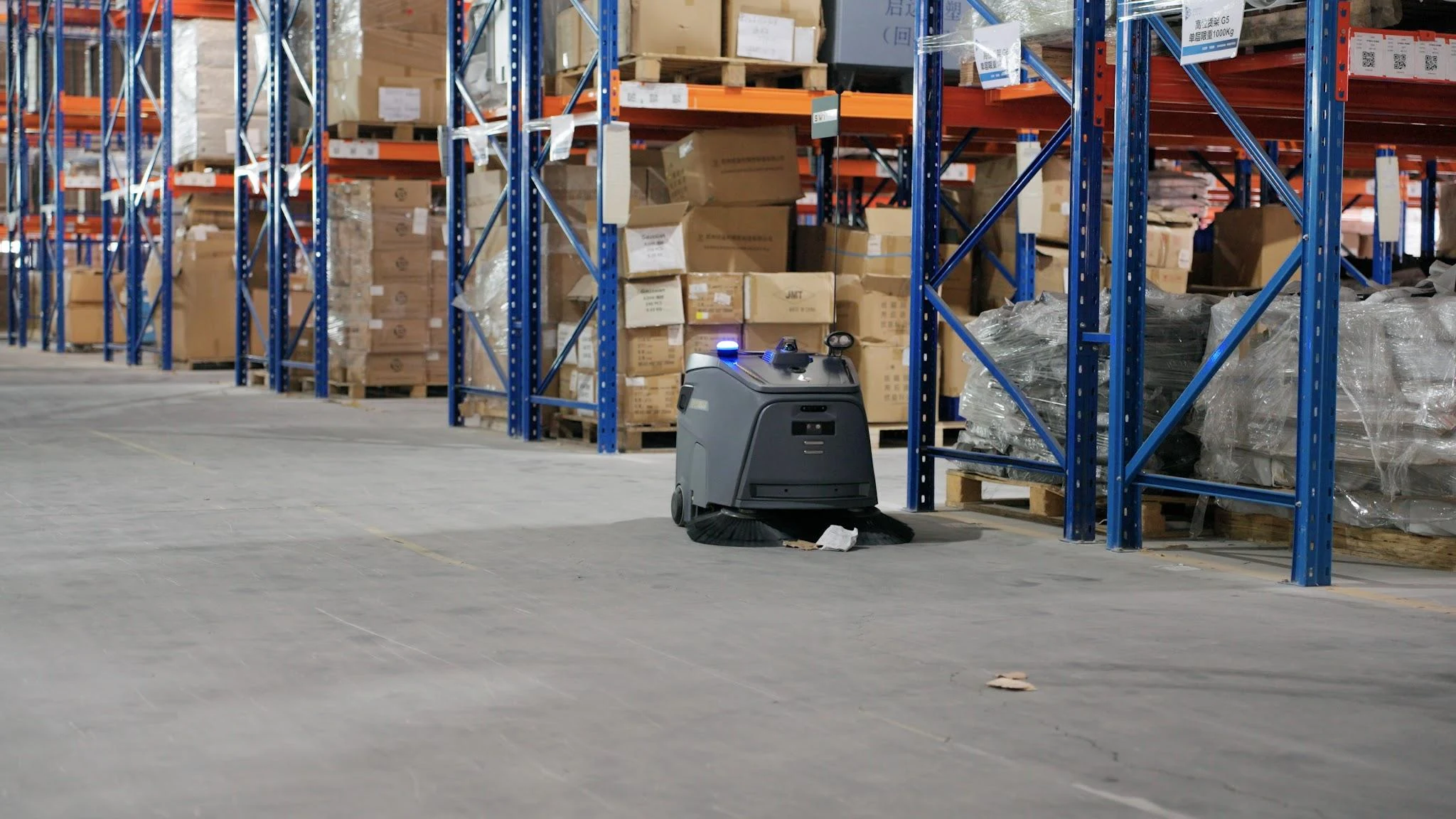
A scrubber dryer applies cleaning solution, agitates the surface with brushes or pads and recovers dirty water. It is relevant where sweeping alone leaves adhering soil behind.
For oily residue, identify the substance and choose a floor-compatible cleaning solution and brush or pad approved for the machine. Test the result on a representative area. This is a different job from collecting a fresh liquid spill, which requires an appropriate response for the substance involved.
Some machines combine sweeping and scrubbing. This can reduce separate preparation for debris within the machine’s capabilities, but unsuitable materials still need to be cleared. For more on scrubbing stubborn residue from compatible hard floors, see Heavy-Duty Cleaning Robots for Industrial Floor Scrubbing.
Industrial vacuums are useful where a hose and attachment can reach material around equipment or in confined spaces. Some are designed for dry collection, while others handle specified liquids or specialized production waste.
Select the collection system for the actual material. A vacuum suitable for ordinary dry debris is not automatically suitable for coolant, metal swarf or hazardous dust. Filter type alone does not establish suitability for a hazardous application.
Pressure washers can be used on suitable machinery, vehicles and surfaces. Their suitability depends on the substrate, surrounding equipment and how the site will contain or remove wash water.
For indoor washdown, consider nearby equipment, water exposure and how the area will be returned to use. A standard pressure washer loosens and flushes soil; wastewater collection requires a separate arrangement or suitable recovery accessories. This makes water management an important part of the equipment decision.
Carpet extraction serves a different purpose from routine dry vacuuming. An extractor applies solution and recovers it with loosened soil, with drying time considered before the area returns to use.
This category may be relevant to administrative offices or meeting rooms attached to an industrial facility. It is a separate requirement from cleaning a concrete warehouse floor or collecting material around production machinery.
After selecting the cleaning method, choose how the equipment will be operated. A walk-behind machine is guided on foot, a ride-on machine carries its operator, and an autonomous machine performs assigned tasks without continuous steering.
Compare these formats against the same cleaning requirement, including access and staff involvement. For a detailed comparison of operator-driven and autonomous scrubbing, see Autonomous vs. Ride-On Floor Scrubbers.
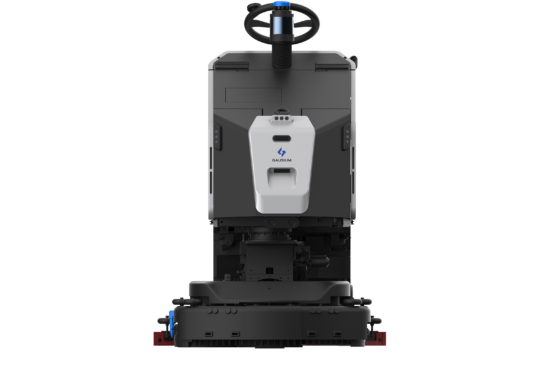
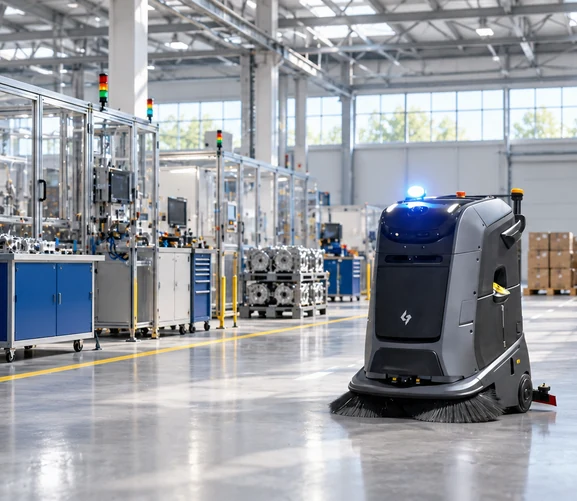
Gausium offers autonomous floor-cleaning equipment for different tasks. The right starting point is the cleaning method the site needs, followed by the space and operating conditions.
Recurring work is a useful starting point for evaluation, but the robot does not necessarily need an identical route every day. Navigation and task capabilities vary, including how the machine responds to obstacles and changing layouts.
Consider accessible floor areas where the required cleaning method matches the robot’s capabilities. Retain appropriate methods for equipment washdown, elevated surfaces and tasks outside the robot’s operating scope. Staff still manage preparation, routine care, exceptions and cleaning-quality checks.
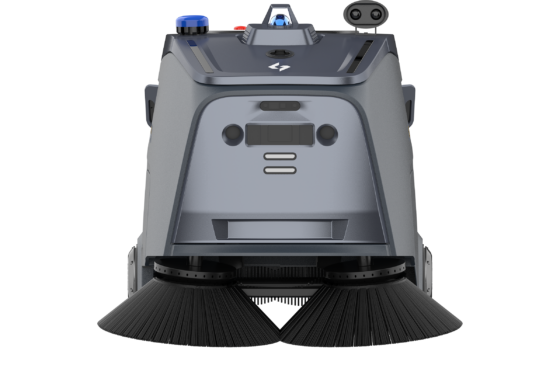
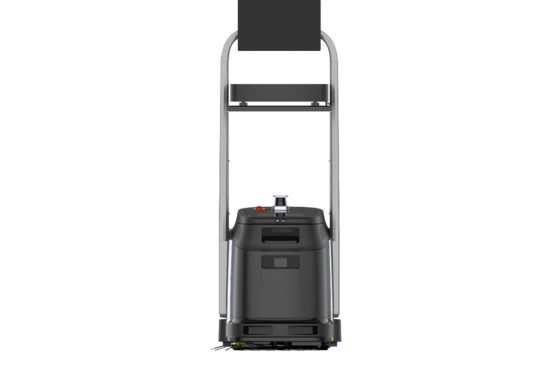
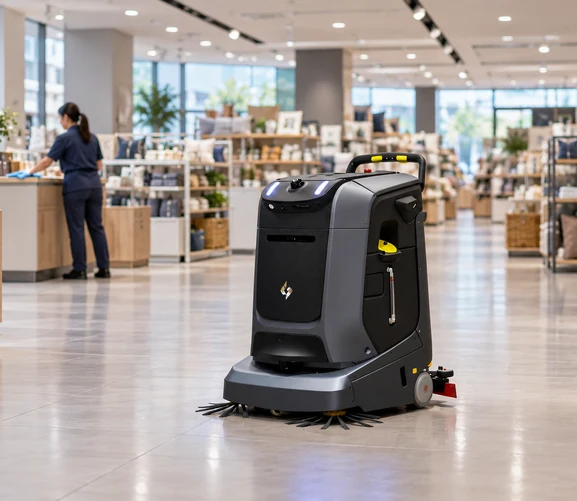
Gausium Beetle provides autonomous sweeping for indoor and outdoor areas. It is an option where the main requirement is collecting loose floor debris, including fine dust, sand, paper scraps and wood chips. Where adhering residue also requires removal, include a suitable scrubbing method in the equipment plan.
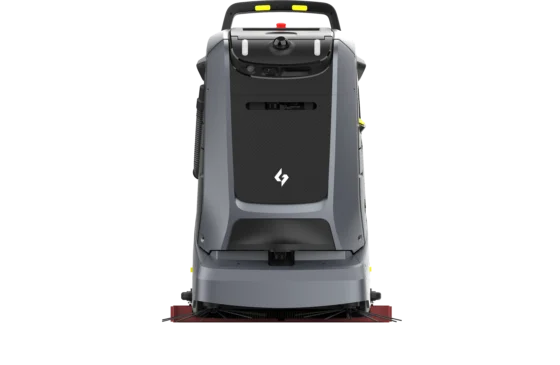
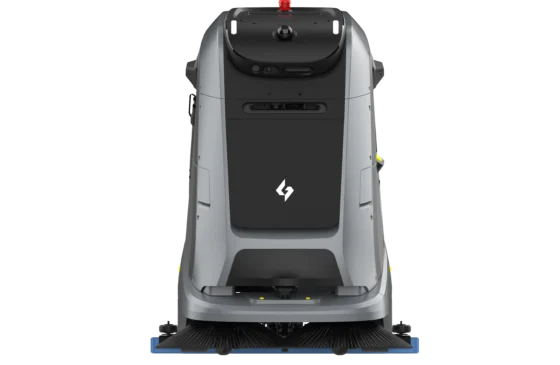
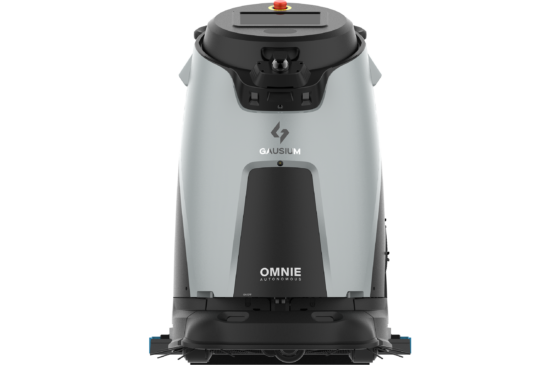
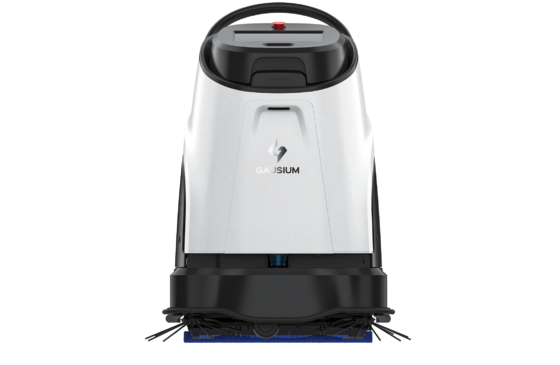
Gausium Marvel combines sweeping and scrubbing and also offers dust mopping. It is designed for large and complex spaces. Gausium Omnie is designed for dynamic environments and offers identification and cleaning of dry and wet waste.
These robots address floor-care tasks within the wider equipment mix. Pressure washing, cleaning inside machinery and specialized waste collection remain separate requirements.
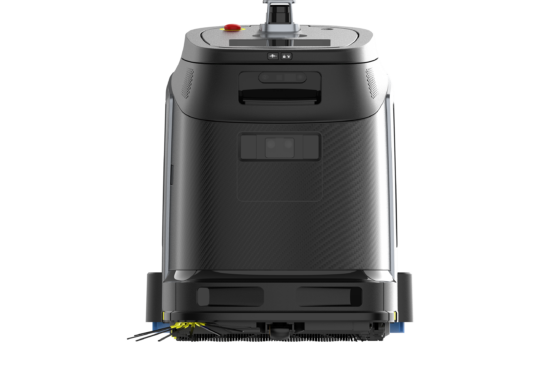
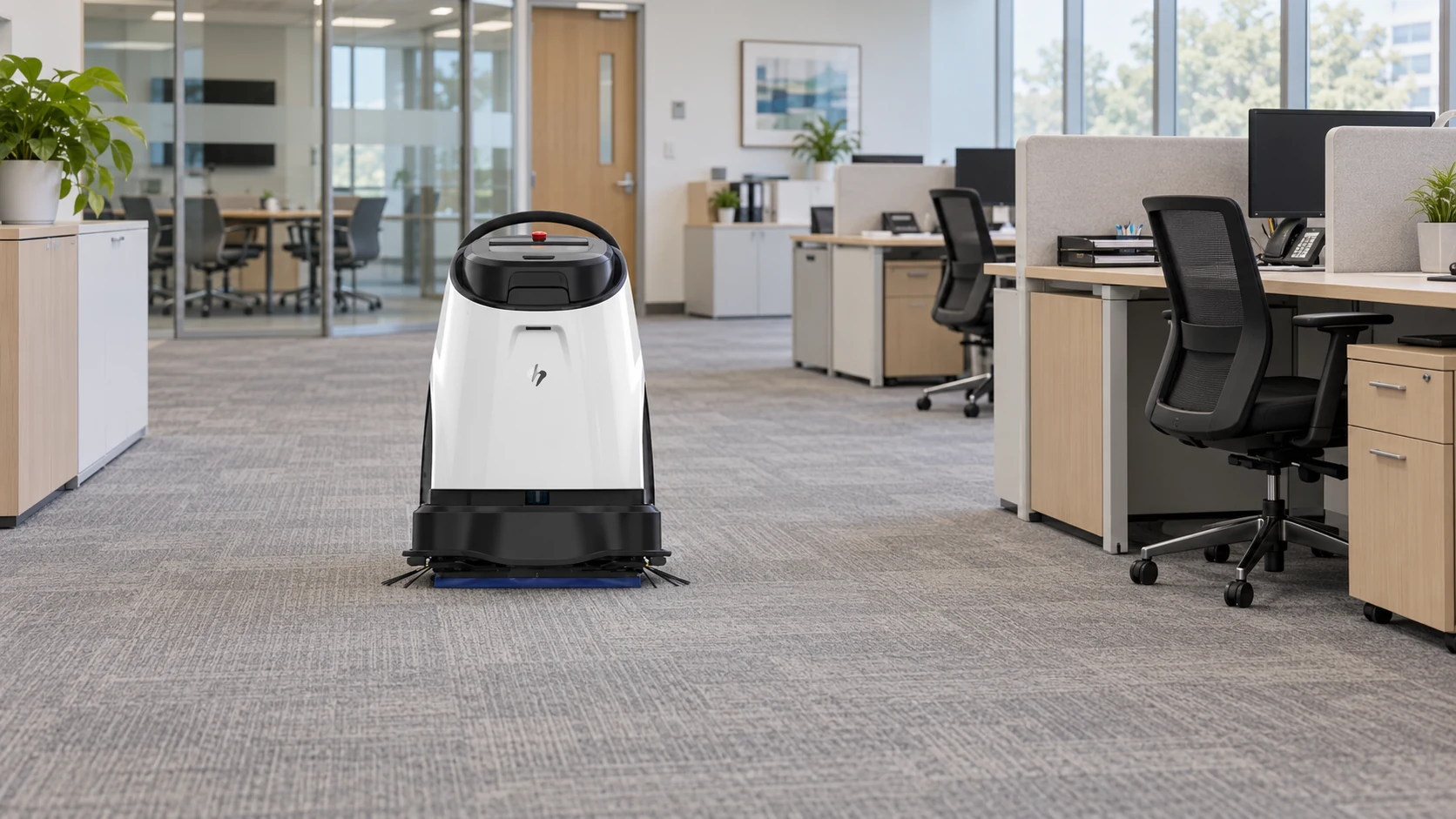
For carpeted offices and other support spaces, Gausium Vacuum 40 provides routine vacuuming on carpet, plus sweeping and dust mopping on compatible hard floors. This is a different application from specialized industrial vacuum collection around production machinery.
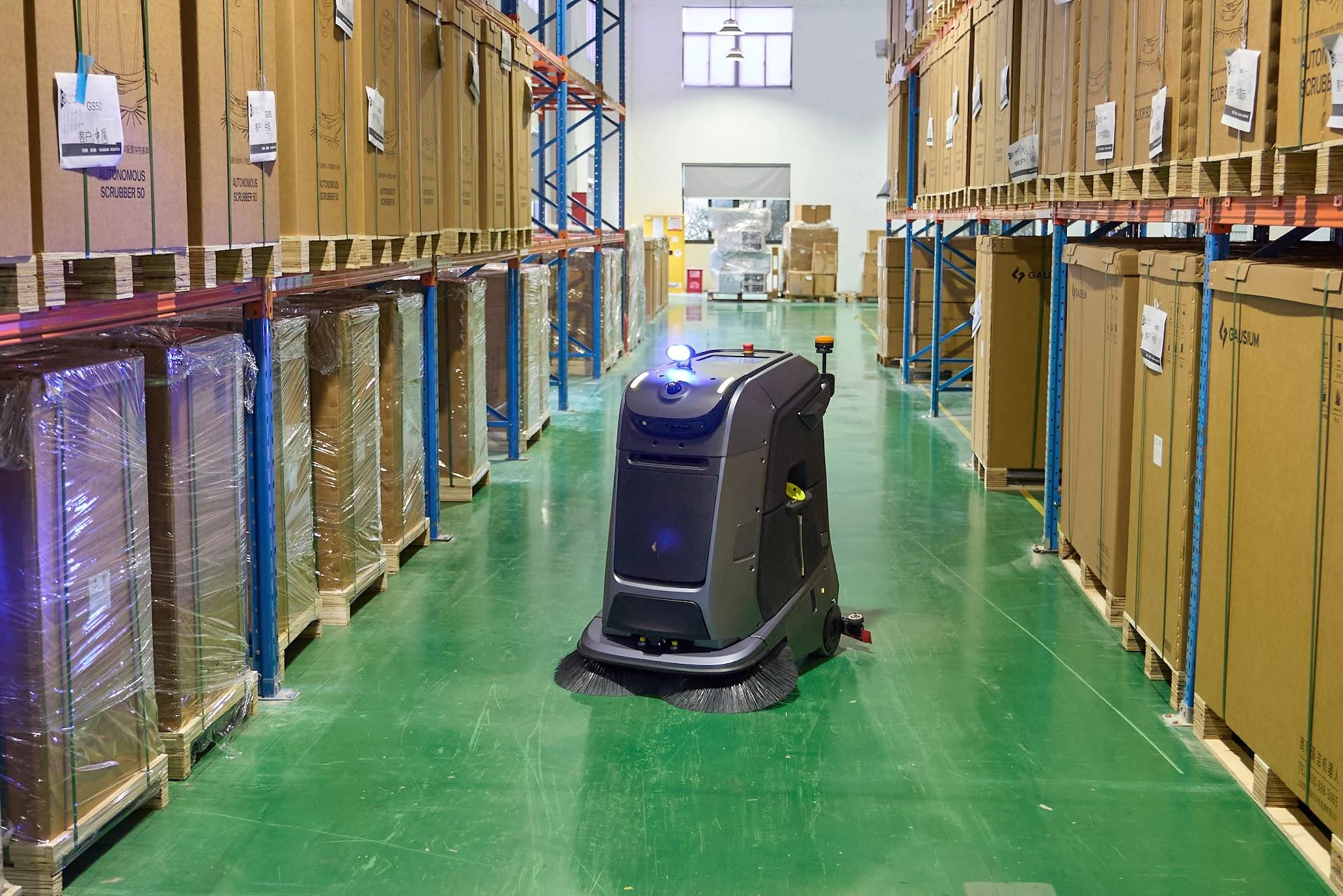
Consider a facility with warehouse aisles, a production area and an attached office. These areas may share a cleaning team, but they do not necessarily need the same equipment.
In the warehouse, loose grit and small packaging scraps point to a sweeping task. If adhering residue remains, wet scrubbing becomes a separate requirement or a function to assess in a combined machine. Access should be checked with pallets and other normal obstructions in place.
Near production equipment, identify the material generated by the process. A suitable industrial vacuum may be needed for localized collection, while a floor scrubber handles compatible circulation areas. Cleaning inside machinery should remain a separate task governed by the equipment’s cleaning and maintenance procedures.
At a loading dock, compare the indoor and outdoor surfaces before extending a floor-cleaning route. Surface condition, gradients and the type of debris may change across that boundary. Select outdoor-capable equipment for the intended conditions.
In the office, routine carpet vacuuming and periodic extraction are separate tasks. Plan extraction around the time needed for the carpet to dry and the room to become available again.
This example shows why the equipment mix should follow the work. A site may automate accessible floor areas while retaining specialist tools elsewhere, rather than replacing every machine at once.
Once the cleaning method is clear, compare the machines under the conditions in which they will operate.
Compare the full task rather than the advertised cleaning rate alone. Allow for preparation, emptying, refilling and charging where relevant when assessing whether the work fits the shift. For costs, use the same comparison period and include equipment, consumables, maintenance and staff involvement. Confirm which accessories, installation work and services are included in each quotation.
Choose a representative area and agree the cleaning standard before a demonstration. Use normal soil conditions and record coverage, cleaning results, hands-on time and any interruptions.
Assess whether each machine has a clear job and whether any tasks remain uncovered. An effective equipment mix may include autonomous floor cleaning alongside operator-controlled machines and specialist collection equipment.
For a closer look at wet-cleaning requirements, read Industrial Floor Scrubbers for Factories and Manufacturing Plants. To discuss where automation could fit a manufacturing or warehousing operation, contact the Gausium team with the cleaning tasks, floor conditions and available operating windows.
Sweepers collect loose debris, while scrubber dryers wet-clean compatible hard floors and recover dirty water. Industrial vacuums support localized collection using equipment suited to the material. Walk-behind, ride-on and autonomous options are available for different floor-cleaning tasks.
No. Floor-cleaning robots perform tasks within their specified capabilities. Equipment washdown, elevated surfaces and specialized waste collection require other methods. Identify the floor tasks suitable for automation and retain appropriate equipment for the remaining work.
Sweepers and industrial vacuums can collect suitable loose dust and debris. Oily residue may require wet scrubbing with a floor-compatible cleaning solution and brushes or pads approved for the machine. Identify the substance first; a liquid spill is a separate collection task, and no scrubber should be assumed suitable for every oil or chemical.
Some cleaning robots, including Gausium Beetle and Omnie, are designed for dynamic environments. Suitability for a specific shared area still depends on the site assessment. Review traffic routes, crossings, visibility and cleaning windows; obstacle detection alone does not establish safe operation in every shared area.
Step 1/2
Please select the type of business you’d like to have with Gausium.
Choose one item from the list
Step 2/2
Thanks for sharing your preference. Please fill out the form below, and we’ll get in touch shortly.
By clicking “Submit”, I authorize Gausium to contact me. Privacy Policy.
Thank you for filling out the form
By clicking “Submit”, I authorize Gausium to contact me. Privacy Policy.